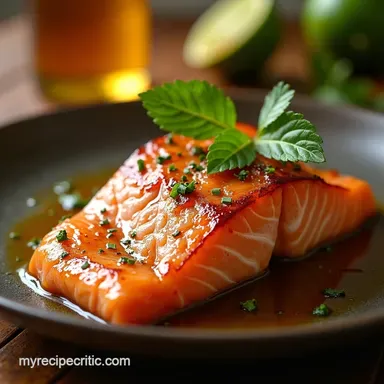
The Managed Method Silky Slowroasted Salmon with Gingerlime Glaze
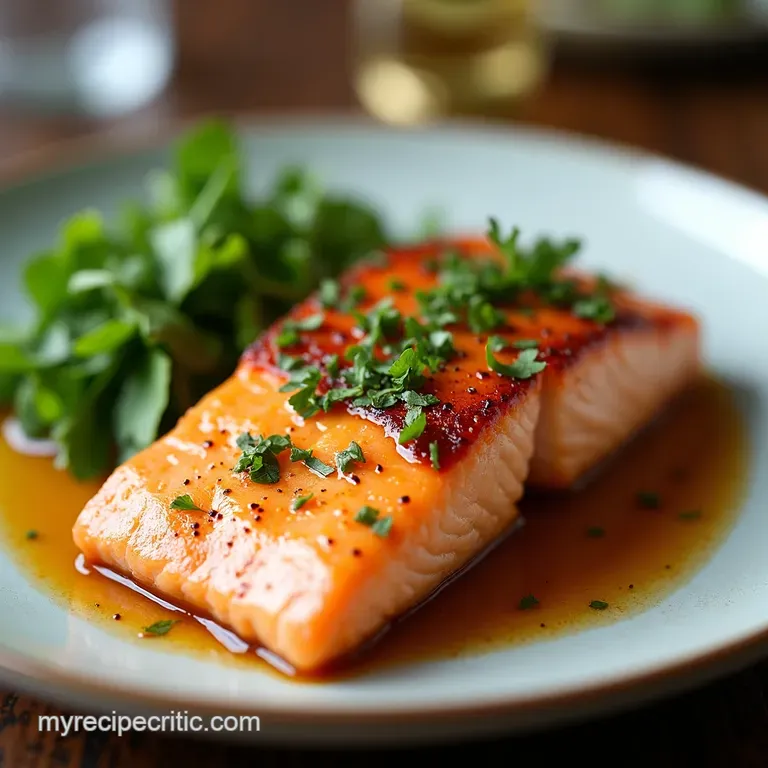
- Stop Dry Salmon! Try the Managed Way
- Essential Gear for Precision Temperature Cooking
- The Simple Shopping List
- Seasoning Notes and Prep
- Getting Started: The Secret to Silky Salmon
- The Managed Cooking Method
- The Managed Method Masterclass: Notes from the Kitchen
- Frequently Asked Questions
- 📝 Recipe Card
Stop Dry Salmon! Try the Managed Way
Have you ever tried to make salmon at home and ended up with something that tasted like dry cardboard? Honestly, mine used to be the worst.
It is tough getting that silky textured salmon method at home, you know? You want beautiful results without having to watch the oven like a hawk.
I finally figured out the secret.
This isn't just a recipe; it is a game changing technique. I call it the Managed Method . We completely ditch the high heat blast for true precision temperature cooking .
This is a gentle low and slow oven roasted salmon approach. It results in a controlled heat salmon recipe that guarantees perfectly flaky fish every single time.
You’ll be mastering the melt-in-the-mouth fish technique , trust me.
What is the Managed Method?
The secret to this incredible texture is all about control. We use a very low oven temperature, akin to a gentle sauna for the fish.
The original idea comes from a simple realization: you must know your oven. To get that tender moist salmon 275 degrees perfect, you need the process to be fully managed .
This requires careful temperature monitoring.
The recipe is medium difficulty, mainly because of the precision required. You need to get the oven temperature calibration guide down perfectly.
The total time is about 50 to 60 minutes, but most of that time is passive cooking. This recipe makes four lovely servings, making it a brilliant choice for a weekend dinner party.
The Benefits of Taking it Slow
Why go to the trouble of low and slow? Beyond the incredible flavour of the vibrant ginger lime glaze reduction , the texture is worth the effort.
Salmon is packed with amazing Omega-3s, so it’s wonderfully healthy too. By using this technique, you eliminate the risk of the fish drying out.
You achieve a truly restaurant worthy weeknight salmon recipe right in your own kitchen.
To nail this technique, you must use a digital thermometer fish cooking tool. That little gadget is the real hero here.
It helps ensure the internal temperature is perfectly managed . Ready to learn the secrets to the best, most perfectly cooked salmon you have ever eaten? Let’s gather the ingredients.
We are making a truly elegant dish. It feels like magic. But the secret is simple. It’s all about the gear and good shopping.
This restaurant worthy weeknight salmon recipe relies on control. We use the silky textured salmon method . Let’s gather the ingredients and tools now.
Essential Gear for Precision Temperature Cooking
Forget your complex kitchen gadgets. We focus on temperature control. This precision temperature cooking method needs accuracy. The most crucial item is a reliable thermometer.
You absolutely need a digital thermometer fish cooking . My oven lies to me constantly. Seriously, it is a fibber. I use an external thermometer.
This helps with the oven temperature calibration guide . Accuracy is how the method is successfully managed . This ensures that incredible melt-in-the-mouth fish technique .
Grab a simple baking sheet too. And line it with parchment paper.
The Simple Shopping List
This list is straightforward. Quality over quantity always wins.
Main Salmon Ingredients
Get four nice salmon fillets. Aim for 6 ounces (170g) each. Wild caught fish has the best flavour. But sustainably farmed works too.
Pat them completely dry first. We season simply. Just light olive oil, flaky salt, and pepper. This controlled heat salmon recipe keeps the focus on the fish.
Making the Flavor Bomb
This glaze is where the zing comes from. Freshness matters here, folks. You need real limes. Not the bottled stuff.
Use 1/2 cup (120 ml) of fresh lime juice. We are balancing this with 3 Tbsp (45g) of brown sugar.
You also need fresh ginger. Use a fine grater or microplane. This makes the ginger lime glaze reduction intense. I once swapped honey for the sugar.
It was okay, but far too sticky. Stick to the recipe!
Seasoning Notes and Prep
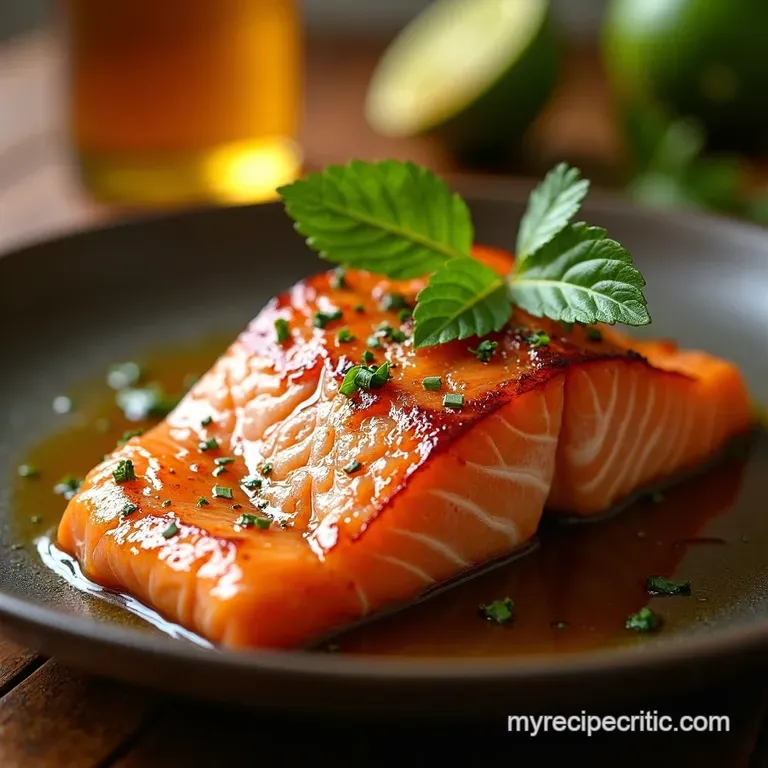
We need simple elegance for the fish. Patting the salmon dry is key. It helps the skin get nice. The slow cooking ensures this tender moist salmon 275 degrees .
We are relying on the low heat. This low and slow oven roasted salmon only needs simple seasoning. For the glaze, feel free to use Tamari.
That works great for gluten-free diets. Just remember the concentration. We need to manage that reduction carefully. The glaze thickens fast.
It turns syrupy and shiny. Keep stirring when you finish it!
Getting Started: The Secret to Silky Salmon
Honestly, forget everything you learned about blasting fish in a super hot oven. That method is fine, but it often leaves the edges dry.
We are aiming for a much better result here. We want that incredible, melt-in-the-mouth fish technique that feels truly special.
This recipe hinges on precision temperature cooking , so listen up!
Prep Steps: Control is King
Before we start, let's talk about mise en place . That’s just a fancy way of saying "get your stuff together.
" Chop the garlic. Mince the ginger. Measure the liquids for the glaze. I swear, 15 minutes of organisation saves 30 minutes of chaos later.
My biggest mistake, years ago? Cooking fish straight from the fridge. Don't do it! Take the salmon fillets out about 10 minutes before cooking.
This simple step, letting them temper, helps achieve the most silky textured salmon method imaginable. Pat them dry, brush with a little oil, and season with flaky salt.
Done.
But here is the absolute non-negotiable step: your oven must be spot on. You need an oven temperature calibration guide .
Get a cheap oven thermometer! If you don't own one, buy one now. The difference between 275° F and 300° F is the difference between perfection and disappointment.
We need true controlled heat salmon recipe mastery.
The Managed Cooking Method
This whole recipe is about being perfectly managed . We are juggling the fish and the glaze simultaneously, but don't panic. It's easy once you break it down.
Gentle Roasting: Low and Slow Wins
First, preheat the oven to a gentle 275° F ( 135° C) . Yes, that low! This is a genuine low and slow oven roasted salmon technique.
Place your seasoned fillets on the baking tray.
Pop the salmon into the oven and set a timer for 20 minutes .
Next, let's talk glaze. We are executing a ginger lime glaze reduction on the hob while the fish roasts. Combine the lime juice, soy, sugar, ginger, and garlic in a small pan.
Bring it to a simmer. You need to watch this carefully. Simmer it for about 5 7 minutes , reducing the liquid by a third.
This concentrates the flavours beautifully. When it’s reduced, whisk in the cornstarch slurry to thicken. Remove it from the heat.
This glaze is perfectly managed .
Temperature Check and Serving
After about 20 minutes in the oven, it's time for the crucial check. Grab your digital thermometer fish cooking tool.
Insert it into the thickest part of the fillet. You are aiming for an internal temperature of 125° F ( 52° C) for flaky, tender moist salmon 275 degrees style.
If you like it more cooked, hit 135° F ( 57° C) .
This melt-in-the-mouth fish technique is all about pulling it early. Let the salmon rest for 5 minutes after taking it out.
It will finish cooking off the heat. Drizzle liberally with that brilliant glaze. That’s how you get a true restaurant worthy weeknight salmon recipe .
Job’s a good un!
The Managed Method Masterclass: Notes from the Kitchen
Right, you’ve absolutely smashed the main part! You’ve mastered the precision temperature cooking that gives us that unbelievably silky textured salmon method .
But even when the hard work is done, a few cheeky tips can turn this perfect fillet into a full-on masterpiece.
Honestly, the first time I nailed this low and slow oven roasted salmon , I nearly did a little victory dance in my kitchen.
Plating Up Your Triumph
This dish is already stunning, thanks to the glossy ginger lime glaze reduction . When plating, think contrast. I usually serve mine on a simple, white plate.
That rich orange pink colour of the salmon, achieved through controlled heat salmon recipe , really pops. For presentation, don’t just pour the remaining glaze.
Drizzle it like a pro. Think Jackson Pollock, but sticky and delicious! Sprinkle over that fresh coriander and a tiny bit of lime zest.
You want it looking sharp this is certainly a restaurant worthy weeknight salmon recipe .
Perfect Partners and Pourings
Since the salmon is rich and the glaze is zingy, keep the sides light. A simple bowl of fluffy rice works wonders.
For greens, try some snappy asparagus or even a pile of peppery rocket (arugula) with just a splash of olive oil.
And drinks? Oh my gosh, you need something crisp. A glass of chilled Sauvignon Blanc cuts through that richness beautifully.
If you’re skipping the booze, try a sparkling water with lots of fresh mint and cucumber. It’s ultra refreshing.
Keeping It Fresh: Storage Secrets
Salmon is fiddly, isn't it? If you have leftovers (which is rare in my house, let's be honest), you need to treat them right.
Store the salmon and the glaze separately in airtight containers in the fridge. They’ll be good for up to three days.
When reheating, please, for the love of all that is good, avoid the microwave! Microwaving guarantees dry, cardboard fish. Instead, reheat the salmon in a preheated oven at 275° F ( 135° C) for about 10 minutes until warmed through.
We want to maintain that melt-in-the-mouth fish technique ! This gentle process ensures the moisture is managed properly.
Adaptations and Swaps
This tender moist salmon 275 degrees technique is super versatile. If you’re cooking for a vegan friend, swap the salmon for thick slices of roasted aubergine (eggplant) or firm tofu.
The ginger lime glaze reduction is completely vegan and tastes amazing poured over roasted veggies.
Need to make this gluten-free? Just make sure your soy sauce is replaced with Tamari. Easy peasy. And if you’re using your digital thermometer fish cooking skills in the winter, swap the lime for blood orange juice for a gorgeous seasonal twist.
The Good Bits: Simple Nutrition
You’ve cooked a dish that tastes decadent but is actually brilliant for you. Salmon is packed with those crucial Omega-3 fatty acids.
Did you know that fatty fish like salmon is basically a super food for your brain? Plus, because we followed that rigorous oven temperature calibration guide , we didn’t dry out the delicate oils.
You’re getting maximum flavour and maximum benefit. Go on, give yourself a pat on the back. You’ve successfully managed a complex flavour and texture profile.
Enjoy every single flake of this amazing meal!
Frequently Asked Questions
How does using the 'managed' low-temperature method make the salmon so much better than traditional roasting?
The "managed" low heat (275°F/135°C) is the secret sauce here. Unlike traditional high heat roasting, which can rapidly tighten the protein fibres and squeeze out moisture, cooking salmon gently at a low temperature prevents this denaturation.
It’s like a very slow, controlled oven poach, ensuring the fat renders slowly and the flesh remains consistently tender, resulting in that unbelievably silky, melt-in-the-mouth texture we’re aiming for. It truly takes salmon from a simple dish to a restaurant worthy experience.
I don't usually use a thermometer; what internal temperature should I be aiming for to get that perfect flaky finish?
For this precise method, ditching the thermometer is a bit of a gamble, old chum it’s the only way to truly manage the perfection! Aim for an internal temperature between 125°F (52°C) for medium rare and 135°F (57°C) for cooked through but still beautifully moist.
Remember that the salmon will continue to rise by 2 3 degrees after you pull it from the oven (carry over cooking), so timing your removal is absolutely crucial.
My ginger lime glaze has turned out a bit like wallpaper paste how can I fix the consistency?
Oh dear! That usually means the cornstarch thickened a bit too enthusiastically, or you reduced it for too long. If the glaze is overly thick, whisk in a tablespoon of hot water or extra lime juice until it returns to a lovely, syrupy, pourable consistency.
If, conversely, it’s too watery, quickly mix a tiny pinch more cornstarch with cold water, whisk it into the glaze, and simmer for just 15 seconds. Keep your eye on it this part requires a careful hand, just like measuring out the perfect cup of tea!
I want to save time can I prepare the managed glaze a day in advance? And how long will leftovers keep?
Absolutely, you can be proactive! The glaze stores beautifully in an airtight container in the fridge for up to four days. Just remember it will thicken considerably once chilled, so you’ll need to reheat it gently over low heat, perhaps with a splash of water, before serving.
Leftover salmon is also grand, keeping well for 3 4 days; just reheat it very gently in a microwave or low oven to prevent drying out, thus preserving that delicate "managed" texture.
I only have frozen salmon fillets; can I still use this recipe, or must they be fresh?
You can certainly use frozen fillets, but make sure they are fully thawed overnight in the fridge before you start. Crucially, pat them vigorously dry before seasoning. The success of the managed method hinges on getting the fish to temper at room temperature for 10 minutes before cooking, ensuring that the low oven heat can cook the fillet evenly from edge to centre, avoiding that dreaded dry outer layer.
The Managed Method Silky Slowroasted Salmon With