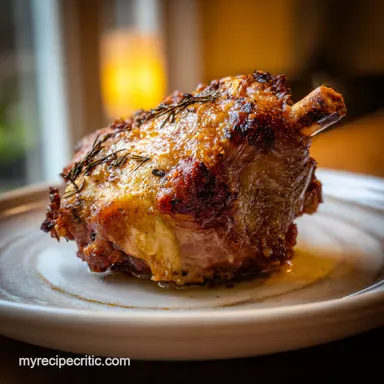
Managed Melt the Ultimate Slowcooked Duck Confit
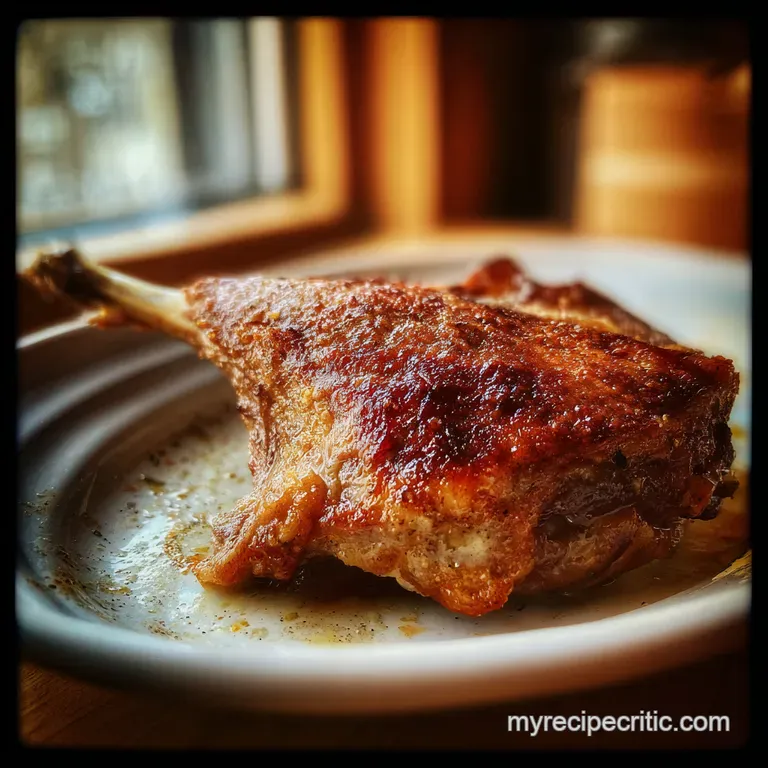
- Managed Melt: The Ultimate Slow-Cooked Duck Confit
- Why We Need to Be Bossy with the Temperature
- The Secret to Meltingly Tender Meat
- The Payoff: Achieving Crisp Duck Skin
- Gathering Your Gear and Golden Ingredients
- Getting Ready: Mastering Mise en Place
- Precision Slow Cooking: The Melt Down
- Your Confit Action Plan
- Pro Tips for Maximum Crunch
- Nailing the Finale: Tips for a Flawless Confit Feast
- Frequently Asked Questions
- 📝 Recipe Card
Managed Melt: The Ultimate Slow Cooked Duck Confit
Oh my gosh, I am so excited you’re here! Are you ready to tackle a recipe that requires a bit of culinary commitment but delivers pure, unadulterated excellence? I'm talking about the famous, the incredible, the Traditional Duck Confit recipe .
Honestly, for ages, I thought this was too fancy for my kitchen. But I learned the secret isn't wizardry; it's simply how precisely the heat is managed .
Duck Confit is the ultimate slow cooked dream.
Why We Need to Be Bossy with the Temperature
This recipe is a proper classic. It’s a super old-school French preservation method that comes from the southwest of France.
Before refrigerators existed, people had to keep meat good somehow, right? This process does exactly that! We start by curing duck legs in salt for a couple of days.
This is mandatory for flavour.
The real cooking magic happens next. It involves gently submerging the meat in fat and using a precise, low-temperature technique for hours.
The difficulty here isn't the skill, but the patience. We are aiming for precision slow cooking . If you don’t keep that fat perfectly steady, you boil the meat, and trust me, that makes me want to weep.
The Secret to Meltingly Tender Meat
We need total dedication to temperature controlled cooking for about four hours. This requires the best instant read thermometer for confit .
Seriously, don't even try this without one. But if you get this step right, the meat will be so tender it literally melts off the bone.
It's truly transcendent.
This beautiful dish uses four duck legs and is perfect for a special Sunday lunch. It’s rich, yes, but duck fat is actually high in monounsaturated fats.
Plus, cooking confit low and slow helps you render out and capture all that lovely, flavourful fat, which is liquid gold for making future roast potatoes.
We save every drop!
The Payoff: Achieving Crisp Duck Skin
The payoff for all that careful work? Unbelievably tender meat and skin so shattering crisp it’s better than any crackling you’ve ever had.
If you want a dinner that screams "I know what I’m doing," this is it. It demands a bit of your time, but honestly, the deep, earthy, savoury flavour is totally worth the effort.
Ready to grab that salt and get those legs curing? Let’s dive into the ingredients needed for this masterpiece!
Gathering Your Gear and Golden Ingredients
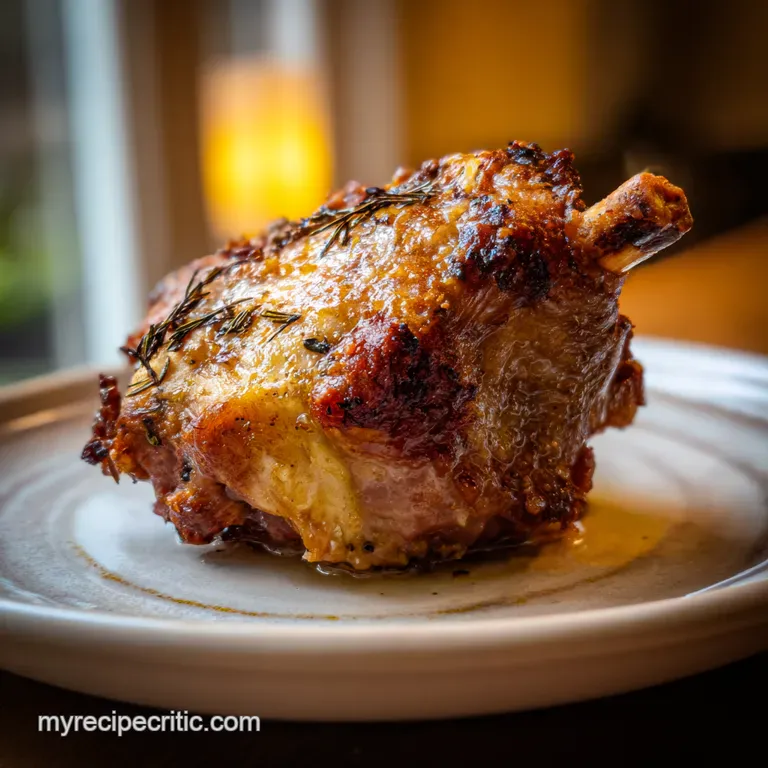
Right then, let’s talk gear and groceries for this proper treat. Honestly, the ingredients list isn't huge. The list is simple, but the quality truly matters.
We are diving into a Traditional Duck Confit recipe . This is the ultimate French preservation method . It’s old school and absolutely stunning.
The Essential Meat and Fat
The true stars of the show are the duck and the fat. We need four generously sized duck legs. Look for plump ones, weighing about 12 to 14 oz (350 400 g) each.
Scoring the skin lightly helps later. Then there is the duck fat. This is liquid gold! You will need enough about 4 cups (950 ml) to completely cover the legs later.
If you can’t buy rendered fat, you'll need to know How to render duck fat yourself first. It’s extra effort, but totally necessary for this low-temperature technique .
The Curing Magic
For the seasoning, we keep it classic and minimal. We rely heavily on coarse sea salt. You need about 3 Tbsp (45 g) of coarse salt for the cure.
A tiny bit of sugar helps balance the flavour profile. This mixture is vital for Curing duck legs . Don't skimp on the garlic, thyme, and bay leaves.
That combination makes the house smell incredible.
Pro-Tip: Make sure you rinse the legs really well after the curing time. I once left too much salt on and ended up with cured leather instead of tender meat. Disaster!
Non-Negotiable Equipment
This is where we stop messing about. To achieve that luscious, fall apart texture, we need Precision slow cooking . That requires serious heat control.
You will definitely need a deep, heavy pot. A 5-quart Dutch oven is perfect. But the most critical piece of kit? The thermometer.
Absolutely do not skip this. Get the Best instant read thermometer for confit you can find. It doesn’t need to be professional, just reliable.
I can't stress this enough.
For real Temperature controlled cooking , the fat temperature must be strictly managed . If you don't monitor it, the process fails.
We are aiming for the sweet spot: 190° F to 205° F ( 88° C to 96° C) . This low heat, when Cooking confit low and slow , is what breaks down the tissue and guarantees the incredible results especially later when you are Achieving crisp duck skin .
Getting Ready: Mastering Mise en Place
Right, so you’ve done the hard part you’ve cured your duck legs . Congrats! The rest is pure technique. This Traditional Duck Confit recipe is all about preparation.
Honestly, I once ruined a batch because I didn't dry the legs properly after rinsing. Rookie mistake, but one I won't let you make.
First up, safety! When handling all that gorgeous, rendered fat, keep little ones and pets away. Hot fat spits . Seriously, don't mess around.
Now, take those magnificent duck legs out of the fridge. Since you finished Curing duck legs , you must rinse off every bit of cure under cold water.
This stops the final product from being too salty. Use paper towels. Get them bone dry. That’s how you set yourself up for incredible crackle.
Precision Slow Cooking: The Melt Down
This is where the magic happens. We need Temperature controlled cooking . Grab your heavy pot. Gently melt the rendered duck fat on the hob.
Preheat your oven to a super low 225° F ( 107° C) .
Now, listen up: this step hinges on your Best instant read thermometer for confit . You must achieve Low-temperature technique . Place the pot of fat in the oven.
Wait until the fat settles consistently between 190° F and 205° F ( 88° C and 96° C) . If you see bubbles, it's too hot.
It is crucial this temperature is carefully managed . We want slow melting, not boiling.
Your Confit Action Plan
- Gently place the dried duck legs completely under the warm fat. They must be fully submerged.
- Maintain that low temperature. You are essentially doing Precision slow cooking . Check the fat every 30 minutes .
- Slow cook them for 3.5 to 4 hours .
- The meat is done when it’s utterly tender. The bone should wiggle freely when you give it a poke. This Cooking confit low and slow process transforms the texture.
- Carefully lift the legs out of the fat. Place them aside for the big finish!
Pro Tips for Maximum Crunch
This classic French preservation method is delicious, but everyone only cares about one thing: the skin.
The secret to Achieving crisp duck skin is high heat, fast. Scrape off the excess fat from the leg. Heat a skillet with just a tiny bit of the reserved fat until it shimmers.
Place the leg skin side down . Press lightly with a spatula. Cook for 5 to 8 minutes until it looks like mahogany wood.
Mistake to avoid? Trying to rush the confit. If you blast the heat, the meat will seize up and be tough.
Low and slow is the only way here, friends. Also, seriously strain and save that extra duck fat. It’s better than butter for roasting potatoes!
Nailing the Finale: Tips for a Flawless Confit Feast
Alright, you’ve put in the hours. You’ve mastered the quiet anxiety of temperature controlled cooking and successfully navigated the low-temperature technique .
Give yourself a huge pat on the back! But the journey isn't quite over. How you serve and store this magnificent Traditional Duck Confit recipe makes all the difference.
Plating the Prize: Serving Suggestions
The duck leg itself is a showstopper, especially after Achieving crisp duck skin . Don't overcomplicate the presentation. Keep it rustic and elegant.
I love placing the rich, bronzed leg right over a pile of proper pommes sarladaises . Oh my gosh, those potatoes, cooked in the same fat you used for the confit, are non-negotiable!
To balance that incredible richness, you need acid. I always serve a sharp, simple vinaigrette salad think mustard and red wine vinegar.
It cuts through the fat perfectly. For drinks, skip the delicate whites. Grab a big, sturdy red wine, maybe a Cabernet Franc.
Something with the backbone to stand up to the sheer decadence of this meal.
Keeping it Gold: Storage Tips
Remember, this technique started centuries ago as a French preservation method . This means storing your leftovers is super easy. If you don't eat all four legs (impossible, but let’s pretend), you must store them completely submerged under the strained duck fat.
This layer acts as a perfect seal.
I have managed to keep confit in the fridge for three weeks this way. To reheat, simply pull the leg out of the solidified fat.
Scrape off the excess. Then, and this is the vital bit: get a skillet raging hot with a touch of fresh duck fat.
Cook skin side down until you get that glorious, crackling sound. That sound is success!
Adapting and Tweaking: Variations
Because we had to do some serious curing duck legs with salt, those watching their sodium need to be careful.
The best dietary adaptation is being absolutely militant about rinsing the cure off the legs before you start the fat bath.
Rinse, rinse, rinse!
If you want a slight twist on flavour, I often add a couple of star anise pods to the fat while I'm doing the cooking confit low and slow .
It gives a lovely, almost Asian aromatic lift. It’s a nice alternative when the weather is cooler. This precision slow cooking method handles new seasonings beautifully.
The Bottom Line: Nutrition Basics
Let’s be honest: this is a celebratory dish. It’s rich, yes. But duck is also fantastic protein. By using a low-temperature technique , we ensure the meat stays incredibly succulent, meaning less moisture loss.
It’s satisfying, rich in flavour, and you definitely feel like you’re having a proper treat. Just remember: the quality of the ingredients is paramount.
You’ve completely nailed this sophisticated French classic. Go forth and enjoy the melt-in-your mouth magic. You deserve it!
Frequently Asked Questions
I’m a bit nervous about the low temperature. How do I keep the cooking process truly managed?
This is where the faff is absolutely worth it! Think of your oven as creating a gentle sauna, not a raging bonfire. A reliable instant read thermometer is non-negotiable for this recipe if the fat creeps above 215°F (102°C), you're effectively boiling the duck, which will make it tough.
Check the fat temperature every 30 minutes, especially during the first hour. If it's too high, don't panic; just open the oven door slightly for a minute or two to let some heat escape, or drop the oven temperature by 15°F until it settles back into that lovely 190°F 205°F sweet spot.
After curing the duck for 48 hours, will the final dish be too salty? Should I really rinse it off?
Absolutely, rinsing is crucial, or you’ll end up with meat saltier than a sailor's vocabulary! The curing salt has done its job of drawing out moisture and penetrating flavour, but the surface needs a quick wash to remove the residual mix.
Rinsing prevents that excess salt from being forced into the meat during the long cooking process. Just remember the golden rule: pat them bone dry immediately afterwards with kitchen paper, as any surface moisture will ruin your chances of achieving glorious, crisp skin later.
That’s a lot of duck fat! Can I reuse the leftover fat for other things?
Oh, definitely! That duck fat is liquid gold, mate, and should never go to waste. Once the confit is finished and the fat has cooled slightly, strain it carefully through a fine sieve or even a piece of muslin cloth to remove any cooking sediment or herbs.
Store the strained fat in an airtight container in the fridge it will last for months. Use it for the most unbelievably crisp roast potatoes you’ve ever had (Pommes Sarladaises, if you’re feeling proper French) or for sautéing mushrooms; it’s a true culinary game changer.
I want that proper crackling finish. How do I guarantee the skin gets perfectly crisp?
The secret to crackling skin relies on two things: dryness and high heat. After the long, slow confit process, the skin is soft, so you must remove it from the fat and scrape off any excess before finishing.
Heat a clean skillet with a splash of reserved duck fat until it is shimmering hot. Place the duck legs skin side down and don't touch them! Cook for a solid 5 to 8 minutes until the skin is deep golden brown and sounds crispy when tapped. A quick blast in the oven then ensures the meat is piping hot right to the bone.
This sounds incredibly rich. Are there any healthier tweaks or substitutions for the fat I can make?
It is certainly a decadent treat, but a little bit of what you fancy does you good! Confit is traditionally a high fat technique because the fat is essential for the gentle, controlled cooking that delivers the texture.
If duck fat is tricky to source or you're watching your saturated fats, high-quality rendered goose fat is the traditional alternative and works brilliantly. However, avoid lighter vegetable oils, as they lack the flavour and stability required for this deep, slow managed cook.
Serve it with a sharp, vinegary salad (like a Frisée aux Lardons) to cut through the richness beautifully.
Managed Melt The Ultimate Slowcooked Duck Confit