The Classic Sherry Trifle Recipe
Stop Custard Chaos! My Guide to the Managed Trifle
Oh, my gosh, are you ready for a truly proper pudding? Let's talk about the Classic British trifle recipe . Honestly, for years, I struggled with the custard base.
It was either thin, or it was scrambled eggs no in-between mess. I finally figured out the secret. This recipe shows you exactly how I managed to crack the code for silky smooth, rich custard.
This isn't just dessert; it's a statement. It’s the wobbly, glorious centrepiece of the table, usually wheeled out on Traditional Christmas Day pudding day.
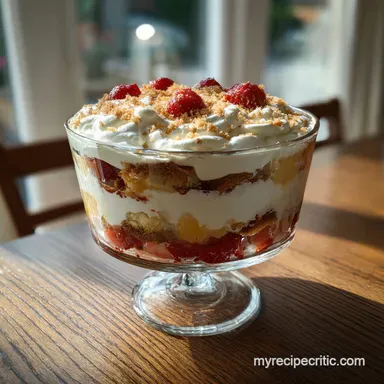
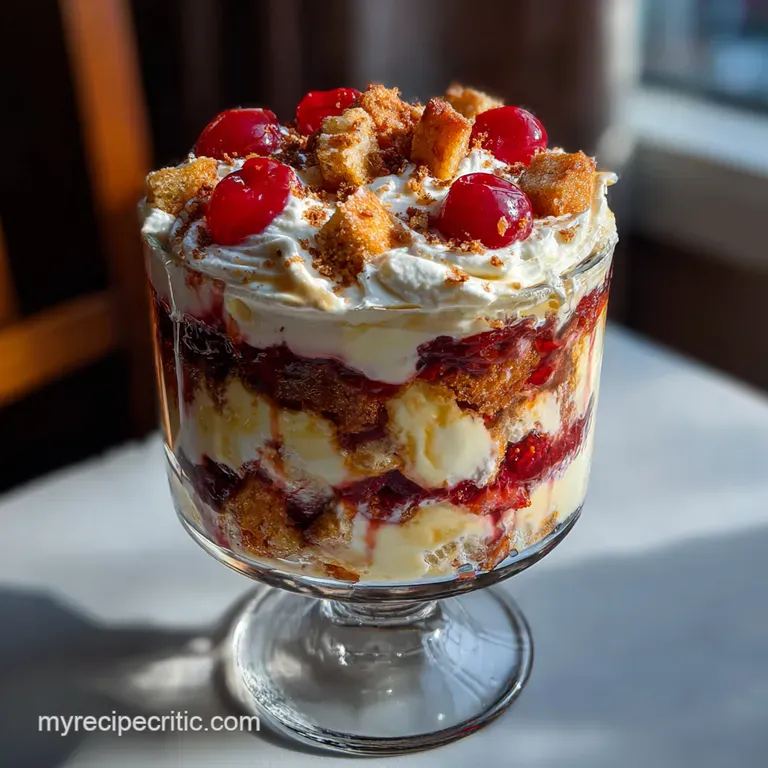
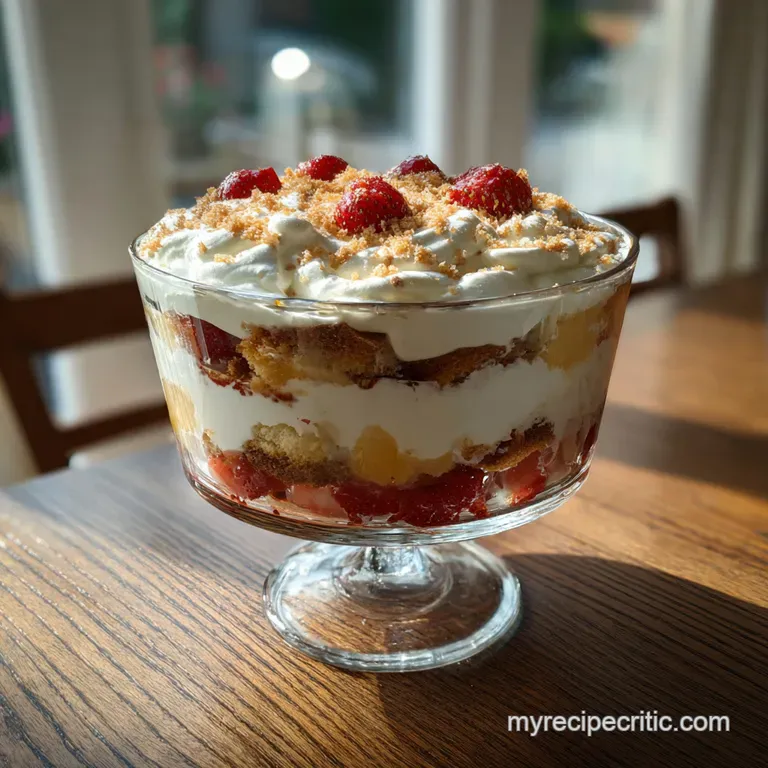
The whole point is achieving that beautiful, Perfectly layered sherry trifle look. We stack the sponge, fruit, that lush custard, and a cloud of cream on top.
This dessert is medium difficulty, if we are being honest. The assembly is actually dead simple. The real challenge is making the custard.
Making the Managed crème anglaise temperature perfect takes focus and patience. This is a Dessert recipe requiring precise technique , and that can sound scary.
But here is my biggest tip: Your Digital thermometer for making custard becomes your best mate. Seriously, don't skip it.
Trying to guess the temperature just ends in lumpy tragedy, and we want to know How to prevent custard from scrambling .
Why bother with the hassle? Because nothing beats a homemade trifle that actually works. We are focused on Controlling temperature when making custard so it’s velvety smooth.
Once it has had its strict Setting time for sherry trifle , usually overnight, you get that glorious, satisfying Mastering the sherry trifle wobble .
This pudding is rich, fruity, and absolutely decadent. It’s perfect for impressing guests, or honestly, just demolishing solo after a massive Sunday roast.
It carries that warm, comforting nostalgia. Now, let’s get into the simple things we need to build this masterpiece...
What You Need for that Perfect Layered Sherry Trifle
Right, let's talk essentials. Getting the right gear and ingredients is half the battle. This isn't just baking. It’s a Dessert recipe requiring precise technique .
We need to set ourselves up for success. We are aiming for that glorious, perfect wobbly structure.
Quality Counts: The Ingredients
Forget the low-fat substitutes here, honestly. This is a Traditional Christmas Day pudding . It must be indulgent.
You need good dairy. That means whole milk and thick Double Cream (480 ml / 2 cups). The fat content is key for both the custard and the topping.
The sherry is crucial for that deep flavour profile. It gives the whole thing soul! Use a sweet, decent quality sherry.
Please do not use that cheap cooking stuff. We need 120 ml (1/2 cup) of the good bottle. The quality will shine through.
For the base, grab 340 g (12 oz) of slightly stale pound cake. Stale works better than fresh, trust me.
It soaks up the sherry beautifully. That prevents a slushy mess at the bottom. We want a solid foundation for our Perfectly layered sherry trifle .
The Secret Flavour Layer
The real magic happens in the custard, or the Crème Anglaise . This flavour base needs proper vanilla. I always use Vanilla Bean Paste (5 ml / 1 tsp) .
It gives those little black specks of flavour.
If you are nervous about managing the eggs, sneak in a tablespoon of cornstarch (15 ml). It really helps stability.
It is an insurance policy. This little addition helps us understand How to prevent custard from scrambling . It keeps everything silky smooth.
Essential Equipment (The Control Tower)
You truly do not need much gear for this. A big, clear Trifle Bowl (2 litres / 8 cups) is essential. You must show off those beautiful layers!
But the most vital, non-negotiable tool? A Digital thermometer for making custard . Seriously, buy one now. Before I used one, I ruined countless batches.
The digital readout is how temperature is perfectly managed .
Controlling the Managed crème anglaise temperature is the key difference between silky custard and sweet scrambled eggs. We must monitor it closely.
The temperature cannot exceed 180° F ( 82° C) . This precise control is how we nail the perfect Classic British trifle recipe and guarantee that delightful Mastering the sherry trifle wobble after the correct Setting time for sherry trifle .
Getting Serious About Custard (The Trifle’s Secret Weapon)
Right, let's talk about the heart of any Classic British trifle recipe : the custard. It’s what truly defines the dessert.
Achieving that silky texture and a perfectly layered sherry trifle look all depends on this one step. Honestly, this part used to absolutely terrify me.
Getting the custard right is the difference between glorious success and sweet, disappointing egg soup. This whole dish, really, is a dessert recipe requiring precise technique .
Essential Prep: Setting Up for Success
Before you even touch the heat, organization is key. This isn't a scramble-it-together pudding; this is a serious operation if you want that perfect texture for your Traditional Christmas Day pudding .
First, your mise en place (everything in its place) is non-negotiable. Have your yolks whisked with the sugar, your vanilla ready, and the milk/cream measured.
Safety reminder: make sure your saucepan handle is turned away from the edge of the hob. That’s basic, but vital! Critically, grab your Digital thermometer for making custard .
Trust me, trying to guess the temperature is how disaster strikes.
Mastering the Crème Anglaise Temperature
The key to a beautiful custard lies entirely in how it is managed . We are making a delicate sauce, not scrambled eggs.
This is all about Controlling temperature when making custard slowly and patiently.
- Warm the Cream: Gently heat the milk, cream, and vanilla in a saucepan. Watch for small bubbles around the edge. Do not let it boil it should just be shivering.
- Temper the Eggs: Vigorously whisk your egg yolks and sugar until they are pale. Now, slowly and I mean slowly dribble about one-third of the hot cream into the egg mixture while whisking constantly. This is tempering; it raises the egg temperature without cooking them.
- Combine and Return: Pour the tempered egg mix back into the saucepan with the remaining cream.
- Slow Cook: Return the pan to a very low heat. If you’re nervous, use a double boiler (a bain marie) to diffuse the heat. The goal here is Managed crème anglaise temperature .
- Stir and Watch: Stir, stir, stir. Never stop. Use a rubber spatula to scrape the bottom edges constantly. This is how you prevent custard from scrambling .
- Hit the Mark: Watch that thermometer like a hawk! As soon as the mixture thickens slightly and coats the back of your spoon (the nappe stage), check the temp. Stop cooking instantly when it reaches 180° F ( 82° C) . Any hotter and you’ve cooked the protein too far.
Pro Tips for the Ultimate Trifle Wobble
Honestly, after all that temperature control, the waiting game is the hardest part. You’ve done the hard bit; now trust the process.
Make-ahead Option: This is essential. The custard needs to cool completely. Immediately pour it into a cold bowl and cover the surface directly with cling film.
Chill it for at least 1 hour before pouring it over your sherry soaked sponge base.
The secret to Mastering the sherry trifle wobble is the Setting time for sherry trifle . Once the custard is poured over the fruit and sponge, leave it alone.
I mean it. Do not peek. It needs a minimum of 3 hours but overnight is truly best. This allows the jelly and sherry flavours to mingle, and ensures that custard sets firm, giving you a beautiful structure when you finally dig in.
If you rush it, your magnificent dessert turns instantly sloppy!
Quick Notes on Nailing the Trifle (A Proper Pudding)
Showing Off Your Layers and the Wobble
Honestly, after all that hard work achieving that perfectly layered sherry trifle , you need to show it off! Always serve this beauty in a large, clear glass bowl.
Seriously. That’s why we bothered with the layers! Seeing that deep red raspberry layer under the creamy gold custard? Divine.
That Mastering the sherry trifle wobble is your badge of honour. If it wobbles slightly but holds its shape, you nailed it.
As for what to drink? If it’s a Traditional Christmas Day pudding , I always serve a sharp espresso. Or maybe a glass of Prosecco.
It cuts through the richness beautifully, you know?
How I Managed the Storage
The truly brilliant thing about this recipe is the waiting time. This dessert actually tastes better on day two! It gives the sherry and the fruit time to really mingle.
You can keep the trifle covered loosely in the fridge for up to three days.
But a word of warning: freezing is a hard no. The delicate cream breaks down. The sponge turns into a slushy mess.
Also, because we successfully managed the cooking of our homemade custard (instead of cheating with carton stuff!), quick chilling and proper storage are vital for safety.
The Setting time for sherry trifle isn't just about structure. It's about flavour melding. Don't rush it!
Swapping Ingredients Like a Pro
If you are whipping this up for friends who can’t have dairy, don't panic! You can swap the whole milk and cream for full fat coconut cream.
It gives it a slight tropical twist, but it still sets up thick.
This dessert recipe requiring precise technique is versatile. If raspberries aren’t in season, use tinned peaches or mandarins (well drained!). The bright colour looks amazing.
The Lowdown on Nutrition (My Take!)
Look, this is a pudding, not a health tonic. But hey, those raspberries give you Vitamin C, and the eggs we used when we managed crème anglaise temperature are full of protein! It’s comfort food, pure and simple.
My philosophy is, if you take the time to make a beautiful dessert like this if you’ve taken care Controlling temperature when making custard and assembling it carefully you deserve to enjoy every single bite.
It's food for the soul. That is my essential nutrition advice!
Enjoy this proper Classic British trifle recipe . You totally earned it.
Frequently Asked Questions
What is the secret to a perfectly managed custard that doesn't split?
The key to mastering the Crème Anglaise the true 'management' challenge of this dish is strict heat control. You must stir constantly and avoid letting the custard boil at all costs, or you'll end up with sweetened scrambled eggs, which is a culinary disaster!
A digital thermometer is your best friend here; stop cooking the mixture immediately when it hits 180°F (82°C) and pour it into a cool bowl to stop residual heat cooking the yolks further.
My trifle always ends up soggy and falls apart. How do I get those neat, glorious layers?
A collapsed trifle usually stems from rushing the chilling process, which means the custard hasn't set properly (the "wibble" factor is vital!). Firstly, use slightly stale sponge cake, as it absorbs the sherry perfectly without immediately turning to mush.
Secondly, ensure the custard layer is poured cold and allowed to set for a minimum of 4 hours, or ideally overnight, before you even think about adding the whipped cream layer.
This looks like a lot of work! Can I make this proper pudding a day or two in advance?
Absolutely, planning ahead is the proper way to approach a majestic dessert like Trifle! The dish benefits enormously from a full night in the fridge, allowing the sherry and fruit flavours to fully mingle and deepen.
However, always wait to whip the double cream and decorate until just before serving, as cream left sitting too long in the fridge tends to weep and lose its gorgeous texture.
I’m serving children or guests who don’t drink. Is there a non-alcoholic way to soak the sponge?
Of course! While sherry provides a lovely warmth, you can easily substitute it without losing flavour. Try using high-quality pressed apple juice, cold tea (like Earl Grey), or fresh orange juice.
The liquid is necessary for moistening the cake base, but ensure the cake is just damp, not swimming in liquid, to maintain the structural integrity of your finished trifle.
What is the difference between double cream and heavy cream for the topping?
It’s mainly down to fat content, which is key for a sturdy topping. British double cream has a very high milk fat percentage (around 48%), making it incredibly thick and stable once whipped.
US heavy cream is lighter (usually 36%), so while it works perfectly fine, your whipped topping might not hold its proud, lofty peaks for quite as long. Just remember not to over whip either!
The Classic Sherry Trifle Recipe