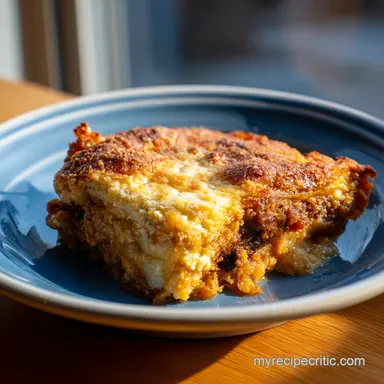
Achieving the Perfect Slice My Controlled Classic Moussaka
Goodbye Soggy Bottoms: Finally, a Moussaka You Can Actually Slice!
Oh my gosh, I remember the first time I tried to make proper Moussaka . It was a total disaster! It tasted incredible, obviously, but when I cut it, it just collapsed into a soupy puddle all over the plate.
Sound familiar? That’s why we’ve nailed down this controlled classic Moussaka recipe . This version has been carefully re-engineered so that every single component is meticulously managed for structural success.
This iconic dish is the ultimate Greek comfort food. It's a celebration of rich, spiced structured lamb ragu recipe and soft, earthy aubergine.
Don't worry, it isn't technically hard. But it does require attention to detail, especially when it comes to managing moisture control for moussaka .
We rate this recipe as medium difficulty because the required multi tasking and precision are crucial.
Why This Recipe Works
This is how you get achieving perfect sliceable Greek moussaka . You will need about two and a half hours of total time.
A lot of that time is hands off simmering and setting, though. It yields 6 great, generous portions, making it the perfect showstopper for a big Sunday dinner or a special occasion.
Honestly, the biggest secret here is avoiding soggy aubergines in casserole . Seriously. I used to skip the salting step because I was lazy, and every time, it failed.
Now I know that using the essential tips for draining eggplant is the difference between a sloppy plate and a structured triumph.
It’s all about that initial precision work before anything even hits the oven.
The Focus on Structure
What makes this recipe so special is the focus on structure. We heavily rely on the precision layering technique Greek cuisine demands.
This ensures the dish looks stunning and, more importantly, holds its shape. Also, because we cook the ragù down until it’s super thick it’s almost paste like the final result feels rich but not greasy.
This is truly how to make moussaka set firmly .
The final crown jewel is that creamy, golden Béchamel cap. I’ll walk you through the proper temperature management for Béchamel cap to keep it airy, creamy, and sliceable.
And yes, if you can't find the traditional Greek cheese, I have solid tips for great Kefalotyri cheese substitutions later on.
Ready to make a Moussaka that actually stands up proudly? Let's check out the ingredients!
The Foundation: Ingredients and How We Control the Outcome

Honestly, Moussaka ingredients aren't wildly complicated. You probably have half of this stuff lurking in your pantry right now. What sets a good moussaka apart is how you prepare those humble ingredients.
We are focusing on Managing moisture control for moussaka from the get-go. Think of this as laying a solid foundation for your culinary masterpiece!
Making Friends with the Aubergine (Eggplant)
The biggest challenge in this dish? Avoiding soggy aubergines in casserole . Trust me, I've had many a runny casserole disaster. These simple steps are the Essential tips for draining eggplant .
| Ingredient | US Customary | Metric | Quality Tip |
|---|---|---|---|
| Aubergine (Eggplant) | 2 large | 700g | Needs to be firm and shiny. |
| Coarse Sea Salt | 3 Tbsp | 45g | Don't use fine table salt here. |
| Ground Lamb | 1.5 lb | 680g | Use 80/20 mix for flavour. |
| Whole Milk (for Béchamel) | 3 cups | 720 ml | Use full fat, warmed slightly. |
The key to achieving perfect sliceable Greek moussaka is the salting phase. You need to draw out the bitter juices and the massive water content.
We've carefully managed the quality of the ingredients to start with the best possible flavour, but the prep is where the real work happens.
Seasoning Secrets for a Structured Ragù
The lamb layer is the engine of the dish. It needs to be rich and dry. When creating the Structured lamb ragu recipe , don't skimp on the cinnamon stick.
It’s non-negotiable Greek cuisine flavour.
- Essential Spices: Cinnamon (one stick), Dried Oregano (1 tsp), and Nutmeg (half a teaspoon, freshly grated in the Béchamel).
- Aromatics: Lots of garlic and red onion.
- The Wine: Deglazing with red wine (½ cup) adds huge depth. Make sure you cook it until it’s nearly gone. If the ragù is too wet, your layering efforts will be ruined, and you won't be able to make moussaka set firmly later.
Equipment & The Béchamel Cap
You don't need fancy tools, but a few things make life easier.
| Essential Tool | Common Alternative | Why we need it |
|---|---|---|
| 9 x 13 inch deep baking dish | Large roasting pan | Structure is everything! |
| Wire Rack | Stack of paper towels | Essential tips for draining eggplant faster. |
| Whisk | Fork/Spoon | For the crucial Béchamel. |
We also need hard cheese. For that golden, firm top layer and for excellent Temperature management for Béchamel cap , you need something hard and salty.
If you can't find Kefalotyri cheese substitutions, go for aged Parmesan or Pecorino Romano. They melt well and give that sharp, salty kick that cuts through the creamy sauce.
Trust me, paying attention to these small details leads to a Controlled classic Moussaka recipe .
Getting Started: The Secret to Structure
Honestly, the difference between great moussaka and soggy mush is one thing: control. You have to be a little bossy with your ingredients! My first attempt looked more like an aubergine stew.
Never again! Now, I start with Managing moisture control for moussaka from the jump.
Prep: Essential Tips for Draining Eggplant
Before you even think about the stove, let's drain the aubergines. This is non-negotiable for Avoiding soggy aubergines in casserole .
Slice the vegetables about a quarter inch thick. Lay them out on a wire rack. Don't be shy; sprinkle them heavily with coarse salt.
This draws out the bitter liquid. Leave them for 30 minutes to weep. Wipe every slice bone dry afterward.
Seriously, use a clean kitchen towel and press hard. You have successfully extracted the enemy moisture!
Building the Base: Structured Lamb Ragu
We are making a robust foundation, not a soup. We need a Structured lamb ragu recipe .
- Brown the Lamb: Brown your 1.5 lb of lamb thoroughly. Drain every drop of fat. You want the meat dry.
- Reduce Hard: Add the wine and scrape up those tasty brown bits. Cook until the wine is almost totally gone .
- Simmer Tight: Stir in the tomatoes and seasoning. Simmer this mixture uncovered for 20 minutes . The goal? The sauce should be so thick that when you drag a spoon through it, you see the bottom of the pot. Too wet, and the whole dish collapses!
Precision Layering and the Crown
Now for the assembly. This Precision layering technique Greek cuisine is vital for stability.
- Base Layer: Line the dish with your par-cooked potato slices.
- Ragù: Spread the thick, structured lamb ragu recipe over the potatoes. Keep the layer even.
- Aubergine: Layer the browned aubergine slices neatly over the meat.
Achieving Perfect Sliceable Greek Moussaka
The top needs to be a sturdy, delicious cap. This requires careful Temperature management for Béchamel cap . When making your Béchamel, remember the egg yolks only go in after the sauce has come off the heat and cooled slightly.
This ensures richness and helps the sauce set firmly, without scrambling the eggs. If you are looking for Kefalotyri cheese substitutions , strong mature cheddar or grated Parmesan work just fine!
Bake the assembled dish at 375° F ( 190° C) for 45 minutes .
The Crucial Rest: How to Make Moussaka Set Firmly
Here's the final pro-tip. This is how you guarantee success. Once it’s golden brown, take it out. Do not, I repeat, do NOT cut it right away! The Moussaka must rest for a minimum of 30 minutes .
This cooling time allows the fat, the liquid, and the Béchamel to settle. This final step ensures you have perfectly managed the dish, resulting in a beautiful, Achieving perfect sliceable Greek moussaka you can serve with pride!
Your Greek Everest: Essential Finishing Notes
Honestly, after all that brilliant work managing moisture control for moussaka and achieving that precision layering technique Greek cuisine demands you deserve the perfect finish! This isn't just dinner; it’s an absolute masterpiece.
I promise you, the effort of creating this controlled classic Moussaka recipe pays off big time.
Plating & Pairing: The Perfect Slice
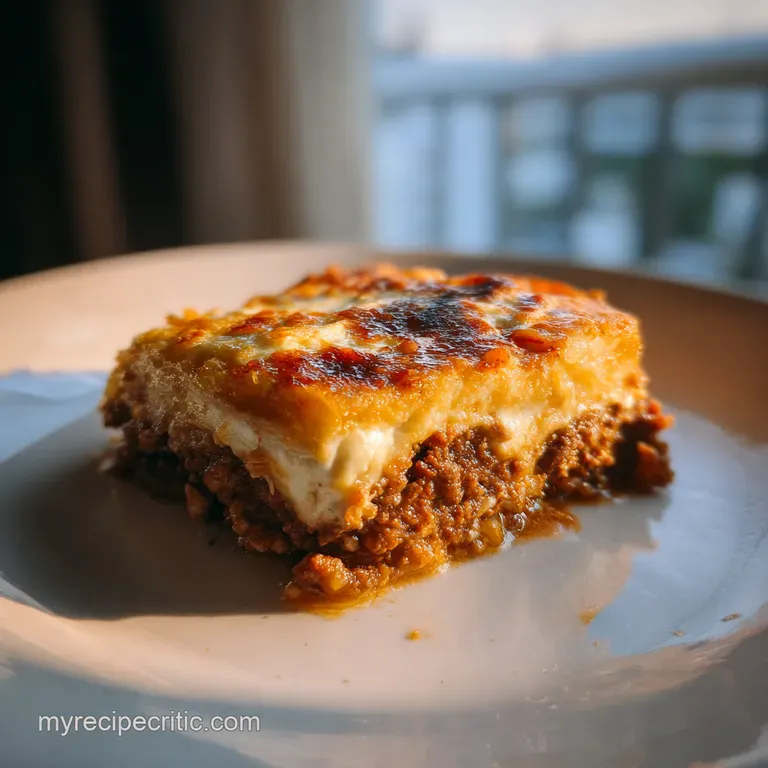
Let’s talk presentation. Remember that long, compulsory rest period? That’s what ensures you get an achieving perfect sliceable Greek moussaka .
Treat it like a proper Sunday roast centrepiece. Slice it into squares and gently lift it out. It should hold its structure perfectly!
Because Moussaka is so rich, you need something fresh to cut through it. Don't overthink it. A simple side salad, maybe rocket and lemon dressing, is all you need.
I always serve it with a big dollop of proper strained Greek yogurt. It adds a lovely, cool contrast. For the ultimate pairing, grab a robust red wine.
I once heard a sommelier say Moussaka needs a "mountain wine," which I always thought sounded terribly dramatic but totally fitting!
Storage Secrets: Avoiding Soggy Leftovers
The good news is Moussaka is brilliant leftover food. In fact, many people (myself included!) think it tastes even better the next day, once the flavours have really snuggled together.
Because we carefully managed the liquid content in the structured lamb ragu recipe and followed the essential tips for draining eggplant , you shouldn't have any issue with a watery base.
For storage, cover the cooled dish tightly and refrigerate it for up to four days. If you want to freeze it, I suggest freezing it before you bake it, right after you pour on the Béchamel.
Thaw it overnight and then bake as instructed. To reheat, don’t blast it! Bake slices slowly at 300° F ( 150° C) until piping hot all the way through.
This helps maintain that firm, lovely structure.
Smart Swaps & Adaptations
Sometimes you just can’t find that perfect Greek cheese, right? If Kefalotyri cheese substitutions are on your mind, go for grated Parmesan or Pecorino Romano.
They both offer that salty, nutty punch we need for the temperature management for Béchamel cap to set beautifully.
If you are cooking for a veggie friend, swapping the lamb for a mixture of lentils and finely diced mushrooms works wonders.
Just remember: cook those mushrooms until every drop of liquid has evaporated! This is still key to avoiding soggy aubergines in casserole .
Oh, and a seasonal twist? In autumn, I sometimes put a thin layer of sweet potato slices under the aubergine for a slightly sweeter base.
Quick Nutrition Basics
Yes, Moussaka is hearty it’s a complete meal in one dish! But it's packed with protein from the lamb and milk, which keeps you feeling full and satisfied for ages.
Plus, aubergine and potatoes bring in some good fibre. It’s comforting food that truly fuels you up. Every layer serves a purpose!
Go on, enjoy the fruits of your labour. You didn't just cook dinner; you successfully managed an incredibly complex dish. Proper job!
Frequently Asked Questions
Why is this recipe called "managed" Moussaka? I usually just chuck the ingredients in a dish.
The term "managed" refers to the meticulous control over moisture and temperature the key difference between a wobbly casserole and Sunday dinner royalty! By managing the moisture content in the aubergines through salting, and reducing the lamb ragù until it’s almost paste like, we ensure the layers hold their structure when sliced.
It stops that dreaded watery seep that gives you a soggy bottom!
This looks like a Sunday marathon. Can I make the ragù and Béchamel ahead of time?
Absolutely, prepping ahead is an absolute game changer for a dish this complex. The lamb ragù is perfect for making 1 2 days in advance, as the flavours actually deepen overnight; just keep it covered in the fridge.
The Béchamel, however, is best made just before assembly, as chilled sauces tend to thicken and won't pour or spread smoothly, which might crack the finished cap.
My Moussaka always ends up a watery, sloppy mess. What’s the secret to getting clean, firm slices in this managed Moussaka?
The secret is patience, my friend. The two most critical steps are ensuring the aubergines are properly drained and the final baked dish is rested. You must allow the Moussaka to cool and settle for at least 30 minutes after it leaves the oven this allows the starches and fats to set.
Try slicing too early, and all your hard work keeping the moisture managed will be undone!
I’m trying to cut down on red meat. Can I swap the lamb for something lighter in the ragù?
Certainly! If lamb isn't your cup of tea, you can easily substitute it with ground beef, or if you want to keep things lighter, a mixture of turkey and finely diced mushrooms works wonderfully.
Be warned that leaner meats need far more seasoning and possibly an extra tablespoon of olive oil to compensate for the loss of richness. For a vegetarian option, follow the recipe's suggestion to use cooked green lentils and sautéed mushrooms.
Can I freeze leftovers, or will the Béchamel go grainy?
Moussaka freezes very well! The best way to store it is to freeze the whole dish, unbaked, which keeps everything shipshape for up to three months. If you are freezing cooked leftovers, the Béchamel may lose some of its creamy smoothness and become slightly chalky upon thawing due to the dairy content.
To reheat cooked portions, thaw overnight and warm gently in a moderate oven (350°F/175°C) until piping hot.
Achieving The Perfect Slice My Controlled Classi