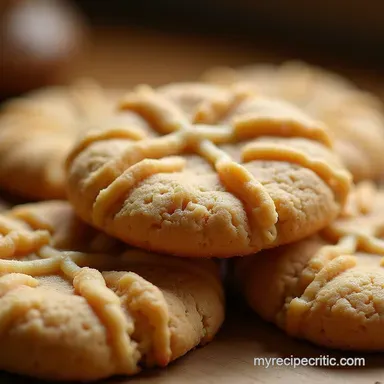
The Ultimate Crisscross Soft Chewy Peanut Butter Cookies
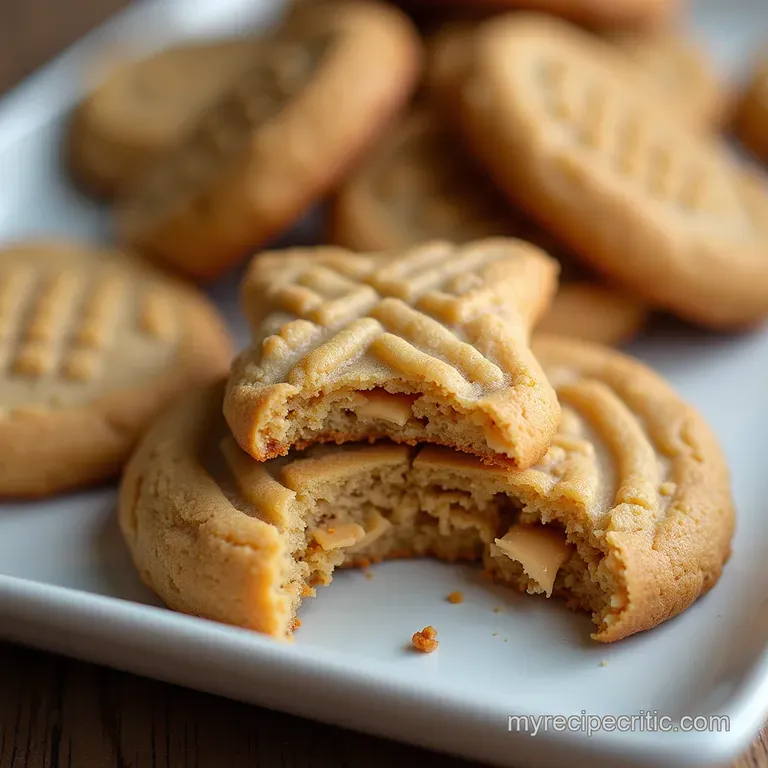
Unveiling the Benchmark for Classic Peanut Butter Cookies
As an expert baker whose kitchen has seen countless batches of dough rise and set, I can confidently say that certain recipes transcend trends and achieve true classic status. Among these beloved staples, the Peanut Butter Cookies reign supreme.
There’s an almost primal satisfaction derived from the aroma of roasting peanuts mingling with baking sugar, a scent that instantly teleports you back to childhood comfort. Forget those dry, lackluster versions; we are creating something that hits that perfect equilibrium: intensely nutty, sweetly balanced, and possessing a texture that truly sings.
This isn't just another recipe; this is the blueprint for achieving the Best Peanut Butter Cookies you’ve ever tasted, focusing specifically on achieving that magical combination of a crisp edge yielding to a wonderfully gooey core.
The Quest for the Perfect Salty Sweet Sensation
The magic behind any exceptional cookie lies in understanding its structure. For these Chewy Peanut Butter Cookies , we are consciously leveraging specific ingredients namely brown sugar to maximize moisture retention, ensuring they stay delightfully soft long after they’ve cooled.
The goal is to balance the inherent saltiness of the peanut butter with the sweetness of the sugars, resulting in a profoundly satisfying salty sweet dynamic that keeps you coming back for just one more.
This foundational structure is what sets superior Homemade Peanut Butter Cookies apart from the average offering.
Why This Criss Cross Method Defines Superior Baking
The iconic fork pressed pattern isn't just for aesthetics; it serves a crucial functional purpose when aiming for a Soft Peanut Butter Cookie . By flattening the dough balls, you increase the surface area exposed to heat, encouraging the edges to set quickly while trapping moisture within the thicker centre.
On top of that,, the initial press ensures that the dense Peanut Butter Cookie Dough bakes evenly without cracking excessively. It’s a time honoured technique that guarantees both structure and texture.
A Nostalgic Nod to Britain's Favourite Biscuit
While the American love affair with peanut butter is legendary, the foundational drop cookie concept owes a debt to traditional British biscuits sturdy yet satisfying, designed perfectly for dunking into a hot beverage.
We honour this heritage by ensuring our recipe is robust enough to hold its own alongside a strong cup of tea, yet tender enough to melt in the mouth. These are robust cookies, built for lingering enjoyment.
Decoding the Ideal Texture: Crisp Edges, Gooey Core
To achieve this highly sought after textural duality, timing in the oven is everything. We bake these cookies until the edges are just set and lightly golden, understanding that the residual heat retained by the baking sheet will continue the cooking process.
This slightly underbaked approach in the oven is the secret sauce for maintaining that delightfully chewy interior, preventing the cookies from turning into brittle crackers.
Related Recipes Worth Trying
- The Definitive Chewy Peanut Butter Cookies Recipe Thick Salty — This easy Peanut Butter Cookies Recipe delivers the best chewy texture imaginable A thick deeply nutty and foolproof homemade classic
- Easy Honey Butter Skillet Corn Recipe 17 Mins — This easy skillet corn recipe delivers charred nutty sweetcorn glazed in honey butter The best corn side dishes for your next BBQ
- The Ultimate Golden Crunch Garlic Butter Roasted Potatoes — Learn the proper job technique for utterly crisp Garlic Butter Roasted Potatoes Our secret ingredient guarantees a fluffy inside and shatteringly crisp exterior
Gathering Your Arsenal: Essential Components for Success
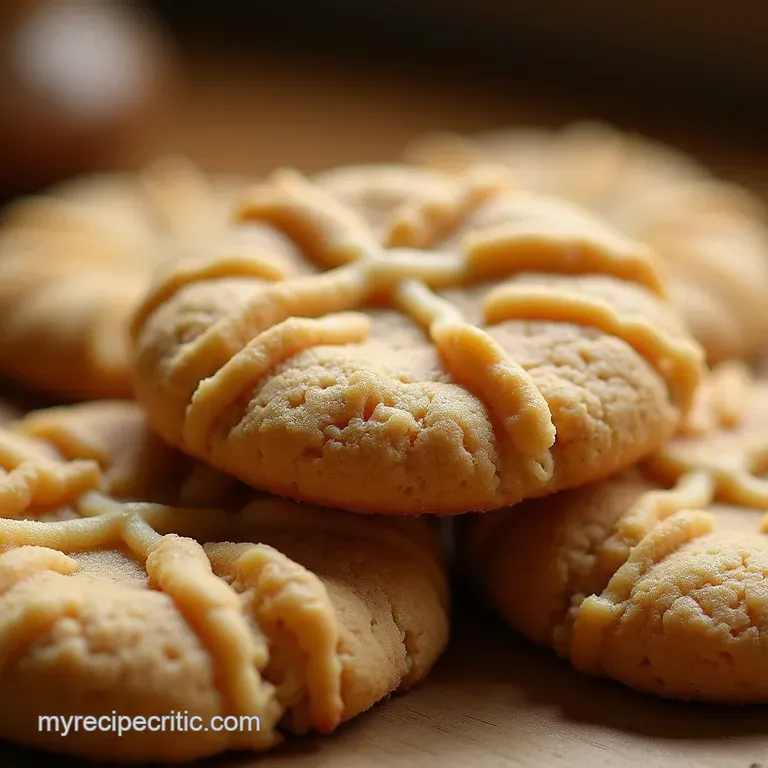
Creating the Best Peanut Butter Cookies starts long before you turn on the mixer. Selecting the right raw materials is non-negotiable if you want to master this recipe. Success hinges on the quality and type of the fat and flavour carriers you introduce to the mix.
Selecting the Best Peanut Butter for Intense Flavour
This is perhaps the most important call you will make. While artisanal, natural peanut butters are wonderful for toast, they contain separated oils that can cause your cookies to spread far too thin and become greasy.
For the ultimate predictable texture and intense flavour profile in this recipe, opt for a standard, shelf stable, homogenized creamy peanut butter. This consistency ensures the dough holds its shape beautifully during chilling and baking, locking in that deep roasted nut flavour.
Precision Measurement: Dry Versus Wet Components
When dealing with flour based baking, accuracy ensures structural integrity. We need exactly 1 ½ cups of all-purpose flour, best measured by gently spooning it into your measuring cup and leveling it off, rather than scooping directly from the bag, which compacts the flour excessively.
Conversely, the wet ingredients especially the butter and peanut butter must be perfectly softened but not melted, allowing them to emulsify correctly with the sugars during the creaming process.
Must Have Equipment for Flawless Batch Preparation
While you could technically make this by hand, a stand mixer or even a reliable hand mixer is highly recommended for the initial creaming phase. This process incorporates vital air, providing lift to the final product.
Beyond the mixer, a standard 1.5-tablespoon cookie scoop is your best friend for creating uniform balls, which guarantees that every cookie in the batch bakes at the same rate.
Mastering the Mix: step-by-step Assembly Guide
This Peanut Butter Cookies Recipe utilizes the standard creaming method, which is foundational to achieving a light, yet sturdy, final bake. The process is methodical, moving from aeration to emulsification, and finally, to binding the dry structure.
Creaming Butter and Sugar: The Foundation of Lift
Begin by beating the softened unsalted butter together with both the light brown sugar (essential for that signature chewiness) and the granulated sugar. Cream them together for a solid three minutes on medium speed. You are looking for a pale, visibly fluffy mixture.
This aeration step is critical; the air trapped here acts as a chemical leavening agent, contributing significantly to the lift of your Easy Peanut Butter Cookies .
Incorporating the Peanut Butter: Achieving Homogeneity
Once the butter and sugars are light, introduce the peanut butter. Beat until the mixture is fully homogenous and smooth. Next, incorporate the single large egg and the vanilla extract.
It is vital to mix only until these wet elements are just combined before moving on, as overmixing at this stage develops excess gluten later on.
Executing the Signature Crosshatch Markings
After whisking your dry components flour, baking soda, and salt together separately, gradually add them to the wet base on low speed. Stop the mixer the moment the last streak of flour disappears. Then, portion the resulting Peanut Butter Cookie Dough into even balls.
Before baking, place them onto your lined sheets and use a dinner fork to press down once vertically, then a second time horizontally to create the signature criss cross.
Cooling Tactics: Ensuring Structural Integrity Post Oven
Do not rush the cooling! The cookies are fragile right out of the 350° F ( 175° C) heat. Allowing them to rest on the warm baking sheet for a full five minutes permits the soft centres to firm up sufficiently enough to handle being moved.
Transferring them too soon will result in collapse. They finish cooling completely on a wire rack, setting up that desired textural contrast.
Elevating Your Batch: Advanced Baker's Secrets
Once you've mastered the basic technique, you can begin to fine tune your creations. Bakers who seek perfection often employ subtle adjustments that push their Peanut Butter Cookies from "great" to "unforgettable."
Creative Twists: Integrating Chocolate Chips or Flaky Salt
For those who find the intense peanut flavour needs a counterpoint, folding in semi sweet chocolate chips is a popular move, transforming them into exceptional Peanut Butter Cookies with Chocolate Chips .
Another simple yet dramatic elevation is finishing with a tiny sprinkle of flaky sea salt immediately after they exit the oven. This enhances the sweetness while amplifying the nuttiness, a true professional touch.
Deciphering Dough Temperature: The Chill vs. No-Chill Debate
While I strongly recommend chilling the Peanut Butter Cookie Dough for at least 30 minutes to prevent excessive spreading, it is possible to skip this step if you are in a hurry.
If you opt for the no-chill method, be aware that your cookies will likely spread thinner and bake faster (aim for 8- 9 minutes). For the guaranteed soft, thick result, the chill is the key to successful Peanut Butter Cookies No Eggs alternatives, too, as it helps stabilize the structure even when using binders other than eggs.
Optimal Storage Solutions for Sustained Freshness
To maintain the soft, chewy texture of these Easy Peanut Butter Cookies , airtight storage is crucial. Keep them in a sealed container at room temperature for up to five days.
If you manage to have any left over (unlikely, I know!), they freeze beautifully for up to three months; just ensure they are fully cooled before wrapping securely.
Nutritional Snapshot of These Irresistible Treats
While these rich cookies are undoubtedly an indulgence, understanding their profile helps in moderation. Generally, a cookie of this size yields around 170 190 calories, dominated by fats and carbohydrates derived from the sugars and peanut butter.
They offer a decent protein boost relative to a standard sugar cookie, thanks to the nuts, making them slightly more satisfying per bite.
Recipe FAQs
Why do my Peanut Butter Cookies spread out into thin, greasy discs when baking?
This is usually down to one of two culprits: either the fat in your dough was too soft, or you skipped the chilling stage. Always ensure your butter is softened but not melted, and definitely chill the dough for the full 30 minutes it’s crucial for structure, keeping them chunky rather than flat, like a collapsed soufflé!
What is the secret to getting that perfect soft and chewy texture inside?
It comes down to managing the sugars and knowing when to stop the heat. Using brown sugar over white adds necessary moisture for chewiness, but the real trick is slightly underbaking them.
Pull them out when the centre still looks slightly puffy; they’ll firm up on the hot tray outside the oven, guaranteeing that desired soft bite.
Can I use natural, runny peanut butter instead of the standard kind in this recipe?
Honestly, I’d steer clear of the natural, runny kind for these cookies. They have too much separated oil, which messes with the dough structure and leads to excessive spreading, as mentioned above. Stick to the standard, shelf stable variety where the oils are emulsified for the best, most reliable results.
How long do these Peanut Butter Cookies keep, and what's the best way to store them?
These cookies keep brilliantly, provided you store them correctly! Keep them in an airtight container at room temperature; they should stay fresh for a good week, though they rarely last that long.
If you want them soft for longer, place a small slice of bread in the container it keeps the air moist around the biscuits.
Do I really need to make the criss cross pattern with the fork?
Not strictly necessary for taste, no, but the criss cross is iconic for a reason! It helps flatten the dough balls evenly so they cook through properly without having puffy middles. If you skip it, the cookies will be puffier, so you might need to bake them for an extra minute or two to ensure they aren't raw inside.
Can I use baking powder instead of baking soda (bicarbonate of soda)?
I strongly advise sticking to baking soda here, as it reacts perfectly with the acidity in the brown sugar to give you that traditional lift and texture. Baking powder is double acting and might cause the cookies to rise too much initially and then collapse.
If you must substitute, use half the amount of baking powder suggested for the soda, but expect a slight difference in spread and texture.
Soft Chewy Pb Cookies