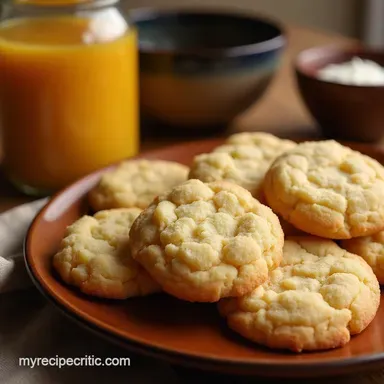
The Proper Pull Bakerystyle Chewy Sugar Cookies
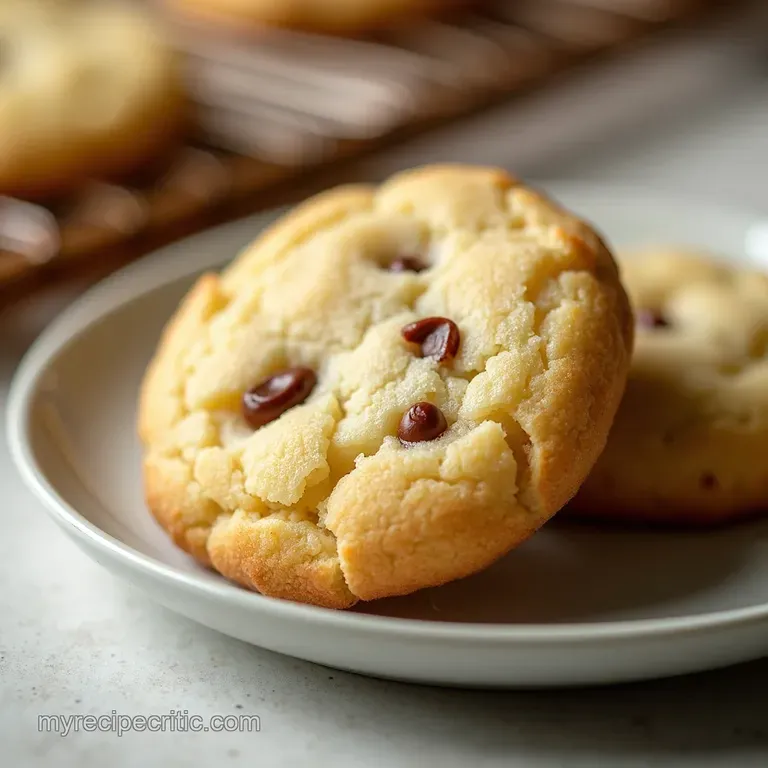
- Unlocking the Secret to the Perfect Doughy Bite
- Why This Recipe Dominates the Cookie Landscape
- Assembling Your Essential Components for Superior Chewiness
- The Step-by-Step Method for Achieving Maximum Dough Density
- Troubleshooting & Advanced Techniques for Cookie Perfection
- Frequently Asked Questions
- 📝 Recipe Card
Unlocking the Secret to the Perfect Doughy Bite
There are cookies, and then there are Chewy Sugar Cookies . The difference between the two often boils down to a few precise techniques that elevate a simple bake into a truly memorable dessert experience. If your past attempts have resulted in flat discs or dry, crumbly disappointments, take heart.
We are about to embark on creating what I confidently call the "Proper Pull" recipe a cookie so perfectly textured, you'll wonder why you ever settled for anything less. This journey isn't about complexity; it's about understanding the role each ingredient plays in achieving that sublime, yielding center.
Why This Recipe Dominates the Cookie Landscape
The pursuit of the ultimate soft, fluffy cookies is a noble one. In the world of baked goods, texture is king, and for a sugar cookie, that texture should offer a satisfying resistance without breaking apart.
This recipe focuses intently on moisture retention and structure stabilization, ensuring that every bite delivers on the promise of chewiness.
Farewell to Crumbly Disappointment: Our Chewy Sugar Cookies Promise
We are explicitly moving away from recipes that lean too heavily on granulated sugar and too little on brown sugar. That lighter, almost crystalline texture achieved by relying solely on white sugar is the enemy of chew.
By implementing the correct ratio of moist, molasses rich brown sugar, we introduce hygroscopic elements that actively draw in and hold moisture during and after the bake. This commitment ensures that even two days later, these cookies maintain their delightful pliability.
The Chef’s Vision: Texture Over Everything Else
My primary goal with these Chewy Sugar Cookies recipe is creating a cookie that pulls apart gently rather than snapping. This requires careful handling of the leavening agents. Notably, we rely on a specific, small amount of baking soda balanced by the acidity of cream of tartar.
This chemical pairing yields a cookie that spreads just enough to achieve a desirable thinness without becoming a lace like wafer, promoting that essential dense, chewy core.
Setting Expectations for Bakery Grade Results at Home
Achieving truly bakery grade results at home is entirely feasible, provided you respect the science of baking. This recipe, requiring only 20 minutes of active prep time, yields approximately 24 medium cookies.
The difficulty level is listed as easy, but success hinges on adherence to the chilling protocols detailed later. If you follow these guidelines, you will produce soft, fluffy cookies that rival any gourmet shop, providing something sweet and easy to make that feels incredibly luxurious.
Related Recipes Worth Trying
- Laura Bushs Cowboy Cookies Chewy Chunky Texas Treasure — Grab the original Laura Bush Cowboy Cookies recipe These are the best cowboy cookie recipe packed with oats pecans and chocolate chips for ultimate chewiness
- The Best Chewy Cowboy Cookies Recipe With Coconut Pecans — Craving a seriously satisfying bake This homemade Cowboy Cookies recipe delivers robust texture thanks to oats chocolate and nuts Find out why chilling the...
- Authentic Scottish Shortbread Cookies Recipe Buttery Perfection — Learn the secret to good shortbread with this easy Scottish Shortbread Cookies recipe Master the 321 rule for unbelievably crumbly rich results
Assembling Your Essential Components for Superior Chewiness
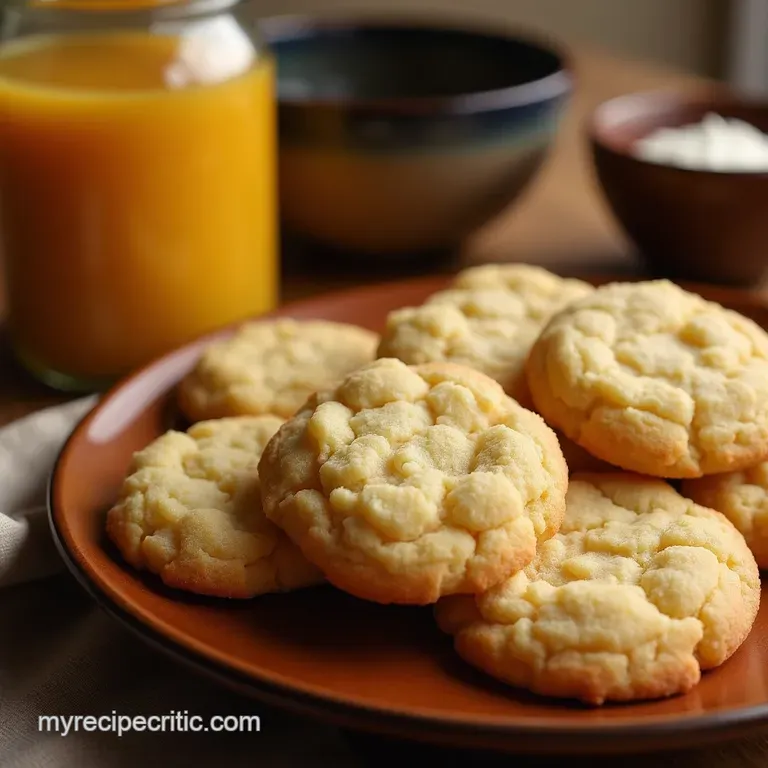
Before we even think about turning on the mixer, gathering and preparing our ingredients correctly is half the battle won. The quality and temperature of these foundational elements dictate the final structure of your cookie dough.
Butter vs. Margarine: The Fat Content Factor Explained
For the rich flavour and the perfect melt-in-your mouth quality, unsalted butter is the undisputed champion here. You need 1 cup (two full sticks) of butter, and it must be properly softened not melted, but pliable enough for your fingertip to indent easily.
Butter provides essential structure and flavour compounds that margarine simply cannot replicate. Using margarine often leads to cookies that spread too quickly and result in melting cookies rather than perfectly formed discs.
Flour Foundations: Measuring Techniques That Prevent Dryness
The most common mistake leading to dry cookies is inaccurate flour measurement. You should never scoop flour directly from the bag with your measuring cup, as this compacts it, leading to far too much flour in the batter.
Instead, use the 'spoon and level' method: lightly spoon the flour into your measuring cup until overflowing, then use the straight edge of a knife to level off the top. We are calling for 3 cups of All-Purpose Flour, and precise measurement here prevents the dreaded dry texture.
Essential Aromatics: Vanilla and Salt Ratios That Pop
We incorporate 2 teaspoons of pure vanilla extract, ensuring that classic, comforting flavour profile shines through. But equally important is the salt. At 1/2 teaspoon of fine sea salt, this ingredient works diligently to balance the significant amount of sugar.
It prevents the flavour from being overwhelmingly sweet and enhances the depth of the butter and vanilla notes in these Best Homemade Sugar Cookies .
The step-by-step Method for Achieving Maximum Dough Density
Once your ingredients are prepped, the mixing process must be deliberate to ensure we don't introduce excess air or overdevelop gluten, both of which sabotage the chew factor.
Creaming Mechanics: Why Air Incorporation Matters Now
The mixing begins by beating 1 cup of granulated sugar, 1/2 cup of packed light brown sugar, and the softened butter in your stand mixer. This initial stage, known as creaming, should last about 3 to 4 minutes. You are looking for a mixture that lightens in colour and becomes visibly fluffy.
This process incorporates some air, which helps with lift, but we must be careful not to whip for too long, as that introduces too much air, resulting in a cakey, rather than chewy, texture.
After the sugars and butter are lightened, beat in the 2 large eggs one at a time, followed by the 2 teaspoons of vanilla.
Next, we prepare the dry components: 3 cups of all-purpose flour, 1 teaspoon of baking soda, 1/2 teaspoon of cream of tartar (essential for that slight tang often found in chewy sugar cookies with almond extract , even though we are focusing on vanilla here), and 1/2 teaspoon of salt.
Whisk these together thoroughly in a separate bowl. Finally, add the dry ingredients to the wet mixture gradually, mixing only on the lowest speed until just combined. Stop the mixer the moment you no longer see significant streaks of flour.
Overmixing at this stage develops gluten, leading directly to tough cookies.
Chilling Protocols: Non-Negotiable Downtime for Chewy Sugar Cookies
This is perhaps the most critical step for creating authentic Chewy Sugar Cookies . After mixing, flatten the dough disc slightly, wrap it tightly in plastic wrap, and chill it for a minimum of one hour. I strongly recommend two hours.
Chilling achieves two main things: it solidifies the fat (butter), which slows down spread in the oven, and it allows the flour to fully hydrate, leading to a denser, chewier final product.
Don't try to rush this; patience here is the difference between a standard cookie and truly remarkable Chewy Sugar Cookies with sprinkles or frosting.
Baking Mastery: Temperature Control for That Ideal Pull
Preheat your oven to 350° F ( 175° C) and line your baking sheets with parchment paper or silicone mats. Scoop the chilled dough using a medium cookie scoop (about 1.5 tablespoons per ball).
If you desire a slight exterior crunch, you can roll the dough balls lightly in extra granulated sugar before placing them two inches apart on the sheet.
The Bake Test: Identifying Peak Readiness Before Overcooking
Bake the cookies for 9 to 11 minutes. Because we are seeking chewiness, you must pull them out when the edges look set and just barely golden, but the centres still appear slightly soft, puffed, and perhaps even a little underdone.
This is the secret to avoiding Melting Cookies that are cooked through.
Cooling Curves: Setting the Structure Post Oven
Resist the urge to move the cookies immediately! Let them rest directly on the hot baking sheet for 5 minutes. During this time, the residual heat gently finishes the centre setting process without drying them out.
After 5 minutes, transfer them carefully to a wire rack to cool completely. If you plan on adding chewy sugar cookies with frosting , ensure they are entirely cooled before decorating.
Troubleshooting & Advanced Techniques for Cookie Perfection
Even with a perfected recipe, questions arise. Knowing how to adjust your dough density and flavour profile ensures you can adapt this recipe to any situation.
Secrets to Preventing Spreading: Adjusting Your Dough Density
If your cookies consistently spread too thin, your dough likely wasn't chilled long enough, or your butter was too warm during mixing. In future bakes, chill the dough for the full two hours.
If you are baking on a very warm day, consider chilling the scooped dough balls on the tray for an additional 15 minutes in the refrigerator before baking.
Flavor Twists: Simple Variations on the Classic Chewy Sugar Cookie
While this is a fantastic base for Chewy Sugar Cookies with almond extract (simply swap 1 teaspoon of the vanilla for almond extract), you can also introduce zest. Adding the zest of one large lemon during the creaming stage brightens the flavour immensely.
For festive occasions, these bake beautifully as a base for Chewy Sugar Cookies with sprinkles applied just before they enter the oven.
How Long Until These Stay Perfectly Soft?
Thanks to the high proportion of brown sugar and the crucial role of the cream of tartar, these cookies retain their texture remarkably well. Stored in an airtight container at room temperature, they remain perfectly chewy for a minimum of four days.
They truly are the answer when you need something sweet and easy to make that lasts.
The Science Behind Why These Specific Ratios Guarantee Chew
The combination of 1 cup of granulated sugar to 1/2 cup of brown sugar creates an ideal balance. Granulated sugar promotes spread and crisp edges, while brown sugar due to its molasses content retains moisture and promotes softness.
On top of that,, this recipe avoids baking powder entirely, opting only for baking soda reacted with the cream of tartar; this specific reaction ensures a gentler rise, keeping the structure compact and dense, which is the very essence of chewy sugar cookies no baking powder fuss.
Frequently Asked Questions
Why are my Chewy Sugar Cookies turning out flat and crispy instead of thick and chewy?
This is usually down to two things: butter temperature or over baking. Make sure your butter is properly room temperature but not melted, and crucially, ensure you are chilling the dough for at least an hour this stops them spreading like a grease stain on the carpet.
Also, pull them out when the centre still looks slightly pale!
What’s the secret ingredient that makes these cookies truly chewy?
The secret weapon here is the combination of light brown sugar and cream of tartar. Brown sugar introduces moisture (molasses), which keeps things soft, while the cream of tartar works its magic to give that distinct, slightly tangy chew that’s typical of proper bakery cookies.
Can I roll these Chewy Sugar Cookies out and cut them into shapes for icing?
Technically, yes, but you’ll lose some of that signature chewiness. Because of the higher moisture content needed for chew, rolling dough tends to spread more than firm, cut-out cookie doughs.
If you must cut shapes, chill the dough discs thoroughly (at least 2 hours) before cutting and work quickly to avoid warming them up.
How long do these cookies stay fresh? Can I freeze the dough?
These keep remarkably well! Stored in an airtight container at room temperature, they should stay perfectly chewy for about four days definitely better than any shop bought hobnob.
Yes, the dough freezes brilliantly; just scoop it onto a tray, flash freeze, and then store the balls in a zip-top bag for up to three months. Bake from frozen, adding an extra minute or two to the cooking time.
My oven temperature seems unreliable; what’s the best way to check if they are done?
If you don't trust your oven dial, invest in an inexpensive oven thermometer; ovens are notoriously inaccurate! Visually, you are looking for the edges to just start turning a light golden brown, but the very middle should still look soft, puffy, and slightly underdone when you take them out.
They firm up beautifully on the tray.
Bakery Chewy Sugar Cookies