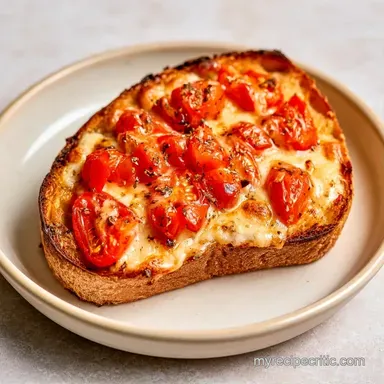
Cheese and Tomato Sandwich in 15 Minutes
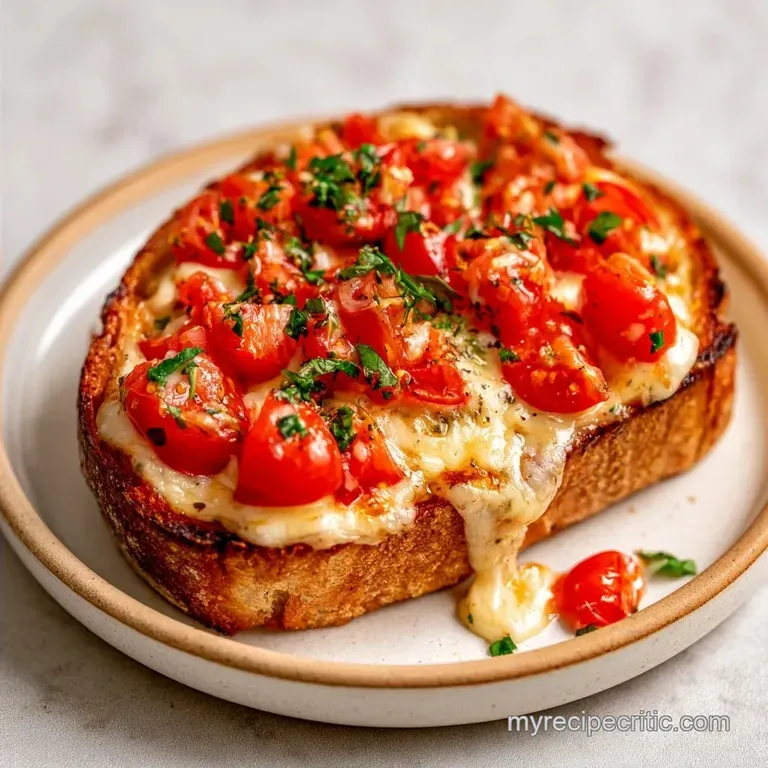
- Prep: 5 min active, 10 min cooking
- Sensory Profile: Mahogany brown exterior with a gooey, molten center
- Best as: A comforting weekday lunch or a fast vegetarian snack
Start with the sound of butter bubbling in a searing pan. I spent years crafting these, only to wonder why the bread felt like a sponge by the time I took my first bite. It is a frustrating cycle, especially when using a plump, ripe tomato that simply won't behave.
The issue is primarily water. Tomatoes are essentially water filled vessels, and they release all that liquid the moment they hit the heat. When that moisture soaks directly into the bread, you're left with a mushy mess.
This Cheese and Tomato Sandwich avoids that by creating a seal and prepping the vegetable. You'll enjoy a shatter crisp crust and a rich, melted middle that actually holds its form.
Why the Sogginess Stays Away
- The Fat Seal: Applying butter and mayonnaise creates a waterproof layer. This stops the tomato juices from soaking into the sourdough crumb.
- The Salt Cure: Salting the slices draws out surface moisture before the sandwich hits the pan. This means less steam trapped inside, which helps the bread brown faster.
If you love this combination, you might also enjoy a creamy tomato soup recipe on the side for the full experience.
| Feature | Fresh Vine Tomato | Sun Dried/Canned |
|---|---|---|
| Moisture | High (needs curing) | Low (stable) |
| Flavor | Bright, acidic | Concentrated, sweet |
| Texture | Soft, juicy | Chewy, dense |
What Every Ingredient Does
| Component | Purpose | Substitute Notes |
|---|---|---|
| Sourdough | Structural base | Whole wheat: Heartier but denser |
| Sharp Cheddar | Fat and salt | Provolone: Milder, melts smoother |
| Mayonnaise | Internal moisture barrier | Greek yogurt: Tangier, less stable |
| Vine Tomato | Fresh acidity | Roma: Less watery, better for sandwiches |
The Building Blocks
- 2 slices (60g) sourdough or thick cut white bread Why this? Sourdough holds up best against moisture.
- 1 tbsp (14g) unsalted butter, softened Why this? For that golden, toasted crust.
- 1 tsp (5g) mayonnaise Why this? Creates the internal moisture seal.
- 2 oz (56g) sharp cheddar or provolone, thinly sliced Why this? Strong flavor that cuts through the tomato.
- 3 thick slices (60g) ripe vine tomato Why this? Provides the juicy, acidic core.
- 1 pinch (1g) sea salt Why this? Draws out water and wakes up flavors.
- 1 pinch (1g) cracked black pepper
- 1 tsp (5g) dried oregano
- 1/4 tsp (1g) garlic powder
| Original Ingredient | Substitute | Why It Works |
|---|---|---|
| Sharp Cheddar | Pepper Jack | Similar melt. Note: Adds a spicy kick |
| Sourdough | Brioche | Higher fat. Note: Browns much faster, tastes sweeter |
| Dried Oregano | Fresh Basil | Classic pairing. Note: Add at the very end |
The Cooking Process
1. Prepping the Produce
Slice the tomatoes into 1/4 inch rounds. Lay them on a paper towel, sprinkle with sea salt, and let them rest for 2 minutes. Pat the tops dry with another towel. Note: This prevents the bread from steaming from the inside.
2. Applying the Barriers
Spread butter on the outside of both bread slices. Apply a thin layer of mayonnaise to the inside of each slice, covering the bread from edge to edge.
3. Strategic Layering
Layer one slice of cheese on the mayo. Add the seasoned tomato slices, then sprinkle with dried oregano and garlic powder. Place the second slice of cheese on top before closing the sandwich. Note: Cheese on both sides acts as a "glue" for the tomatoes.
4. The Initial Sear
Place the sandwich in a skillet over medium low heat. Cover with a lid for the first 3 minutes. Note: The lid traps heat to melt the cheese without burning the bread.
5. The Final Toast
Remove the lid. Flip the sandwich once the bottom is mahogany colored and crisp. Cook the second side for 3 minutes until the bread is toasted and the cheese is velvety.
Chef's Tip: If you have a cast iron skillet, use it. It holds heat more evenly than non stick pans, giving you a more consistent crust.
Fixing Common Sandwich Issues
Bread is soggy
This usually happens if the tomatoes weren't patted dry or the mayo layer was too thin. The mayo acts as a shield; without it, the bread absorbs the tomato water instantly.
Cheese isn't melted
If the bread is toasted but the center is cold, you likely skipped the lid. Covering the pan for those first few minutes is what forces the heat into the cheese.
Sandwich falls apart
This happens when the tomato slices are too thick or shifted during the flip. Use a wide spatula and press down gently on the sandwich as you flip.
| Problem | Fix |
|---|---|
| Soggy bread | Salt tomatoes for 2 mins and pat dry |
| Unmelted cheese | Use a lid for the first 3 mins |
| Slumping filling | Use thinner tomato slices and double cheese |
Changing the Batch Size
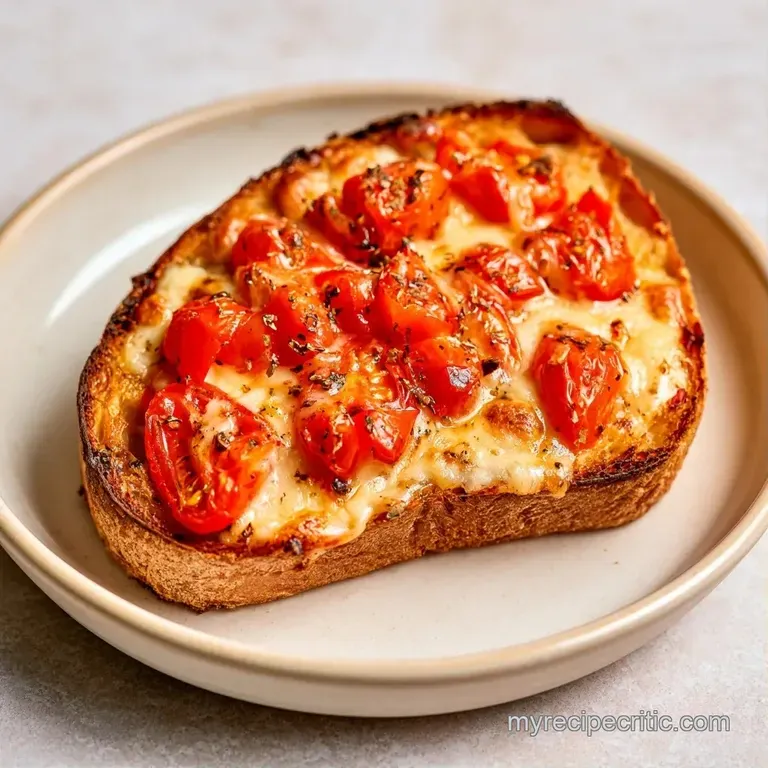
When making a single serving, 10 minutes of cook time is standard. If you're making four sandwiches at once, don't crowd the pan.
- Scaling Down: For a half sandwich, use a small 6 inch skillet to keep the heat concentrated. Reduce cooking time by about 1 minute per side.
- Scaling Up: Work in batches. If you put too many sandwiches in one pan, the temperature drops and you'll end up steaming the bread instead of searing it.
- Baking: If you prefer the oven, set it to 180°C (350°F). Bake for 12-15 minutes, flipping halfway through.
| Goal | What to change |
|---|---|
| Extra Crunch | Use more butter on the exterior |
| Lighter Version | Swap mayo for a thin layer of pesto |
| Faster Melt | Grate the cheese instead of slicing |
Sandwich Beliefs Debunked
Some people think that searing the bread "seals in" the juices of the tomato. That's not how it works. Heat breaks down the tomato's cell walls, releasing water regardless of the crust. The sear is for flavor and texture, not for containment.
Another common thought is that you need expensive artisanal cheese for a good melt. While Gruyère is great, a standard sharp cheddar provides the necessary fat and salt to balance the tomato's acidity.
Keeping and Saving Leftovers
Enjoy this Cheese and Tomato Sandwich right away for the best results. If you have leftovers, wrap them securely in foil and store them in a cool place for up to 24 hours.
When reheating, skip the microwave to prevent the bread from becoming rubbery. Instead, use a toaster oven or a medium heat pan for 2 minutes per side. This restores the crisp texture without overheating the tomato.
To avoid waste, store any spare tomato ends or skins in a freezer bag. After gathering a few, simmer them with oil and garlic for a fast pasta pan sauce.
The Best Side Pairings
Since the sandwich is rich and salty, you want something that cuts through that heaviness. A simple side salad with a lemon vinaigrette or some salt and vinegar chips works well.
For a more filling meal, try pairing it with a cup of chilled gazpacho or a side of roasted asparagus. If you're looking for another way to use great bread, my focaccia sandwich is a great alternative for a crowd.
Fun Ingredient Swaps
Feel free to customize this recipe to suit your mood. For a classic, old-school cheese and tomato sandwich, skip the skillet. Use room temperature sourdough, a generous layer of mayo, salted tomatoes, and cold cheddar for a refreshing, nostalgic lunch.
For a healthier take, replace the sourdough with sprouted grain bread and a thin slice of provolone. Use a light brush of olive oil instead of butter.
If you want something more upscale, try a gourmet melt. Add a teaspoon of pesto inside and use a blend of mozzarella and parmesan. The mozzarella provides the perfect stretch, while the parmesan adds a salty, nutty depth that pairs well with the vine tomatoes.
High in Sodium
850 mg 850 mg of sodium per serving (37% 37% of daily value)
The American Heart Association recommends a limit of 2,300 mg of sodium per day for most adults to maintain heart health.
Tips to Reduce Sodium
-
Omit Added Salt-25%
Completely remove the pinch of sea salt; the cheese already provides a strong salty flavor profile.
-
Low-Sodium Bread-20%
Substitute the sourdough or white bread with a low-sodium variety or homemade bread to cut hidden salts.
-
Swap the Cheese-15%
Replace sharp cheddar or provolone with fresh mozzarella or Swiss cheese, which naturally contain less sodium.
-
Mayo Alternative-10%
Replace the mayonnaise with mashed avocado to maintain creaminess while reducing processed sodium.
-
Enhance with Herbs
Increase the amount of dried oregano and garlic powder to build a more complex flavor without adding salt.
Recipe FAQs
How to make a good cheese and tomato sandwich?
Salt your tomato slices and pat them dry first. Then, use a combination of butter on the outside and mayonnaise on the inside for a shatter crisp crust.
Is it true that tomato sandwiches are only a Southern thing?
Surprisingly, no. They are enjoyed globally, though the specific combination of mayo and white bread is a beloved staple of the American South.
Are cheese and tomato sandwiches considered healthy?
These ingredients provide a healthy dose of lycopene from tomatoes and calcium from cheese. If you appreciate this fresh combination, be sure to check out our Italian deli flatbread.
What are the calories in this recipe?
This sandwich contains 485 kcal. The energy density comes primarily from the sourdough bread and the sharp cheddar or provolone.
Which method ensures a simple cheese and tomato sandwich?
Use a lid over your skillet for the first 3 minutes to melt the cheese quickly. Flip once the bottom is mahogany colored and crisp.
Could you outline the cheese and tomato sandwich recipe?
Layer sourdough slices with mayonnaise, cheese, seasoned tomatoes, oregano, and garlic powder. Toast in a buttered skillet for 3 minutes per side until the cheese is velvety.
Cheese And Tomato Sandwich