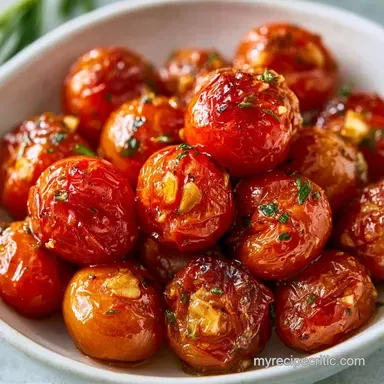
Quick Roasted Cherry Tomato Sauce with Garlic
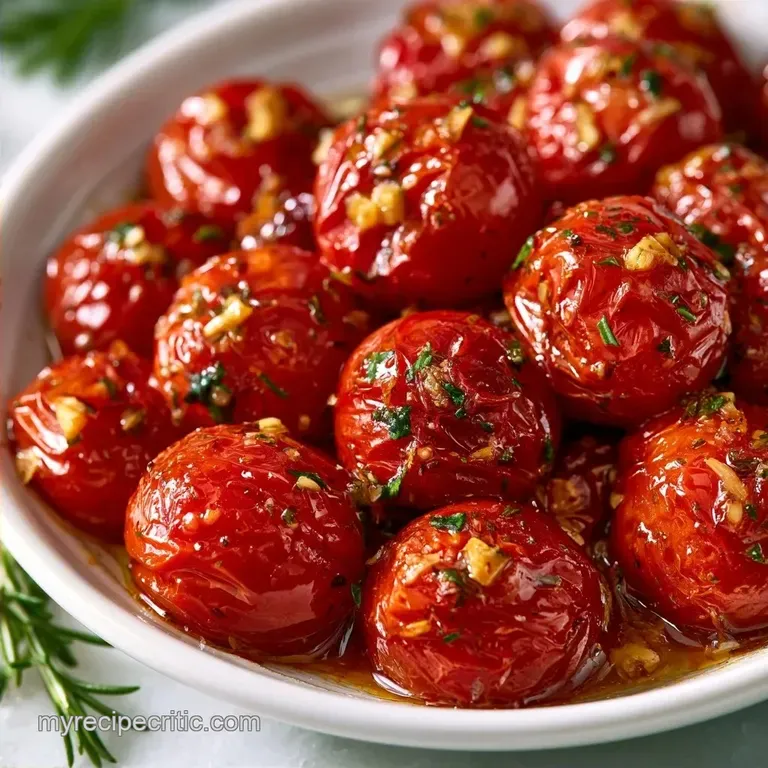
- Time: 15 min active + 45 min roasting
- Flavor/Texture Hook: Tangy, charred, and glossy
- Perfect for: Weeknight pasta or a quick dip for crusty bread
Quick Roasted Cherry Tomato Sauce
That smell when cherry tomatoes finally pop in the oven is something else. It starts as a sweet, watery scent and shifts into this deep, roasted aroma that fills the whole kitchen.
I remember the first time I tried roasting them, I left them in too long and they almost turned into charcoal, but that's how I found the sweet spot.
The trick is the cherry tomato itself. I use them instead of larger tomatoes because they have a higher sugar to water ratio. This means they intensify faster and give you a thick, jammy consistency without needing to reduce a pot for hours.
You can expect a sauce that feels fresh but tastes developed. It doesn't have that raw, acidic bite of a fresh pomodoro, nor the heavy, cooked down feel of a traditional marinara. It's right in the middle.
Why These Roasting Steps Work
- High Heat: 400°F (200°C) evaporates water quickly, which concentrates the natural sugars.
- Smashed Garlic: Breaking the cloves prevents them from burning too fast and helps them soften into the oil.
According to Serious Eats, roasting vegetables at high temperatures creates complex flavor compounds through browning. This process gives the sauce its signature mahogany color.
| Method | Time | Texture | Best For |
|---|---|---|---|
| Roasted | 60 mins | Glossy/Thick | Quick meals |
| Simmered | 3 hours | Uniform/Soft | Traditional Sunday sauce |
| Fresh | 15 mins | Chunky/Watery | Summer salads |
What Each Ingredient Does
| Ingredient | What It Does | Best Swap |
|---|---|---|
| Cherry Tomatoes | Provides base sweetness and acid | Grape tomatoes (slightly firmer) |
| Olive Oil | Carries flavor and aids browning | Avocado oil (higher smoke point) |
| Lemon Juice | Cuts through the richness | White balsamic vinegar |
| Fresh Basil | Adds a peppery, herbal finish | Fresh parsley (milder) |
Shopping List and Swaps
- 2 lbs cherry tomatoes Why this? Higher sugar content than large tomatoes
- 6 cloves garlic, peeled and smashed Why this? Smashed cloves roast evenly
- 1/3 cup extra virgin olive oil Why this? Adds fruity depth to the roast
- 1 tsp dried oregano Why this? Earthy baseline flavor
- 1 tsp kosher salt Why this? Draws out moisture for better browning
- 1/2 tsp black pepper Why this? Subtle heat
- 1/2 cup fresh basil leaves, packed Why this? Freshness to balance the roast
- 1 tbsp lemon juice Why this? Brightens the heavy flavors
- 1/4 tsp red pepper flakes Why this? Tiny kick of warmth
Tools for the Job
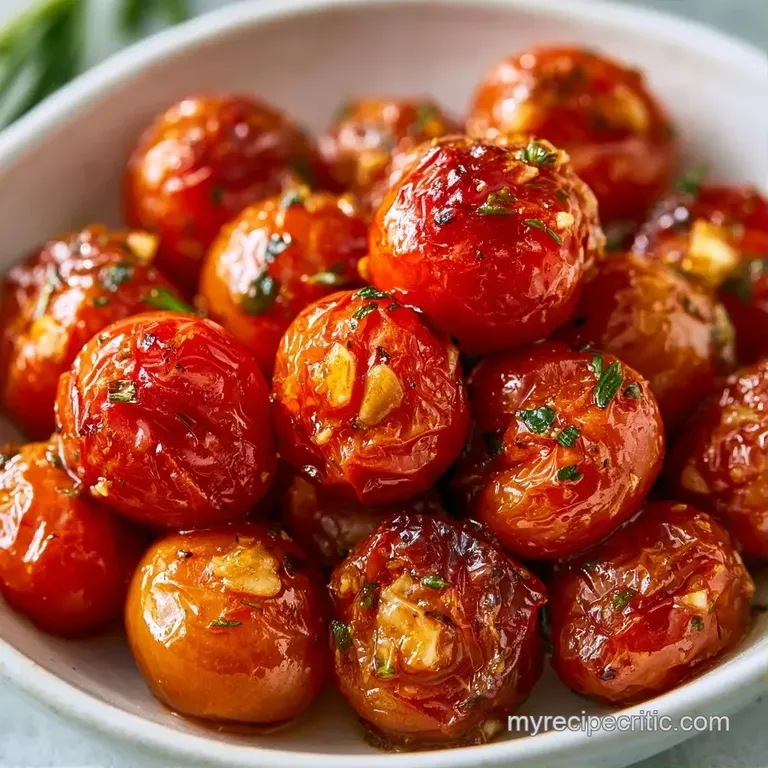
I use a large rimmed baking sheet. If the pan is too small, the tomatoes crowd together and steam instead of roasting. A standard 13x18 inch sheet works best.
For the blending, a food processor is great, but a high speed blender makes the sauce more silky. If you want a chunky texture, just use a potato masher right in the pan.
Making the Sauce
- Preheat the oven to 400°F (200°C). Line your large rimmed baking sheet with parchment paper to save on cleanup.
- Toss the cherry tomatoes and smashed garlic cloves with 1/3 cup olive oil, dried oregano, salt, and pepper. Note: Use your hands to make sure every tomato is coated.
- Spread the mixture in a single layer on the baking sheet. Make sure there is space between the tomatoes so they roast instead of boiling.
- Roast for 30 to 40 minutes until the skins burst and develop dark, mahogany colored blistered spots. The garlic should be golden and soft.
- Transfer the roasted tomatoes, garlic, and all those brown pan juices into a blender. Note: Those juices hold the most flavor.
- Add the fresh basil leaves. Pulse until the sauce reaches your preferred consistency, whether that is chunky or completely smooth.
- Stir in the lemon juice. This wakes up the flavors after the long roast.
Chef's Note: If you want an even deeper flavor, try adding a teaspoon of anchovy paste or a pinch of sugar if your tomatoes aren't very ripe.
Solving Common Sauce Issues
When you roast at high heat, things can move fast. The most common issue is the garlic. Because the cloves are small, they can burn before the tomatoes burst. If you notice them getting dark too quickly, just tuck them under a few tomatoes to shield them from the direct heat.
If the sauce feels too thin, it usually means the tomatoes were overcrowded on the pan. This creates steam. Next time, use two pans. If you're in a pinch and want a thicker consistency, you can simmer the blended sauce in a pan for 5 minutes, though it's similar to how an easy homemade pasta sauce is made.
Burnt Garlic
The garlic was exposed to direct heat for too long. This makes the sauce bitter.
Watery Consistency
The pan was overcrowded, leading to steaming instead of roasting.
Too Much Acid
The tomatoes were underripe or too much lemon was added.
| Problem | Root Cause | Solution |
|---|---|---|
| Bitter taste | Burnt garlic cloves | Strain out black garlic bits |
| Too thin | Overcrowded pan | Simmer for 5 mins or use more basil |
| Too tart | High tomato acidity | Stir in a pinch of brown sugar |
Variations and Flavor Twists
If you're cooking for kids who aren't fans of chunks, you can blend in a handful of steamed carrots or spinach. This makes it similar to a hidden veggie pasta sauce while keeping that roasted flavor.
For a creamy version, stir in two tablespoons of mascarpone or a splash of heavy cream after blending. This softens the acid and makes the sauce feel more like a bistro dish.
If you want to change the herb profile, swap the oregano for dried thyme and the basil for fresh chives. This gives it a more French, Provencal vibe that goes great with roasted chicken.
Decision Shortcut
- Want it chunky? Pulse the blender 3 times.
- Want it smooth? Blend on high for 60 seconds.
- Want it zingy? Add an extra teaspoon of lemon juice.
Storage and Waste Tips
This sauce keeps well in the fridge for up to 5 days. Store it in a glass jar with a thin layer of olive oil on top to prevent oxidation.
For the freezer, use silicone molds or freezer bags. It stays good for 3 months. When you reheat it, do it slowly over low heat on the stove, adding a splash of water if it's too thick.
To avoid waste, don't toss the parchment paper if it's just oily. You can use it to grease a pan for something else, or better , use the leftover tomato stems and garlic skins to start a compost bin.
If you have a bit of sauce left over, use it as a base for a shakshuka the next morning by poaching eggs right in the pan.
Serving and Pairing Ideas
The most natural fit is spaghetti or rigatoni. The ridges in rigatoni hold onto the roasted bits of tomato and garlic beautifully.
For something a bit more fancy, try this as a dip for toasted sourdough rubbed with a raw garlic clove. It also works as a base for grilled fish or shrimp. If you have some Tuscan ravioli on hand, this roasted sauce provides a great acidic contrast to the rich cheese filling.
Pasta Pairing
Toss with al dente pasta and a handful of parmesan cheese.
Protein Pairing
Spoon over seared scallops or grilled chicken breasts.
Recipe FAQs
How to make this roasted cherry tomato sauce?
Toss cherry tomatoes and garlic with olive oil, oregano, salt, and pepper. Roast at 400°F for 30 to 40 minutes, then blend the mixture with fresh basil and lemon juice until smooth.
Do I need to peel cherry tomatoes for sauce?
No, leave the skins on. The roasting process softens them, and the blender ensures a consistent texture without the need for tedious peeling.
What should I do with oven-roasted cherry tomatoes?
Blend them into a concentrated sauce. Combine the roasted tomatoes and pan juices with basil and lemon juice to create a base for pasta or a flatbread pizza.
Is it true that you must peel the tomatoes to achieve a smooth texture?
No, this is a common misconception. Using a food processor or blender after roasting pulverizes the skins completely, preserving both nutrients and flavor.
Can diabetics eat this tomato sauce?
Yes, it is generally suitable. The recipe uses fresh vegetables and healthy fats without any added sugars or thickeners.
What makes roasting the best method for cherry tomato sauce?
Roasting caramelizes the natural sugars. This produces dark, mahogany colored blistered spots and a deeper, more complex flavor than simmering raw tomatoes.
How to store leftover sauce?
Store in a glass jar in the refrigerator for up to 5 days. Pour a thin layer of olive oil on top to prevent oxidation and keep the sauce fresh.
Quick Roasted Cherry Tomato Sauce