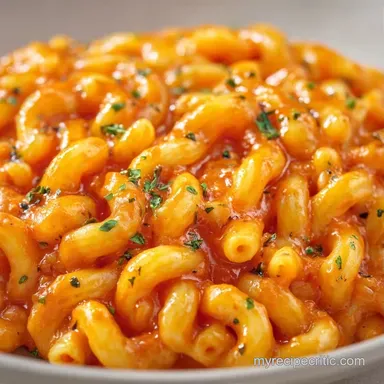
Hidden Veggie Pasta Sauce: Velvety and Rich
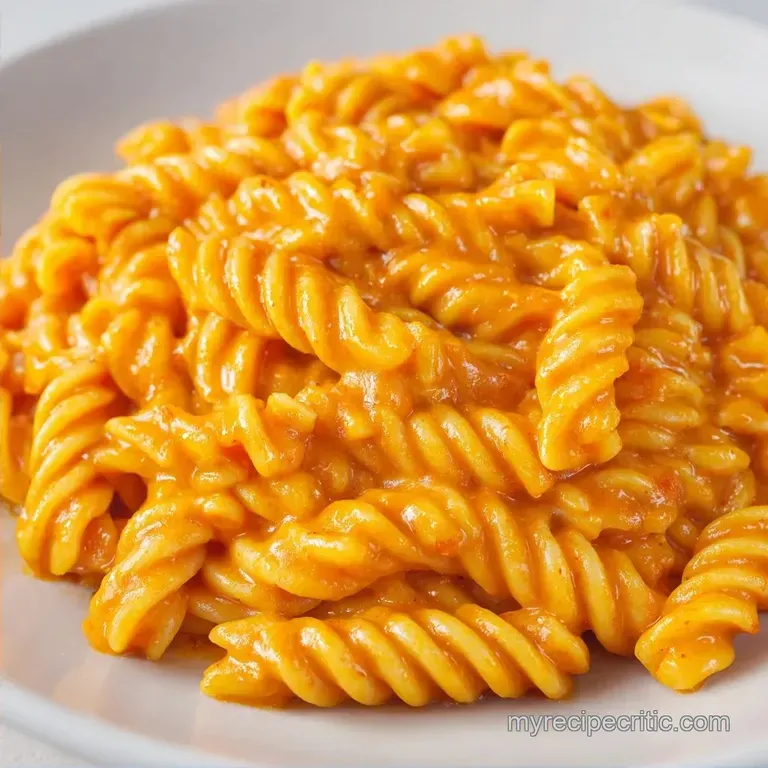
- Time: 10 min active + 30 min cook
- Flavor/Texture Hook: Velvety, rich, and deep red
- Perfect for: Toddlers, picky kids, and stealthy meal prep
The sound of a toddler spitting a perfectly good piece of zucchini onto the kitchen floor is a sound I know too well. I used to think I could just dice vegetables small enough that they'd vanish into the red sauce. I was wrong. My kids have a biological radar for anything that isn't a smooth, consistent texture.
One tiny cube of onion is enough to trigger a full scale dinner table protest.
For a long time, I just gave up and served plain noodles with a splash of oil. But I wanted them getting those nutrients. The trick wasn't in the chopping, it was in the blending. When you get the texture completely velvety, the vegetables stop being "intruders" and start acting as a thickener that actually makes the sauce taste richer.
This Hidden Veggie Pasta Sauce is my targeted fix for the "I see a vegetable" meltdown. It doesn't taste like a garden puree; it tastes like a slow simmered marinara, but with a hidden boost of carrots and zucchini. It's thick, clings to the pasta, and most importantly, it passes the kid test every single time.
Hidden Veggie Pasta Sauce
The real struggle with most veggie loaded sauces is that they often taste "raw." If you just boil carrots and blend them into tomato sauce, you get this weird, earthy sweetness that screams "healthy food" to a child. To make this work, you have to treat the vegetables like a traditional soffritto.
Sautéing them in olive oil first changes their chemical structure, bringing out natural sugars and removing that raw, grassy edge.
I've found that the ratio of carrots to zucchini is the sweet spot. Carrots provide a natural sweetness that balances the acidity of the tomatoes, while zucchini adds bulk and creaminess without changing the flavor profile.
When these are blitzed at high speed, they emulsify with the olive oil and tomato paste, creating a sauce that feels luxurious rather than thin.
If you're planning your week, this is a fantastic base. You can make a massive pot on Sunday and have it ready for three different nights. It's far more satisfying than the store-bought stuff because it has a depth of flavor that comes from actually browning the vegetables.
Trust me, once you see how easily this blends into a silky red sauce, you'll never go back to the "small dice" method.
Why the Texture Matters
Instead of a generic mix, we're focusing on specific interactions between the ingredients to ensure the sauce isn't grainy or separate.
- Sautéed Base: Browning the vegetables first removes raw enzymes and develops a savory foundation, preventing that "steamed veg" taste.
- Paste Concentration: Cooking the tomato paste for 2 minutes before adding liquids removes the metallic tin flavor and deepens the color.
- High Shear Blending: Using a high speed blender or immersion blender breaks down the cellular walls of the carrots and zucchini, creating a velvety emulsion.
- Acid Balancing: A pinch of sugar doesn't make it "sweet," but it neutralizes the sharp citric acid in crushed tomatoes, making the flavor more rounded.
| Approach | Texture | Flavor Profile | Best For |
|---|---|---|---|
| Fresh Sauté | Velvety | Deep, Savory | Picky eaters / Toddlers |
| Frozen Mix | Slightly Grainy | Milder, Watery | Quick weeknight meals |
| Raw Blend | Thin/Pasty | Earthy, Raw | Smoothies / Cold soups |
Component Analysis
Understanding what each part does helps when you need to tweak the recipe on the fly.
| Ingredient | Science Role | Pro Secret |
|---|---|---|
| Carrots | Natural Sweetener | Sauté until edges soften to maximize sugar release |
| Zucchini | Texture Builder | Peel the skin if your kids are sensitive to green flecks |
| Tomato Paste | Umami Booster | Cook until it turns a dark maroon color |
| Olive Oil | Flavor Carrier | Use extra virgin for a peppery finish |
Ingredients
Here is everything you need. I recommend using a large pot or a Dutch oven so you have plenty of room to move the immersion blender around without splashing sauce on your walls.
- 2 medium carrots, diced (120g) Why this? Adds natural sweetness to balance tomatoes
- 1 medium zucchini, diced (150g) Why this? Creates a creamy, thick body
- 1 red bell pepper, diced (120g) Why this? Boosts vitamins and deepens red color
- 1 medium yellow onion, diced (110g) Why this? Classic aromatic base
- 3 cloves garlic, minced (15g) Why this? Essential savory punch
- 2 tbsp extra virgin olive oil (30ml)
- 1 can (28 oz / 794g) crushed tomatoes Why this? Smoother starting point than diced tomatoes
- 2 tbsp tomato paste (32g)
- 1/2 cup water or vegetable broth (120ml)
- 1 tsp dried oregano (5g)
- 1 tsp dried basil (5g)
- 1/2 tsp salt (3g)
- 1/4 tsp black pepper (1g)
- 1 tsp granulated sugar (4g)
Quick Ingredient Swaps
| Original Ingredient | Substitute | Why It Works |
|---|---|---|
| Zucchini (1 medium) | Cauliflower (1 cup florets) | Similar neutral flavor. Note: Makes sauce slightly thicker |
| Red Bell Pepper | Carrots (extra) | Maintains color. Note: Increases sweetness |
| Vegetable Broth | Water | Simple liquid. Note: Slightly less savory depth |
| Granulated Sugar | Honey or Maple Syrup | Natural sweetness. Note: May add a hint of distinct flavor |
Equipment Needed
You don't need a professional kitchen for this, but a couple of tools make it way easier. A heavy bottomed pot is best because it distributes heat evenly, preventing the tomato paste from scorching on the bottom.
The most important piece of gear is your blender. If you have an immersion blender, you can do everything right in the pot. If you're using a traditional countertop blender, be very careful with hot liquids.
I always leave the center cap of the lid slightly open and cover it with a folded kitchen towel to let the steam escape, otherwise, the lid can literally pop off from the pressure.
From Prep to Plate
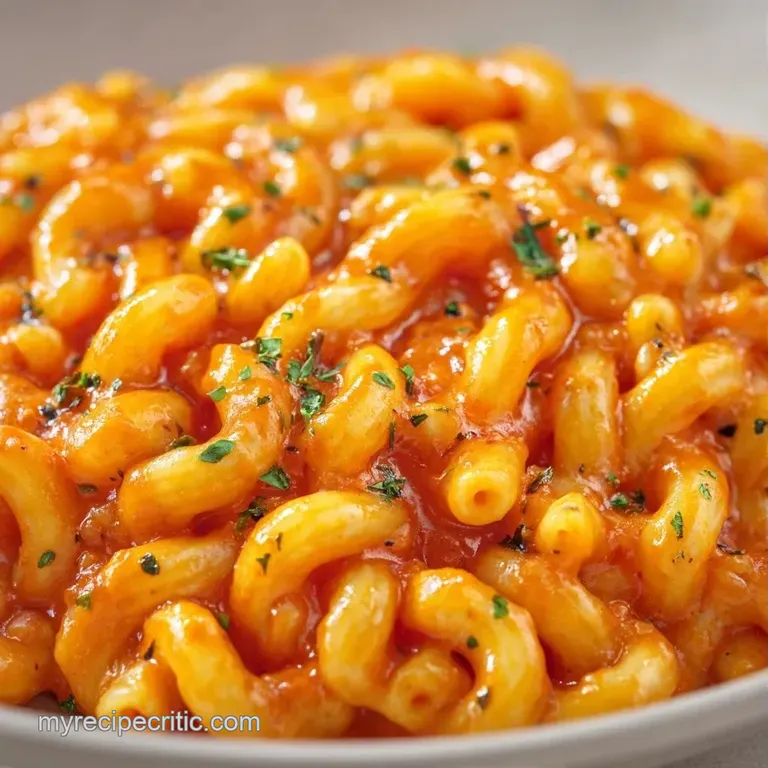
Right then, let's get into the flow. I like to have all my vegetables diced and ready before I even turn on the stove. This prevents the garlic from burning while you're still chopping the zucchini.
Phase 1: The Nutrient Sauté
- Heat the olive oil over medium heat in a large pot. Add the diced onions, carrots, zucchini, and bell peppers.
- Sauté for 8–10 minutes until the vegetables are soft and the onions are translucent. Note: Don't rush this; the softening is what makes the final blend smooth.
Phase 2: The Flavor Infusion
- Add the minced garlic to the pot. Sauté for 60 seconds until you can smell the fragrance.
- Stir in the tomato paste. Cook for 2 minutes until the paste darkens slightly. Note: This "toasts" the paste and removes that raw tin taste.
- Pour in the crushed tomatoes, broth, dried oregano, and dried basil.
- Bring the mixture to a light simmer and cook for 15 minutes until the sauce thickens slightly and smells rich.
Phase 3: The Velvety Blitz
- Remove the pot from the heat. Use an immersion blender directly in the pot, or transfer the mixture to a high speed blender in batches. Process on high until the sauce is completely smooth and no chunks remain.
- Stir in the salt, black pepper, and granulated sugar.
Chef's Note: If you want an even deeper flavor, try adding a teaspoon of soy sauce or Worcestershire sauce during the simmer phase. It adds an "umami" kick that mimics long simmered restaurant sauces.
How to Fix Common Problems
Even with a solid plan, things can go sideways. Usually, it's a texture issue or a flavor imbalance. For those who enjoy more complex meals, this sauce pairs perfectly with a classic crispy chicken parmesan for a full family dinner.
Troubleshooting Common Issues
| Issue | Solution |
|---|---|
| Sauce too thin | This usually happens if your vegetables released too much water or the simmer wasn't long enough. |
| Why does the sauce taste too acidic | Tomatoes vary in acidity depending on the brand. If the sauce tastes too "sharp," add another pinch of sugar or a tiny knob of butter. The fat in butter helps coat the tongue and mellows out the acid. |
| I don't have a high speed blender | If you're using a basic blender, you might see tiny specs of carrot. To fix this, pass the finished sauce through a fine mesh sieve using the back of a spoon. |
Common Mistakes Checklist
- ✓ Rushing the sauté: If you don't cook the veg for 10 mins, the sauce tastes raw.
- ✓ Adding garlic too early: Garlic burns quickly and becomes bitter.
- ✓ Blending while boiling: Always remove from heat to avoid "steam explosions."
- ✓ Skipping the sugar: Even a tiny bit is needed to balance the canned tomato acid.
- ✓ Using diced tomatoes: These have larger chunks that are harder to blend completely smooth.
Dietary Adaptations
One of the best things about this Hidden Veggie Pasta Sauce is how flexible it is. You can easily shift the ingredients to fit different needs without ruining the "hidden" aspect.
Making it for babies
For infants starting solids, leave out the salt and sugar. The carrots and bell peppers provide plenty of natural sweetness. You can also thin the sauce with a bit of breast milk or formula when serving it on soft pasta.
Vegan and Low FODMAP options
This recipe is naturally vegan as long as you use vegetable broth. For a Low FODMAP version, swap the onion and garlic for the green parts of spring onions and garlic infused olive oil. This gives you the flavor without the digestive distress.
The Green Variation
If you want a "hidden veggie pasta sauce green" version, replace the carrots and red peppers with spinach, peas, and cauliflower. Use a splash of cream or coconut milk to keep the color vibrant and the texture silky. This version is great for kids who are suspicious of red sauce but love "Hulk pasta."
No Tomato Version
For those avoiding nightshades, you can create a hidden veggie pasta sauce no tomato version by using roasted butternut squash and red peppers as the base. According to Serious Eats, roasting vegetables first concentrates their sugars and provides a thick, sauce like consistency that mimics traditional marinara.
Adjusting the Batch Size
When you're cooking for a crowd or just for yourself, you can't always just double the numbers. Some things don't scale linearly.
Scaling Down (1/2 Batch) Use a smaller 3 quart pot. Reduce the sauté time by about 2 minutes since the smaller volume of vegetables will heat through faster.
If you're using a large blender, you may need to add a bit more broth to ensure the blades can catch the smaller amount of sauce.
Scaling Up (2x-4x Batch) Move to your largest Dutch oven. Be careful with the salt and dried herbs; only increase them by 1.5x initially, then taste and adjust. Liquids generally reduce slower in large pots, so you might need to simmer for an extra 10 minutes to reach the desired thickness.
Work in batches when blending to avoid overloading your motor.
| Batch Size | Pot Size | Simmer Time | Seasoning Adjustment |
|---|---|---|---|
| Half Batch | 3 quart | 12-15 mins | Use exactly half |
| Full Batch | 5 quart | 15 mins | Standard |
| Double Batch | 7 quart | 20-25 mins | 1.5x salt/herbs |
Storage Guidelines
Since this sauce is packed with fresh vegetables, it's a goldmine for meal prep. Just make sure it's cooled completely before putting it in the fridge to avoid condensation, which can make the sauce watery.
Fridge and Freezer Store the sauce in an airtight glass jar in the fridge for up to 4 days. For longer storage, it freezes beautifully for up to 3 months. I recommend freezing it in silicone muffin tins or ice cube trays first; once frozen, pop the "sauce pucks" into a freezer bag.
This lets you defrost exactly as much as you need for a single serving.
Reheating Warm the sauce in a small saucepan over medium low heat. Add a tablespoon of water or pasta water to loosen it up, as the sauce tends to thicken during the freezing and thawing process.
Zero Waste Tips Don't toss your veggie scraps! Keep a bag in your freezer for the onion skins, carrot ends, and pepper seeds used in this recipe. Once the bag is full, simmer them with water for two hours to make a free, nutrient dense vegetable stock to use the next time you make this sauce.
Perfect Complements
This sauce is versatile, but the right pairing makes it a meal. Because it's so smooth, it works best with pasta that has "nooks and crannies" to hold onto the sauce, like fusilli, penne, or farfalle. For a special night, you could try it with heart shaped pasta for a fun twist.
If you're looking for a protein addition, lean ground turkey or lentils blend in perfectly. For a quick side, a simple garlic bread or a crisp arugula salad with lemon vinaigrette cuts through the richness of the blended vegetables.
Honestly, you can even use this as a base for a veggie loaded pizza or a dipping sauce for mozzarella sticks.
Recipe FAQs
How to make hidden veggie pasta sauce?
Sauté diced onions, carrots, zucchini, and bell peppers in olive oil for 8–10 minutes. Add garlic and tomato paste, then simmer with crushed tomatoes, broth, and herbs for 15 minutes before blending until smooth.
Is hidden veggie pasta sauce safe for toddlers?
Yes, it is a great option. The blending process removes the texture of the vegetables, making it easier for toddlers to accept nutrients without the "chunks" they often reject.
What lunch ideas work for picky eaters using this sauce?
Mix the sauce into pasta or use it as a dip for veggie sticks. Because the vegetables are completely hidden, it's an effective way to sneak nutrients into meals for picky husbands or children.
Can I store hidden veggie pasta sauce in a jar?
Yes, use an airtight glass jar. Store it in the fridge for up to 4 days or freeze in portions for up to 3 months for easy meal prep.
Do I need a high-speed blender to hide the vegetables?
No, a standard blender works. If you notice small specs of carrot, simply pass the finished sauce through a fine mesh strainer for a perfectly smooth consistency.
Is it true that adding sugar is the only way to fix sauce acidity?
No, this is a common misconception. Simmering the sauce longer allows the flavors to meld and naturally mellows the sharpness of the tomatoes.
What other meals can I pair with this sauce?
Pair it with pasta or lean proteins. If you enjoyed the aromatic vegetable base here, see how a similar savory foundation works in our sausage tortellini soup.
Hidden Veggie Pasta Sauce for 6 Servings