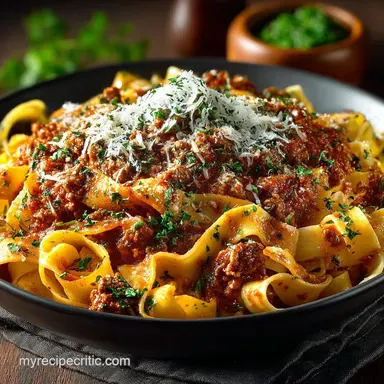
The Sunday Lunch Ragu Luxurious Slowsimmered Creamy Bolognese

- Why True Bolognese Demands Patience (and Red Wine)
- Sourcing the Essential Ingredients for a Rich Creamy Bolognese Sauce
- Substitutions and Adjustments for Dietary Needs
- Achieving the Depth of Flavor: Step-by-Step Methodology
- Finishing the Sauce: The Secret to Restaurant Quality
- Troubleshooting and Mastering Your Creamy Bolognese Sauce
- Variations: Taking This Ragu Beyond Pasta
- Recipe FAQs
- 📝 Recipe Card
Why True Bolognese Demands Patience (and Red Wine)
Bolognese is not simply "spaghetti sauce" mixed with ground beef; it is a dedicated culinary process, a slow ritual of flavor development often referred to as a proper Sunday Sauce .
Achieving a truly transcendent, complex profile that defines authentic Italian ragu requires respecting the ingredient stages and dedicating serious time, in our case, a full three hours of low, gentle simmering.
This lengthy cook time allows the proteins to break down, the acidity of the tomatoes and wine to mellow, and all the diverse ingredients to merge into a singular, cohesive flavor profile.
It is a labor of love, but once you taste the profound depth of this creamy meat sauce , you will understand why patience is the most crucial ingredient.
The Difference Between Ragu and Sauce
In Italian cooking, the distinction between ragu and sauce (sugo) is critical. A sauce, like a simple marinara, is generally vegetable-based, can be made quickly, and features tomato as the star. A ragu, however, is a classic slow-cooked, meat-forward preparation.
Our Creamy Bolognese sauce is unequivocally a ragu. It starts with a base of rendered fat and aromatic vegetables, incorporates substantial quantities of meat and dairy, and relies on time and reduction to create a dense, luxurious coating for the pasta.
This heavy concentration of flavor is what separates a genuine Italian meal from a hurried weeknight dinner.
The Essential Role of the Soffritto Base
Every great Italian dish begins with the soffritto —the holy trinity of finely diced onion, carrot, and celery. This vegetable base is the unsung hero of depth.
Before a single piece of meat hits the pot, these aromatics must be sautéed gently in butter and olive oil for 10 to 12 minutes until they are completely soft, translucent, and sweet, but absolutely not browned.
This slow-sweating process ensures that the vegetables release their fundamental sweetness, setting the stage for the savory notes of the meat and the complexity of the wine that follow.
Emilia-Romagna vs. Naples: Understanding the Regional Origins
Traditional Bolognese originates in Emilia-Romagna, a region known for its rich egg pastas and its incorporation of dairy. Unlike the lengthy, highly acidic, and tomato-centric sauces of the South (like Neapolitan ragu), Bolognese is historically lighter on the tomato and heavy on dairy and slow-cooked meat.
Our particular creamy bolognese recipe pays homage to this Northern tradition by utilizing whole milk early in the cooking process to tenderize the proteins and finishing with heavy cream.
This final step gives the sauce its signature silkiness, elevating it to a truly decadent Creamy Bolognese .
Sourcing the Essential Ingredients for a Rich Creamy Bolognese Sauce
The long cooking time means that the quality of your base ingredients truly shines through. For the liquids, invest in high-quality dry red wine, such as a Chianti or Merlot (1 cup), ensuring it’s something you would happily drink on its own, the flavor only concentrates in the ragu.
The recipe calls for a 28 oz can of the finest crushed tomatoes you can find, with San Marzano being the gold standard for their balanced sweetness and low acidity. For the crucial finishing touch that differentiates this luxurious recipe, you will need a half cup of heavy cream, stirred in at the end to create that iconic creamy bolognese sauce .
Substitutions and Adjustments for Dietary Needs
The Optimal Meat Blend: Beef, Pork, and Pancetta
A balanced blend of meats provides the most complex flavor and best texture for a hearty creamy meat sauce . We use equal parts, 1 pound each, of ground beef (ideally an 80/20 mix for adequate fat) and ground pork. The beef provides a deep, savory flavor, while the pork offers richness and tenderness.
For an extra layer of salty depth, you can substitute a quarter cup of the ground pork with finely diced pancetta, rendering its fat before starting the soffritto process. This trinity of meats ensures the ragu achieves its characteristic velvety body.
Dairy Choices: Whole Milk vs. Heavy Cream (And Why It Matters)
Dairy plays two distinct roles in this recipe. The initial cup of whole milk is added immediately after deglazing with wine. The milk's slow reduction tenderizes the meat fibres, resulting in a supremely soft final texture. The half cup of heavy cream, on the other hand, is stirred in right before serving.
This is purely for finishing; it emulsifies with the fat and moisture already in the sauce, providing the luxurious mouthfeel that defines this particular creamy meat sauce pasta .
Required Kitchen Tools for Slow Simmering
The success of a slow-simmered ragu hinges on consistent, even heat. For this, a large, heavy-bottomed Dutch Oven is absolutely essential. Its thick walls and base distribute heat perfectly, preventing scorching during the three-hour simmer and ensuring the flavors meld smoothly.
You will also need a sturdy wooden spoon for scraping up the fonds (browned bits) during deglazing.
Making This Sauce gluten-free
Happily, this authentic Bolognese Sauce is naturally gluten-free. The ingredients, meat, vegetables, wine, dairy, and tomatoes, contain no wheat. Always double-check that your beef or chicken stock is certified low-sodium and gluten-free, as this is sometimes where hidden glutens reside.
Choosing the Best Tomato Paste for Depth of Flavor
While traditional Bolognese uses tomato sparingly, we still rely on triple-concentrated tomato paste (3 tablespoons) to provide essential umami and complexity. The key is ensuring this paste is cooked until it caramelizes and darkens, a crucial step that removes any metallic or raw tomato flavour before the liquids are added.
Related Recipes Worth Trying
- SlowSimmered Creamy Bolognese Sauce Ultimate Comfort Ragù — Get the secret to a properly luxurious deeply flavored Creamy Bolognese Sauce Three hours of simmering yields a velvety creamy meat sauce that clings to...
- Sunshine in a Bowl Creamy Charred Mexican Street Corn Soup Recipe — This Mexican Street Corn Soup recipe captures the smoky elote flavour in a velvety chowder Naturally thickened and easily adapted for the slow cooker or...
- Weeknight Pressed Ground Lamb Gyros Recipe with Creamy Dill Tzatziki — Master authentic ground lamb gyros meat at home Use our clever pressing technique for beautifully thin slices paired with cool cucumber yogurt sauce A...
Achieving the Depth of Flavor: step-by-step Methodology
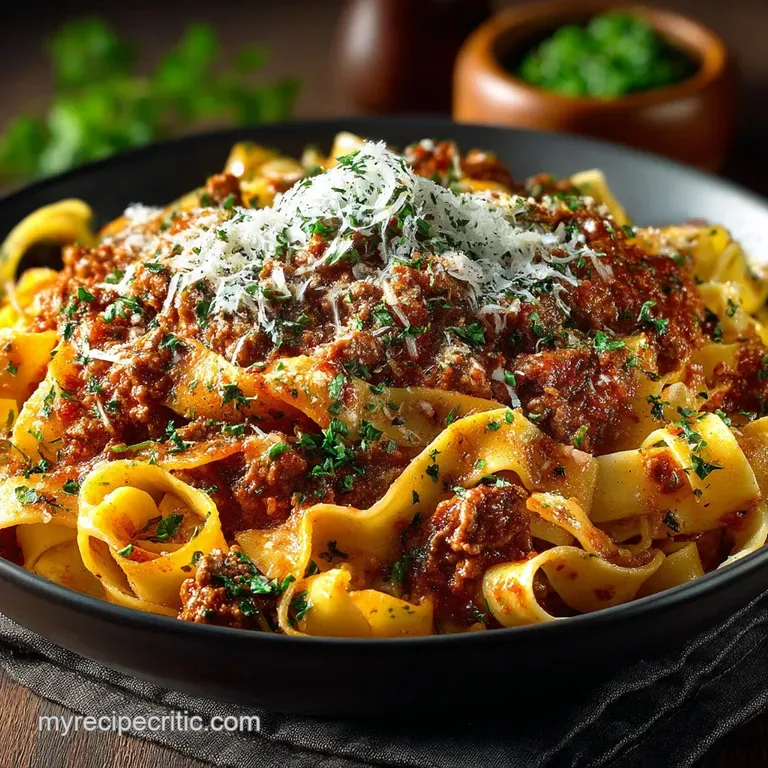
Our methodology focuses heavily on building layers of flavor before the slow, passive cooking phase begins. The active preparation time is approximately 25 minutes, dedicated to precise chopping, browning, and deglazing.
The remaining three hours are reserved for the deep, transformative reduction that turns a collection of quality ingredients into a cohesive, complex Creamy Bolognese .
Finishing the Sauce: The Secret to Restaurant Quality
Browning the Meat and Rendering the Fat Correctly
The browning phase is non-negotiable for flavor. Use medium-high heat and ensure the ground beef and pork are added in batches if necessary, allowing them space to sear rather than steam. This 8–10 minute process creates the deep brown crust, the Maillard reaction, which is vital for savory depth.
After browning, always tilt your pot and spoon out the excess rendered fat. Failing to drain the fat will result in an oily ragu, compromising the final creamy texture.
Sweating the Aromatics (The Art of the Soffritto)
Once the meat is browned and set aside, return to medium-low heat to gently cook the finely diced onion, carrot, and celery. The addition of four cloves of minced garlic and a teaspoon of fresh thyme happens in the final minute of this phase, ensuring the garlic becomes fragrant but doesn't burn, completing the flavor foundation before adding the liquids.
The Crucial Simmering and Reduction Phase
After deglazing the pot with the red wine, incorporating the whole milk, and adding the crushed tomatoes and three cups of warm stock, the ragu is ready for its long sleep. Drop in the two bay leaves and, importantly, a piece of Parmesan rind. This rind melts slowly, providing an incredible boost of salty, aged umami.
The mixture must then simmer, barely bubbling, for a minimum of three hours. This low-and-slow approach concentrates the flavors and creates the thick body expected of a proper Sunday Sauce .
Introducing the Cream for Maximum Decadence
After the minimum three-hour simmer, remove the bay leaves and Parmesan rind. Adjust the seasoning with salt and pepper. Now comes the moment that transforms this ragu into a Creamy Bolognese .
Reduce the heat to the absolute lowest setting, then stir in the half cup of heavy cream until it is smoothly incorporated. Allow the sauce to warm gently for just two minutes, avoiding a boil, to achieve a velvety, unified texture ready for serving.
Pairing the Sauce: Which Pasta Shape Works Best?
A sauce this rich and thick should never be served with thin spaghetti. The ideal carriers for a creamy meat sauce pasta are wide, rustic egg noodles like pappardelle or tagliatelle.
Their broad surface area allows the dense ragu to cling and be carried effortlessly, ensuring you get the perfect ratio of sauce to noodle in every bite.
Troubleshooting and Mastering Your Creamy Bolognese Sauce
What to Do If the Sauce is Too Thin or Too Oily
If your sauce is too thin after the prescribed three hours, simply remove the lid and continue simmering for another 30–60 minutes. The reduced surface tension will allow moisture to escape quickly.
If the finished sauce appears oily, the best time to correct this is right after browning the meat, when most of the fat has rendered. However, if excess oil remains at the end, simply allow the sauce to cool slightly, allowing the fat to solidify slightly on the surface, which you can then easily skim off with a spoon.
Freezing and Reheating Instructions for Meal Prep
This Bolognese Sauce freezes exceptionally well, making it perfect for batch cooking. Once cooled completely, portion the ragu into freezer-safe containers and store for up to three months. To reheat, simply thaw overnight in the refrigerator and warm gently on the stovetop, stirring frequently.
Like many great stews, the depth of the flavor actually improves the day after it's cooked, making this an ideal make-ahead meal.
Common FAQs About Bolognese Preparation
A frequent question revolves around the use of dairy. Why milk? The cup of whole milk used early in the recipe is vital for tenderizing the lean meat fibers. Why red wine? The dry red wine adds a necessary layer of acidity that balances the richness of the meat and fat, preventing the creamy bolognese recipe from tasting heavy or flat.
Variations: Taking This Ragu Beyond Pasta
Turning the Sauce into a Lasagna Filling
The thickness and richness of this slow-simmered Bolognese Sauce make it the perfect base for an indulgent lasagna. Use the ragu layered between sheets of fresh pasta, ricotta, and mozzarella.
Because the sauce is already quite dense, you won't need to reduce it further; its texture is ideal for creating sturdy, flavorful layers.
Transforming Leftovers into Sloppy Joes or Pizza Topping
Should you find yourself with a generous amount of leftover Creamy Bolognese , you can easily pivot its usage. For gourmet sloppy joes, simply warm the sauce, perhaps adding a dash of Worcestershire sauce or cider vinegar for an extra tang, and serve on toasted brioche buns.
Alternatively, use the ragu sparingly as a decadent, rich base layer instead of traditional tomato sauce on a homemade pizza, topping it with fresh mozzarella and basil.
Recipe FAQs
Three hours?! Why does this Creamy Bolognese sauce take so long to cook?
Absolutely, this is a proper commitment, not a flash-in-the-pan dinner! That long, slow simmer is the secret sauce, it breaks down the tough fibres in the meat, tenderising it until it’s melt-in-the-mouth, and allows the deep, complex flavours of the wine, tomatoes, and meat to properly meld together.
Think of it as investing time now for a spectacular reward later; it’s the difference between a quick weekday meal and a luxurious Sunday lunch ragu.
The recipe uses both milk and cream, is that a bit much? What are their different roles in the sauce?
Not at all! They both have very important, but separate, jobs. The whole milk is a traditional Italian step added early on to tenderise the meat fibres and mellow out the strong acidity of the tomatoes.
The heavy cream, however, is added right at the end to give that stunning, velvety finish required for a true Creamy Bolognese sauce. Without both, you'd miss out on the incredible richness and texture we’re aiming for.
I’m not a fan of red wine; is there a good substitute for the alcohol in the ragu?
If you prefer to skip the plonk, you certainly can! The wine's main role is to deglaze the pot and provide acidity and depth. Replace the cup of dry red wine with an equal measure of good quality beef or chicken stock.
Crucially, add 1 tablespoon of balsamic vinegar alongside the stock, that gives you the necessary sharp, sweet tang to balance the richness.
I’m batch cooking this. How long can I safely keep this ragu in the fridge or freezer?
Bolognese is one of those magic dishes that truly tastes better the next day, once the flavours have had a good sit-down together! Once cooled completely, you can store this ragu in an airtight container in the fridge for up to 3 to 4 days. For longer storage, it freezes beautifully for up to 3 months.
Just make sure to cool it quickly before freezing, and reheat gently on the hob until piping hot all the way through.
My family prefers a lighter sauce. Can I make this less rich without losing the flavour?
You can certainly dial back the richness slightly without sacrificing the crucial depth developed during the simmer. To lighten it up, simply omit the final addition of heavy cream, or swap it out for a splash of full-fat crème fraîche instead.
If you want a leaner meat mixture, you could use ground veal instead of pork, but ensure you keep some of the butter for the initial soffritto base, flavour starts there!
Luxurious Creamy Bolognese Sauce Recipe Proper Sunday Ragu