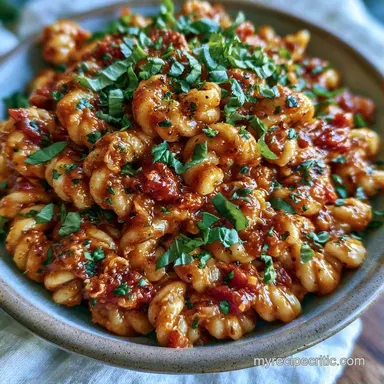
Classic Italian Tomato Pasta in 25 Minutes
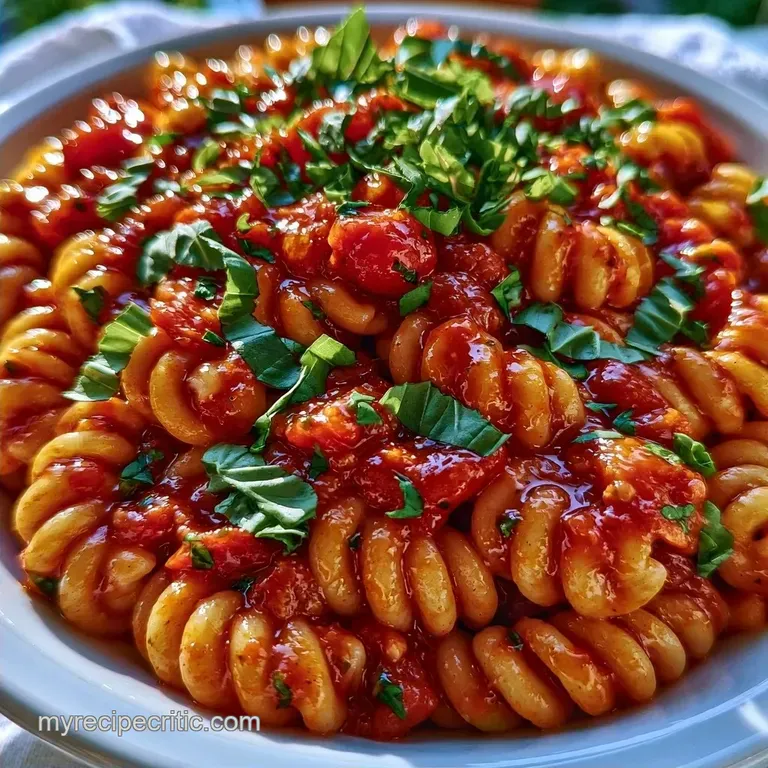
- Time: 10 min active + 15 min cooking
- Flavor/Texture Hook: Tangy, glossy sauce with a fresh basil finish
- Perfect for: Tuesday night dinners or beginner cooks
The smell of garlic hitting hot olive oil is the best part of my day. It's that specific, nutty aroma that tells me dinner is actually happening, even if I've spent the last eight hours in meetings. There's something about the sound of tomatoes bubbling in a skillet that just resets the mood in the kitchen.
I used to think a great sauce needed an entire afternoon and a bunch of expensive additions. But honestly, when you have high-quality canned tomatoes and a bit of patience with the heat, you don't need much else. This is the meal I make when the fridge is mostly empty but I still want something that feels like a treat.
Classic Italian Tomato Pasta is the kind of dish that relies on a few good ingredients doing their job. It's not about fancy techniques, just about timing. You'll get a sauce that clings to every strand of pasta rather than puddling at the bottom of the bowl.
The Truth About Classic Italian Tomato Pasta
Starchy Water: Using a bit of the cloudy pasta water helps the oil and tomato juices bond together. This creates a glossy coating that sticks to the noodles.
Gentle Garlic: Sautéing the garlic on medium low heat ensures it releases its flavor without burning. Burnt garlic turns bitter, which ruins the fresh taste of the tomatoes.
Hand Crushing: Tearing the whole tomatoes by hand keeps some chunks in the sauce. This provides a better mouthfeel than the completely smooth texture of pre pureed cans.
| Method | Time | Texture | Best For |
|---|---|---|---|
| Canned San Marzano | 15 mins | Rich and consistent | Weeknight meals |
| Fresh Blanched | 40 mins | Light and chunky | Summer harvests |
| Jarred Shortcut | 10 mins | Heavy and sweet | Absolute emergencies |
Recipe Specs
This meal is built for efficiency. You aren't spending an hour prepping; you're spending 10 minutes getting things ready and 15 minutes at the stove. It's a straightforward process that doesn't require a culinary degree, just a couple of pots and a skillet.
For the best results, use a 12 inch skillet for the sauce. This gives the tomatoes enough room to reduce and thicken without splashing everywhere. If your pan is too small, the sauce will take longer to thicken and might stay too watery.
The Essential Ingredient Breakdown
| Ingredient | Role | If You Don't Have It |
|---|---|---|
| San Marzano Tomatoes | Base acidity/sweetness | Any whole peeled plum tomatoes |
| Extra Virgin Olive Oil | Flavor carrier | Avocado oil or light olive oil |
| Fresh Basil | Fresh aromatic finish | Dried oregano (use 1/4 tsp) |
| Spaghetti | The vehicle | Linguine or Bucatini |
For the Sauce
- 2 tbsp (30ml) extra virgin olive oil Why this? Adds a fruity, peppery depth to the base
- 4 cloves garlic, thinly sliced Why this? Slices brown more evenly than minced garlic
- 28 oz (800g) canned San Marzano whole peeled tomatoes, crushed by hand Why this? Lower acidity and naturally sweeter
- 1/2 tsp sea salt Why this? Pure salt without additives
- 1/4 tsp black pepper
- 1/2 cup (15g) fresh basil leaves, torn Why this? Tearing prevents bruising the leaves
- 1 pinch red pepper flakes Why this? Adds a tiny hit of warmth
For the Pasta
- 1 lb (450g) spaghetti Why this? Classic shape for tomato sauces
- 4 qts (3.8L) water
- 2 tbsp coarse salt Why this? Seasons the pasta from the inside out
Tools You Actually Need
Basic cookware is all you need to get this right. Just a standard stockpot for boiling and a large skillet for the sauce will do. I recommend using stainless steel or cast iron, as these materials retain heat more effectively, aiding the thickening of the sauce during the final toss.
Tongs are incredibly useful for this step. Draining your spaghetti through a colander often means losing the starchy pasta water essential for a smooth emulsion. By transferring the noodles directly from the pot to the skillet with tongs, the workflow remains quick and tidy.
Putting the Meal Together
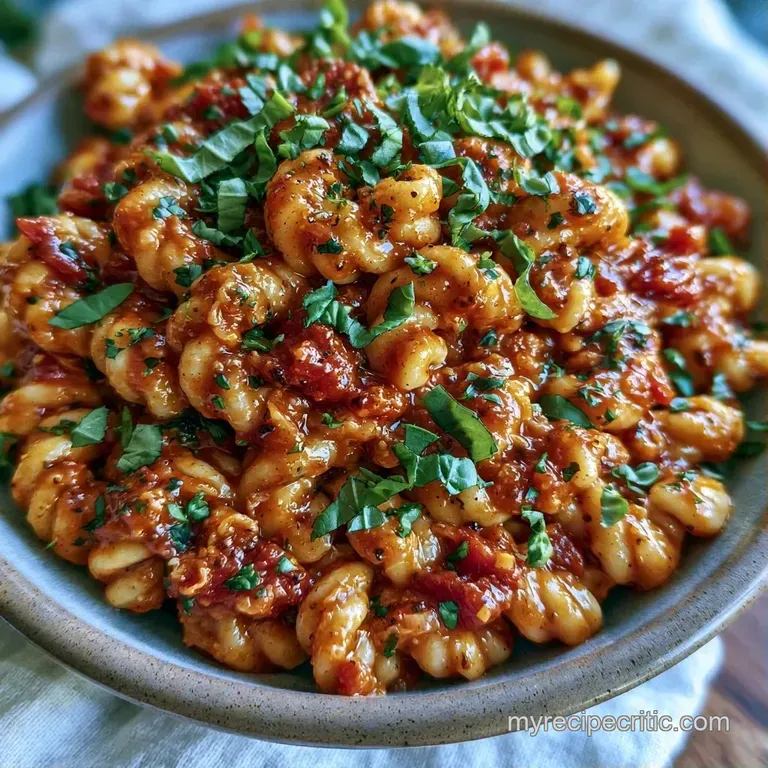
Phase 1: Prepping the Aromatics
Place the stockpot with water and coarse salt over high heat to boil. While that's heating up, put your olive oil in the skillet over medium low heat. Add the sliced garlic and red pepper flakes, stirring constantly for 1–2 minutes until the garlic is translucent and smells nutty.
Phase 2: Simmering the Sauce
Pour in the hand crushed tomatoes, then stir in the sea salt and black pepper. Turn the heat up to medium and let it simmer gently for 10–12 minutes until the sauce thickens and turns a deep red.
Phase 3: Integrating the Pasta
Drop the spaghetti into the boiling water. Cook it for 1 minute less than the package directions so it stays al dente. Just before you drain it, scoop out 1/2 cup (120ml) of the cloudy pasta water and set it aside.
Phase 4: Finishing the Emulsion
Transfer the noodles directly into the simmering sauce. Pour in the reserved pasta water and toss everything vigorously over medium heat for 60 seconds until the sauce is glossy and clings to the pasta. Remove the pan from the heat and stir in the torn basil leaves.
Chef's Note: Don't overcook the pasta in the water. It finishes cooking in the sauce, and that extra minute of simmering is where the noodles actually absorb the tomato flavor.
Solving Common Sauce Problems
Handling Too Much Acidity
Some canned tomatoes are more tart than others. If the sauce tastes too sharp, don't reach for the sugar. Instead, stir in a small knob of unsalted butter or a sprinkle of parmesan cheese. The fats neutralize the acid naturally without making the sauce taste like dessert.
Fixing Thin Sauce
If your sauce is still runny after the simmer, you likely didn't reduce it enough or used too much pasta water. Keep the heat on medium and toss the pasta for another 60-90 seconds. The starch will continue to bind, and the excess water will evaporate, leaving you with a thicker coating.
Stopping Pasta Clumping
If the noodles stick together, it usually means the water wasn't boiling vigorously when you added them, or you didn't stir them in the first two minutes. To fix this in the pan, add another splash of pasta water and use your tongs to vigorously pull the strands apart while tossing.
Ways to Serve This
This is a standalone meal, but a few additions can make it feel more substantial. I usually top mine with freshly grated Pecorino Romano for a salty kick or a dollop of ricotta cheese to cool things down. If you have some toasted sourdough bread, it's the only way to make sure no sauce is left on the plate.
For a lighter version, you might try my Cherry Tomato Sauce, which uses a different technique for a fresher, punchier flavor. But for a rainy Tuesday, this classic version is the way to go.
| Goal | What to change |
|---|---|
| More heat | Double the red pepper flakes |
| Creamier feel | Stir in 1 tbsp butter at the end |
| More veg | Add sautéed spinach before the pasta |
Saving and Using Leftovers
Store any leftover pasta in a glass container in the cooler for up to 3 days. To reheat it, add a tablespoon of water or olive oil and warm it in a skillet over medium heat. Avoid the microwave if you can, as it tends to make the noodles mushy and the sauce separate.
Don't throw away the extra sauce if you made a double batch. It's fantastic as a base for a Simple Tomato Sauce Flatbread. Just spread it on some dough, add cheese, and bake until bubbly.
Swaps for Different Diets
This recipe is easily adaptable to various dietary needs. To make it vegan, simply omit the cheese toppings. Since the sauce is naturally plant-based, the basic cooking process remains unchanged.
For a gluten-free alternative, try brown rice or chickpea pasta. Be mindful of the cooking time, as gluten-free noodles can turn mushy very quickly; check them often. Interestingly, the thick starchy water from chickpea pasta helps the sauce adhere even better to the noodles.
To boost the protein, stir in some sautéed shrimp or cooked cannellini beans during the final toss. Both options complement the tangy tomato flavor without masking the fresh basil. Once you've mastered the timing, this dish serves as an excellent foundation for your own culinary experiments.
Recipe FAQs
How to ensure the sauce clings to the noodles?
Add a splash of reserved pasta water. Toss the pasta and sauce vigorously over medium heat for 60 seconds to emulsify the fats and starches into a glossy coating.
Is it true that tomato sauce requires hours of simmering to taste authentic?
Actually, no. Using high-quality San Marzano tomatoes and a 10–12 minute simmer creates a fresh, bright flavor that mimics long-cooked sauces.
Can I use pre-pureed canned tomatoes instead of whole peeled?
You can, but the texture changes. Hand-crushing whole tomatoes provides a rustic mouthfeel and chunky consistency that pre-pureed cans lack.
When is the right time to stir in the basil?
Add the torn leaves at the very end. Stirring them in after removing the pan from heat preserves their bright green color and peppery aroma.
Why does my sautéed garlic sometimes taste bitter?
The heat was likely too high. Sauté garlic over medium-low heat for only 1–2 minutes until translucent to avoid scorching the cloves.
What is the secret to perfect al dente pasta?
Drain the spaghetti one minute before the package directions. This allows the noodles to finish cooking while tossing in the simmering sauce without becoming mushy.
Which side dish pairs best with this meal?
Warm, crusty bread is the ideal companion. This pasta pairs perfectly with my cheesy garlic bread to soak up the extra sauce.
Does omitting the red pepper flakes ruin the dish?
This one's false: The flakes add a subtle warmth, but the recipe remains delicious and classic without them if you prefer no heat.
Classic Italian Tomato Pasta in 25 Min