Easy Pioneer Womans Crockpot Beef Stew
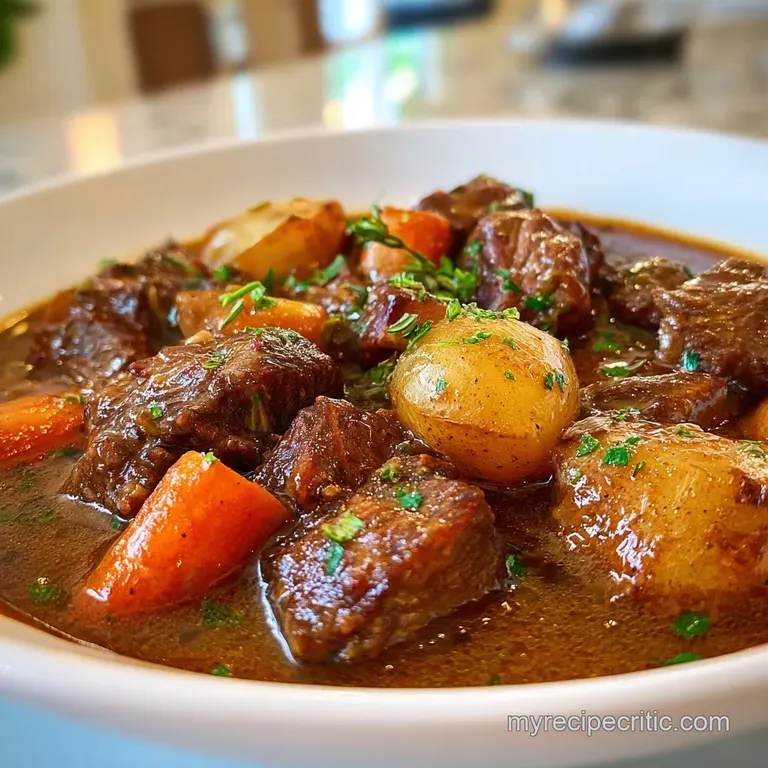
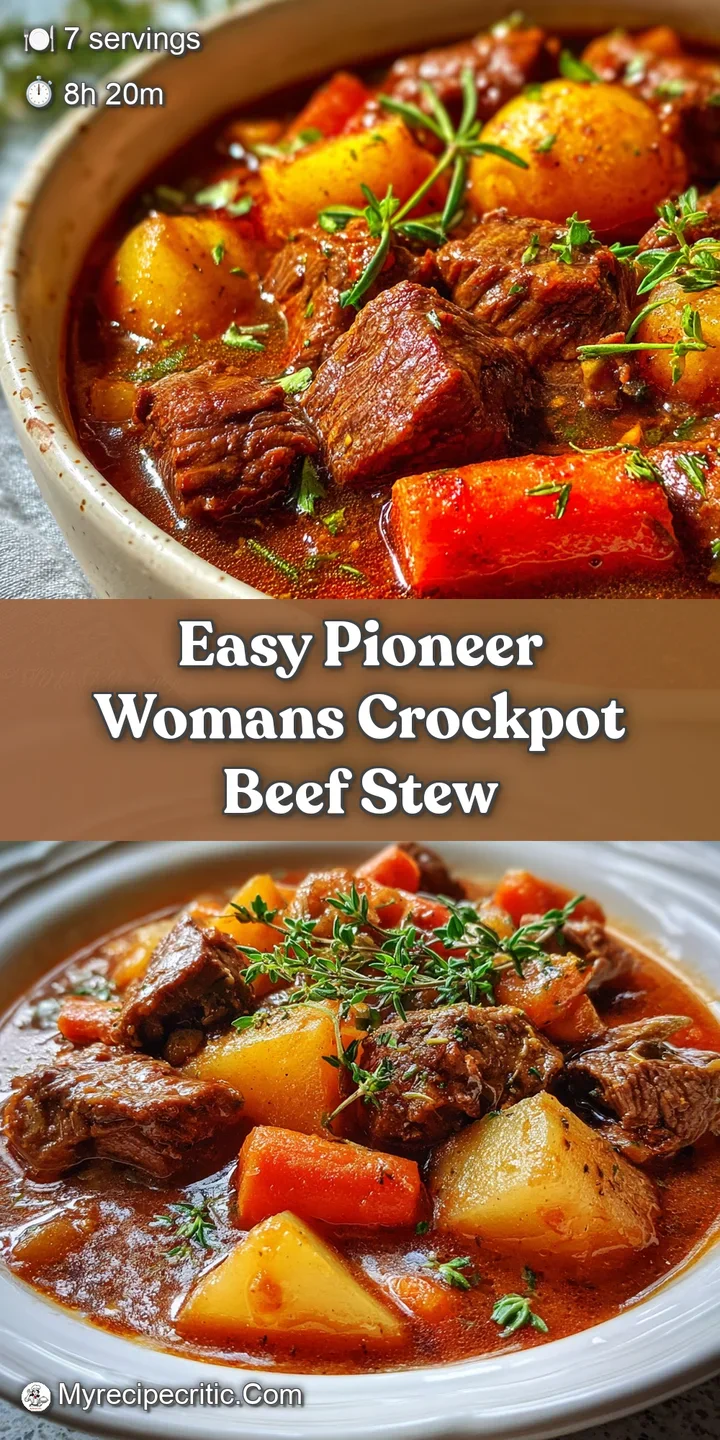
- Time: Active 20 minutes, Passive 8 hours, Total 8 hours 20 mins
- Flavor/Texture Hook: Velvety, melt in-your mouth beef paired with tender, butter soft potatoes in a thick, smoke kissed gravy.
- Perfect for: Stress free Sunday family dinners or cold weather meal prep for busy weeknights.
- The Easy Pioneer Womans Crockpot Beef Stew
- Slow Cooker Success Secret
- Vital Recipe Specifications
- Component Analysis Deep Dive
- Essential Stew Components
- Required Kitchen Tools
- Step By Step Cooking
- Preventing Common Kitchen Errors
- Tasty Stew Variations
- Proper Storage Methods
- Serving And Enjoying
- Kitchen Myths Debunked
- Recipe FAQs
- 📝 Recipe Card
The Easy Pioneer Womans Crockpot Beef Stew
The wind was rattling the windowpanes last Tuesday, the kind of damp cold that settles right into your bones. I remember standing in the kitchen, staring at a massive chuck roast, and thinking about how my grandmother used to let a pot simmer all day until the air grew thick with the scent of thyme and seared fat.
That's when I pulled out the slow cooker, determined to recreate that soul warming magic without having to babysit a stove for six hours.
There’s something about the way a slow cooker coaxes tenderness out of a tough cut of meat that feels like a quiet victory. You start with raw, chunky vegetables and a splash of wine, and by sunset, you have a velvety, rich masterpiece that practically melts before it even hits your tongue.
We aren't just making dinner here; we're creating a scent memory that’ll have everyone drifting toward the kitchen long before the timer dings.
This version of beef stew is all about minimal effort with maximum payoff. We use specific layering techniques to ensure the carrots don't turn to mush while the beef reaches that legendary "shred with-a spoon" consistency.
It's a reliable, earthy meal that rewards patience with a house that smells like a rustic lodge and a bowl that feels like a warm hug.
Slow Cooker Success Secret
- Collagen Transformation: The low and slow heat converts tough collagen into gelatin, creating a velvety mouthfeel and naturally thickening the gravy.
- Aromatic Vapor Infusion: The sealed environment of the crockpot traps volatile flavor compounds from the rosemary and thyme, forcing them back into the meat.
- Enzymatic Tenderization: Maintaining a steady temperature between 160°F and 180°F allows the meat’s natural enzymes to work longer before they denature.
- The Maillard Foundation: Searing the beef before it hits the pot creates complex sugars that provide the "brown" savory flavor that raw boiling can't achieve.
The steady heat of the slow cooker acts as a gentle embrace for the fibers of the beef. Unlike a rolling boil on the stove which can make meat seize and turn rubbery, this method keeps the internal temperature just right for a long, slow relaxation of the protein.
| Cook Time | Heat Setting | Beef Texture | Vegetable Integrity |
|---|---|---|---|
| 4-5 hours | High | Tender but firm | Crisp tender |
| 7-8 hours | Low | Fork tender/shreddable | Perfectly soft |
| 10+ hours | Low | Falling apart | Very soft/mashable |
When deciding on your timeline, remember that "Low" is almost always superior for beef stew. It gives the fat more time to render and integrate into the sauce, similar to how we slow simmer the broth in The Sunday Supper recipe.
Why Beef Chuck Outperforms Cuts?
Beef chuck is the undisputed champion of the slow cooker because it is shot through with intramuscular fat and connective tissue. Leaner cuts like sirloin or round will actually become drier the longer you cook them, whereas chuck becomes more succulent as its internal "glue" melts into liquid gold.
How Does Searing Create Depth?
Searing isn't about "sealing in juices" that’s a kitchen myth we've all heard. It’s actually about creating a crust of concentrated beef flavor through the Maillard reaction, which then dissolves into the broth during the eight hour cook, providing that deep, dark mahogany color we crave.
Vital Recipe Specifications
| Method | Time | Texture | Best For |
|---|---|---|---|
| Slow Cooker | 8 hours 20 mins | Ultra tender, integrated | Hand off meal prep |
| Stovetop | 2 hours 30 mins | Bold, concentrated | Weekend afternoons |
| Oven (Dutch Oven) | 3 hours | Evenly browned, rich | Maximum flavor depth |
If you choose the oven method, keep the temperature at a steady 300°F (150°C) and ensure the lid is tight. The slow cooker remains my favorite for this Easy Pioneer Womans Crockpot Beef Stew because it requires zero monitoring once the lid is closed.
Chef Tip: For an extra layer of flavor, toss your beef cubes in the flour and salt, then let them sit in the fridge uncovered for 20 minutes before searing. This dries the surface and ensures a "shatter" crisp crust when it hits the hot oil.
Component Analysis Deep Dive
| Ingredient | Science Role | Pro Secret |
|---|---|---|
| Beef Chuck Roast | Primary Protein | Trim large fat caps but leave the internal marbling for moisture. |
| Tomato Paste | Umami Booster | Sauté it with the garlic until it turns brick red to remove the metallic edge. |
| Dry Red Wine | Acid & Solvent | The alcohol dissolves flavor compounds that water or broth cannot reach. |
| All purpose Flour | Starch Thickener | Coating the beef first prevents lumps and creates a "built in" roux. |
The choice of liquid is just as important as the meat itself. Using a high-quality bone broth provides a natural gelatinous body to the stew that regular boxed broth often lacks, ensuring the liquid feels rich rather than watery.
Essential Stew Components
The beauty of this Easy Pioneer Womans Crockpot Beef Stew lies in the balance of heavy proteins and bright, earthy vegetables. Every ingredient has a specific job to do in the flavor profile.
- 2.5 lbs Beef Chuck Roast: Trimmed and cut into 1.5 inch cubes. Why this? High collagen content ensures it won't dry out during the 8 hour cook.
- Substitute: Beef brisket or short ribs (bone in adds even more flavor).
- 3 tbsp All purpose flour: For coating. Why this? Creates a thin crust and thickens the stew as it releases starch.
- Substitute: Cornstarch (use half the amount) for a gluten-free option.
- 1 tsp Kosher salt & 0.5 tsp Cracked black pepper: Basic seasoning.
- 2 tbsp Avocado oil: High smoke point for searing.
- Substitute: Ghee or beef tallow for an extra savory aroma.
- 1 large Yellow onion: Thick cut wedges. Why this? Wedges hold their shape better than small dice over 8 hours.
- Substitute: Shallots for a sweeter, more delicate onion flavor.
- 4 cloves Garlic: Minced.
- 2 tbsp Tomato paste: For body and color.
- 1 cup Dry red wine (Cabernet or Merlot): For deglazing. Why this? Adds complexity and cuts through the richness of the beef fat.
- Substitute: Extra beef broth with 1 tbsp balsamic vinegar.
- 3 cups Low sodium beef bone broth: The braising base.
- 2 tbsp Worcestershire sauce: The "secret" salt and umami.
- 2 sprigs Fresh rosemary & 3 sprigs Fresh thyme: Woody aromatics.
- 1.5 lbs Baby Yukon Gold potatoes: Halved. Why this? Waxy potatoes hold their shape better than starchy Russets.
- Substitute: Red potatoes or chopped parsnips.
- 4 large Carrots: Peeled and cut into 1 inch chunks.
- 2 stalks Celery: Sliced into thick half moons.
- 1 cup Frozen sweet peas: Added at the very end for a pop of color.
| Original Ingredient | Substitute | Why It Works |
|---|---|---|
| Red Wine (1 cup) | Pomegranate Juice | Similar acidity and tannin structure without the alcohol. |
| Yukon Gold Potatoes | Rutabaga | Lower carb count, stays firm, and absorbs the beefy broth well. |
| Beef Bone Broth | Mushroom Broth | Adds an intense earthy depth that complements the red wine perfectly. |
If you are looking for a different protein profile, you might enjoy the smoky notes in this Pulled Chicken in recipe which also uses the slow cooker to achieve peak tenderness.
Required Kitchen Tools
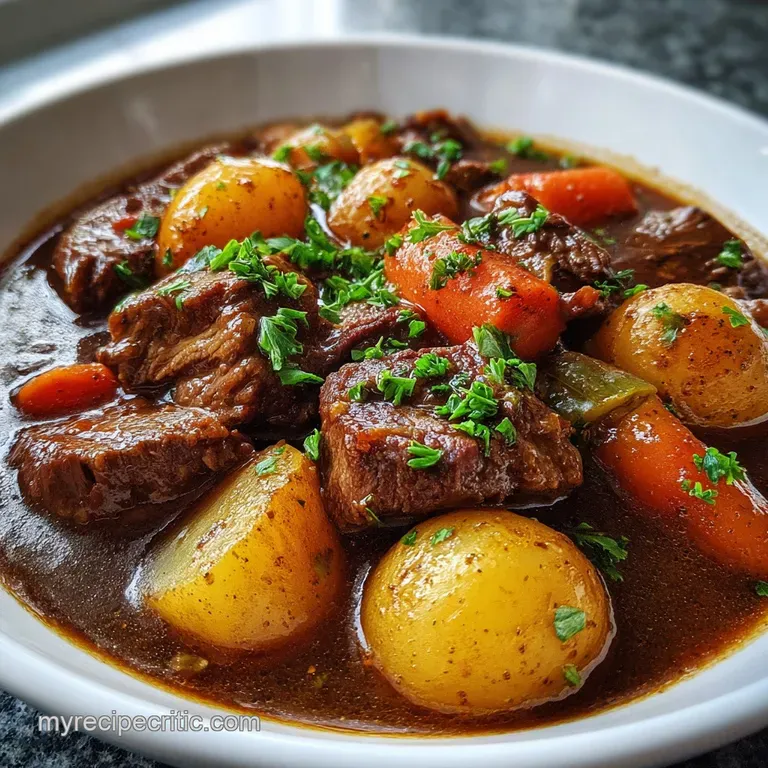
To get the best results for your Crockpot Beef Stew, you’ll need a few basics. A heavy bottomed skillet (like a 12 inch cast iron) is non negotiable for the sear don't try to sear the meat in a thin non stick pan, or you'll just steam it.
You will also need a 6 quart or larger slow cooker. If your slow cooker has a "brown" function, you can do everything in one pot, but I still prefer the heat retention of a heavy skillet for that initial sizzle.
A sturdy pair of tongs is essential for flipping the beef cubes individually to get that golden crust on all sides.
step-by-step Cooking
1. Preparing Beef Searing
Toss the 2.5 lbs of beef chuck cubes with the flour, salt, and pepper in a large bowl until every piece is evenly chalky and coated. Heat the avocado oil in a large skillet over medium high heat until a wisp of smoke appears.
Note: This high heat is vital for a quick sear that doesn't cook the middle of the meat.
2. Building Flavor Foundation
Work in batches to sear the beef until a dark, mahogany crust forms on at least two sides of each cube. Transfer the browned beef to the slow cooker, then add the onion wedges to the same skillet until the edges begin to char and soften.
3. Creating the Deglazing Liquid
Stir the garlic and tomato paste into the onions until the aroma is fragrant and the paste darkens. Pour in the red wine, scraping the bottom of the pan with a wooden spoon until all the brown bits (the fond) are dissolved into the liquid.
4. Layering Slow Cooker
Add the carrots, celery, and halved baby Yukon Gold potatoes into the slow cooker on top of the beef. Note: Placing the vegetables near the heating elements on the sides and bottom helps them cook through.
5. Adding the Braising Base
Pour the beef bone broth and Worcestershire sauce over the meat and vegetables. The liquid should nearly cover the solids but not submerge them completely.
6. Infusing Woody Aromatics
Nestle the rosemary and thyme sprigs into the liquid. Slightly bruise the herbs with your fingers before adding them to release their essential oils.
7. The Slow Simmer
Cover the pot and cook on "Low" for 8 hours until the beef is tender enough to shatter with the slight pressure of a fork.
8. Final Finishing Touch
Remove the woody herb stems and stir in the frozen sweet peas. Let them sit for 5 minutes in the residual heat until they are bright green and tender.
Preventing Common Kitchen Errors
The most frequent heartbreak with slow cooker stews is ending up with a "soup" rather than a thick, rich stew. This usually happens because people add too much liquid. Remember, vegetables release their own moisture as they cook!
Fixing Watery Stew
If your stew looks thin after 8 hours, don't panic. You can whisk 1 tablespoon of cornstarch with 2 tablespoons of cold water to create a slurry. Stir it into the bubbling pot and turn the heat to "High" for 20 minutes; the liquid will transform into a silky gravy.
Fixing Tough Beef
If the timer goes off and the beef is still chewy, it simply hasn't cooked long enough. Beef chuck has a "bell curve" of tenderness. It starts tough, becomes very tough as the fibers tighten, and then suddenly relaxes into tenderness once the collagen melts. Give it another hour on Low.
| Problem | Root Cause | Solution |
|---|---|---|
| Mushy Potatoes | Used Russet potatoes | Use waxy Yukon Golds or Red potatoes next time. |
| Bitter Aftertaste | Scorched tomato paste | Only sauté tomato paste for 1-2 minutes until brick red. |
| Greasy Surface | Excess fat on chuck | Chill the stew and skim the hardened fat off the top. |
Common Mistakes Checklist
- ✓ Never crowd the pan during searing; if the cubes touch, they will steam instead of brown.
- ✓ Resist the urge to lift the lid; every time you peek, you lose 15-20 minutes of accumulated heat.
- ✓ Always peel your carrots; the skins can become bitter and "papery" after a long cook.
- ✓ Use low sodium broth so you can control the final saltiness yourself at the end.
- ✓ Add the frozen peas only at the very end to keep their color and snap.
Tasty Stew Variations
If you want a more "Root Vegetable Special," swap half the potatoes for parsnips and turnips. They add a peppery, sweet complexity that pairs beautifully with the beef. For those avoiding alcohol, a splash of balsamic vinegar mixed into the broth provides that necessary acidic "zing" that red wine usually offers.
If you are looking for a thicker, more traditional sauce, you might want to try the technique in The Homemade Gravy recipe to finish your stew with an even silkier texture.
Low Carb Adjustments
To make this keto friendly, replace the potatoes with cauliflower florets or radishes. Radishes lose their peppery bite when slow cooked and take on a texture very similar to a potato. Skip the flour coating on the beef and thicken the sauce at the end with a pinch of xanthan gum instead.
Proper Storage Methods
Storage: This stew actually tastes better on day two once the flavors have had time to "marry." Keep it in an airtight container in the fridge for up to 4 days.
Freezing: Beef stew freezes beautifully. Place cooled stew in freezer safe bags, removing as much air as possible. It will stay fresh for up to 3 months. To reheat, thaw overnight in the fridge and warm gently on the stovetop.
Zero Waste: Don't throw away the leftover gravy! If you finish the meat and veggies but have a cup of liquid left, use it as a base for a shepherd's pie or toss it with some egg noodles for a quick lunch.
Serving And Enjoying
A stew this rich needs a bit of contrast. I love serving it in wide, shallow bowls with a thick slice of crusty sourdough bread to mop up every drop of that gravy. The acidity of the bread cuts through the fatty richness of the beef chuck perfectly.
Professional Garnish Techniques
Never underestimate the power of fresh herbs at the finish line. A handful of chopped Italian parsley or a few fresh thyme leaves adds a burst of "green" flavor that wakes up the deep, earthy tones of the slow cooked meat.
A tiny dollop of horseradish cream on top can also provide a sophisticated, spicy kick that highlights the beef's natural flavor.
Chef Tip: If you find the stew is too "heavy," stir in a teaspoon of fresh lemon juice or red wine vinegar right before serving. This "brightens" the entire dish and makes the flavors pop without adding more salt.
Best Stew Sidekicks
While this is a meal in-a bowl, it pairs excellently with a crisp side salad dressed in a sharp vinaigrette. If you want to go full comfort mode, serve it over a bed of The Moist Classic recipe for a holiday style feast any day of the week.
Kitchen Myths Debunked
Myth: Searing "seals in" the juices. Truth: Moisture loss occurs regardless of searing. The real reason we sear is for the Maillard reaction a chemical reaction between amino acids and reducing sugars that gives browned food its distinctive savory flavor.
Myth: You must soak potatoes before adding them. Truth: While soaking removes surface starch (good for fries), in a stew, that extra starch actually helps slightly thicken the braising liquid. Just wash them well and throw them in.
Myth: High heat is faster and just as good. Truth: High heat in a slow cooker can cause the proteins in the beef to contract too quickly, squeezing out moisture before the collagen has a chance to melt. This leads to the "dry yet sitting in liquid" meat texture.
Low heat is the only way to go for true melt in-your mouth beef.
Recipe FAQs
Do I have to brown stew meat before putting it in the crockpot?
Yes, browning is crucial for deep flavor. Searing the beef triggers the Maillard reaction, creating complex savory compounds that boiling raw meat cannot achieve. This foundational flavor is what makes the stew taste slow cooked, not just stewed.
What is the secret to a good beef stew?
The secret is low, slow heat to convert collagen into gelatin. This process tenderizes the tough chuck roast until it’s fork tender while simultaneously enriching and thickening the broth naturally. If you mastered controlling the cooking time here, you see how that precision applies to even cooking in our German Chicken Noodle Soup recipe.
Can you put raw beef in a slow cooker for stew?
Yes, you can technically cook raw beef for stew, but it is not recommended. While the meat will eventually become tender, you will miss out on the massive depth of flavor provided by searing the meat first.
How to make the best beef stew in a slow cooker?
Sear the cubed beef first until a deep mahogany crust forms on all sides. After searing, deglaze the pan with red wine to capture all the flavorful browned bits before adding the meat, vegetables, and broth to the slow cooker.
Why did my beef stew turn out watery instead of thick?
You likely added too much liquid initially or skipped thickening at the end. Vegetables release significant moisture during the 8-hour cook time. Fix this by mixing cornstarch with cold water (a slurry) and stirring it into the hot stew near the end of the cycle.
Can I substitute chuck roast with a leaner cut like sirloin?
No, stick with fatty cuts like chuck or brisket for the best slow cooker result. Leaner cuts lack the connective tissue (collagen) necessary to break down into tender gelatin during the long, low temperature cook time.
What liquid is best for the slow cooker base?
Use a high-quality, low-sodium beef bone broth as the primary liquid. The natural gelatin in bone broth provides a superior body and mouthfeel to the final gravy compared to regular stock. For an intensely savory flavor profile, you can make a quick homemade version using The 10Minute Pantry recipe as a base flavoring agent.
Pioneer Beef Stew Crockpot
Ingredients:
Instructions:
Nutrition Facts:
| Calories | 568 kcal |
|---|---|
| Protein | 37.4 g |
| Fat | 29.1 g |
| Carbs | 28.6 g |
| Fiber | 4.2 g |
| Sugar | 5.8 g |
| Sodium | 615 mg |
