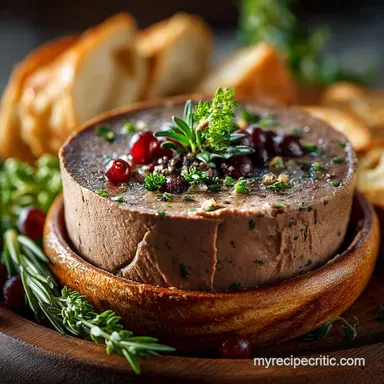
A Proper Pâté Creamy Classic Beef Liver Perfection with Brandy and Thyme
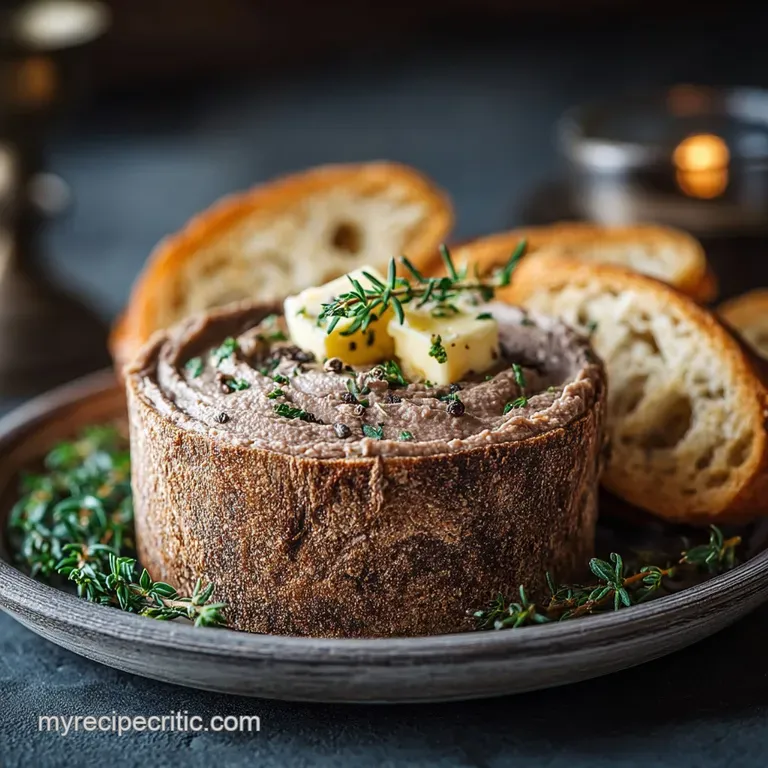
- Elevating the Classic Beef Liver Pate: Why Texture Matters
- Sourcing Your Supplies: Essential Components and Preparation Notes
- Mastering the Classic Beef Liver Pate Method: Detailed Cooking Stages
- Presentation and Pairing: Maximizing Your Classic Beef Liver Pate Experience
- Troubleshooting, Shelf Life, and Gourmet Variations
- Recipe FAQs
- 📝 Recipe Card
Elevating the Classic Beef Liver Pate: Why Texture Matters
The Classic Beef Liver Pate stands as a monument to elegant, French inspired simplicity. While often mistakenly lumped in with rougher preparations, a true gourmet pâté is defined by its texture a rich, melt-in-the-mouth velvetiness that can only be achieved through meticulous technique.
This sophisticated preparation transforms the robust flavor of the beef liver into a creamy, deeply satisfying appetizer. When executed correctly, the resulting creamy beef liver pate should be so smooth that it glides effortlessly across the tongue, making it a star component of any serious charcuterie offering.
The Crucial Difference Between Pâté, Mousse, and Terrine
Understanding the terminology is key to appreciating the quality of this pate from beef liver . While the term "pâté" is a broad French descriptor for a paste or mixture of ground meat and fat, its texture dictates its classification.
A terrine generally refers to a coarser, often sliced mixture baked in a loaf pan, retaining a chunkier bite. A mousse, on the other hand, is whipped with cream or egg white and aims for lightness.
This traditional beef liver pate recipe bridges these concepts; it is cooked in a pan like a traditional pâté but achieves the refined, airy lightness usually associated with a mousse by incorporating a significant amount of cold butter and heavy cream during the final blending stage.
Demystifying the 'Medium' Difficulty: Skills You'll Acquire
While the ingredient list is straightforward, this recipe earns its "Medium" difficulty rating due to the need for precision. The main hurdles are not complex techniques, but rather careful timing.
The two crucial skills you will acquire are learning to sear the liver just enough it must remain visibly pink and only about 80% cooked through and mastering the crucial step of straining.
These steps prevent the liver proteins from tightening and turning grainy, which is the nemesis of any high-quality Liver Pate Recipe .
From Humble Ingredients to Charcuterie Board Centerpiece
Despite its luxurious presentation, the foundation of this Classic Beef Liver Pate relies on just a handful of high impact ingredients. We use 450g (1 lb) of beef liver, balanced beautifully by aromatic shallots, a punch of garlic, and the warmth of brandy.
The result is an incredibly rewarding culinary project that yields approximately 14 appetizer servings, proving that a humble base ingredient can, with proper handling, become a high end Gourmet Liver Pate Recipe .
Sourcing Your Supplies: Essential Components and Preparation Notes
Preparation begins long before the pan hits the heat. The quality of your pâté is directly proportional to the care taken in sourcing and preparing the core ingredients.
Choosing the Perfect Beef Liver and Pre-Soaking Secrets
Select the freshest possible beef liver, aiming for pieces that are vibrant and uniform in color. The most critical preparatory task is meticulously trimming the 1 lb of liver. All connective tissue, sinew, and tough membranes must be removed, as these elements will refuse to blend smoothly and are the primary culprit for a gritty texture.
While optional, soaking the trimmed liver in milk for 30 minutes can help draw out any bitterness, ensuring a cleaner, more approachable flavor profile in the final pate beef liver recipe . Once soaked and trimmed, pat the liver pieces thoroughly dry before cooking.
The Unsung Heroes: Brandy, Shallots, and Fresh Thyme
The flavor structure hinges on proper preparation of the aromatics. We use two medium shallots, finely minced, which require gentle caramelization in butter over medium low heat for 5- 7 minutes until completely soft and translucent never browned.
This sweetness provides a vital counterpoint to the deep mineral flavor of the liver. The richness is sealed when we deglaze the pan with ¼ cup (60ml) of good quality brandy or cognac, capturing all the browned "fond" from the searing process.
This infusion of spirit is a non-negotiable step in achieving an authentic french liver pate recipe . Finally, the aromatic note is provided by fresh thyme, adding a herbaceous lift.
Tools of the Trade: High Powered Blenders and Fine Mesh Sieves
While many recipes can tolerate less specialized equipment, achieving the signature creamy texture requires two specific tools. First, a high powered food processor or blender is necessary to fully break down the liver fibers and emulsify the ingredients quickly.
Second, the fine mesh sieve is your most vital piece of equipment. After blending, vigorously pushing the entire mixture through this sieve guarantees the removal of any residual tough pieces, resulting in the flawless, velvety texture demanded by a premium Liver Pate Recipe Beef .
Related Recipes Worth Trying
- Silky Smooth Beef Liver Pate With Fresh Herbs Cognac — Achieve true bistroquality Gourmet Liver Pate at home This Beef Liver Pate With Fresh Herbs recipe is foolproof delivering a velvety smooth texture finished...
- Zesty Beef Taco Salad Recipe with Homemade LimeCumin Vinaigrette — This vibrant Beef Taco Salad is your healthy taco salad bowl dream Ready in 35 minutes featuring robust ground beef and a zesty homemade limecumin dressing
- The Sunday Supper Classic Hearty Homestyle Vegetable Beef Soup — This easy Vegetable Beef Soup recipe delivers rich slowsimmered flavour without the fuss Loaded with tender beef and veggies its the perfect comfort classic
Mastering the Classic Beef Liver Pate Method: Detailed Cooking Stages
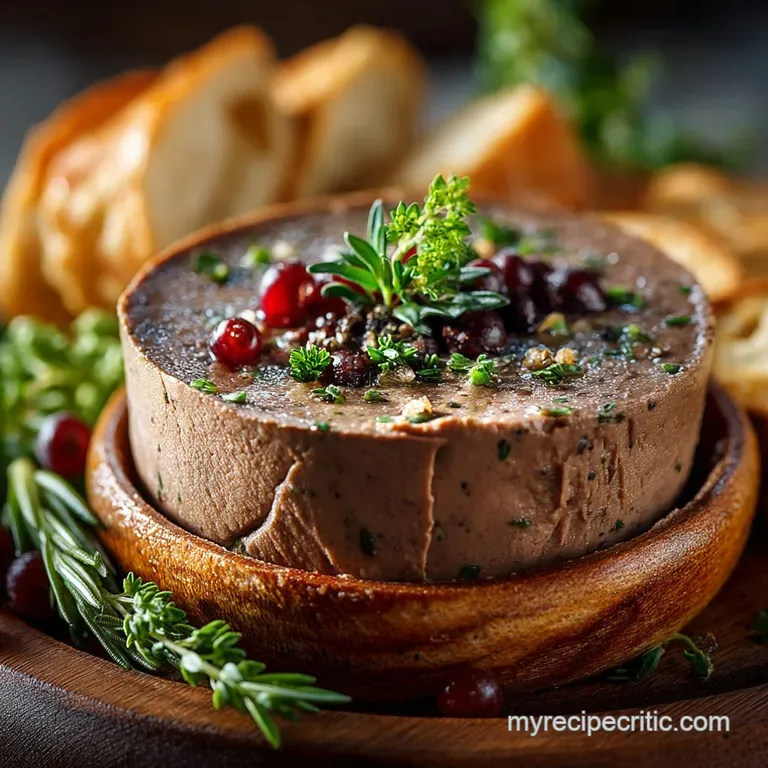
The cooking process is swift and requires attention to temperature to ensure the liver remains tender and pliable for blending.
Step-by-step Shallot Caramelization: Building the Flavor Foundation
Start by melting 2 tablespoons (30g) of butter in a large sauté pan. Add the minced shallots and cook them slowly until they are fully softened. Once fragrant, add the garlic for just one minute it shouldn't brown.
Remove this mixture and set it aside; it will be combined later, ensuring the aromatics don't overcook during the liver sear.
Achieving the Ideal Searing Temperature for the Liver
Increase the pan heat to medium high and add the remaining 2 tablespoons of butter. When the butter foams subside, add the dried liver pieces. Sear the pieces quickly, aiming for only 1 to 2 minutes per side. The goal is a nice exterior color, but the interior must remain largely pink.
If the liver is fully cooked and gray throughout, the resulting pâté will be dry and grainy. Remove the pan from the heat, pour in the measured brandy, and scrape up the browned bits from the pan bottom (the fond).
Reduce the liquid by half, then combine the cooked shallots, garlic, thyme, salt, and pepper with the liver mixture. Allow this mixture to cool slightly for 5 to 10 minutes before moving to the processor.
The Critical Emulsification: Whipping in the Cold Butter
Transfer the entire contents of the pan, including all juices, to the food processor bowl. Pulse a few times to break up the pieces. Now, the magic begins. With the motor running, gradually drop in the 225g (1 cup) of cubed, thoroughly chilled unsalted butter, a few pieces at a time.
The cold fat instantly stabilizes the emulsion, creating structure and incredible richness. Once the butter is incorporated, slowly drizzle in the ¼ cup (60ml) of heavy cream.
Continue processing for 2 to 3 full minutes until the Classic Beef Liver Pate mixture is completely homogeneous and significantly lighter in color than when you started.
Passing the Mixture: Ensuring Velvety Smoothness
Do not skip this step! Place your fine mesh sieve over a clean bowl. Use a rubber spatula to vigorously work the warm pâté mixture through the sieve, scraping the bottom of the sieve frequently. This demanding task guarantees the final silky texture.
Discard the small amount of fibrous tissue and sinew left behind. Taste the strained mixture it should be slightly aggressive in flavor while warm, as chilling will mute the saltiness and adjust seasoning before molding.
Presentation and Pairing: Maximizing Your Classic Beef Liver Pate Experience
Once molded and chilled, the final steps involve sealing and presenting your exquisite preparation.
Top Layer Trick: Sealing the Pâté with Clarified Butter
To protect the surface of the finished pâté from drying out or oxidizing, a butter seal is strongly recommended. Once the pâté has chilled and firmed up (a minimum of 4 hours, though overnight is optimal), gently melt ½ cup (120ml) of clarified butter or ghee.
Pour an even, thin layer (about 5mm) over the top of the pâté mold. This layer not only preserves the pâté but gives it a polished, professional look. Garnish the clear butter layer with a sprig of fresh thyme or whole peppercorns before returning it to the fridge for another 30 minutes to set hard.
Ideal Accompaniments: Pickled Cornichons and Crusty Bread
The immense richness of the creamy beef liver pate demands sharp, acidic contrasts. Classic pairing mandates serving it alongside small, crunchy pickled cornichons (gherkins) or capers. The acidity of these pickles perfectly slices through the fat.
Serve spreadable portions with crisp water biscuits, or, ideally, thinly sliced, toasted baguette rounds to elevate the entire experience. For a sweeter pairing, offer a side of fig jam or caramelized onion jam.
Troubleshooting, Shelf Life, and Gourmet Variations
Storage Solutions: How Long Does Homemade Pâté Last?
Due to the high fat content and the protective barrier of the clarified butter seal, homemade pâté has an excellent shelf life. If sealed properly, the Liver Pate Recipe can be stored in the refrigerator for up to 7 to 10 days.
If you skip the butter seal, plan to consume the pâté within 4 to 5 days, ensuring it is tightly covered with plastic wrap pressed directly against the surface to minimize air exposure.
Beyond Brandy: Alternative Spirits and Flavor Swaps for Classic Beef Liver Pate
While brandy is traditional for this Gourmet Liver Pate Recipe , variations are welcome. If you prefer a slightly sweeter profile, swap the brandy for an equivalent measure of a quality port (Ruby or Tawny).
For an alcohol free alternative, replace the brandy with an equal measure of deeply reduced beef stock. To truly elevate the dish, consider adding savory herbs like sage or replacing a tablespoon of the finishing butter with luxurious truffle butter, providing an instant earthy depth to your next batch of Classic Beef Liver Pate .
Recipe FAQs
My pâté turned out grainy, not silky smooth. Where did I go wrong?
That’s a common frustration, akin to finding a lump in your custard! The main culprits are usually either overcooking the liver or skipping the straining step. The liver must be just slightly pink inside when you take it off the heat overcooked liver becomes gritty, which no amount of blending can fix.
Always push the final mixture through a fine mesh sieve; it removes those pesky connective tissues and ensures a texture as smooth as polished silverware.
How long will this Classic Beef Liver Pate keep, and should I definitely use the butter seal?
If you’ve kept it well sealed in the fridge, your pâté should be perfectly good for 7 to 10 days. The clarified butter seal is absolutely recommended; think of it as a proper lid.
It protects the surface from air, which prevents oxidisation and keeps the pâté looking fresh and tasting its best, right up until the last dollop. Just remember that pâté tends not to freeze very well, as the texture can become quite strange upon thawing.
Can I substitute beef liver for chicken liver, or will that change the flavour too much?
You certainly can swap them, but be warned: the flavour profile will be dramatically different. Beef liver, as used in this Classic Beef Liver Pâté, is much more robust, earthy, and mineral rich it gives you that proper, old-school depth.
Chicken liver is significantly milder and perhaps a bit creamier. If you’re catering to someone less keen on strong offal flavours, chicken liver is a brilliant substitution, just be sure to reduce the cooking time slightly.
The recipe calls for brandy; what if I want to make an alcohol free version?
Not a problem! The brandy is primarily there for depth and to help deglaze the pan, picking up all those lovely caramelised bits (the ‘fond’). You can easily substitute the brandy with the same quantity of high-quality beef stock or even a dry, non-alcoholic sherry.
Just ensure you still reduce the liquid by half to concentrate those savoury flavours before blending.
What are the best accompaniments for serving this pâté for a British style charcuterie board?
You need contrasting textures and flavours to cut through that rich pâté! A proper spread requires tangy pickled gherkins (cornichons) and perhaps some sharp pickled onions. For sweetness, a dark Fig Chutney or a rich Caramelised Onion Marmalade is essential.
Serve it on thin, crisp water biscuits or some lightly toasted baguette rounds. And don't forget the claret to wash it all down!
Creamy Classic Beef Liver Pate With Brandy