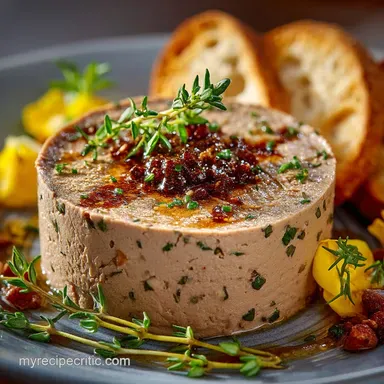
Silky Smooth Chicken Liver Pâté with Cognac Thyme the French Classic
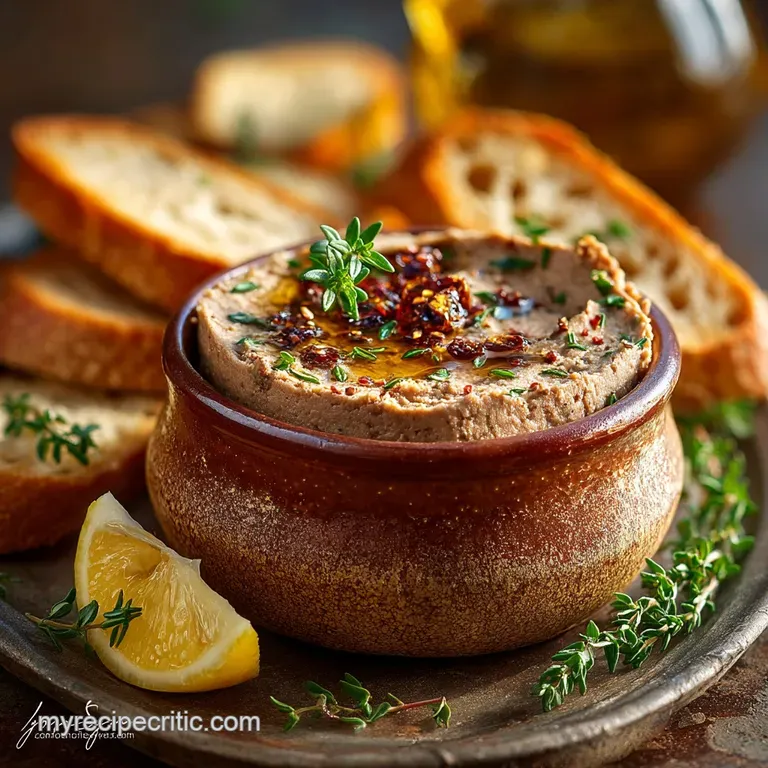
- Elevate Your Appetizer Game with the Perfect Parisian-Style Pâté
- The Secret to Silky Smoothness: Why This Chicken Liver Pâté Stands Out
- Sourcing and Prepping the Core Components for Luxurious Liver Pâté
- Essential Equipment and High-Quality Ingredients Required
- Mastering the Technique: Step-by-Step Guide to Cooking the Livers
- Achieving the Perfect Set: Blending, Chilling, and Sealing Your Liver Pâté
- Expert Tips and Troubleshooting for Your Homemade Pâté
- Storage Guidelines and Elegant Presentation Ideas
- Recipe FAQs
- 📝 Recipe Card
Elevate Your Appetizer Game with the Perfect Parisian-Style Pâté
There is a profound difference between a rustic, grainy Liver Pâté and one that melts on the tongue with the finesse of a true French bistro specialty. Achieving that elegant, unparalleled texture is the hallmark of a truly great spread.
This Classic French Liver Pâté, enriched with the warm complexity of Cognac and fragrant thyme, transforms simple chicken livers into a sophisticated culinary experience.
Forget the store-bought versions; creating this delicacy at home is surprisingly accessible and delivers an astounding return on investment for effort. Whether you are hosting a formal dinner or simply looking to upgrade your charcuterie board, mastering this Homemade Liver Pate Recipe is essential for any serious home cook.
The Secret to Silky Smoothness: Why This Chicken Liver Pâté Stands Out
What differentiates our recipe from common attempts is a meticulous focus on temperature control and mechanical technique. Many cooks rely solely on butter for flavour, but we harness its properties to create a stable emulsion, resulting in a Silky Smooth Chicken Liver Pâté every time.
The goal is pure velvet, no chalkiness, no residual chew, just spreadable, creamy perfection.
What Makes a Pâté Truly 'French Classic'?
A classic pâté is defined by its richness, depth of flavour, and smooth consistency. It balances the earthiness of the liver with substantial fat and a critical aromatic element, usually alcohol.
By incorporating shallots, garlic, and fresh herbs, and crucially, finishing it with a powerful deglazing spirit, we capture the authentic, complex profile expected of a Parisian preparation.
The addition of heavy cream just before blending provides a stabilizing buffer, ensuring the resulting spread holds its luxurious texture when chilled.
Ditching the Grainy Texture: Understanding Emulsification
The primary culprit behind a grainy pâté is overcooked liver, but the second key factor is poor fat incorporation. To achieve the required smoothness, we utilize the principle of emulsification.
Once the cooked mixture is in the food processor, we introduce a substantial quantity of cold butter, a full stick (115g), piece by piece while the blade runs continuously.
This rapid shearing action breaks the cold fat down into microscopic droplets that suspend throughout the liver mixture, creating a thick, stable, and pale emulsion that sets perfectly creamy in the fridge.
The Essential Role of Cognac and Aromatic Thyme
Flavoring agents are crucial in elevating the Liver Pâté Recipe from basic to brilliant. The inclusion of Cognac or high-quality brandy serves a dual purpose: first, to deglaze the pan after the livers are seared, pulling up all the caramelized, savoury ‘fond’ (browned bits) from the bottom; and second, to introduce its signature fruity, oak-aged aroma.
When used in our Chicken Liver Pâté with Cognac, the alcohol reduces down to a concentrated essence, providing depth that cuts through the richness of the liver and butter. Fresh thyme contributes a slightly woody, bright herbal note, which complements the heavy richness perfectly.
Sourcing and Prepping the Core Components for Luxurious Liver Pâté
The quality of your ingredients directly correlates to the luxury of your final Pate Recipe Homemade. Start with 1 lb (450g) of the freshest chicken livers available. The most labour-intensive part of the prep, but arguably the most important, is trimming.
You must carefully inspect and remove every piece of sinew, connective tissue, and any greenish or yellowish bile-stained areas. These small, often overlooked parts are responsible for bitter flavour notes and will introduce texture problems that even extensive blending cannot remedy.
Once trimmed, pat the livers completely dry, as residual moisture impedes proper searing.
Essential Equipment and high-quality Ingredients Required
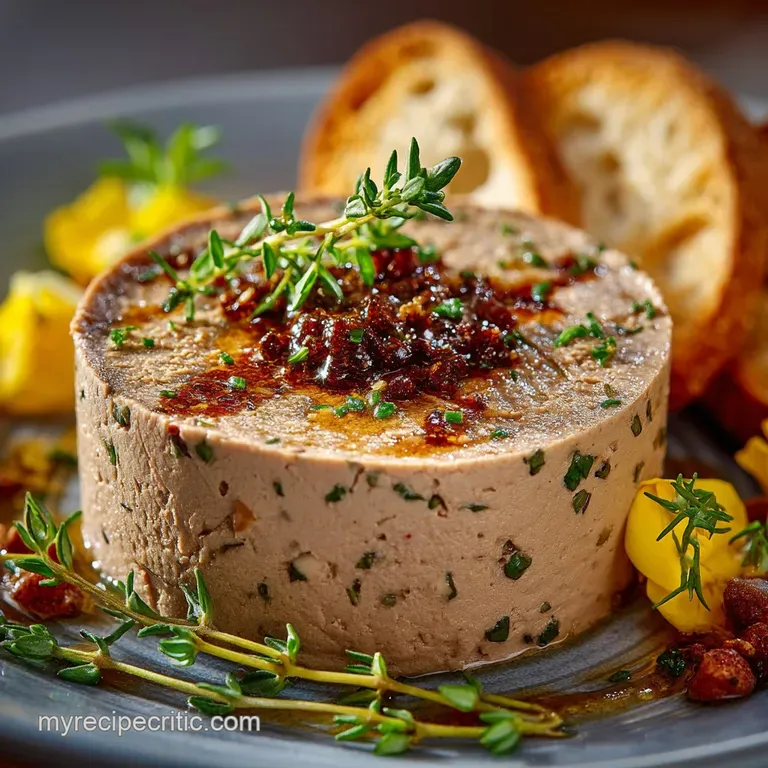
This recipe is considered medium difficulty, not because of complex ingredients, but because the right equipment and precise ratios are mandatory for success.
Selecting the Best Chicken Livers and Clarified Butter
As mentioned, impeccably trimmed chicken livers are paramount. For the fat component, choose high-quality unsalted butter. We use 4 Tbsp (60g) for the initial sautéing, and a full 115g of strictly cold, cubed butter for the final blend.
Finally, the protective layer of clarified butter (another 4 Tbsp or 60g) seals the pâté. Clarified butter is simply butterfat with the milk solids and water removed, which prevents spoilage and preserves the vibrant colour underneath.
The Necessary Tools for Achieving a Velvet Texture
While you need a heavy-bottomed skillet for searing, the true hero tool for this recipe is the food processor . A standard blender will not create the necessary shear force to achieve the required emulsion. For truly professional, bistro-quality results, a fine-mesh sieve is highly recommended.
After blending, pressing the mixture through the sieve removes any potential lingering connective tissues or unblended aromatics, ensuring that the finished product is flawless.
Flavor Boosters: Shallots vs. Onions and Fresh Herb Choices
We opt for two medium shallots over standard onions because they offer a milder, sweeter, and more complex aromatic base that doesn't overpower the delicate flavour of the liver. The two large minced garlic cloves add necessary pungency.
While dried herbs can be used in a pinch, fresh thyme (about 1 tsp of leaves) provides a brighter, more integrated flavour profile.
Ingredient Ratios: Balancing Fat and Flavor for Optimal Results
This recipe balances 450g of liver with a total of 235g of butter (used in cooking, emulsifying, and sealing) and 30ml of heavy cream. This high fat-to-liver ratio is intentional, providing the richness and stability required for the final texture.
Remember to season aggressively with at least 1 tsp of fine sea salt during the cooking stage, as chilling dulls the palate’s perception of saltiness.
Related Recipes Worth Trying
- Creamy Classic Beef Liver Pate The Silky FrenchStyle Pâté Recipe — Forget gritty pâtés Our traditional beef liver pâté recipe uses cold butter and fine straining for a meltinthemouth creamy texture finished with brandy The...
- Silky Smooth Beef Liver Pate With Fresh Herbs Cognac — Achieve true bistroquality Gourmet Liver Pate at home This Beef Liver Pate With Fresh Herbs recipe is foolproof delivering a velvety smooth texture finished...
Mastering the Technique: step-by-step Guide to Cooking the Livers
The cooking phase is swift and demands focus. First, melt the initial 4 Tbsp of cooking butter in your skillet. Once the shallots and thyme are fragrant and translucent (about 4–5 minutes), add the garlic for just one minute more and set the aromatics aside.
Next, increase the heat to medium-high. Add the trimmed livers, seasoning them immediately and aggressively with salt and pepper. Sear them quickly, turning constantly, for a maximum of 3–4 minutes. This process is key to achieving a truly Easy Liver Pâté Recipe.
Achieving the Perfect Set: Blending, Chilling, and Sealing Your Liver Pâté
The transition from pan to food processor determines the success of your final product. Work quickly and precisely through these final stages to capture the desired creaminess.
Sautéing the Aromatics and Flambéing with Cognac
After removing the seared livers from the heat, pour in the 1/4 cup (60ml) of Cognac. If you are comfortable, briefly tilt the pan to ignite the alcohol, or simply allow it to bubble and reduce safely over low heat for about a minute, scraping up all the pan juices.
Stir in the warm heavy cream, and allow the entire mixture to cool for 5 minutes before transferring it to the processor. This slight cooling prevents the hot mixture from immediately melting the cold butter we are about to add.
The Critical Step: Cooking Livers Just Until They Are Pink Inside
This cannot be overstated: the livers must be removed from the heat when they are still visibly pink and rosy on the inside, despite being browned on the exterior. Use a sharp knife to slice one open to check for doneness.
If the livers are cooked through to a gray colour, the proteins seize up, resulting in a frustratingly dry and chalky texture that no amount of processing can fix.
Incorporating Cold Butter for an Unmatched Silky Finish
Transfer all the cooked livers, aromatics, and pan juices to the food processor. Begin blending until the mixture is entirely smooth. Then, while the motor is still running, drop the cold, 1/2-inch cubes of emulsifying butter in gradually. Process for 1 to 2 full minutes afterward.
The mixture will lighten in colour and thicken dramatically. Before proceeding, this is the final opportunity to taste and adjust the salt level. For optimal results, press this mixture through the fine-mesh sieve, discarding any solids left behind.
Pouring and Setting the Pâté for Maximum Creaminess
Carefully transfer the smooth pâté into your prepared ramekins or terrine. Gently tap the vessels on the counter to eliminate any air bubbles and smooth the surface. Next, gently melt and clarify the sealing butter by skimming off the white foam.
Pour a thin, protective layer of the clarified butter over the top of the pâté. Place a sprig of thyme for decoration, and immediately transfer the containers to the refrigerator.
The pâté requires a minimum of four hours to set, but overnight chilling is strongly recommended for peak creaminess and flavour development.
Expert Tips and Troubleshooting for Your Homemade Pâté
To guarantee a perfect batch of Chicken Liver Pâté, focus on these final details. Always trust your temperature instincts over a strict timer; if the livers look ready (pink inside), take them off the heat immediately.
When processing, ensure the cold butter is very cold, this contrast is crucial for a successful emulsification. Finally, don't be shy with the seasoning; liver requires a robust amount of salt to shine.
If you are making a large batch of Liver Pâté for an event, consider separating the portions into smaller ramekins for faster cooling and easier serving.
Storage Guidelines and Elegant Presentation Ideas
Once your spread has set firmly, you are ready to enjoy the fruits of your labour. Knowing How To Serve Liver Pate elegantly is nearly as important as making it correctly.
Why is My Pâté Grainy? Common Mistakes and Quick Fixes
The texture of your Silky Smooth Chicken Liver Pâté is usually compromised by two issues. First, overcooked liver (gray centres) is irreversible and will result in a dry texture.
Second, adding butter that isn't cold enough, or adding it all at once rather than gradually, can cause the mixture to split or become oily. If the mixture splits slightly during blending, a quick fix is to add one teaspoon of ice-cold water while processing briefly; this can sometimes shock the mixture back into an emulsion.
Substitutions: Alternative Alcohols and Herbs for Flavor Variation
If Cognac is unavailable, feel free to substitute with Madeira, Port, or Oloroso Sherry for equally robust flavour. For an aromatic twist, you could follow the provided variation by swapping the thyme for fresh sage and introducing a thin layer of apple cider gelée over the top for sweetness.
For those seeking a truly luxurious flavour, substituting the chicken livers with duck or goose liver will yield an even richer Pate Recipe Homemade.
How Long Can I Store Chicken Liver Pâté in the Refrigerator?
Thanks to the protective layer of clarified butter, which creates an airtight seal preventing oxidation and contamination, the finished Chicken Liver Pâté will store beautifully in the refrigerator for up to five days.
Ensure the butter layer remains intact before storing, and always keep it covered once the seal is broken.
Serving Suggestions: The Best Accompaniments to Classic French Spreads
To balance the decadent richness of the pâté, serve it with accompaniments that provide a contrasting texture and acidity. Crisp, toasted baguette slices (crostini) are traditional, but crunchy water biscuits also work well.
Essential flavour contrasts include small, sharp cornichons (pickled gherkins) and a sweet-tart fruit spread, such as fig and balsamic chutney or red onion marmalade. For a truly French pairing, serve your spread alongside a chilled glass of slightly sweet Sauternes or a bright, dry sparkling Cava.
Recipe FAQs
Why is my Liver Pâté coming out grainy instead of that lovely silky smooth texture?
Ah, the bane of homemade pâté! The grainy texture usually means one of two things: the livers were slightly overcooked (they must remain pink in the middle), or the cold butter wasn't emulsified properly.
Make sure the butter is diced and properly chilled before slowly adding it while the food processor is running. For truly bulletproof results, don't skip the sieve, it’s a bit of a faff, but it guarantees that velvet finish.
I haven't got any Cognac, can I substitute it for something else in this recipe?
Absolutely, don't worry if you’re fresh out of the good stuff! The splash of alcohol mainly provides complexity and depth to lift the richness of the liver. Excellent substitutions include a quality fortified wine like Port, Madeira, or even a dry Sherry.
Just use the same quantity (1/4 cup) and you’ll still end up with a cracking pâté.
Is it really safe to leave the chicken livers pink in the middle when cooking them?
This is a common concern, but yes, for this style of pâté, it’s safe and essential for texture. We use high heat for a brief period (flash cooking) which ensures the exterior is sterilised while the internal moisture is retained, preventing a dry, chalky result.
The subsequent cooking, blending, and chilling process further aids safety. The most important prep step is meticulously trimming away any sinew or greenish bile spots before cooking, as these can carry bacteria and ruin the flavour.
How long will this homemade Liver Pâté keep in the fridge?
With the clarified butter seal acting as a protective barrier (like a little bespoke roof), your pâté should keep beautifully in the refrigerator for up to five days. If you skip the seal, aim to consume it within three to four days.
We don't generally recommend freezing liver pâté, as the delicate emulsion can sometimes split when thawed, compromising that lovely smooth texture.
What are the best bits and bobs to serve alongside this rich dish?
The richness of pâté demands sharp, contrasting flavours to cut through the butter. Think acidity! Serve it up with a selection of crunchy crackers or a good crusty baguette.
For the perfect pairing, grab some tiny, punchy pickled gherkins (cornichons) and a sweet, sharp relish, a proper Red Onion Marmalade or Fig Chutney works wonders to balance the palate.
Silky Smooth Chicken Liver Pâté Recipe with Cognac and Thyme