Rich Beef Liver Pâté with Cognac and Garden Herbs
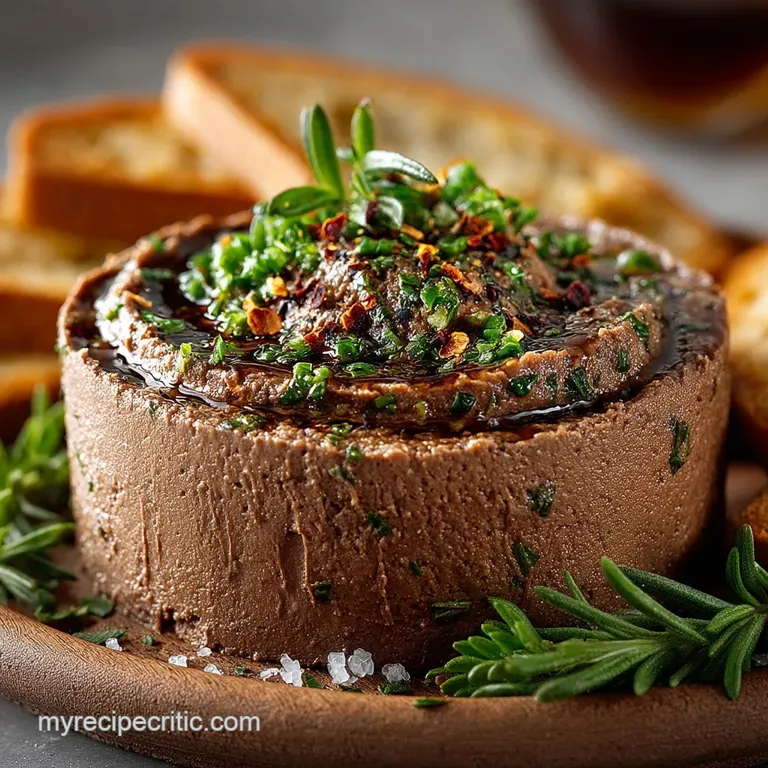
- Mastering Beef Liver Pate With Fresh Herbs: From Iron-Heavy to Irresistibly Smooth
- Gathering Your Pâté Arsenal: Ingredients and Essential Equipment
- Achieving the Perfect Consistency and Flavor Balance
- Dietary Adjustments and Serving This Gourmet Spread
- Extending the Life of Your Beef Liver Pate With Fresh Herbs
- Recipe FAQs
- 📝 Recipe Card
Mastering Beef Liver Pate With Fresh Herbs: From Iron Heavy to Irresistibly Smooth
Pâté is the quintessential bistro starter a dish that elevates humble ingredients into an expression of culinary elegance. Yet, many home cooks shy away from preparing it, fearing an unpleasantly iron heavy or gritty result.
This Beef Liver Pate With Fresh Herbs recipe is designed to shatter those preconceptions. By balancing the robust, mineral notes of beef liver with the sweet complexity of slow cooked shallots and a generous splash of fine Cognac, we achieve a velvety, luxurious spread that is far more profound than standard versions.
This approach to Liver Pate Recipe Beef focuses intensely on texture and flavor integration, ensuring every bite is rich, smooth, and genuinely worthy of a chef's tasting menu.
Why Beef Liver Outshines Chicken Liver in Pâté Recipes
While chicken liver pâté is common, beef liver provides a depth and earthiness that is unmatched. Beef liver possesses a more concentrated, assertive flavor, which is exactly what we need to stand up to strong aromatic elements.
Its inherent density contributes to a richer mouthfeel, provided it is handled correctly. When properly trimmed and briefly seared, the beef liver yields a complex base that transforms into a truly sophisticated finished product, standing apart from the often milder, sometimes diluted flavor profile of poultry pâté.
The Sophistication of Cognac and Aromatic Shallots
The success of a classic Liver Pate Recipe hinges on building a deep aromatic foundation. Our recipe starts by gently sautéing two large, finely diced shallots in butter until they are translucent and sweet a process that strips away their sharpness.
We then layer in fresh thyme and rosemary, infusing the base with herbaceous warmth. However, the game changer is the Cognac. A substantial 3 Tbsp of good Brandy is used to deglaze the pan after the liver is seared.
This vital step scrapes up all the concentrated browned bits (or fond ), dissolving them into the cooking liquid. This liquid is packed with concentrated umami and rich notes, which are then incorporated directly into the blend, defining the classic complexity expected from Traditional Liver Pate Preparation .
Gathering Your Pâté Arsenal: Ingredients and Essential Equipment
Creating a masterpiece requires high-quality components and the right tools for precision. Avoid the common pitfall of assuming all liver and butter are interchangeable; attention to detail here directly correlates to the final silky texture.
Sourcing the Highest Quality Grass Fed Beef Liver
The foundation of the best pâtés is, naturally, high-quality offal. We recommend sourcing 450 grams (1 lb) of grass fed beef liver, if available. Superior quality minimizes strong, metallic flavors.
Crucially, before cooking, you must meticulously trim away every last piece of white membrane, sinew, and large tube structure. This is perhaps the single most important preparatory step in achieving a Smooth Beef Liver Pate ; any remaining tough fibers will resist blending, resulting in a gritty texture that cannot be fixed later.
Non-Dairy Fat Sources for a Velvety Finish
While this recipe relies on substantial amounts of unsalted butter (a dairy fat) for its richness and structure specifically 115 grams (8 Tbsp) melted and warm for binding it’s important to understand why the fat source is so vital.
The high ratio of fat, aided by 60 ml (1/4 cup) of heavy cream, is what emulsifies the cooked liver into a creamy, pourable liquid before chilling. If substituting for dietary reasons, clarified butter (ghee) or high-quality refined coconut oil can replace the dairy butter used in the cooking and binding stages, though this will slightly alter the delicate flavor profile.
Herb Substitutions for Seasonal Flavor Variations
The inclusion of fresh herbs provides a necessary contrast to the richness of the beef. Our base mixture includes robust thyme and rosemary, cooked down with the aromatics. For the final presentation, fresh chives and parsley are folded into the sealing butter, giving the Beef Liver Pate With Fresh Herbs its distinctive color and aroma.
Should you wish to vary the recipe seasonally, consider incorporating sage and bay leaf during the autumn, or perhaps substituting the rosemary with a touch of fresh tarragon in the summer for a subtle anise note.
Required Tools for Achieving Bistro Quality Smoothness
While the cooking phase is straightforward, the blending phase demands power. You absolutely need a high powered food processor or a heavy duty blender to break down the beef liver fibers fully. Using a standard immersion blender often leaves the texture chunky and uneven.
A rubber spatula is essential for scraping down the sides during blending. Finally, to truly achieve that bistro quality, Gourmet Liver Pate , a fine mesh sieve is indispensable it’s the chef’s secret weapon for removing the smallest fibrous fragments missed during trimming.
Related Recipes Worth Trying
- Zesty Beef Taco Salad Recipe with Homemade LimeCumin Vinaigrette — This vibrant Beef Taco Salad is your healthy taco salad bowl dream Ready in 35 minutes featuring robust ground beef and a zesty homemade limecumin dressing
- Greek Gyro Meatloaf The Hellenic Hybrid with a Tangy Feta Swirl — Ditch the dull dinner This Greek Gyro Meatloaf recipe delivers perfectly moist seasoned lamb and beef baked around a tangy Feta swirl An unforgettable...
- Weeknight Pressed Ground Lamb Gyros Recipe with Creamy Dill Tzatziki — Master authentic ground lamb gyros meat at home Use our clever pressing technique for beautifully thin slices paired with cool cucumber yogurt sauce A...
Achieving the Perfect Consistency and Flavor Balance

The process of cooking and blending pâté requires careful timing and temperature control to move past the amateur level and achieve true culinary success.
The Critical Step: Soaking and Prepping the Liver
After the required trimming of sinew and connective tissue, the diced liver must be patted bone dry. While some recipes call for soaking the liver in milk, this is often unnecessary with high-quality beef and risks adding unwanted moisture.
Patting the liver dry guarantees a proper sear when it hits the hot butter, locking in flavor rather than steaming the meat.
Cooking the Liver Without Sacrificing Tenderness
The liver should be sautéed in batches using the remaining unsalted butter (55g / 4 Tbsp) over medium high heat. The goal is rapid cooking: sear for approximately 1.5 to 2 minutes per side.
The exterior should be nicely browned, but the interior must remain slightly pink and unset. Overcooking is the single most common mistake in Homemade Liver Pate Preparation , as it results in a chalky, grainy texture that cannot be blended out.
Season liberally with salt and white pepper immediately upon removing the liver from the pan.
Deglazing and Blending for Maximum Umami
Once the liver is seared and removed, the shallot mixture is returned to the pan. This is when the 3 Tbsp of Cognac is added. Scrape vigorously to lift the flavorful caramelized fond from the bottom of the pan, allowing the alcohol to reduce for about 30 seconds.
Transfer this entire hot, savory mixture liver, cooking liquids, aromatics, and the 60ml of heavy cream into the food processor.
Emulsification and Fine Sieving Techniques
Start the blending process with short pulses to break down the chunks. The crucial emulsification step involves slowly drizzling in the 115g (8 Tbsp) of warm melted unsalted butter (Butter B) while the processor is running constantly. This binds the fat and protein together, creating a stable, liquid suspension.
Once the mixture is pourable and perfectly smooth, push it through the fine mesh sieve using a spatula. This final straining step removes any stray tissues or coarse pepper granules, ensuring the texture of the finished pâté is truly exceptional.
Taste the warm mixture and season boldly; remember that chilling will dampen the flavors considerably.
Dietary Adjustments and Serving This Gourmet Spread
Adapting the Recipe for Low-FODMAP and dairy-free Diets
For those following a Low-FODMAP diet, the shallots and garlic can be omitted or replaced by sautéing the liver and aromatics in garlic infused oil, using only the green parts of spring onions for flavor and avoiding the bulbous parts.
To make the Liver Pate Recipe fully dairy-free, substitute the unsalted butter for high-quality ghee or a non-dairy stick butter that is high in saturated fat. The heavy cream can be successfully swapped for full fat coconut cream, though careful seasoning is required to integrate the subtle coconut notes.
Troubleshooting Common Pâté Flaws (Gritty Texture or Separation)
If your pâté ends up gritty, the likely culprits are failure to trim the sinew thoroughly or, more commonly, overcooking the liver. The protein fibers seize and harden when overheated, making them impossible to blend into a smooth paste.
If the pâté separates (oil pools on top after chilling), this is usually an emulsification issue caused by adding the binding butter when it was either too cold (causing it to clump) or piping hot (further cooking the liver in the processor). Ensure the binding butter is simply warm and liquid.
Best Pairings: Wines, Jams, and Crusty Bread
A richly textured Gourmet Liver Pate requires companions that offer textural contrast and acidity. Serving Liver Pate On Bread is traditional toasted slices of crusty baguette or robust sourdough are ideal vehicles.
Offer bright, sharp accompaniments such as small cornichons (gherkins), lightly pickled red onions, or a sweet and tart fig jam. To drink, pair this rich spread with a high acid, dry white wine, like a Sancerre or Sauvignon Blanc, which cuts through the butterfat beautifully.
For red wine enthusiasts, a light, earthy Pinot Noir works wonders.
Extending the Life of Your Beef Liver Pate With Fresh Herbs
Mastering the Classic Butter Seal for Longevity
The final step in this Traditional Liver Pate Preparation is the protective butter seal, which not only preserves the pâté but also provides a gorgeous finish.
Once the strained pâté has been poured into its serving dish or ramekins, allow it to cool slightly at room temperature (about 15 minutes). Melt 55g (4 Tbsp) of unsalted butter (Butter C) and gently stir in the finely snipped fresh chives and parsley.
Pour this melted herby butter evenly over the surface of the pâté, creating a sealed cap. This layer seals out air, extending freshness, and provides a beautiful contrast to the deep brown spread underneath.
Cover loosely and chill for a minimum of 4 hours, or ideally overnight, before serving.
Recipe FAQs
Help! My pâté turned out gritty and chalky. What went wrong?
Ah, the dreaded chalky texture! The main culprit is usually overcooked liver. Beef liver cooks incredibly fast; if it's not slightly pink inside when removed from the pan, it turns grainy. Secondly, make sure you meticulously trim every bit of white sinew and membrane before cooking.
For a truly professional, velvet smooth result, push the blended mixture through a fine mesh sieve before chilling it’s a bit of a faff, but trust us, it makes all the difference.
How long can I keep this lovely Beef Liver Pate With Fresh Herbs in the fridge?
If you seal your pâté with that protective layer of melted butter, it acts like a brilliant shield and should keep beautifully for 5 to 7 days in the refrigerator. This barrier prevents oxidation and keeps the fresh herbs vibrant.
Ensure the pâté is always covered, and only spoon out what you need when serving to maintain freshness.
I don't have Cognac or Brandy. Is there an acceptable swap for the booze?
Absolutely. The alcohol is mainly there for flavour depth and complexity, not just heat. A fortified wine like Port or Madeira works wonderfully and lends a delicious, slightly sweet undertone.
If you prefer to avoid alcohol entirely, use a good quality beef stock mixed with a dash of balsamic vinegar it provides the necessary acidity to balance the richness without the kick.
Can I use chicken or duck liver instead of beef liver in this recipe?
Certainly, you can! This recipe structure works perfectly well with other livers, but they are generally milder in flavour than beef. If swapping to chicken or duck liver, reduce your cooking time slightly to about 1 to 1.5 minutes per side, as they are smaller and cook faster.
You might also want to slightly increase the amount of Cognac or herbs to ensure the final product isn't too subtle.
What are the best bits and bobs to serve alongside this rich pâté?
This rich pâté is a proper crowd pleaser and needs sharp, tangy accompaniments to cut through the richness, otherwise, it can be a bit heavy going. Try serving it with crisp, toasted baguette slices, sharp little cornichons (gherkins), and a fruity, tart relish or chutney, like fig or cranberry.
For a drink, a crisp, dry white wine perhaps a Sauvignon Blanc is the ideal pairing, Bob’s your uncle!
Velvety Beef Liver Pate With Fresh Herbs

