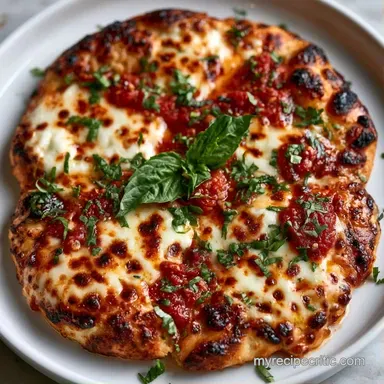
Classic Margherita Flatbread: Thin and Crispy
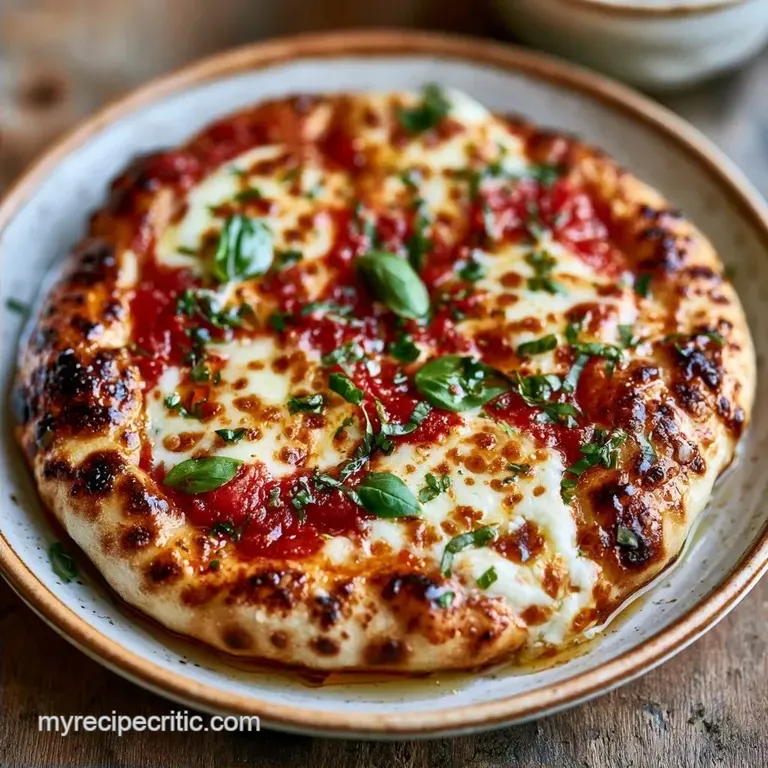
- Time: 10 min active + 90 min rising
- Flavor/Texture Hook: Blistered cheese and a crackling, thin crust
- Perfect for: A quick date night or a low budget weekend treat
Making a Classic Margherita Flatbread
That smell of bubbling cheese and toasted flour hitting the air is the best part of any Friday night. I remember the first time I tried to make this at home, I over loaded the center with sauce and ended up with a soggy middle that felt more like a dip than a bread.
It was a mess, but it taught me that less is actually more when you're working with a thin base.
The real hero here is the San Marzano tomato sauce. These tomatoes grow in volcanic soil near Mount Vesuvius, which gives them a naturally sweet, low acid taste. If you use a generic canned sauce, you'll likely find it too metallic or overly sugary.
This specific tomato variety provides a clean, bright punch that lets the creamy mozzarella shine without needing a mountain of dried herbs.
Expect a crust that's thin and crackly on the edges but still has a bit of chew in the center. This Classic Margherita Flatbread doesn't need a fancy pizza stone to work. You just need a hot oven and a bit of patience while the dough doubles in size.
Why This Dough Works
- High Heat: Cooking at 475°F causes the water in the dough to turn to steam quickly, which pushes the crust up and creates those airy bubbles.
- Docking the Dough: Poking holes with a fork prevents the center from puffing up like a pita bread, keeping it flat and crisp.
- Patted Dry Cheese: Removing excess moisture from the mozzarella stops the sauce from becoming a watery lake during the bake.
| Method | Time | Texture | Best For |
|---|---|---|---|
| Fast (store-bought) | 15 mins | Soft/Uniform | Ultra quick lunch |
| Classic (Homemade) | 1 hr 58 mins | Airy/Crispy | Authentic flavor |
Ingredient Breakdown
If you've ever wondered why some doughs feel like rubber and others feel like clouds, it usually comes down to the hydration and the yeast. For those who want a more substantial crust, you can look at my proper pizza dough for a thicker base.
| Ingredient | What It Does | Best Swap |
|---|---|---|
| AP Flour | Provides structure | Bread flour (for more chew) |
| Active Dry Yeast | Makes the dough rise | Instant yeast (skip the bloom) |
| San Marzano Sauce | Adds bright, sweet acidity | Crushed plum tomatoes |
| Fresh Mozzarella | Creates creamy, blistered pools | Low moisture mozzarella |
Recipe Specs
Stick to these measurements for the best results. I've found that adding too much flour during the kneading phase makes the flatbread tough. Keep your hands lightly floured, but don't dump extra into the bowl.
- Flour: 2 cups (250g) All purpose flour
- Water: ¾ cup (180ml) Warm water Why this? Activates yeast without killing it
- Yeast: 2 ¼ tsp (7g) Active dry yeast
- Salt: 1 tsp (6g) Salt
- Olive Oil: 1 tbsp (15ml) Extra virgin olive oil
- Tomato Sauce: ½ cup (120ml) San Marzano tomato sauce Why this? Low acidity, high sweetness
- Mozzarella: 8 oz (225g) Fresh mozzarella cheese Why this? Melts into creamy pools
- Basil: 10-12 leaves Fresh basil
- Finishing Oil: 1 tbsp (15ml) Extra virgin olive oil
- Sea Salt: ½ tsp (3g) Sea salt
The Gear You Need
You don't need a professional kitchen for this. A standard 12x17 inch baking sheet works perfectly. I recommend using parchment paper because sliding the flatbread onto a hot pan is much safer than trying to grease the pan and hoping it doesn't stick.
If you have a baking stone, you can use it, but for this specific Classic Margherita Flatbread, the parchment on-pan method creates a more consistent bottom crust for home ovens. A medium sized mixing bowl and a rolling pin (or a smooth wine bottle) are the only other essentials.
The step-by-step Process
Phase 1: Preparing the Base
- Combine warm water and yeast in a bowl and let sit for 5 minutes until it looks foamy on top.
- Mix in flour, salt, and olive oil.
- Knead the mixture for 5 minutes until the dough feels smooth and elastic. Note: It should bounce back slowly when poked.
- Place dough in a greased bowl, cover with a damp cloth, and let rise in a warm spot for 90 minutes until it has doubled in size.
Phase 2: Shaping and Docking
- Divide the dough into two equal portions.
- Roll each piece into a thin oval, about ¼ inch thick, on a floured surface.
- Place the dough on parchment paper and use a fork to poke holes across the entire surface. Note: Press halfway through to stop air bubbles.
Phase 3: Topping and over High heat Baking
- Spread a thin layer of tomato sauce, leaving a 1 inch border around the edge.
- Distribute patted dry mozzarella evenly across the sauce.
- Slide the parchment onto a preheated baking sheet on the middle rack at 475°F (245°C).
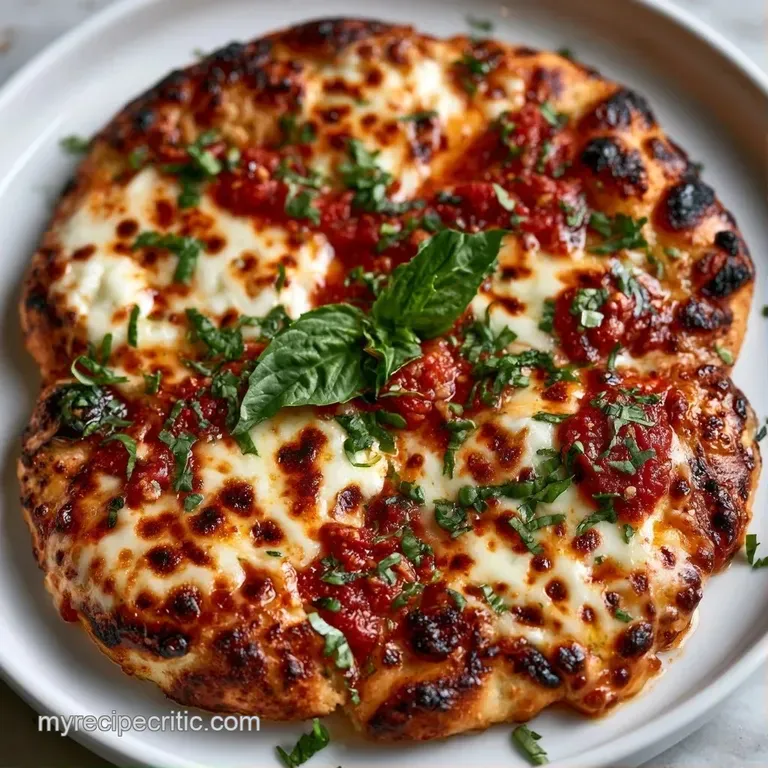
- Bake for 10–13 minutes until edges are golden brown and cheese is blistered.
- Remove from oven and immediately top with fresh basil leaves and a drizzle of olive oil.
Fixing Common Flatbread Issues
The most frequent complaint I hear is the "soggy middle." This usually happens because the oven isn't hot enough or the mozzarella was too wet. Fresh mozzarella is great, but it holds a lot of water. If you don't pat it dry with paper towels, that water releases during the bake and turns your sauce into a soup.
Another issue is the dough shrinking when you try to roll it. This means the gluten is too tight. Just let the dough rest for 5 minutes and try again.
Troubleshooting Guide
| Problem | Root Cause | Solution |
|---|---|---|
| Soggy Center | Too much sauce or wet cheese | Use less sauce; pat mozzarella dry |
| Dough Won't Rise | Yeast was dead or water too hot | Check yeast bloom; use 105-115°F water |
| Burnt Bottom | Rack position too low | Move baking sheet to the middle rack |
Swaps and Creative Twists
While the Classic Margherita Flatbread is a staple, you can easily change the vibe. If you're feeling fancy, you can swap the tomato base for a garlic herb oil. This actually reminds me of my focaccia sandwich, which uses a similar oil heavy base for a richer taste.
Chef's Tip: Try adding a pinch of sugar to your tomato sauce if you can't find San Marzano tomatoes. It mimics that natural sweetness and balances the acid.
Variation Ideas
- For a Spicy Kick: Add sliced jalapeños or a drizzle of hot honey after baking.
- For a Pesto Twist: Swap the tomato sauce for a thin layer of basil pesto and add sun dried tomatoes.
- For a Plant Based Version: Use cashew based mozzarella and a flax egg substitute in the dough.
| Original Ingredient | Substitute | Why It Works |
|---|---|---|
| Fresh Mozzarella | Shredded Mozzarella | Easier to distribute. Note: Less creamy than fresh |
| All purpose Flour | gluten-free Blend | Works for dietary needs. Note: Texture is denser |
| Olive Oil | Melted Butter | Adds a richer, nuttier flavor to the crust |
Dough Myths
A lot of people think you need a pizza stone to get a crispy crust. That's not true. The key is the temperature and the thickness of the dough, not the material of the pan. A preheated baking sheet with parchment paper gets the job done just fine.
Another common myth is that you should roll the dough as thin as possible to make it crispy. If you go too thin, the dough will tear or burn before the cheese melts. Stick to that ¼ inch mark for the best balance of crunch and chew.
Storing Your Leftovers
If you have leftover dough, don't throw it away. You can wrap it tightly in plastic wrap and keep it in the fridge for up to 3 days. In fact, a cold ferment in the fridge often makes the flavor more complex. Just let it come to room temperature for 30 minutes before rolling.
For cooked flatbread, store slices in an airtight container in the fridge for 2 days. To reheat, avoid the microwave, as it makes the crust rubbery. Instead, pop the slices back in a 350°F oven for 5 minutes or use a dry skillet over medium heat until the cheese bubbles again.
To reduce waste, any small scraps of dough can be rolled into tiny balls and baked as "pizza bites" with a bit of garlic salt and olive oil.
Serving and Enjoying
The best way to serve this is immediately. The basil leaves will wilt slightly from the heat of the cheese, releasing their aroma. I like to serve this with a simple side salad or some lemon potatoes for a full meal.
Cut the flatbread into irregular wedges or strips using a pizza cutter or sharp kitchen shears. If you want a more professional look, drizzle the olive oil in a circular motion starting from the center and moving outward. This Classic Margherita Flatbread is best enjoyed while the crust is still crackling.
Critical Sodium Levels
1741 mg 1,741 mg of sodium per serving (76% 76% of daily value)
The American Heart Association recommends a limit of 2,300mg of sodium per day, with an ideal limit of 1,500mg for most adults to reduce cardiovascular risk.
Tips to Reduce Sodium
-
Reduce Dough Salt-25%
Cut the 1 tsp of salt in the flour mixture by half or omit it entirely; the cheese and sauce provide sufficient saltiness.
-
Skip Finishing Salt-25%
Completely remove the ½ tsp of sea salt used as a garnish on top of the finished pizza.
-
No-Salt-Added Sauce-20%
Swap the San Marzano tomato sauce for a no-salt-added tomato puree and season it with fresh garlic.
-
Lower Sodium Cheese-15%
Use a lower-sodium mozzarella variety or reduce the total amount of cheese from 8 oz to 6 oz.
-
Enhance with Aromatics
Increase the amount of fresh basil or add dried oregano and red pepper flakes to create depth of flavor without sodium.
Recipe FAQs
What ingredients are in a classic Margherita flatbread?
San Marzano tomato sauce, fresh mozzarella, and fresh basil. The base is crafted from all-purpose flour, warm water, active dry yeast, salt, and olive oil.
What cheese is best for Margherita flatbread?
Fresh mozzarella is the ideal choice. It provides a creamy texture and authentic melt that shredded alternatives cannot replicate.
How do flatbreads differ from regular pizzas?
They feature a thinner, less leavened crust. This results in a lighter, crispier base compared to the thick, chewy dough of a traditional pizza.
How to prevent the center from getting soggy?
Pat the mozzarella dry and use a thin layer of sauce. Excess moisture from the cheese or over-saucing prevents the crust from crisping properly during the bake.
How to stop air bubbles from forming in the crust?
Poke holes across the dough surface with a fork. Pressing halfway through the dough before adding toppings ensures a flat, consistent bake.
Is it true that I should reheat leftover slices in the microwave?
No, this is a common misconception. Microwaving makes the crust rubbery; instead, use a 350°F oven for 5 minutes or a dry skillet until the cheese bubbles.
How to store leftover dough?
Wrap it tightly in plastic and refrigerate for up to 3 days. If you enjoyed mastering the yeast rise here, apply the same dough-handling skills to our authentic naan bread.
Crispy Classic Margherita Flatbread