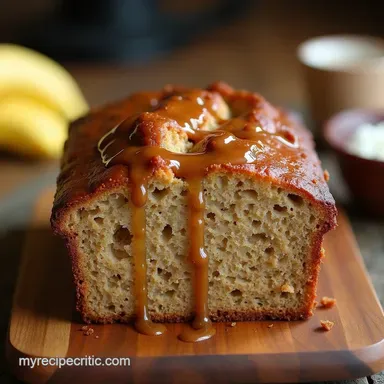
The Ultimate Sticky Toffee Banana Loaf
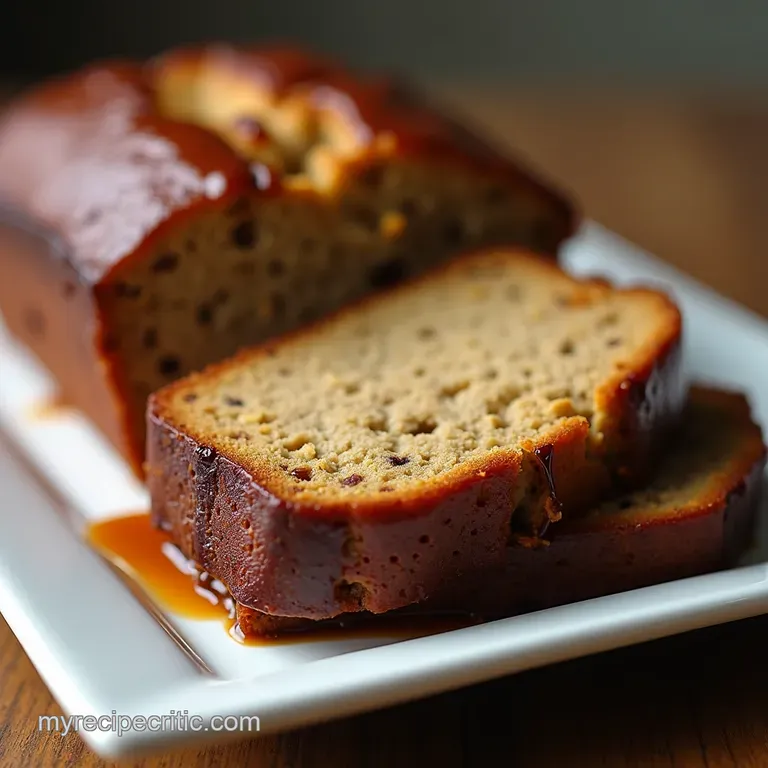
- Why This Sticky Toffee Loaf Redefines Comfort Baking
- The Secret Weapon: Achieving Peak Banana Intensity
- Assembling Your Essential Loaf Components
- The Step-by-Step Path to a Perfect Bake
- Mastering Temperature and Timing for Optimal Results
- Troubleshooting and Flavor Customization
- Preserving the Freshness of Your Homemade Creation
- Recipe FAQs
- 📝 Recipe Card
Why This Sticky Toffee Loaf Redefines Comfort Baking
There is an undeniable magic inherent in a perfectly baked loaf of banana bread. It’s more than just a quick bread; it’s nostalgia captured in a slice. However, far too often, home bakers are left with a loaf that promises moistness but delivers dryness, or one that tastes overwhelmingly of flour rather than fruit.
We are here to dismantle that disappointment. This recipe, which I affectionately call "The Ultimate Sticky Toffee Banana Loaf," elevates the humble classic by introducing deep caramel notes and a secret ingredient that guarantees a plush, tender texture.
This particular approach moves beyond the standard fare, ensuring every bite offers that sought after sticky sweet finish that makes this Banana Bread legendary among friends and family.
The Secret Weapon: Achieving Peak Banana Intensity
The foundation of any truly great loaf lies in the fruit. We aren't just looking for brown spots; we are seeking bananas that have reached the near black stage. These overripe fruits contain concentrated sugars, yielding a richer, deeper flavour profile that acts as a natural caramelising agent during the bake.
This intensive fruit flavour is what separates an average bake from the Best Banana Bread You'll Ever Attempt .
Moving Beyond Basic: The Brown Butter Infusion
While melting butter is simple, taking the extra two minutes to brown it makes an extraordinary difference. By gently heating the butter until the milk solids toast, you introduce nutty, complex notes reminiscent of toffee or brown sugar.
This technique beautifully complements the natural sweetness of the ripe bananas, forming the "sticky toffee" undertone of this recipe. When you combine this fragrant fat with the sugars, you start building layers of flavour before any flour is even introduced.
The Moist Crumb Guarantee: Our Unique Liquid Ratio
Achieving that elusive, never dry texture requires balancing the dry ingredients with the right combination of wet elements. This is where the Super Moist Banana Bread With Sour Cream truly shines.
We utilize both melted butter for richness and a generous measure of full fat sour cream (or Greek yogurt, for a slight tang). The fat content keeps the crumb tender, while the dairy's acidity reacts perfectly with the baking soda, providing lift and an unparalleled, lasting moistness.
This is the defining characteristic of our Sour Cream Banana Bread .
What Makes This the Best Banana Bread You'll Ever Attempt
The simplicity of execution belies the depth of flavour we achieve. This is an Easy Banana Bread Recipe built on the ‘muffin method’ a simple wet-and-dry mixing process that minimizes the chance of overworking the batter.
You need only 15 minutes of active prep time. On top of that,, for those days when you only have a couple of fruit casualties, know that this specific ratio works beautifully even when scaling down slightly, though for best results, aim for the specified amount to ensure that signature density you may find you don't need more than Banana Bread Recipe 2 Bananas if they are exceptionally large.
Assembling Your Essential Loaf Components
Before we dive into the process, gathering your tools and understanding your ingredients is key to a seamless baking experience. A good bake starts with preparation, ensuring that when you combine the wet and dry elements, you move quickly and efficiently.
Sourcing the Perfect Produce and Pantry Staples
The quality of your core ingredients directly impacts the final product. For the bananas, remember: the spottier, the better; they must yield easily under gentle pressure when mashed.
When measuring the flour for this Moist Banana Bread Recipe , always spoon it lightly into your measuring cup and level it off; scooping directly compacts the flour, leading to a drier loaf.
For the sugars, the small addition of light brown sugar is non-negotiable, as it provides essential molasses flavour that enhances the toffee effect.
Liquid Gold: Fats, Dairy, and Banana Prep
We start by melting 1/2 cup of unsalted butter until it browns gently. Once slightly cooled, we combine this with 2 large eggs, 1 teaspoon of vanilla, and the crucial 1/2 cup of sour cream. If you prefer a lighter texture or are out of sour cream, full fat Greek yogurt is an excellent stand-in.
Ensure your eggs are at room temperature, as they incorporate more smoothly into the melted butter mixture, creating a better emulsion.
Tool Check: Essential Equipment for Baking Success
You don't need a stand mixer for this simple loaf. Essential equipment includes a standard 9x5 inch loaf pan, which should be generously greased and floured or lined with parchment paper for easy removal later.
You will need two mixing bowls one for the wet ingredients and one for the dry a sturdy whisk for the initial blending, and a reliable rubber spatula for the final, gentle folding stage.
Related Recipes Worth Trying
- The Golden Loaf Ultimate Cinnamon Swirl Banana Bread — Meet the moistest Cinnamon Swirl Banana Bread featuring a buttery spiced ribbon that rivals any bakery slice Easy to make for your next brunch
- The Best Classic Scottish Shortbread Recipe MeltInYourMouth — Learn how to master this simple shortbread cookie recipe using only three ingredients for a truly buttery crumbly biscuit perfect for your biscuit tin
- The Best Classic Shortbread Cookies Recipe Buttery Easy — Looking for the best Traditional Shortbread Cookies recipe This easy method yields crunchy meltinyourmouth Scottish shortbread perfect for any occasion
The step-by-step Path to a Perfect Bake
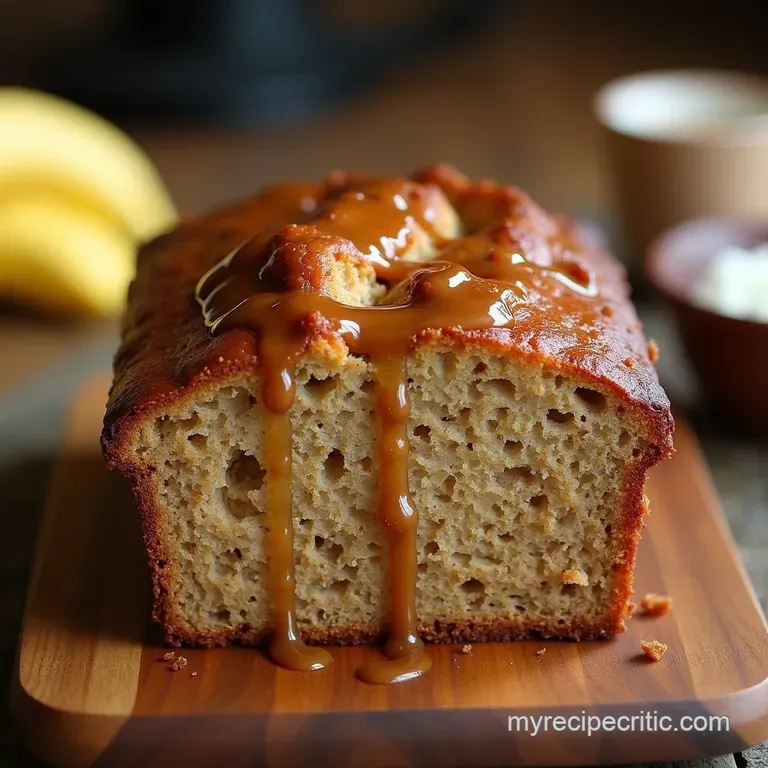
With your ingredients prepped and measured, the actual mixing process should be swift. Remember, speed and gentleness are your allies now.
Phase 1: The Brown Butter and Sugar Emulsification
Begin by whisking the melted, slightly cooled brown butter with both the granulated and brown sugars in your largest bowl. Follow this by whisking in the eggs, one at a time, ensuring each is fully incorporated before adding the next.
Now, introduce your mashed bananas (about 1 1/2 cups), the sour cream, and the vanilla. Whisk just until these wet components look uniform and creamy.
Folding Technique: Protecting the Air in Your Batter
In the separate bowl, quickly combine your flour (1 3/4 cups), baking soda (1 teaspoon), salt (1/2 teaspoon), and an optional dash of cinnamon. Add these dry elements all at once to the wet mixture. Switch immediately to your rubber spatula.
Fold the ingredients together using deliberate, downward sweeping motions, turning the bowl as you go. The golden rule here is: stop mixing the second the last streak of white flour disappears. A lumpy batter bakes lighter and more tenderly than a perfectly smooth one.
If you plan on adding goodies like nuts or Banana Bread Recipe Chocolate Chips , gently incorporate them in the final few folds.
The Bake Cycle: Ensuring Edge-to-Center Doneness
Pour the prepared batter into your pan and smooth the top. This loaf generally requires 55 to 65 minutes in a preheated oven set to 350° F ( 175° C).
The goal is to achieve a deep golden brown exterior while ensuring the interior cooks through without drying out.
Mastering Temperature and Timing for Optimal Results
Baking is chemistry, and temperature control is the catalyst. Paying close attention during the final baking period prevents the common fate of crusty edges and undercooked centres.
Phase 1: The Brown Butter and Sugar Emulsification
(Note: While this section heading is repeated from the steps above, the context shifts here to focus purely on why temperature matters in this initial stage.) The initial cooling of the brown butter is vital.
Adding eggs to sizzling hot butter will scramble them, leading to a greasy, separated batter that won't emulsify correctly. Allowing the butter to reach a warm, but not hot, temperature ensures the eggs combine smoothly, creating the necessary base structure for a cohesive crumb.
Folding Technique: Protecting the Air in Your Batter
The structural integrity of this Banana Bread With Sour Cream relies on the air incorporated during the initial creaming of the butter and sugars, and the lift provided by the leavening agents reacting with the sour cream's acidity.
Overmixing develops the gluten in the flour, causing the structure to tighten and become dense. Resist the urge to mix until smooth; the slight unevenness signals that you are preserving the lightness required for a truly moist result.
The Bake Cycle: Ensuring Edge-to-Center Doneness
If you notice the top of your loaf gaining too much colour before the 45-minute mark a common issue with quick breads immediately tent the pan loosely with aluminum foil. This reflects the heat, allowing the centre time to fully set without burning the surface.
The loaf is done when a skewer inserted centrally comes out clean, perhaps with a few moist crumbs attached, but never wet batter.
Troubleshooting and Flavor Customization
Every baker runs into a snag now and then. Understanding how to adjust your recipe based on variables like humidity or ingredient temperature can save a bake.
Elevating Your Banana Bread: Suggested Mix-Ins
This recipe is robust enough to handle significant additions without collapsing. Beyond the classic nuts or chocolate chips, consider swirling in a tablespoon of cinnamon sugar halfway through the bake for a striking striped effect.
For those who enjoy a contrast to the sweetness, folding in 1/2 cup of finely chopped crystallized ginger adds a wonderful warmth. Even those who prefer lighter fare can enjoy this as Banana Bread Muffins , though bake time will be significantly reduced to about 20– 25 minutes.
How to Freeze Banana Bread Without Sacrificing Texture
When storing, it is best to let the loaf cool completely on a wire rack. If you plan to freeze it, wait until it is completely cool, then wrap it tightly first in plastic wrap, followed by a layer of heavy duty foil. This double layer system prevents freezer burn.
When ready to enjoy, unwrap, place on a microwave safe plate, and microwave for 30 45 seconds to refresh that just baked moisture.
Answering Common Baking Queries (FAQ)
- Can I substitute the sour cream with milk? You can, but you will sacrifice significant moisture and some lift. If you must substitute, use buttermilk or an equal amount of yogurt for the best results.
- Why did my loaf dome so much? Excessive doming is often caused by too high an oven temperature or by adding too much leavening agent (baking soda). Ensure your oven calibration is accurate.
- Can I make this vegan? Yes, substitute the butter with solid coconut oil (1:1 ratio) and replace the eggs with flax eggs (2 tablespoons ground flaxseed mixed with 6 tablespoons water, rested for 5 minutes).
Nutritional Snapshot: Understanding the Indulgence
While this is a rich and satisfying treat, it’s important to acknowledge the ingredients contributing to its decadent nature. The high fruit and sugar content means this is best enjoyed as an occasional indulgence rather than a daily staple.
The primary caloric density comes from the fats (butter and sour cream) and natural fruit sugars. Approximated per slice (1/12th of the loaf, without extra mix-ins), you are looking at roughly 250-280 calories, offering satisfying energy derived from complex carbohydrates and fruit fibre.
Preserving the Freshness of Your Homemade Creation
The true test of a Moist Banana Bread Recipe is how it tastes on day three. Thanks to the incorporation of the sour cream, this loaf maintains its tender structure exceptionally well when stored correctly. Keep it tightly wrapped at room temperature for up to four days.
Avoid refrigeration unless your kitchen is very warm, as the cold temperature can prematurely dry out baked goods.
Recipe FAQs
My bananas aren't brown enough; can I still make this Banana Bread?
While you absolutely can, the secret to truly fantastic flavour is using bananas that are heavily spotted or even black that's where the natural sugars are most concentrated.
If yours are just yellow, you can speed ripen them by baking them on a tray at 300°F (150°C) for about 15 20 minutes until the skins are dark brown.
Why is my banana bread always dry and crumbly? What’s the trick to keeping it moist?
Dryness usually stems from two culprits: overmixing the batter or using too little fat/moisture. Since this recipe uses melted butter and sour cream, you should be golden! Remember to fold gently until just combined, and never overbake a skewer should come out with moist crumbs, not bone dry.
Can I make this loaf ahead of time, and how should I store it?
This loaf tastes even better the next day, so feel free to bake it ahead! Store it tightly wrapped in plastic wrap or in an airtight container at room temperature for up to 3 days. If you need it to last longer, slice it and freeze the pieces; they freeze brilliantly for up to three months.
What can I add to this Banana Bread recipe if I fancy a change?
Oh, the fun part! This recipe is brilliant for mix-ins; stick to about one cup total to keep the texture right. Chopped walnuts are classic, but try adding good quality chocolate chips, dried cherries, or even a swirl of peanut butter near the end of mixing for an extra flavour kick.
Can I substitute the butter for oil or a healthier fat in this recipe?
You can certainly substitute melted coconut oil for the butter 1:1, but you'll lose some of those lovely toffee notes. For a slightly healthier approach, applesauce can replace half the butter, but you might want to reduce the sugar by a tablespoon, as applesauce adds natural sweetness.
How do I know when the loaf is perfectly baked and not underdone in the middle?
The baking time is a range because every oven is different, bless them. Start checking around 55 minutes; insert a skewer or thin knife into the very centre. If it comes out with wet, gooey batter, give it another 5 10 minutes.
If it comes out clean or with just a few moist crumbs clinging to it, it’s ready to come out.
Moist Sour Cream Banana Bread 2