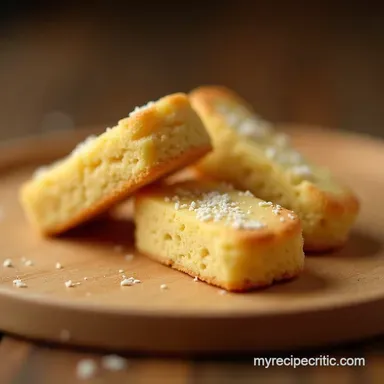
Threeingredient Wonder Truly Authentic Scottish Shortbread Fingers
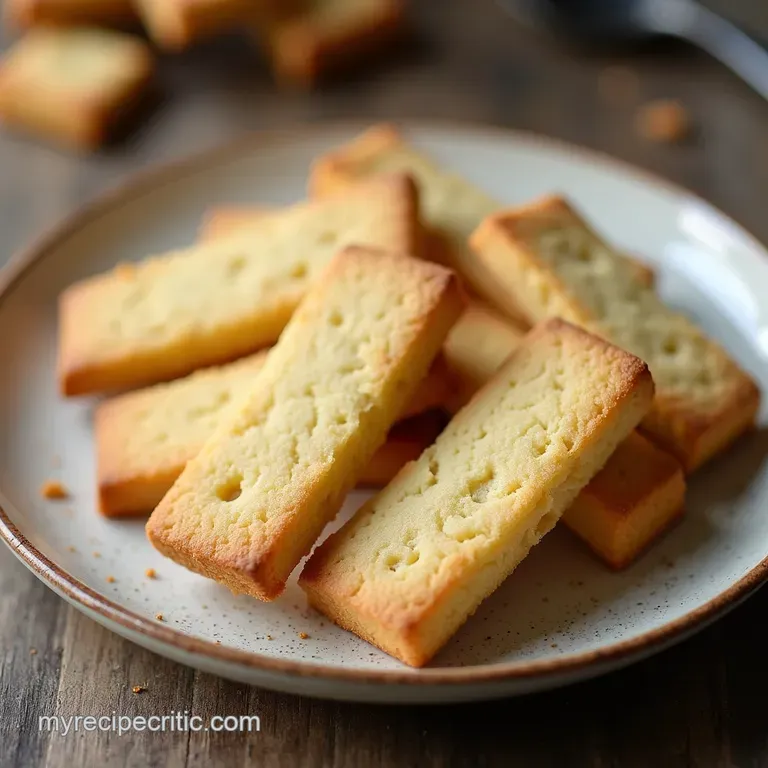
- The Timeless Appeal of Authentic Scottish Shortbread Cookies
- Why This Simple Recipe Reigns Supreme in the Cookie Kingdom
- The Sacred Trio: Essential Components for Pure Flavor
- Sourcing Superior Ingredients for Unbeatable Texture
- Mastering the Technique: Step-by-Step Baking Blueprint
- Elevating Your Batch: Pro Secrets for Next-Level Flavor
- Preserving Perfection: Storing Your Classic Shortbread Creations
- Recipe FAQs
- 📝 Recipe Card
The Timeless Appeal of Authentic Scottish Shortbread Cookies
There is a profound magic that occurs when just three simple ingredients, butter, flour, and sugar, are treated with the utmost respect. This alchemy results in Classic Shortbread Cookies , a testament to the idea that simplicity is the ultimate sophistication in baking.
Hailing from the Scottish borders, proper shortbread relies on an almost obsessive attention to technique rather than a lengthy ingredient list. The result is a cookie that is melt-in-the-mouth tender, deeply rich, and perfectly crumbly, the ultimate accompaniment to a strong cup of tea.
This Classic Shortbread Cookies Recipe strips baking back to its glorious basics, focusing purely on the quality of the components, ensuring that every bite delivers authentic, buttery satisfaction.
Why This Simple Recipe Reigns Supreme in the Cookie Kingdom
Many cookies rely on leaveners like baking soda or powder to achieve lift, but not shortbread. Its fame lies in its dense, short, and tender texture, which is achieved entirely through the fat content and method.
It’s easy to follow, making it a Traditional Shortbread Cookies Easy entry point for new bakers, yet mastering the nuances of the texture takes a dedicated hand. This is the foundation upon which all other buttery biscuits are judged.
Unveiling the Magic Behind the Perfect Buttery Ratio
The magic behind what makes this The Best Shortbread Cookies Recipe lies in the ratio. Traditional Scottish shortbread adheres strictly to the "one-two-three" method: one part sugar, two parts butter, and three parts flour by weight.
While our recipe adjusts slightly for modern tastes (we use a touch less sugar for balance), the fundamental principle remains: the high ratio of fat to flour is what creates the signature 'short' texture, meaning it crumbles beautifully rather than snapping hard.
A Heritage Recipe: Tracing the History of Shortbread
Shortbread has roots stretching back to medieval times, originally made with expensive ingredients reserved for special occasions. Because yeast was costly, bakers turned to butter to achieve a rich, bread-like texture, often shaping the dough into round cakes and scoring them before baking.
This heritage is what we aim to recapture when making Vintage Shortbread Cookies today, a treat meant to be savored slowly.
Setting Expectations for Truly Exceptional Results
When you undertake this recipe, understand that you are crafting something profoundly rich. Do not expect a chewy chocolate chip cookie result. Instead, anticipate a firm but delicate biscuit that yields instantly under pressure, leaving a luxurious coating of pure butter flavor on the palate.
This recipe yields approximately 16 to 20 fingers, depending on how generously you portion them, and requires about 20 minutes of active prep time, plus a crucial 45–60 minutes of chilling.
The Sacred Trio: Essential Components for Pure Flavor
To achieve truly authentic flavor in your Traditional Shortbread Cookies , you must rely only on the essential trio, plus a touch of salt to enhance the richness. We use Unsalted Butter (1 cup or 227g), Granulated Sugar (1/2 cup or 100g), and All-Purpose Flour (2 1/4 cups or 280g).
Adding a mere 1/4 teaspoon of fine sea salt is highly recommended; it cuts through the richness just enough to make you reach for another piece.
Related Recipes Worth Trying
- The Ultimate Chewy Double Chocolate Chip Cookies Recipe — Need deeply dark fudgy Double Chocolate Chip Cookies This recipe delivers thick chewy results every timeperfect with a glass of milk
- Classic Christmas Toffee Shatteringly Good Hard Candy Recipe — This homemade toffee recipe delivers the quintessential hard buttery snap you crave Its surprisingly easy and perfect for classic Christmas candy making
- Easy Cherry Pie Bars with Buttery Shortbread Crust — Skip the fuss These easy Cherry Pie Bars feature a tender shortbread base and crumb topping that tastes just like a classic cherry pie Perfect picnic dessert
Sourcing Superior Ingredients for Unbeatable Texture
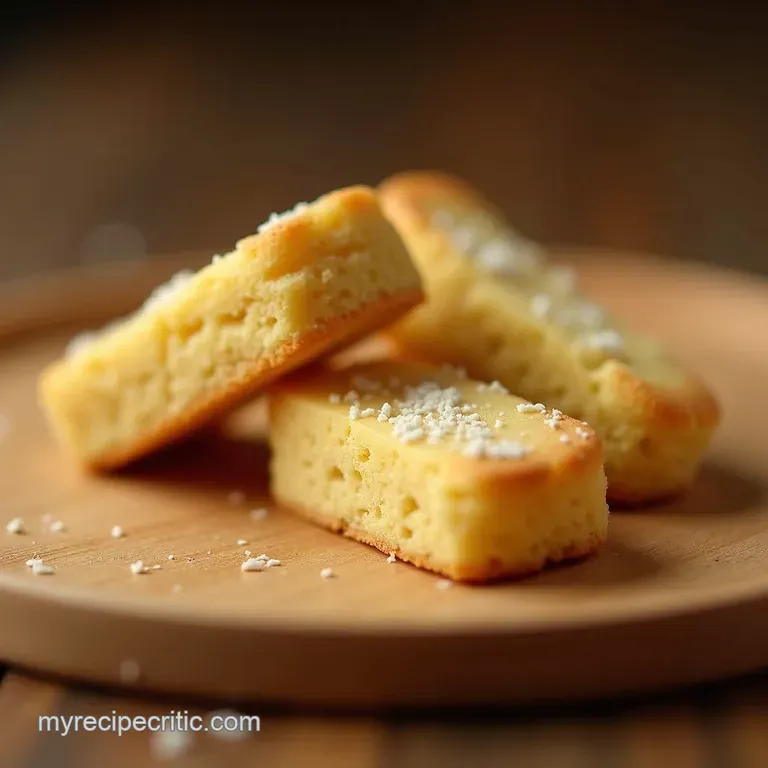
Since there are so few ingredients, their quality directly dictates the final product. This is non-negotiable if you seek The Best Shortbread Cookies Recipe .
Quality Butter: The Non-Negotiable Star of the Show
Use the best unsalted butter you can afford, ideally one with a higher fat content (European-style, if available). Butter is the primary flavor vehicle and moisture regulator here.
It must be used cold and cubed for the initial mixing stage; this ensures it cuts into the flour properly to create the short texture we desire.
Precision Measurement: Why Grams Matter More Than Cups
While we list US customary measurements, I strongly urge you to work in grams for the flour and butter, especially when aiming for a Crunchy Shortbread Cookies texture that doesn't spread. Flour compacts easily in a cup, leading to an overly dry, crumbly disaster.
Weighing guarantees you have the correct ratio of fat to flour.
Essential Gear: Tools Needed to Craft These Classic Shortbread Cookies
You will need a large mixing bowl and a mixer (stand or hand-held) or, traditionally, a sturdy wooden spoon and some serious elbow grease. A sharp knife for scoring, parchment paper, and an 8x8 inch (20cm square) baking pan are also required. If you prefer free-form shapes, you will also need a rolling pin.
Mastering the Technique: step-by-step Baking Blueprint
The method is straightforward, provided you respect the temperature of your ingredients and the duration of your mixing.
Achieving Optimal Dough Consistency Before the Oven
To start, preheat your oven to 325° F ( 160° C) and line your 8x8 pan with parchment paper, allowing for an overhang. In the mixing bowl, beat the cold, cubed butter and sugar together on medium-low speed.
This is not cake making; we are simply combining until the mixture is homogenous and slightly creamy, perhaps a minute or two. Overbeating here introduces too much air, which you want to avoid if you’re looking for a dense, Crunchy Shortbread Cookies outcome.
Next, gradually add the sifted flour and salt. Mix on the lowest setting or fold gently by hand until the mixture just comes together and resembles coarse, damp sand. Stop mixing the instant you see no streaks of dry flour remaining.
Overworking the gluten at this stage develops toughness instead of tenderness.
Shaping Your Shortbread: From Round Patties to Precise Fingers
Transfer the shaggy dough into the prepared pan. Now comes the physical work: use the bottom of a measuring cup or your knuckles to press the dough firmly and evenly across the base. You must pack it tightly so it bakes uniformly.
Once smoothed, use a sharp knife to lightly score the surface into your desired shapes, fingers or squares are classic. Finally, you must prick the entire surface liberally with a fork; this 'docking' prevents the surface from bubbling up unevenly.
The dough then requires a non-negotiable chilling period of at least 45 minutes in the refrigerator to firm up the butter, which is the key to preventing spread.
Baking Nuances: Identifying the Golden-Kissed Finish
Bake the chilled shortbread for 18 to 22 minutes. The secret to perfect shortbread is knowing when to stop: the cookies should be set, but the centers should remain decidedly pale. Only the very edges should exhibit a faint golden hue.
As soon as they emerge, use that same sharp knife to firmly re-cut along the scored lines while the cookies are still piping hot; once cooled, they will shatter if you attempt to slice them. Let them cool completely in the pan before lifting them out by the parchment overhang.
Elevating Your Batch: Pro Secrets for Next-Level Flavor
While this is a Classic Shortbread Cookies Recipe , there are ways to subtly enhance its profile. A pinch of finely ground cardamom or a half-teaspoon of pure vanilla extract added during the creaming stage can elevate the aroma beautifully.
For those seeking a canvas for artistry, this base is ideal for a Shortbread Cookie Recipe For Decorating ; just ensure the cookies are completely cool before attempting any icing work.
Preserving Perfection: Storing Your Classic Shortbread Creations
Shortbread, due to its low moisture content, keeps exceptionally well. Store the cooled biscuits in an airtight container at room temperature for up to two weeks. Avoid refrigeration, as the cold can dull the buttery flavor slightly.
Flavor Twists: Subtle Additions to Traditional Shortbread
For a nuanced twist on Traditional Shortbread Cookies , try incorporating fine lemon zest with the sugar, or substitute a quarter cup of the flour with finely ground toasted nuts (like almonds or pecans) for a richer mouthfeel.
For a festive touch, consider adding dried currants during the final mixing stage.
Troubleshooting Common Shortbread Pitfalls (Why Did Mine Crumble?)
If your cookies crumbled excessively upon slicing, it usually points to one of two issues: either not enough butter was used (check your measurements!), or you failed to press the dough firmly enough into the pan.
If they spread too much, the dough was likely too warm going into the oven, meaning you skipped or rushed the chilling time.
Nutritional Snapshot: Understanding the Indulgence
It is important to remember that shortbread is an indulgence; with approximately 170–190 kcal per serving (based on 20 slices), it is rightly high in fat due to that essential butter content. Savor it in moderation as the rich treat it is designed to be.
Serving Suggestions: Pairing Your Biscuits with the Perfect Brew
These Classic Shortbread Cookies demand a beverage worthy of their buttery profile. They are sublime paired with a robust, piping hot cup of Earl Grey tea or a strong black coffee.
For a truly Scottish experience, enjoy them alongside a small pour of a lightly peated single malt Scotch whisky after dinner.
Recipe FAQs
Why do my Classic Shortbread Cookies always end up crumbly and falling apart?
That usually means your butter wasn't cold enough, or you added too much flour! Shortbread relies on the fat coating the flour, not on gluten development, so make sure your butter is cold and you mix only until the dough just comes together. A little chilling time is absolutely non-negotiable for holding the shape.
Should I use caster sugar or regular granulated sugar in this recipe? Does it really matter?
While granulated sugar works fine, caster (superfine) sugar is ideal because it incorporates more easily into the cold butter without requiring excessive mixing. Over-mixing brings in too much air, which makes them cakey rather than tender.
If you only have standard granulated sugar, give it a quick pulse in a food processor first!
How do I stop my shortbread from spreading out flat while baking?
The secret weapon here is chilling! Make sure your dough chills for at least 45 minutes before it even sees the oven, as this solidifies the butter. Also, score your cookies before baking, and remember that proper shortbread should bake slowly at a low temperature (like 325°F/160°C) to hold its shape.
Can I bake these ahead of time, and how should I store them to keep that buttery texture?
Absolutely! Shortbread keeps brilliantly, in fact, some say they taste even better the next day. Store them completely cooled in an airtight tin at room temperature; they’ll keep perfectly well for well over a week. Just avoid the fridge, as that can make them taste dull.
I like a bit of extra flavour; what’s a simple variation I can try next time?
You’re in luck, shortbread is a fabulous blank canvas! For a lovely twist, try adding the zest of one lemon to the butter and sugar mixture, or mix in a couple of tablespoons of finely chopped orange peel.
If you fancy something savoury, skip the sugar entirely and add a good pinch of rosemary and black pepper instead.
My shortbread came out pale; should I put it back in to get more colour like a regular biscuit?
Hold your horses! True, classic shortbread should remain quite pale, looking only faintly kissed with gold on the edges. If it’s deeply brown, you’ve probably baked it too long and cooked out all that lovely butter flavour. Pull them out when they look set, but still light in colour.
The Best Classic Shortbread Cookies Recipe Buttery Easy