The Proper British Christmas Toffee Simple Shatteringly Good Hard Candy
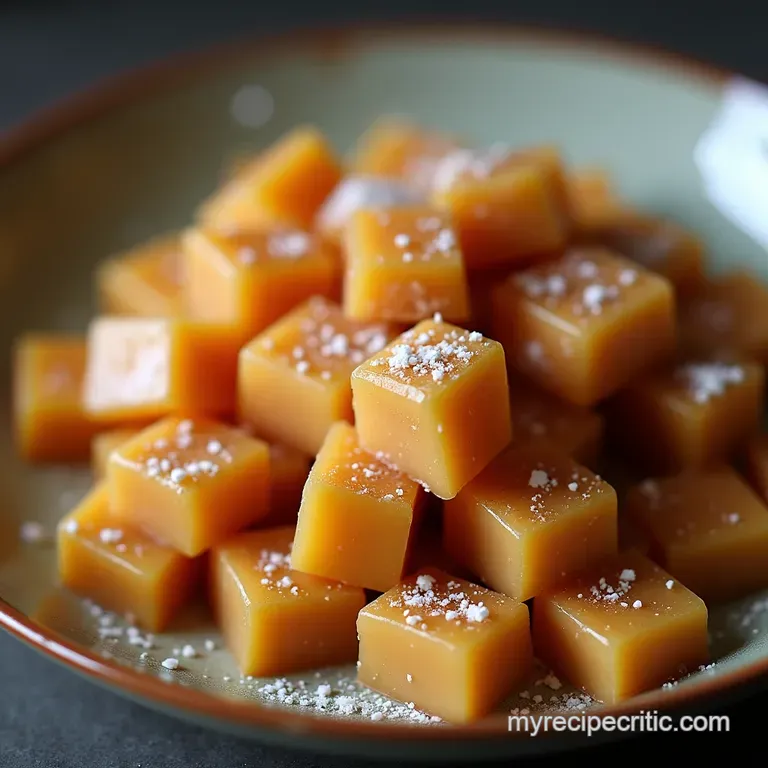
- Unlocking the Secret to Authentic Christmas Snap: Why This Recipe Prevails
- The Allure of Hard Candy: Why Classic Christmas Toffee Belongs on Your Table
- The Essential Building Blocks for Rich, Deep Flavour
- The Alchemy of Heat: Transforming Simple Ingredients into Shattering Toffee
- Crucial Stages: Monitoring the Boil for That Perfect Hard Crack
- Troubleshooting and Expert Adjustments for Guaranteed Results
- Preserving the Crisp: Storage Methods That Defeat Humidity
- Recipe FAQs
- 📝 Recipe Card
Unlocking the Secret to Authentic Christmas Snap: Why This Recipe Prevails
There is something profoundly nostalgic about the sound of cracking hard candy at Christmas time. When we speak of Classic Christmas Toffee , we aren't talking about a soft, chewy caramel; we are chasing that sharp, brittle snap that signals perfect caramelisation.
Many homemade attempts fall short, resulting in a sticky mess that clings stubbornly to teeth. That’s because achieving true toffee texture is less about guesswork and more about precision.
This particular recipe, rooted in traditional methods, relies on absolute temperature control and the right foundational ingredients to guarantee that quintessential hard crack texture every single time.
It is the defining element in many Classic Christmas Candy Recipes , offering a deep, buttery flavour profile that store-bought versions simply cannot match.
The Allure of Hard Candy: Why Classic Christmas Toffee Belongs on Your Table
The beauty of this particular confection often called Christmas Toffee Bark when spread thin lies in its beautiful simplicity. It requires only a handful of components, yet the alchemy involved in cooking them transforms the ordinary into something extraordinary.
This process is deceptively simple, making it an ideal project for anyone looking to master a staple of the season. We are aiming for a deep amber hue, signifying maximum caramelisation, which lends that signature slight bitterness that cuts through the intense sweetness.
This focus on simplicity ensures that the rich taste of the butter truly shines through.
Beyond Chewy: Defining the Perfect Toffee Texture
What differentiates perfect toffee from merely acceptable candy lies in the final temperature reached during cooking. We are targeting the "hard crack" stage, which is precisely 300° F ( 150° C) on the candy thermometer.
Any lower, and you risk a soft, sticky texture that melts too quickly on the tongue. Any higher, and you risk scorching, leading to a bitter, burnt flavour. Mastering this single number is the key to unlocking the shattering quality expected from authentic hard candy.
A Culinary Cornerstone: The Heritage of Homemade Holiday Confections
The tradition of making hard toffee is deeply embedded in holiday celebrations across many cultures, representing warmth and hospitality. Preparing this Homemade Toffee Recipe connects you directly to those culinary histories.
It’s a reliable, relatively Quick Toffee Recipe once you understand the mechanics, providing an impressive yield of Classic Christmas Candy perfect for gifting or setting out on a festive platter.
For those seeking an Easy Toffee Candy project that delivers maximum impact, this is it.
Setting the Stage: What You'll Need Before the Heat Goes On
Before the burners are lit, preparation is non-negotiable in candy making. We require a heavy bottomed 3-quart saucepan to ensure that the heat is distributed evenly, preventing frustrating hot spots that can scorch the sugar. Equally vital is a reliable candy thermometer.
This instrument is your absolute authority throughout the cooking process. Finally, prep your chosen vessel an 8x8 inch baking pan lined meticulously with parchment paper and lightly greased as the molten sugar needs an immediate, safe landing zone once it reaches its peak temperature.
The Essential Building Blocks for Rich, Deep Flavour
The flavour profile of our Classic Christmas Toffee Recipe is built on quality and balance. While the ingredient list is short, each component plays a distinct, critical role in achieving that deep, complex caramel taste we desire.
Selecting the Superior Fats: Butter's Role in the Final Crunch
We rely exclusively on unsalted butter, using 8 ounces (225g). Cutting the butter into cubes before adding it helps it melt evenly alongside the sugar. The fat content is essential; it coats the sugar crystals, inhibiting crystallisation and contributing significantly to the rich mouthfeel that accompanies the initial hard snap.
It’s the foundation of the decadent flavour that distinguishes this candy.
Sugar Selection: Achieving Optimal Caramelisation Temperature
The primary ingredient here is 1 lb (450g) of granulated white sugar. This pure sugar source ensures the clearest possible colour development as it caramelises. Crucially, we introduce 1/4 cup (60ml) of golden syrup (or light corn syrup).
This invert sugar is our secret weapon against premature crystallisation, guaranteeing a smoother, glass like final texture. A single tablespoon of boiling water is added initially, primarily to help dissolve the sugar grains uniformly before the serious cooking begins.
Tool Check: Mandatory Equipment for Temperature Control
Beyond the heavy saucepan, the candy thermometer is the non-negotiable item. It must be secured to the side of the pan so that its tip is submerged in the boiling mixture but not touching the bottom, which would register an inaccurate, hotter temperature.
A heat proof spatula or wooden spoon is needed only for the initial melt, as stirring during the boil is strictly forbidden.
Related Recipes Worth Trying
- Foolproof Homemade English Toffee The Ultimate Snap Recipe — Forget crumbly results This foolproof Homemade Toffee Recipe guides you to a perfect snappy buttery confection every time Perfect with tea
- Best Classic Peanut Butter Blossoms Recipe Easy Hershey Kiss Cookies — Master the ultimate classic Peanut Butter Blossoms This easy recipe yields perfectly crinkly cookies topped with a melting chocolate crowna musthave for...
- Classic Butter Spritz Cookies MeltInYourMouth Delights — Master the traditional Spritz Cookies recipe These easy buttery delights hold their shapes perfectly for beautiful Christmas baking Get the foolproof method
The Alchemy of Heat: Transforming Simple Ingredients into Shattering Toffee
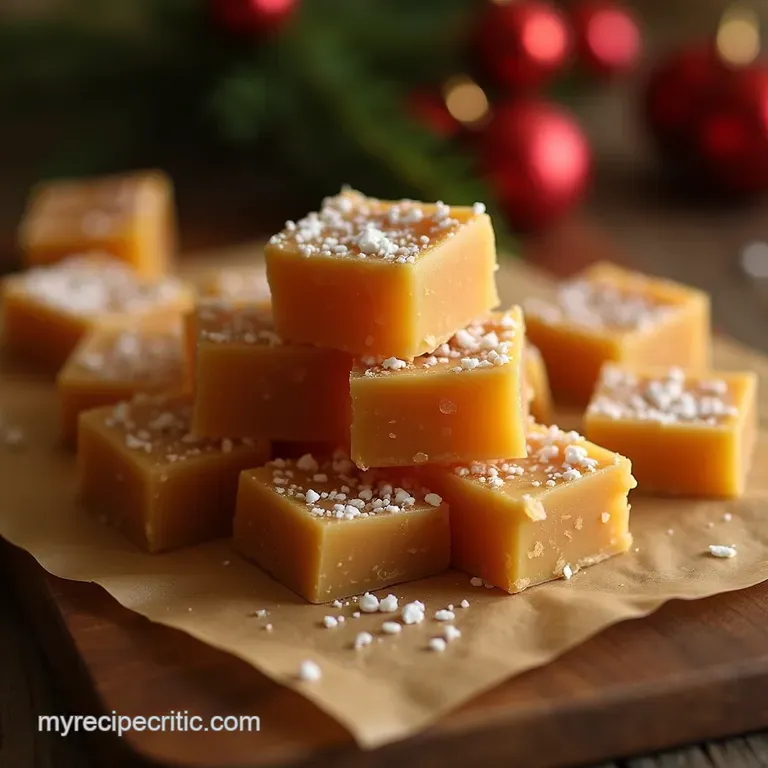
This is where the transformation happens. The initial phase is about gentle dissolution, and the subsequent phase is about rapid, controlled heating. We place the butter, sugar, golden syrup, and boiling water into the saucepan over medium heat.
We stir only until the butter is melted and the sugar grains are no longer gritty to the touch. Once this happens, we stop stirring completely.
Crucial Stages: Monitoring the Boil for That Perfect Hard Crack
Once the stirring ceases, we attach the thermometer and increase the heat to medium high. This is the moment to deploy a pastry brush dipped in clean water to gently wash down any sugar that has splashed onto the sides of the pan.
These stray crystals can act as seeding agents, causing the entire batch to crystallise unexpectedly a phenomenon we must avoid.
First Phase: The Gentle Dissolve and Initial Simmer
The mixture will begin to bubble vigorously. During this period, the water content is evaporating, and the temperature is steadily rising toward the critical point. We allow this simmer to proceed undisturbed, watching the thermometer climb steadily.
The Critical Ascent: Hitting 300° F ( 150° C) Safely
The target is the hard crack stage: 300° F ( 149° C) . This temperature ensures that when the toffee cools, the sugar molecules lock into a stable, brittle structure rather than a viscoelastic one.
Watch closely; the colour will deepen dramatically as it nears this mark, moving from pale gold to a rich, burnished amber. As soon as that thermometer hits the mark, remove the pan from the heat immediately.
We then incorporate the half teaspoon of fine sea salt, stirring only once or twice to distribute it before moving quickly to the next stage.
Pouring Protocol: Creating Thin, Even Sheets for Optimal Cooling
Working swiftly is paramount now. Carefully pour the molten liquid into your prepared, lined, and greased 8x8 pan. Do not rush to scrape the bottom of the pan; we want only the smoothest, most perfect liquid layer.
The layer should be thin ideally no more than 1/4 to 1/2 inch thick to ensure the cooling process hardens the candy evenly throughout, which is crucial for the Toffee With Nuts variations later on.
The Grand Finale: Cracking Your Finished Classic Christmas Toffee
Allow the toffee to cool completely at room temperature for a minimum of one hour, allowing it to reach full hardness. Once solid, lift the parchment paper out of the pan. For the traditional look, wrap the sheet in a clean kitchen towel and strike it firmly with the back of a wooden spoon or a rolling pin.
The result should be satisfyingly sharp, irregular shards of golden candy.
Troubleshooting and Expert Adjustments for Guaranteed Results
Even with precise measurement, candy making can sometimes present challenges. Understanding these common issues allows you to confidently troubleshoot your batches.
Common Pitfalls to Avoid: Why Your Toffee Might Go Soft (and how to fix it)
If your finished toffee is sticky or chewy rather than brittle, it means the internal temperature did not reach the hard crack stage (it likely stalled around 285° F).
The solution is simple: if the toffee is still warm, return the mass to the clean saucepan, add a few drops of water to prevent burning, and cook it again, paying strict attention to reaching 300° F.
If it is already cool and soft, you are relegated to using it as a soft sauce or reheating it for another attempt.
Nutritional Snapshot: Understanding the Decadence
While this Classic Christmas Candy is certainly an indulgence, understanding the composition helps appreciate its richness. A standard serving comes in around 170 calories, predominantly from the fats in the butter and the pure carbohydrates of the sugar.
This is a treat meant to be enjoyed sparingly during the festive season.
Elevating the Recipe: Suggested Mix-Ins and Flavour Infusions
For those who like a little textural contrast, this Classic Christmas Toffee Recipe welcomes additions. After removing the pan from the heat (Step 8), quickly fold in 1 cup of toasted pecans or almonds before pouring.
For a modern twist, melt 4 oz of 70% dark chocolate and drizzle it over the surface just as the toffee begins to cool, finishing with a sprinkle of flaky sea salt for a stunning Christmas Toffee Bark .
Long Term Integrity: Best Practices for Keeping Your Toffee Fresh
Humidity is the natural enemy of hard candy. To maintain the satisfying crispness, store your finished shards in a completely airtight container. Keep the container in a cool, dry place, away from any source of moisture or direct heat.
Stored correctly, this confection will remain perfectly crisp for several weeks, making it an excellent item to prepare well in advance of the holidays.
Preserving the Crisp: Storage Methods That Defeat Humidity
To ensure your Classic Christmas Toffee stays as crisp on Christmas Day as it did on the day you made it, airtight storage is crucial. Layer the shards between sheets of parchment paper inside a sturdy, sealed container.
Avoid any location near the kettle or dishwasher, as airborne moisture will rapidly cause the surface to weep and soften.
Recipe FAQs
My Classic Christmas Toffee ended up chewy, not hard what went wrong?
Ah, the classic rookie error! Chewy toffee almost always means the sugar didn't reach the correct temperature. You absolutely need to hit the 'hard crack' stage, which is 300°F (149°C), and you must use a reliable candy thermometer to check this accurately.
If you stop short, you’ll end up with a lovely, but ultimately sticky, caramel instead of a brittle snap!
How do I stop the sugar from crystallising while it boils?
Crystallisation is the bane of any home confectioner's life! The best defence is twofold: first, ensure you stir until the sugar is fully dissolved before it starts boiling, and second, keep the sides of your pan spick and span.
Have a pastry brush dipped in clean water ready, and gently brush down any sugar crystals clinging to the sides while it cooks.
Can I skip the Golden Syrup, or use something else if I don't have it?
While the recipe is simple, the Golden Syrup is quite important as it acts as an 'interfering agent' to help stop the sugar molecules from locking into crystalline structures. If you're absolutely desperate, light corn syrup is the nearest substitute; however, avoid using molasses or dark syrups, as they will drastically change the colour and flavour from the classic, bright amber we are aiming for.
How should I store my homemade toffee to keep it fresh and crisp?
Once completely cooled and hard, the key to storage is keeping it away from moisture humidity is the enemy of crispness. Store your shards in a single layer in a completely airtight tin or container at cool room temperature.
If you live somewhere particularly damp, wrapping the pieces individually in parchment paper first can offer an extra barrier against stickiness.
I want to make this dairy-free what substitution works best for the butter?
You can certainly adapt this for a dairy-free version! Use a high-quality, hard block of vegan butter alternative rather than a soft spread, as the fat content and composition are closer to real butter.
Because you are relying completely on the thermometer reading, be extra vigilant with your temperature to ensure the correct 'hard crack' is achieved, as vegan fats can behave slightly differently.
Classic Christmas Toffee Recipe

