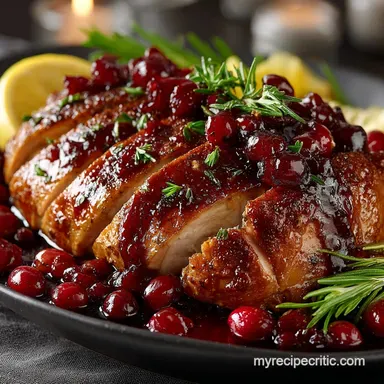
The Butchers Best Mate Herbcrusted Ovenbaked Tritip Roast
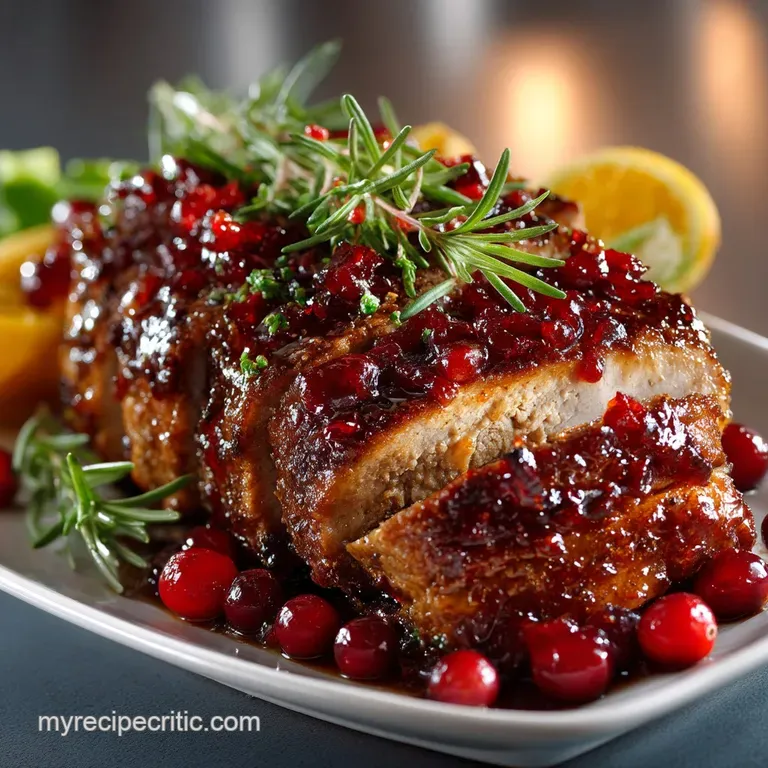
- The Butcher's Secret: Why Tri-Tip is the Ultimate Oven Roast
- Mastering the Perfect Crust on Your OvenBaked TriTip
- Gathering Your Arsenal: Essential Cowboy Rub Components
- Beyond the Basics: Crucial Equipment for the Perfect Sear
- The Two-Stage Approach to a Juicy OvenBaked TriTip
- Achieving Steakhouse Quality: Searing and Finishing Techniques
- Troubleshooting Common Tri-Tip Roasting Errors
- Meal Prep and Preservation: Keeping Your OvenBaked TriTip Fresh
- Recipe FAQs
- 📝 Recipe Card
The Butcher's Secret: Why Tri-Tip is the Ultimate Oven Roast
The tri-tip, historically a butcher’s secret tucked away in the beef sirloin section, has rightfully claimed its place as one of the most versatile and flavorful cuts available.
Often known regionally as the ‘Triangle Steak’ due to its distinct shape, this lean, moderately marbled roast provides a robust flavour profile without the excessive fat cap found on brisket or prime rib.
While it is a barbecue staple in California, learning How To Cook Beef Tri Tip in the oven opens up a world of precision and ease, making it accessible year-round, regardless of the weather.
Our goal here is to deliver an exceptional OvenBaked TriTip that achieves a smoky, crisp exterior, the "bark", and a perfectly succulent interior, rivaling any high-end steakhouse experience.
Mastering the Perfect Crust on Your OvenBaked TriTip
The key to a truly magnificent roast lies in understanding the cut itself and applying a smart cooking technique. Unlike large, uniformly shaped roasts, the tri-tip requires a calculated approach to maximize tenderness, which is why our two-stage roasting method is so successful for an Easy Oven Tri Tip .
Defining the 'Triangle Steak' and its Origin Story
The tri-tip is officially the Beef Tri Tip Roast or the bottom sirloin butt. Its characteristic triangular shape means that one end is significantly thinner than the other.
This varying thickness is actually an advantage, allowing the roast to provide different levels of doneness, from slightly more done on the thin point to perfect medium-rare in the thickest centre, satisfying every diner at the table.
This relatively lean cut takes dry rubs exceptionally well, making it the ideal candidate for developing a robust, herb-crusted bark when prepared using a specific high-heat sear.
Understanding the Grain Direction for Optimal Slicing
Perhaps the most crucial piece of knowledge when preparing a tri-tip is its unique muscular structure. The muscle fibres, or "grain," on the tri-tip run in two distinct directions, typically meeting near the centre point of the roast.
If you slice the cooked meat parallel to the grain, the slices will be chewy and tough, regardless of how perfectly you cooked it. We will revisit this step later, but identifying this dual grain structure before you even apply the rub is fundamental to ensuring your Roasted Tri Tip Recipe is tender upon serving.
Why Oven Roasting Rivals the Classic Barbecue Method
While traditionalists might swear by wood fire, oven roasting offers unparalleled control over heat consistency. Since the tri-tip is relatively thin and cooks quickly (around 30–45 minutes for a standard 2 lb cut), maintaining a stable, low temperature after the initial sear is critical to preventing the exterior from drying out before the centre is done.
Our methodology leverages the high, dry heat of a cast iron skillet for the initial sear, followed by a gentle, steady heat in the oven, ensuring the best possible internal moisture gradient for a perfect oven roasted Beef Tri Tip .
Gathering Your Arsenal: Essential Cowboy Rub Components
A successful OvenBaked TriTip begins with a powerful crust. We use a "California Cowboy Rub," which employs dried herbs and spices that can withstand the intense heat of the initial sear without burning. For a 2 lb roast, the mixture should be aggressive and generous:
Start with 1 tablespoon each of coarse sea salt and freshly cracked black pepper for foundational seasoning. Add 1 teaspoon each of granulated garlic powder, onion powder, and smoked paprika, the smoked paprika adds a wonderful depth that mimics a grill environment.
Finally, integrate half a teaspoon each of lightly crushed dried rosemary and dried thyme. The crushed nature of the herbs releases their potent oils, ensuring maximum flavour adheres to the beef when applied over a thin layer of olive oil, which acts as the crucial binder.
Beyond the Basics: Crucial Equipment for the Perfect Sear
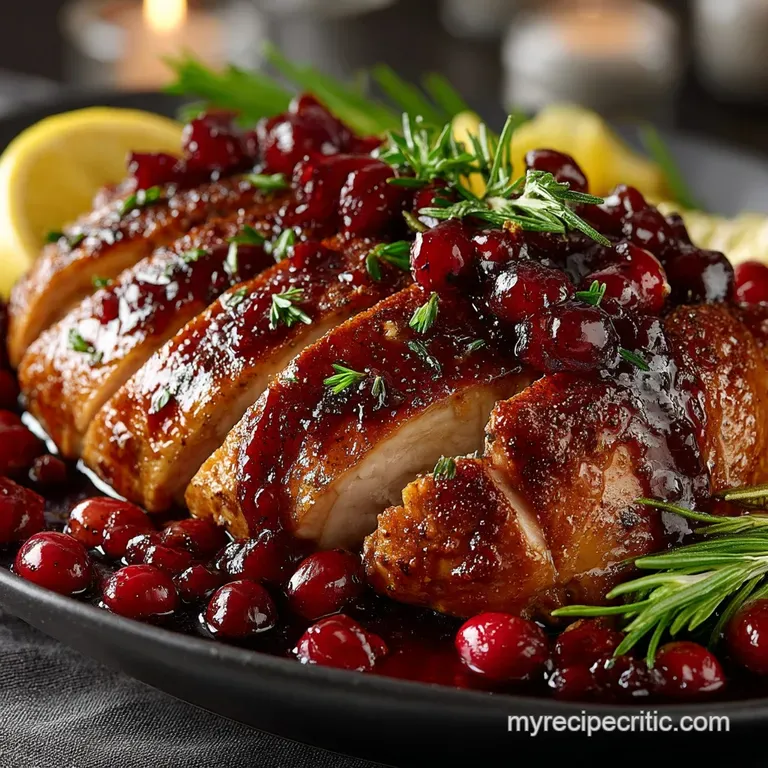
Executing a flawless How To Cook Beef Tri Tip relies heavily on preparation and having the right tools on hand.
A Breakdown of Fresh Herbs vs. Dried Spices
While fresh herbs deliver brighter flavour in salads or finishing oils, dried spices are preferred for high-heat rubs. Fresh rosemary or thyme leaves contain higher moisture content and delicate oils, causing them to blacken and taste bitter during the searing process.
The dried versions, as used in our cowboy rub, adhere more densely to the surface, forming the rugged, flavourful crust we desire, essential for the aesthetic and taste of the finished roast.
Selecting the Ideal Marbling and Weight for Roasting
For this specific Cook Tri Tip In Oven process, we recommend a 2 lb (0.9 kg) tri-tip. Look for a roast with a good degree of marbling, small flecks of intramuscular fat, which melts during cooking, providing juiciness and flavour.
While the cut naturally has a thin fat cap, ensure that any overly thick sections are trimmed down to no more than 1/4 inch; too much fat prevents the rub from adhering to the meat surface and inhibits crust formation.
Must-Have Tools: Cast Iron, Rack, and Thermometer
Three items are non-negotiable for success: A heavy-bottomed, oven-safe skillet (cast iron is strongly preferred for superior heat retention); a wire rack set inside a sheet pan (optional, but greatly improves air circulation for even cooking); and, most critically, an instant-read digital meat thermometer.
Because the Beef Tri Tip Roast is thin, temperatures can rise rapidly. Timing alone is inaccurate; the thermometer is the only way to perfectly gauge doneness and ensure the meat is pulled at precisely the right moment.
Choosing the Right High-Heat Cooking Oil
While we use olive oil to bind the rub to the meat, a separate, high smoke point oil must be used for the actual searing stage. Olive oil will smoke and potentially burn the crust at the high temperatures required to form the "bark." Instead, use vegetable, canola, or avocado oil for searing in the cast iron skillet.
This prevents the bitter taste of scorched oil and ensures a clean, deep-brown crust develops.
The Two-Stage Approach to a Juicy OvenBaked TriTip
The methodology we employ for this Roasted Tri Tip Recipe utilizes the reverse sear principle, modified slightly for efficiency. This two-stage process is key to preventing the roast from drying out. First, we generate a high-intensity external sear (the bark) quickly over the stovetop.
Second, we move the roast into a very low oven temperature for tri-tip , allowing the internal temperature to rise slowly and evenly. This gentle finishing period is what guarantees a tender, juicy result, ensuring the middle reaches perfect medium-rare without overcooking the edges.
Achieving Steakhouse Quality: Searing and Finishing Techniques
Step 1: Preparing the Roast and Applying the Herb Crust
To begin, thoroughly pat the tri-tip dry using kitchen paper. Moisture creates steam, which prevents a crust from forming; dry meat crusts beautifully. Next, coat the roast evenly with approximately 2 tablespoons of olive oil acting as the binder.
Apply the Cowboy Rub generously to all sides, pressing it firmly into the oily surface. Finally, allow the seasoned roast to temper by resting at room temperature for at least 30 to 45 minutes. This step is crucial for promoting even cooking from edge to centre.
Step 2: Preheating for the Initial High-Temperature Sear
Before searing, preheat the oven to the low finishing temperature: 135°C / 275°F. Place your cast iron skillet over high heat on the stovetop and add 1 tablespoon of high smoke point vegetable oil. The oil is ready when it shimmers and just begins to smoke faintly.
Carefully place the tri-tip into the blazing hot skillet and sear aggressively for 3 to 4 minutes per side, rotating with tongs to get a deep, dark brown crust on all edges. This aggressive sear locks in flavour and creates the desired 'bark.'
Step 3: Slow Finishing to Hit the Target Internal Temperature
Once seared, transfer the roast (either remaining in the cast iron skillet or moved to a rack/sheet pan) into the preheated 135°C / 275°F oven. Immediately insert your digital meat thermometer into the thickest part of the roast, taking care to avoid touching the pan or bone.
Continue to Cook Tri Tip In Oven until the internal reading reaches 5°C (10°F) below your desired final doneness. For our recommended medium-rare, pull the roast when the thermometer hits 54°C / 130°F.
This typically takes 30–45 minutes, resulting in a beautiful oven roasted Beef Tri Tip .
The Golden Rule of Resting: Why You Must Wait Before Slicing
This step is arguably the most vital. When the meat is pulled from the oven, the muscle fibres are tight, holding the internal moisture under intense pressure. If you cut it immediately, those precious juices will flood the cutting board, resulting in a dry roast.
Instead, place the OvenBaked TriTip on a clean cutting board, tent it loosely with foil, and let it rest undisturbed for a non-negotiable 10 to 15 minutes.
During this rest, the residual heat completes the carryover cooking process, and the muscle fibres relax, allowing the juices to redistribute back through the meat, guaranteeing maximum tenderness and flavour.
Troubleshooting Common Tri-Tip Roasting Errors
Defining Doneness: Temperature Guide for Every Preference
The only way to consistently produce a perfect Easy Oven Tri Tip is through strict temperature monitoring. Use these pull temperatures (remembering the meat will carry over cook by 5°C / 10°F during the rest):
| Preference | Pull Temperature |
|---|---|
| Rare | 50°C / 122°F |
| Medium-Rare (Recommended) | 54°C / 130°F |
| Medium | 60°C / 140°F |
Quick Fixes for a Dry Roast
If you accidentally pulled the roast late and find the slices are slightly dry, the best remedy is to address the serving method immediately. Slice the meat as thinly as possible (1/4 inch) and arrange it snugly on a platter.
Serve with a vibrant, moisturizing sauce, such as a sharp Chimichurri or a rich au jus, which compensates for lost moisture and enhances the flavour profile.
Meal Prep and Preservation: Keeping Your OvenBaked TriTip Fresh
Slicing Against the Grain: The True Key to Tenderness
To ensure every slice of your Beef Tri Tip Roast is tender, you must remember the dual grain structure mentioned earlier. Identify the point where the muscle fibres change direction (often marked by a noticeable seam or change in angle). Cut the roast into two halves along this seam.
Then, slice each half thinly (about 6 mm or 1/4 inch) perpendicular to the direction of the grain. This shortens the muscle fibres, giving the meat a buttery, tender chew, fulfilling the promise of a perfect Triangle Steak Recipe .
Storing Leftovers Safely and Reheating Tips
Leftover slices of OvenBaked TriTip can be stored safely in an airtight container in the refrigerator for up to four days. To reheat, avoid the microwave, which turns beef rubbery.
Instead, place slices in a roasting pan with a splash of beef broth or water, cover tightly with foil, and reheat slowly in a low oven (around 150°C / 300°F) until just warmed through. This low, moist method ensures the meat retains its texture and flavour.
Serving Suggestion: Pairing Wine and Side Dishes
A hearty Roasted Tri Tip Recipe demands equally robust companions. Pair the beef with rich, complementary sides such as creamy garlic mashed potatoes and seasonal roasted asparagus. For an added layer of flavour, consider drizzling the slices with a homemade red wine reduction.
For beverages, the bold character of the roast stands up beautifully to a structured, full-bodied Cabernet Sauvignon or a spicy Zinfandel, or if you prefer beer, a dark English ale provides a wonderful counterpoint to the smoky herb crust.
Recipe FAQs
Why bother with the low-and-slow approach for this OvenBaked TriTip, rather than just roasting it hot?
This "reverse sear" method is the bee's knees for maintaining tenderness and keeping the juices where they belong. The initial high-heat sear develops that lovely, savoury crust (the ‘bark’), while the low-and-slow oven finish ensures the interior cooks evenly from edge to edge.
It’s far superior to traditional roasting, which often results in grey, overcooked edges while you wait for the middle to catch up.
I keep hearing tri-tip needs careful carving, what's the big secret to slicing it without making it chewy?
Ah, the tri-tip carving puzzle is a proper nightmare if you don't know the trick! Because the muscle grain runs in two different directions (like a geological fault line), you must identify the seam and slice the roast into two halves first.
Then, slice perpendicularly to the grain in each section, think thin slices, no thicker than a pound coin, to guarantee tenderness.
How can I tell if my tri-tip is perfectly medium-rare, or have I ruined the joint?
Don’t fret, a meat thermometer is your best friend here, absolutely non-negotiable, like a kettle in a British kitchen! For a perfect medium-rare, pull the roast out of the oven when it hits 54°C (130°F).
Remember the crucial 15-minute rest, as this allows carryover cooking to push it up to the ideal serving temperature of around 57°C (135°F).
Can I use different seasonings if I’m not keen on the ‘cowboy style’ rub?
Of course! This recipe is incredibly versatile, like a good pair of jeans you can dress up or down. If you fancy swapping the cowboy rub, try going for a bright, garlicky Mediterranean blend with fresh oregano and lemon zest.
Alternatively, a punchy Asian-inspired marinade using soy sauce and ginger works wonders, but just be sure to pat the meat bone-dry before the high-heat searing stage.
I’ve cooked too much tri-tip! Can I store it, and how best should I reheat the leftovers?
Absolutely! Tri-tip is a true lifesaver for next-day sandwiches and salad toppers. Store any leftovers in an airtight container in the fridge for 3–4 days. To reheat without drying it out, slice it thin, add a splash of beef stock to a foil packet, and warm gently in a 150°C (300°F) oven for about 10 minutes until just heated through.
HerbCrusted OvenBaked TriTip Roast The Ultimate Steakhouse Finish