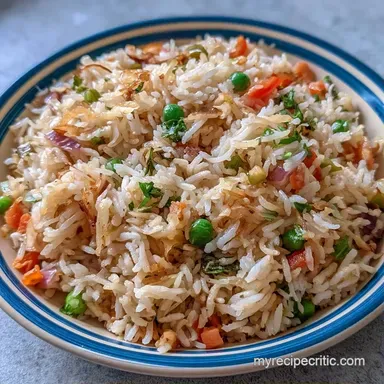
Quick Mild Vegetable Pulao: Fluffy and Fragrant
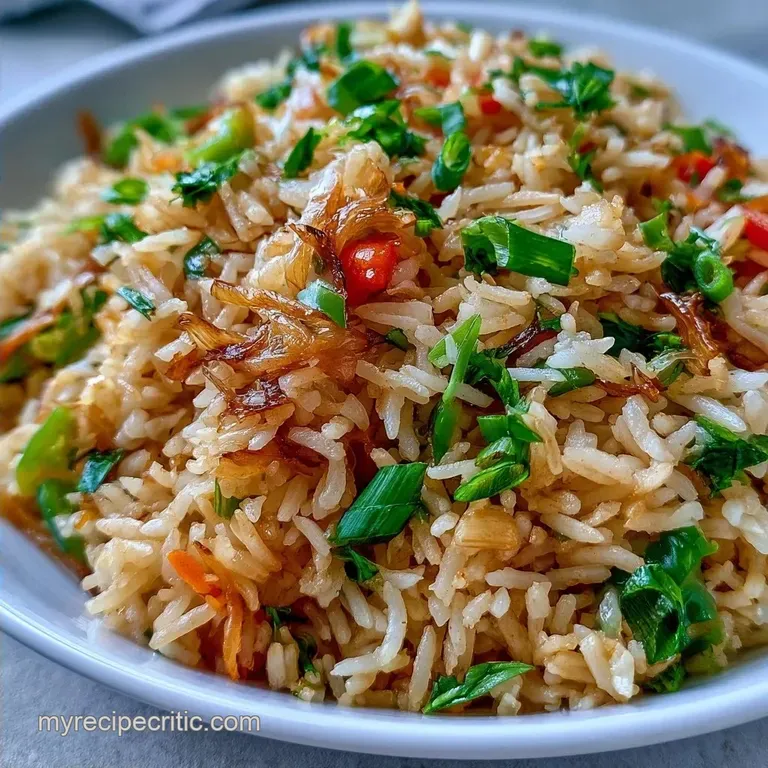
- Time: 15 min active + 40 min cooking/resting
- Flavor/Texture Hook: Fragrant, fluffy rice with tender, buttery vegetables
- Perfect for: Easy Indian Lunch Box Recipes or a quick weeknight dinner
The smell of ghee hitting a hot pot and frying whole cinnamon and cardamom is a core memory for me. It fills the whole kitchen with this warm, woody aroma that tells you something good is happening.
I used to rush this part, but I learned that letting those spices sizzle just a bit longer makes the whole dish taste deeper.
This Vegetable Pulao is my go to when I want a meal that feels special but doesn't leave me with ten different pots to scrub. It's all about the Basmati rice. If you use the wrong rice, you get a porridge, but the right kind, you get those long, distinct grains that feel light on the tongue.
You can expect a dish that's mild but aromatic. It's not a heavy curry, but a fragrant rice dish where the vegetables still have a bit of a bite. It's a great way to get a lot of greens into a meal without it feeling like a chore to eat.
Fluffy Homemade Vegetable Pulao
The real star here is the Basmati rice. I've tried using long grain white rice or even jasmine, but they just don't hold up. Basmati has a specific starch structure that, when handled right, prevents the grains from clumping together.
It's the only way to get that professional look where the rice looks like a collection of individual needles rather than a mass of mush.
Using high-quality Basmati means you don't need a ton of heavy cream or butter to make it taste rich. The rice itself carries the flavor of the ghee and the whole spices. If you're making this as a Mild Vegetable Pulao, the key is keeping the green chilies whole or just slit, so you get the aroma without a burning heat.
I've found that the timing of the water addition is where most people trip up. If you boil it too hard, you break the grains. If you don't seal the pot tight enough, the steam escapes and you end up with hard centers.
But when you hit that sweet spot of a low simmer and a 10 minute rest, the Vegetable Pulao comes together effortlessly.
The Magic of Soaking Rice
The Steam Rest Principle: Soaking the rice softens the outer shell, allowing it to cook evenly without cracking. Resting it after the heat is off lets the remaining steam redistribute, ensuring the bottom isn't soggy.
Right then, let's talk about the prep. I once thought soaking was just a suggestion, but it's actually the most important part of the process. When you soak Basmati for 20 minutes, the grains expand slightly.
This means they don't have to "shock" as much when they hit the boiling water, which prevents them from snapping.
Another trick I've picked up is adding a tiny bit of acid. A splash of lemon juice doesn't just add a bright note to the Vegetable Pulao, it actually helps keep the rice white and prevents the starch from gluing the grains together. It's a simple move, but it makes a huge difference in the final look.
| Approach | Rice State | Veg Prep | Result |
|---|---|---|---|
| Fresh Method | Aged Basmati, 20m soak | Hand diced fresh veg | Maximum aroma and distinct grains |
| Shortcut Method | Pre washed Basmati | Frozen mixed veg | Faster, but softer texture |
| Budget Method | Standard long grain | Canned or frozen veg | Heavier feel, less fragrance |
What Each Ingredient Does
The balance of a Homemade Vegetable Pulao comes from how the fats and aromatics interact. Ghee is non negotiable for me because it has a higher smoke point than butter and a nuttier flavor that binds the whole spices together.
| Ingredient | What It Does | Best Swap |
|---|---|---|
| Basmati Rice | Provides the light, fluffy structure | Long grain rice (will be denser) |
| Ghee | Carries fat soluble spice flavors | Unsalted butter or neutral oil |
| Lemon Juice | Brightens flavor and prevents sticking | A tiny pinch of citric acid |
| Whole Spices | Adds woody, floral base notes | Pulao masala powder (less depth) |
You'll notice I use ginger garlic paste. If you're making this for Easy Indian Lunch Box Recipes, you can make a big batch of this paste and keep it in the fridge for a week. It saves so much time on a Tuesday night when you just want to eat.
Essential Tools for Pulao
You don't need a fancy kitchen for this, but the pot matters. I always use a heavy bottomed pot, like a Dutch oven or a thick stainless steel pot. Thin pots create hot spots, and since rice sits on the bottom for 15 minutes, a thin pot is a one way ticket to a burnt crust.
A tight fitting lid is the second most important thing. If your lid has a gap, the steam escapes, and your Vegetable Pulao will be undercooked. If you don't have a tight lid, I usually put a piece of foil or a clean kitchen towel over the pot before pressing the lid down.
Finally, a fork is your best friend here. Never use a spoon to stir the rice once it's cooked. Spoons mash the grains. A fork allows you to lift and fluff the rice, keeping those long grains intact.
Step by step Guide
Let's crack on with the actual cooking. Make sure your vegetables are cut into uniform sizes so they all finish at the same time.
1. The Prep Phase
Rinse the basmati rice under cold running water 3–4 times until the water runs clear. According to the guides at Serious Eats, removing excess surface starch is the best way to avoid gummy rice. Soak the rice in water for 20 minutes, then drain completely. Chop all vegetables into uniform sizes.
2. Building the Flavor Base
Heat 2 tbsp ghee in a heavy bottomed pot over medium heat. Add the cinnamon stick, cardamom pods, cloves, bay leaf, and 1 tsp cumin seeds. Sauté until they sizzle and smell nutty.
3. Sautéing the Aromatics
Stir in the sliced onion and sauté until they become translucent and golden. Add the 1 tbsp ginger garlic paste and the slit green chili and stir for 1 minute.
4. Cooking the Veg
Add the cubed potatoes, carrots, and beans. Stir fry for 3–4 minutes. This seals the outside of the vegetables so they don't turn into mush during the simmering phase.
5. Adding the Rice
Stir in the soaked and drained rice, 1 tsp lemon juice, 0.5 tsp salt, and 0.25 tsp black pepper. Gently toss them for a minute so the grains are coated in the flavored ghee.
6. The Simmer
Pour in 2.25 cups of water or vegetable broth. Bring the liquid to a boil.
7. The Steam
Cover with a tight lid and simmer on low heat for 12-15 minutes until the water is completely absorbed.
8. The Final Touch
Turn off the heat. Let the Vegetable Pulao rest undisturbed for 10 minutes. This is when the magic happens and the grains firm up. Fluff gently with a fork before serving.
Troubleshooting Your Rice
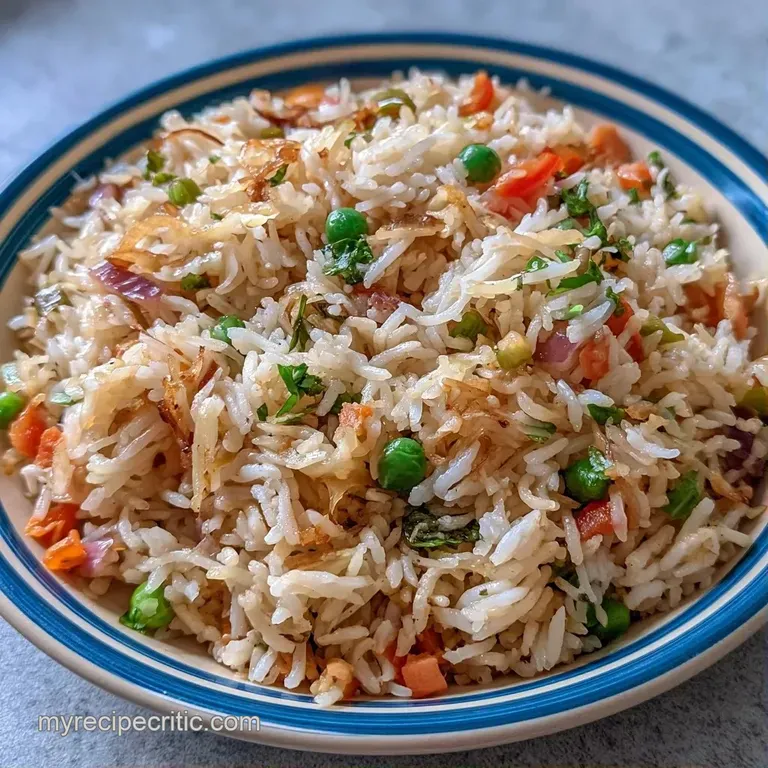
Even with a simple veg pulao recipe, things can go sideways. Most of the time, it comes down to the water to rice ratio or the heat level.
| Issue | Solution |
|---|---|
| Rice mushy | This usually happens if you over stir the rice while it's simmering. Stirring releases starch and breaks the grains. |
| Why are my vegetables undercooked | If the potatoes are still hard, your heat was likely too low or you didn't sauté them enough at the start. |
| Why is the rice sticking | Sticking happens when the pot is too thin or the heat is too high on the bottom. The lemon juice should help, but if it still happens, try a heavier pot next time. |
Swaps and Flavor Twists
One of the best things about a mild pulao recipe is how easy it is to change. If you're not a fan of beans, you can throw in some cauliflower florets or diced turnips. Just remember to cut them to the same size as the potatoes.
For a more indulgent version, you can add a handful of fried cashews and raisins at the end. The sweetness of the raisins cuts through the earthy spices. If you're looking for a companion dish, this Vegetable Pulao pairs really well with Greek Lemon Potatoes if you want a feast of aromatic starches.
Diet Swaps
If you're going vegan, swap the ghee for coconut oil or a neutral vegetable oil. You'll lose a bit of that buttery depth, but the spices will still shine. For a lower carb twist, you can replace half the rice with riced cauliflower, though the texture will be much softer and you'll need to reduce the water significantly.
If you enjoy other one pot meals with a hit of spice, you might like a Thai Yellow Chicken Curry for a different kind of aromatic experience. Both dishes rely on the same principle of blooming spices in fat to get the most flavor.
Scaling the Recipe
Adjusting the size of your Vegetable Pulao isn't as simple as doubling everything. Rice and liquids have a tricky relationship when you change the volume.
Scaling Down (Half Batch): If you're cooking for two, use a smaller pot (about 2 quarts). Use 3/4 cup rice and 1 cup plus 2 tbsp water. Reduce the simmering time by about 2-3 minutes, but keep the 10 minute rest period exactly the same.
Scaling Up (Double or Triple Batch): When doubling the recipe, don't double the salt and spices exactly. I usually go to 1.5x for the spices and salt first, then taste at the end. If you double the liquid exactly, you might find the rice gets too soft because there's more steam trapped in the pot.
Reduce the water by about 10% when doubling.
Chef's Note: If you're making a massive batch, work in two separate pots. Overcrowding a single pot leads to uneven cooking, where the bottom is mushy and the top is still hard.
Debunking Pulao Myths
There are a few things people tell you about rice that just aren't true. First, you don't need to wash your rice until the water is perfectly crystal clear. That just strips away too much of the grain's integrity. 3-4 rinses are plenty for a great Vegetable Pulao.
Second, some people say you must use a pressure cooker to get the best results. While it's faster, a heavy bottomed pot on low heat actually gives you better control over the texture. You're less likely to overcook the vegetables.
Finally, don't believe that adding more water mid way through fixes undercooked rice. If you open the lid and pour in water, you lose all the built up steam and likely crush the grains. If it's too dry, add a tiny bit of water around the edges and put the lid back on immediately.
Storage and Leftover Tips
Your Vegetable Pulao will stay fresh in the fridge for about 3-4 days. Store it in an airtight container to keep the grains from drying out.
When reheating, don't just throw it in the microwave on high, or you'll get rubbery rice. I prefer adding a teaspoon of water or a tiny knob of butter to the bowl, covering it with a damp paper towel, and heating it on medium. This creates a little steam chamber that brings the rice back to life.
For the freezer, this dish lasts about 2 months. Just make sure it's completely cool before freezing. To reheat from frozen, I recommend a skillet with a bit of ghee to get some of that toasted flavor back.
To keep things zero waste, don't throw away your vegetable peels. I save the carrot tops and onion skins in a freezer bag to make a quick vegetable stock, which I then use as the liquid for the next batch of Vegetable Pulao. It adds a much deeper flavor than plain water.
Best Ways to Serve
A Mild Vegetable Pulao is a complete meal on its own, but a few sides make it a feast. The classic choice is a cucumber raita. The cool, creamy yogurt balances the warmth of the cinnamon and cloves perfectly.
If you want something a bit more acidic, a simple kachumber salad (diced cucumber, tomato, and onion with lemon juice) provides a fresh crunch that cuts through the richness of the ghee.
For a more filling meal, serve it with a side of roasted cauliflower or paneer. The neutral, aromatic base of the Vegetable Pulao makes it a versatile partner for almost any savory side dish. Just remember to serve it hot, and fluff it one last time right before it hits the plate.
Recipe FAQs
What do Indian parents pack in lunch box for school kids?
Vegetable Pulao is a staple choice. It is a complete, one-pot meal that remains tasty and fragrant until lunchtime.
What do Indian mothers give their kids for lunch in school?
Fragrant Vegetable Pulao. It provides a balanced mix of carbohydrates and vitamins from mixed vegetables, making it a reliable school lunch.
What is the easiest lunch box recipe for kids?
One-pot Vegetable Pulao. Combining the sautéed vegetables and basmati rice in a single pot simplifies morning preparation and cleanup.
What are the easy to make Indian lunch ideas?
Vegetable Pulao is highly recommended. If you prefer a heartier meat-based option, a slow cooked lamb curry is another excellent alternative.
What are some good dish ideas for lunch Tiffins?
Vegetable Pulao works perfectly. It holds its texture well in a tiffin and doesn't become soggy over several hours.
What are some recommended vegetarian meals for school?
Vegetable Pulao is an ideal option. It's a wholesome dish that combines energy-giving rice with nutritious carrots, peas, and beans.
How to prevent the rice from becoming mushy?
Avoid stirring the rice while it simmers. Stirring releases excess starch and breaks the grains, which destroys the fluffy texture.
Vegetable Pulao: One-Pot and Fluffy