Butternut Squash Sweet Potato Soup with Ginger

- Time: Active 15 minutes, Passive 40 minutes, Total 55 minutes
- Flavor/Texture Hook: Velvety, sun drenched orange cream with a spicy ginger kick
- Perfect for: Cold weather meal prep or a low effort, high impact vegan dinner
- Create the Best Butternut Squash Sweet Potato Soup
- Why This Soup Recipe Works So Well
- Exploring the Component Analysis of Flavors
- The Essential Components for Flavor
- Simple Tools for Smooth Results
- Steps to a Velvety Finish
- Fixing Common Soup Mistakes Fast
- Smart Swaps for Every Pantry
- Debunking Kitchen Myths
- Safe Storage and Easy Reheating
- Perfect Pairings for Serving Success
- Recipe FAQs
- 📝 Recipe Card
Create the Best Butternut Squash Sweet Potato Soup
There is a specific smell that takes over my kitchen every Tuesday in October, and it's not just the roasting vegetables. It's that sharp, nasal clearing scent of fresh ginger hitting the hot olive oil in the bottom of my heavy pot.
I remember the first time I tried making a butternut squash sweet potato soup; I made the mistake of boiling everything in water like a sad vegetable tea. It was thin, bland, and honestly, a bit depressing. But then I learned the magic of the oven.
Once you see those charred, caramelized edges on a cube of sweet potato, you can never go back to just boiling them. That smoky sweetness is what gives this dish its backbone. Now, whenever friends come over and the wind is rattling the windowpane, I pull out my favorite sheet pan and get to work.
My sink usually ends up full of peelings and a stray blender attachment, but the cozy, warm glow in the room makes every bit of the cleanup worth it.
We aren't just making a puree here; we're building layers of flavor that start in the oven and finish with a bright splash of acid. This is the kind of meal that makes you want to wrap your hands around a warm mug and just breathe in the aroma.
It's simple, honest food that works every single time, provided you don't skip the roasting step. Trust me on this, your taste buds will thank you for that extra bit of heat.
Why This Soup Recipe Works So Well
- Maillard Magic: over High heat roasting at 200°C creates a chemical reaction between amino acids and reducing sugars, producing complex flavors that raw simmering simply cannot replicate.
- Starch Synergy: The combination of sweet potato and butternut squash provides two different types of starch, creating a thicker, more stable emulsion that stays velvety even after reheating.
- Fat Solubility: Ginger and smoked paprika contain flavor compounds that are fat soluble, meaning the coconut milk and olive oil "carry" these tastes across your palate more effectively.
- Acid Balance: Adding lime juice at the very end breaks through the heavy density of the root vegetables, brightening the entire profile and preventing the soup from tasting "muddy."
| Method | Time | Texture | Best For |
|---|---|---|---|
| Fresh Roasted | 55 minutes | Deep, nutty, velvety | Maximum flavor and dinner parties |
| Shortcut (Boiled) | 30 minutes | Light, clean, simple | Quick lunches or when energy is low |
| Slow Cooker | 4 hours | Soft, integrated, mellow | Hands off prep for busy weekdays |
Choosing the roasting method is always my preference because it adds a layer of "toastiness" you can't get elsewhere. If you are in a rush, boiling the cubes in the broth works, but you'll lose that golden, charred dimension that makes this butternut squash sweet potato soup stand out from the crowd. If you love this kind of comfort, you might also find the same warmth in a Tomato Soup with recipe on a rainy afternoon.
Exploring the Component Analysis of Flavors
| Ingredient | Science Role | Pro Secret |
|---|---|---|
| Butternut Squash | Provides the base structure and fiber for a thick, non watery consistency. | Pick a squash with a matte skin; shiny ones are often picked too early and lack sugar. |
| Sweet Potato | Adds natural creaminess and a boost of glucose for easier caramelization. | Leave the skins on during roasting if you want more earthiness, then peel before blending. |
| Fresh Ginger | Acts as a digestive aid and provides a sharp contrast to the heavy starches. | Use the edge of a spoon to peel it so you don't waste the flavorful flesh near the skin. |
| Coconut Milk | Provides the medium chain triglycerides (fats) needed for a luxurious mouthfeel. | Always use full fat; the water heavy light versions will make the soup split and look grey. |
When you are selecting your produce, try to find a squash that feels heavy for its size. That weight usually means it's packed with moisture and hasn't started to dry out inside. If you've ever had a Homemade Turkey Noodle recipe after a big holiday, you know how important the quality of the base vegetables and broth can be for the final result.
The Essential Components for Flavor
- 1 large butternut squash (approx. 1kg): Peeled and cubed. Why this? It provides the signature nutty flavor and the bulk of the soup's silky body.
- Substitute: Pumpkin or Hubbard squash (same weight).
- 2 medium sweet potatoes (approx. 500g): Peeled and cubed. Why this? The extra sugar content helps with browning and adds a smoother finish.
- Substitute: Carrots (slightly more watery but similar sweetness).
- 2 tbsp olive oil: For roasting and sautéing.
- Substitute: Avocado oil or melted coconut oil.
- 1 tsp sea salt & 1/2 tsp cracked black pepper: The essential seasoning duo.
- 1 large yellow onion: Diced. Why this? Onions provide the savory "allium" base that balances the sweet veggies.
- Substitute: 2 large shallots for a more delicate flavor.
- 3 cloves garlic: Minced.
- Substitute: 1 tsp garlic powder (add to the broth, not the sauté).
- 2 tbsp fresh ginger: Grated. Why this? It adds a "bright" heat that cuts through the richness of the coconut milk.
- Substitute: 1/2 tsp ground ginger (though fresh is significantly better here).
- 1 tsp ground cumin & 1/2 tsp smoked paprika: For warmth and depth.
- 1 liter vegetable broth: The liquid foundation.
- Substitute: Chicken broth if you aren't strictly vegan.
- 400ml full fat coconut milk: For that high end, velvety texture.
- Substitute: Heavy cream (1 cup) if you prefer dairy.
- 1 tbsp maple syrup: To enhance the natural sugars.
- Substitute: Brown sugar or honey.
- 1 tbsp lime juice: The crucial acid finish.
- Substitute: Lemon juice or apple cider vinegar.
Simple Tools for Smooth Results
You don't need a high tech kitchen to pull this off. I usually grab my largest rimmed baking sheet (about 30x45cm) to ensure the vegetables have plenty of room to roast without steaming each other. For the soup itself, a large heavy bottomed pot or a Dutch oven is best for even heat distribution.
The real MVP here is the immersion blender. It allows you to puree everything right in the pot, which means one less thing to wash. If you only have a standard upright blender, just remember to work in small batches and leave the lid slightly cracked (covered with a towel) to let the steam escape.
Otherwise, you might end up with a "soup explosion" on your ceiling, and nobody wants that on a Tuesday night.
Steps to a Velvety Finish
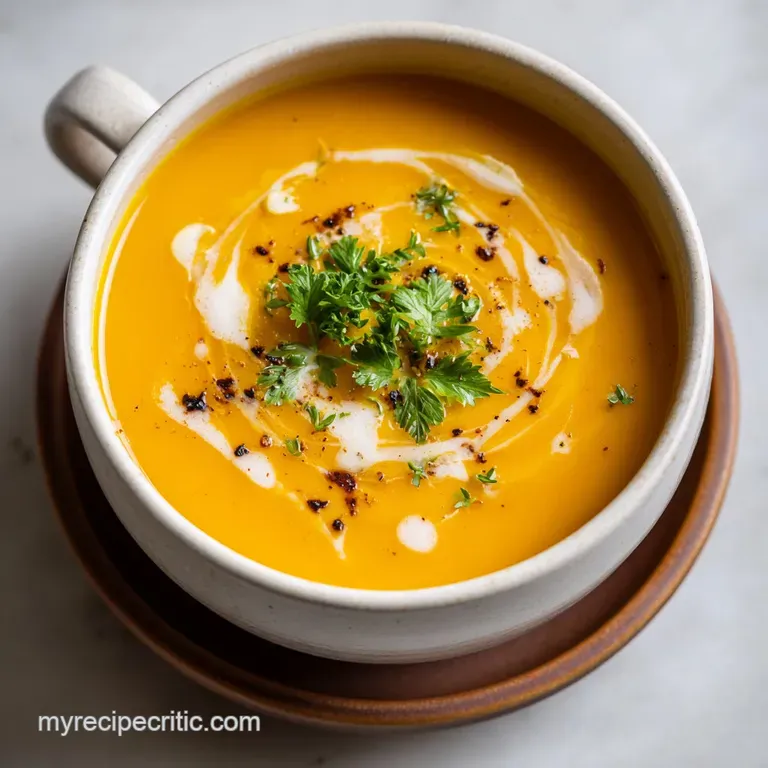
- Roast the vegetables. Toss the 1kg cubed butternut squash and 500g sweet potatoes with 1 tbsp olive oil, salt, and pepper on a large tray. Bake at 200°C for 25-30 minutes until edges are charred and centers are soft.Note: This creates the deep caramel notes.
- Sauté aromatics. Heat the remaining 1 tbsp olive oil in a large pot over medium heat. Add the diced onion and cook for 5 minutes until translucent and fragrant.
- Bloom the spices. Stir in the 3 cloves minced garlic, 2 tbsp grated ginger, cumin, and smoked paprika. Cook for 60 seconds until the kitchen smells like a spice market.
- Deglaze the pot. Pour in a splash of the vegetable broth and scrape the bottom of the pot with a wooden spoon. Note: This releases the "fond" (browned bits) for extra flavor.
- Combine the ingredients. Add the roasted squash, sweet potatoes, and the rest of the 1 liter vegetable broth to the pot.
- Simmer everything. Bring the liquid to a gentle boil, then reduce heat and let it simmer for 10 minutes.
- Add the creaminess. Pour in the 400ml coconut milk and 1 tbsp maple syrup. Stir to combine.
- Puree the soup. Use an immersion blender to process the mixture until it is completely smooth and velvety.
- Season and brighten. Stir in the 1 tbsp lime juice and taste. Add more salt if needed.
- Serve warm. Ladle into bowls and finish with a crack of black pepper or a drizzle of extra coconut milk.
Fixing Common Soup Mistakes Fast
Why Your Soup Is Watery
Sometimes even with the best squash, the water content is just too high. If your soup feels more like a juice than a meal, it's usually because the vegetables didn't have enough starch or the broth to veggie ratio was off.
You can fix this by simmering it uncovered for an extra 15 minutes to reduce the liquid, or by blending in a small can of white beans for instant thickness without changing the flavor.
Why the Texture Is Grainy
If you find the soup isn't perfectly smooth, it's likely due to the squash being under roasted or the blender not being powerful enough. If you used an immersion blender, try tilted it slightly to create a vortex that pulls all the chunks through the blades.
For a truly professional finish, you can pour the blended soup through a fine mesh sieve, though you will lose some of the fiber.
| Problem | Root Cause | Solution |
|---|---|---|
| Too Sweet | Too much maple syrup or very ripe potatoes. | Add a teaspoon of apple cider vinegar or extra lime juice to balance it. |
| Bland Flavor | Lack of salt or the broth was low quality. | Add salt in small increments; it "unlocks" the sweetness of the squash. |
| Bitter Aftertaste | Burnt garlic or old ginger. | Swirl in a tablespoon of coconut sugar or extra maple syrup to mask the bitterness. |
Common Mistakes Checklist
- ✓ Never crowd the roasting pan; if vegetables touch, they steam instead of browning.
- ✓ Don't skip the lime juice at the end; the acid is what makes the flavors "pop."
- ✓ Avoid using "light" coconut milk; it lacks the fat needed for a silky emulsion.
- ✓ Be sure to peel the squash thoroughly; the tough skin will never blend smoothly.
- ✓ Always sauté your spices for a minute before adding liquid to wake up the oils.
Smart Swaps for Every Pantry
If you are cooking for a larger crowd, scaling this recipe is quite simple. When doubling the recipe, use two separate baking sheets for the roasting step. If you try to pile 2kg of squash onto one tray, it will take twice as long to cook and won't get those crispy edges we love.
For the spices, I recommend increasing them by 1.5x rather than a full 2x to avoid overpowering the delicate squash.
If you need to scale down for just one or two people, you can easily halve all the ingredients. However, I usually make the full batch and freeze half. It’s the ultimate "gift to your future self." When reheating, you might need to add a splash of water or broth, as the starches tend to thicken the soup significantly as it sits in the fridge.
| Premium Ingredient | Budget Alternative | Flavor Impact | Savings |
|---|---|---|---|
| Fresh Ginger | Ground Ginger | Less "zing," more earthy | $2.00 |
| Full Fat Coconut Milk | Whole Milk + Butter | Less tropical, very creamy | $1.50 |
| Pure Maple Syrup | Brown Sugar | Same sweetness, less woody | $3.00 |
If you want a different vibe for your meal, you can also change the protein profile. If you aren't vegan, topping this with crispy pancetta or bacon adds a salty crunch that contrasts beautifully with the sweet base. For a plant based protein boost, a handful of roasted chickpeas on top works wonders for texture.
Debunking Kitchen Myths
One major myth is that you must peel the squash before roasting. In reality, roasting it in large chunks with the skin on makes it much easier to scoop the flesh out afterward, though it takes a bit longer in the oven.
For this recipe, I suggest peeling and cubing first because those smaller cubes get more surface area for caramelization.
Another misconception is that boiling vegetables preserves more nutrients than roasting. Actually, many vitamins are water soluble and end up in the boiling water, which is often discarded.
Since we are roasting then blending into a soup, we keep everything, but roasting at high heat actually concentrates the flavor by removing excess water.
Safe Storage and Easy Reheating
This soup stays fresh in the fridge for up to 5 days in an airtight container. In fact, it often tastes better on day two because the spices have more time to meld with the fats in the coconut milk. To reheat, simply place it in a saucepan over medium low heat, stirring occasionally.
Avoid a hard boil, as this can sometimes cause the coconut milk to separate.
For zero waste cooking, don't throw away those squash seeds! Rinse them, pat them dry, and roast them with a little salt and chili powder for a perfect crunchy garnish. Also, if you have leftover herb stems (like cilantro or parsley), throw them into the pot while the soup simmers and fish them out before blending to add an extra layer of freshness to the broth.
Perfect Pairings for Serving Success
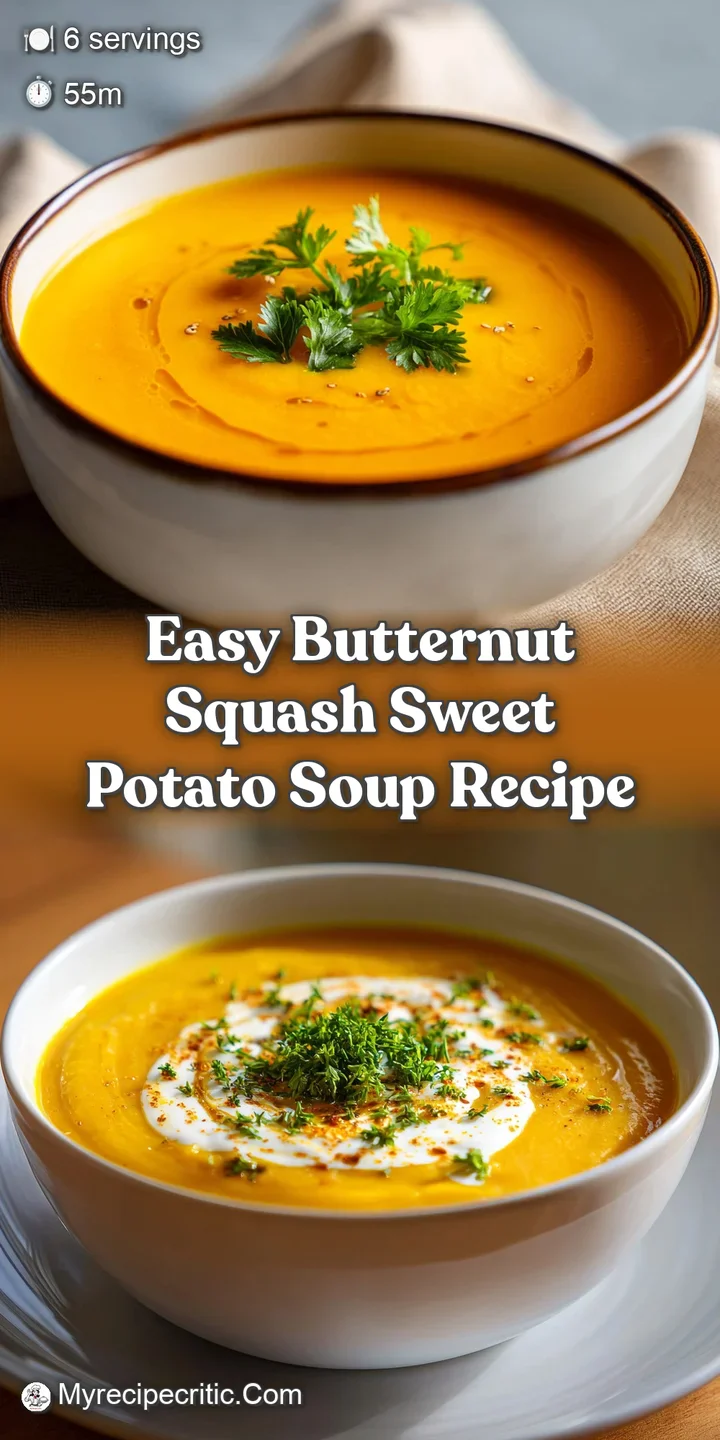
Presentation is everything when you're serving something that is essentially an orange bowl of puree. I like to keep a little coconut milk aside to drizzle in a swirl on top. It looks professional and adds a fresh hit of creaminess.
A few sprigs of fresh cilantro or some toasted pumpkin seeds add that "shatter" of texture that makes every bite interesting.
If you are looking for a side dish, a thick slice of sourdough bread toasted with plenty of salty butter is the natural choice. The tang of the bread cuts through the sweetness of the sweet potato soup perfectly.
For a full meal, serve this alongside a crisp green salad with a sharp vinaigrette to refresh the palate between spoonfuls of the rich, velvety soup. It's a balanced, cozy meal that feels like a hug in a bowl.
Recipe FAQs
Does sweet potato go well in butternut squash soup?
Yes, they complement each other wonderfully. The sweet potato adds extra natural sugar, which aids in caramelization during roasting, deepening the overall flavor profile of the soup base.
What adds flavour to butternut squash soup?
Fresh ginger, smoked paprika, and a final splash of lime juice are key flavor enhancers. Ginger provides a bright, necessary contrast to the heavy sweetness, while acid from the lime cuts through the richness.
What was Julia Child's favorite soup?
Her most famous and beloved soup was the classic French Onion Soup. She famously championed its deep, savory broth and rich Gruyère topping, showing the power of simple, slow cooked fundamentals.
What are some common problems when making butternut squash soup?
The two most common issues are watery consistency and blandness. Wateriness results from steaming instead of roasting vegetables, and blandness often means you skipped the final acid adjustment or didn't salt enough.
How do I ensure my soup has a velvety texture instead of being grainy?
Ensure vegetables are fully roasted until very soft before blending. If using an immersion blender, blend until you can no longer hear chunks hitting the blades, and remember that the fat content in full fat coconut milk is essential for that smooth emulsion.
Is it true I must only use chicken broth for the base?
No, vegetable broth works perfectly well for this soup. Using vegetable broth keeps the soup naturally vegetarian and allows the pure sweet and earthy notes of the squash and potato to remain front and center, much like the principles of building depth in a good sauce like in our Luxurious Creamy Bolognese recipe.
How should I store leftover blended soup to maintain the best texture?
Store the cooled soup in an airtight container in the refrigerator for up to five days. When reheating on the stove, do so gently over medium low heat, stirring frequently to prevent the starches from seizing up and becoming too thick.
Butternut Sweet Potato Soup

Ingredients:
Instructions:
Nutrition Facts:
| Calories | 349 kcal |
|---|---|
| Protein | 5.0 g |
| Fat | 18.4 g |
| Carbs | 45.2 g |
| Fiber | 6.3 g |
| Sugar | 12.1 g |
| Sodium | 552 mg |
