Greek Dressing: Authentic Zesty Homemade Recipe
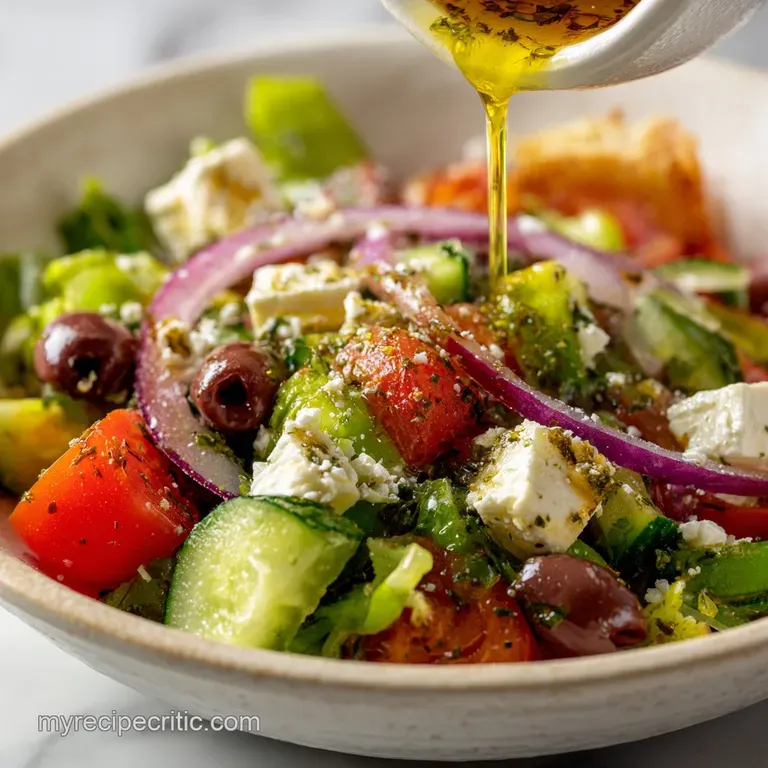
- Taverna Secret: Mastering Authentic Greek Dressing
- The Alchemy of Flavour: Why This Vinaigrette Balances Perfectly
- Decoding the Core Ingredients: Notes on Olive Oil and Vinegar Selection
- Step-by-Step Guide: How to Whisk Up the Taverna Classic
- Expert Tips for a Flawless Finish (Common Mistakes Avoided)
- Storing Your Homemade Dressing for Peak Freshness
- Beyond Salad: Creative Ways to Use This Mediterranean Vinaigrette
- Recipe FAQs
- 📝 Recipe Card
Taverna Secret: Mastering Authentic Greek Dressing
Can you smell that? It’s the sharp, heady fragrance of red wine vinegar and potent dried oregano, cut by the bright sting of fresh lemon. That aroma is the first sign you are making proper, authentic Greek Dressing , not the watery stuff they sell in the chiller aisle.
Listen, this is one of those recipes that truly is a lifesaver. It takes ten minutes, uses pantry staples you already have, and costs pennies compared to buying a bottle. Making your own Greek Dressing gives you total control over the flavour profile, meaning no weird stabilizing gums or overly sweet additions.
So, ditch the commercial sludge and let’s crack on. This homemade Greek Dressing recipe is guaranteed to give your salads, marinades, and dipping plates that vibrant, zesty punch they deserve.
The Alchemy of Flavour: Why This Vinaigrette Balances Perfectly
A Brief History of the Horiatiki Vinaigrette
The best Greek Dressing comes straight from the ingredients used in a traditional Horiatiki (Village) salad. This dressing isn't complicated or fussy; it’s designed to highlight the flavour of the vegetables and the creamy feta, not overpower them.
It leans heavily on high-quality olive oil and sharp red wine vinegar, making it robust enough to stand up to strong olives and thick slices of onion.
Why Homemade Beats store-bought
store-bought versions usually cheap out on the olive oil and rely on sugar or corn syrup to mask the low-quality acid. But when you make Greek Dressing homemade , you control the oil quality, which is the major flavour component here.
Trust me, the difference between a high grade EVOO and the stuff in a plastic bottle is absolutely night and day.
The Role of Red Wine Vinegar in Greek Cuisine
Red wine vinegar is the backbone of any proper zesty Greek Dressing . Its slight fruitiness and potent acidity provide the necessary bite. It works harder than white wine vinegar because its flavour is deeper; it mellows the raw edge of the garlic beautifully while waking up the flavour of the herbs.
Achieving Optimal Emulsification
Emulsification is just a fancy word for making oil and acid temporarily play nice together. This dressing should look creamy and slightly opaque, not separated into oil on top and water below. We use a secret weapon here: Dijon mustard.
It contains emulsifiers that bind the liquids, keeping the thick consistency stable for longer.
The Importance of the Acid-to-Oil Ratio
Most people fail at vinaigrettes because they use too much oil. For a robust Greek Dressing , I recommend a 2:1 oil-to-acid ratio (1/2 cup oil to 1/4 cup vinegar plus lemon).
This ratio ensures the dressing is sharp enough to cut through the richness of feta or a heavy salad without tasting overly sour. It keeps the dressing lively!
Boosting Depth with Aromatics and Dried Oregano
Garlic and oregano are non-negotiable Greek flavours. We use dried oregano specifically because the flavour is more concentrated and earthy than fresh, and it stands up better to the strong acidity. Crucially, we "bloom" the oregano by rubbing it between our palms before mixing.
This simple physical action releases essential oils, amplifying the intense flavour of the final Greek Dressing .
Decoding the Core Ingredients: Notes on Olive Oil and Vinegar Selection
Selecting the Right Extra Virgin Olive Oil (EVOO)
Since this dressing is essentially raw olive oil, don't skimp! Look for an EVOO with a slightly green hue and a robust, sometimes peppery, finish. That peppery note actually indicates high levels of polyphenols good antioxidants and it adds a complexity you won't get from lighter, more refined oils.
Essential Spices: Dried Oregano vs. Fresh Herbs
The flavour profile of this Greek Dressing relies heavily on dried Greek Oregano. It's often labelled as Mediterranean oregano, and it is far more fragrant and potent than common supermarket varieties. While fresh herbs are lovely, here they would make the dressing taste watery.
Stick to the dried stuff, and remember to bloom it!
Smart Substitutions for Red Wine Vinegar
| Ingredient Needed | Suggested Substitution | Flavour Impact |
|---|---|---|
| Red Wine Vinegar | White Wine Vinegar | Milder acidity, less complexity. |
| Red Wine Vinegar | Apple Cider Vinegar | More acidic and fruity; use 1/4 less. |
| Lemon Juice | Lime Juice | Much sharper and less sweet; use sparingly. |
Prepping Your Fresh Aromatics (Garlic and Shallot)
This is where many people mess up their authentic Greek Dressing recipe . Garlic must be minced very finely, or better yet, grated with a microplane. Why? If you have big chunks, they will be fiercely raw and overpower everything.
Grating disperses the flavour evenly throughout the oil, which is the goal.
step-by-step Guide: How to Whisk Up the Taverna Classic
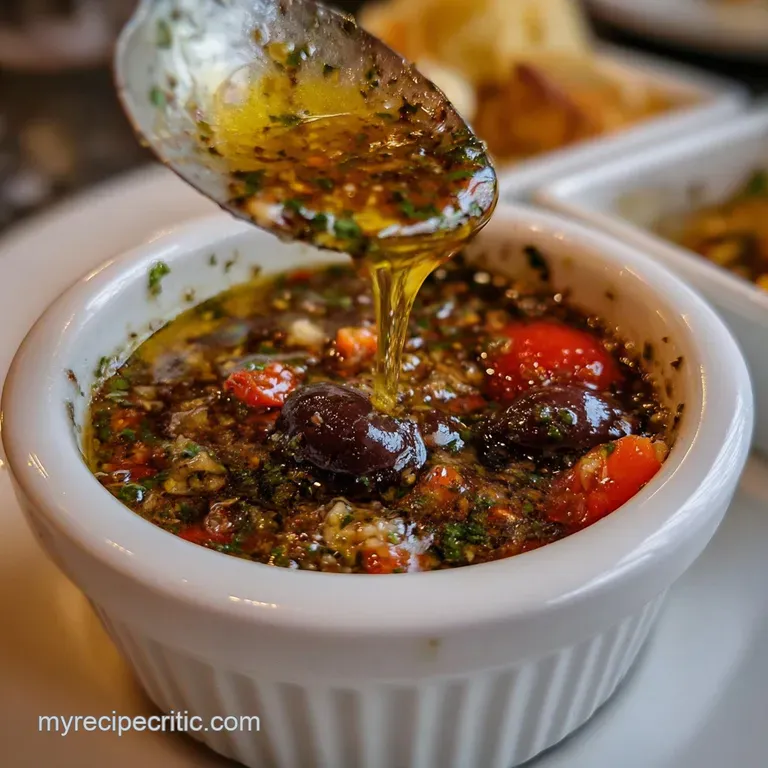
Preparation Checklist (Mise en Place)
Get everything ready before you start, trust me, it saves cleaning sticky hands later. Mince your garlic now. Get your jar (my preferred mixing tool) or bowl ready. Measure out all your Greek Dressing ingredients .
Combining Dry Ingredients and Acids First
In your jar or bowl, combine the red wine vinegar, lemon juice, salt, pepper, and Dijon mustard. Add the grated garlic and, most importantly, the dried oregano. Whisk or shake hard for about 30 seconds.
Chef’s Note: You mix the salt and spices with the acid first because they dissolve better in liquid than they do in oil. If you add them to the oil, they often sink straight to the bottom.
The Emulsification Process: Slow Stream Method
Now for the oil. If you’re using a jar, you can just pour the oil in, seal the lid tightly, and shake like you mean it for a full minute until it looks creamy. If whisking, drizzle the Extra Virgin Olive Oil in a very thin, steady stream while whisking rapidly.
This slow introduction is what creates a true, stable emulsification for your beautiful Greek Dressing .
Adjusting Final Consistency and Seasoning
Once emulsified, give it a taste. Is it singing? If it’s too oily, add another tiny splash of lemon juice. If it's too sharp, balance it with just a pinch of sugar or more salt. The final dressing should have a slight visual thickness, coating the back of a spoon lightly.
Expert Tips for a Flawless Finish (Common Mistakes Avoided)
The journey to the perfect Greek Dressing is littered with failed attempts. Here are the top three ways people mess it up, and how to fix them.
Mistake 1: Not Resting the Dressing. You must allow the dressing to rest in the fridge for at least 30 minutes, or even better, an hour. If you use it immediately, the garlic is too harsh and the oregano hasn't had time to hydrate and release its earthy depth.
Resting cures that and makes the dressing exponentially better.
Mistake 2: Whisking Too Fast at the Start. Wait, I know I told you to whisk fast, but not before the oil is added. If you mix the acid and spices too vigorously without the fat, you often incorporate too much air, which can actually make it harder to emulsify later.
Focus on dissolving the salt, then introduce the oil slowly.
Mistake 3: Using Cold Olive Oil. While we refrigerate the final product, the oil should be at room temperature when you start mixing. Cold oil is thicker and much harder to emulsify smoothly.
Using room temperature ingredients ensures you get that creamy, homogeneous texture in your Greek Dressing .
Storing Your Homemade Dressing for Peak Freshness
How to Rescue a Broken Vinaigrette
Did you rush the oil and now your dressing looks separated and oily? Don't panic! Grab a clean bowl and add one teaspoon of hot water or vinegar. Start whisking rapidly, then slowly drizzle the broken dressing into this new base.
The fresh acid/water acts as a starter fluid to re-emulsify the fat, bringing it back together.
Maximizing Flavour Infusion Time
This Greek Dressing actually tastes better the next day. The garlic and herbs need time to mingle. I highly recommend making a batch the evening before you plan to use it for that deep, complex flavour profile.
Troubleshooting Overly Tangy or Bitter Dressing
If your dressing is aggressively tangy, you likely need a touch more oil to balance the acid. If it tastes bitter, the issue might be your olive oil (which can happen if the EVOO is slightly older or lower quality), or sometimes, too much raw garlic.
Balance bitterness with a tiny pinch of sugar or honey, followed by a slight increase in salt.
Shelf Life and Refrigeration Guide
Store your finished Greek Dressing in an airtight jar in the refrigerator. It will keep beautifully for up to 10 days. Always remember to give it a fierce shake before serving, as the ingredients will naturally separate once chilled.
Can You Freeze Vinaigrette? (And Why You Shouldn't)
While technically you can freeze this, you shouldn't bother. The freezing process changes the chemical structure of the oil and water, causing the perfect emulsification to fully break down. When it thaws, you will have chunky, separated, and potentially grainy oil floating on watery acid.
Just make a smaller batch of this quick zesty Greek Dressing instead!
Preparing Large Batches for Meal Prep
Since the shelf life is long, this is the perfect meal prep item. Use the proportions exactly as listed but scale up the recipe by 2x or 3x. Store it in a large mason jar. This large batch of Greek Dressing is incredible over meal prepped rice bowls, or as a vibrant, tangy element in a Foolproof Cucumber Tomato and Feta Salad The NonSoggy Greek Recipe — it keeps the components crisp for days!
Beyond Salad: Creative Ways to Use This Mediterranean Vinaigrette
This versatile vinaigrette is useful far beyond the standard green salad.
- Vibrant Marinade: It’s strong enough to tenderize and flavour meat beautifully. I use this as the marinade base when I make my The Authentic Greek Steak Gyros Easy Sirloin Recipe . The acids keep the meat tender and the oregano infuses a classic Hellenic flavour.
- Roasted Veggies: Drizzle a generous amount over potatoes, broccoli, or zucchini before roasting.
- Dip Base: Whisk a little bit of the finished dressing into plain Greek yogurt for a quick, tangy dip for pita bread or raw vegetables.
- Feta Enhancement: Spoon it directly over a block of high-quality feta cheese before baking it, serving it as a stunning, flavour packed appetizer.
This Greek Dressing is truly liquid gold. It's the secret weapon that separates a good meal from an absolutely fantastic one. Go make a big batch!

Recipe FAQs
How long will this homemade Greek dressing last, and how should I store it?
Store the dressing in an airtight container, preferably glass, in the refrigerator. Due to the fresh ingredients and lack of preservatives, it is best used within 7 to 10 days. Always allow the dressing to come to room temperature and shake vigorously before serving, as the olive oil will solidify when chilled.
My dressing separated shortly after mixing. Did I do something wrong?
Vinaigrettes naturally separate because oil and vinegar molecules do not combine permanently without a strong emulsifier. To achieve a temporary, smooth emulsion, slowly whisk the oil into the vinegar base, or shake the mixture vigorously in a jar just before serving.
Adding a tiny bit of Dijon mustard can also help stabilize the emulsion slightly.
The dressing tastes too tart/acidic. How can I balance the flavors?
If the dressing is overly acidic, the easiest fix is to add a small amount of sugar, honey, or maple syrup to cut the sharp edge of the vinegar. Alternatively, slowly whisk in an extra tablespoon of extra virgin olive oil to increase the fat ratio, which mellows the overall tanginess.
You can also add a pinch of salt to enhance the other flavors.
Why is high-quality extra virgin olive oil (EVOO) so important for this recipe?
EVOO provides the essential robust, fruity, and slightly grassy flavor profile necessary for an authentic Mediterranean dressing. Using low-grade or neutral oils, like vegetable oil, will result in a much flatter, less complex taste.
The quality of your oil directly determines the depth and richness of the final product.
Can I substitute dried oregano with fresh herbs, and if so, how much?
While authentic Greek dressing heavily relies on the strong, concentrated flavor of dried oregano, you can use fresh for a brighter taste. If substituting, use about three times the quantity specified for dried herbs, or incorporate fresh dill, parsley, or mint for a delicious flavor twist.
Remember that fresh herbs shorten the dressing's shelf life.
Can this dressing be used as a marinade for proteins?
Absolutely! The high acidity from the red wine vinegar and lemon juice makes it an excellent tenderizing marinade for chicken, pork, or firm vegetables before grilling. Marinate proteins for 30 minutes up to 4 hours, but avoid marinating delicate fish for too long due to the strong acid content which can cook the protein.
I only have white vinegar. Can I use that instead of red wine vinegar?
While red wine vinegar offers a softer, fruitier depth of flavor traditional to Greek cuisine, white vinegar can be used in a pinch. If substituting, use slightly less white vinegar initially, as it is often sharper and more aggressive than its red counterpart. You may need to compensate by adding a bit more sweetener.
Authentic Zesty Greek Dressing
Ingredients:
Instructions:
Nutrition Facts:
| Calories | 263 kcal |
|---|---|
| Protein | 0.4 g |
| Fat | 28.0 g |
| Carbs | 3.1 g |
