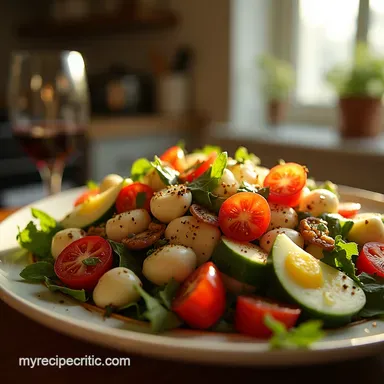
Sundrenched Simplicity the Authentic Greek Village Salad Horiatiki Salata
- Why This Horiatiki Recipe Rejects Lettuce and Emphasizes Purity
- The Soul of the Village: Understanding True Greek Salad Composition
- The Essential Pantheon: Sourcing Peak Quality Components for Your Greek Salad
- The Art of Assembly: Layering Flavors, Not Just Mixing Ingredients
- Mastering the Moment: Serving Suggestions and Optimal Enjoyment Temperature
- Troubleshooting Common Pitfalls in Your Homemade Greek Salad
- Recipe FAQs
- 📝 Recipe Card
Why This Horiatiki Recipe Rejects Lettuce and Emphasizes Purity
When you approach an Authentic Greek Salad , or Horiatiki Salata , you must first divorce yourself from the expectations set by Westernized versions.
The most glaring difference, the one that immediately signals you are entering genuine Greek culinary territory, is the complete absence of leafy greens. This Greek Salad Recipe is not about bulk or filler; it is a celebration of five core components tomato, cucumber, onion, olive, and feta bound by phenomenal olive oil.
We reject lettuce because its watery texture dilutes the robust, sun-drenched flavours of the garden vegetables that form the true foundation of this Mediterranean Salad Recipe . Success here lies not in complexity, but in the intensity and purity of each ingredient’s contribution.
The Soul of the Village: Understanding True Greek Salad Composition
The spirit of Horiatiki (meaning "village" or "rustic") is captured in its straightforward assembly. It's a salad that travels well from the garden rows to the dining table without complicated dressing or unnecessary chopping techniques.
It is designed to be eaten immediately, allowing the salt, olive oil, and vegetable moisture to create a natural, flavourful emulsion at the bottom of the serving dish.
Dispelling the Myth: What Makes This Salad Authentically Greek
Authenticity in this Greek Tomato Cucumber Salad rests on strict adherence to high-quality, simple components. We skip added herbs like parsley or dill the singular, crucial herb here is dried oregano.
On top of that,, the feta must be presented as a single, generous slab, not pre-crumbled, ensuring it doesn't dissolve entirely into the mix but remains a distinct, creamy, salty counterpoint. This approach guarantees the bright, robust taste characteristic of the Aegean islands.
A Tribute to Mediterranean Simplicity: Ingredients That Speak Volumes
To achieve the Best Greek Salad Recipe , we focus on sourcing peak quality for our short ingredient list. We need intensely flavourful, ripe tomatoes heirlooms or flavorful Roma work best, as they provide the vital juice that forms the base dressing.
The cucumber should be crisp, providing necessary textural contrast. The red onion should be sharp enough to cut through the richness of the cheese and oil, sliced paper thin to avoid overpowering the palate.
Setting the Stage for Sun-Kissed Flavor Profiles
Since this is an Easy Greek Salad reliant on minimal processing, the timing of assembly is key. Unlike salads where ingredients benefit from lengthy marination, Horiatiki should be assembled and dressed just moments before serving.
The ideal experience involves biting into firm vegetables that have only just begun to soften under the influence of the oil and vinegar, retaining their essential crunch and freshness.
The Essential Pantheon: Sourcing Peak Quality Components for Your Greek Salad
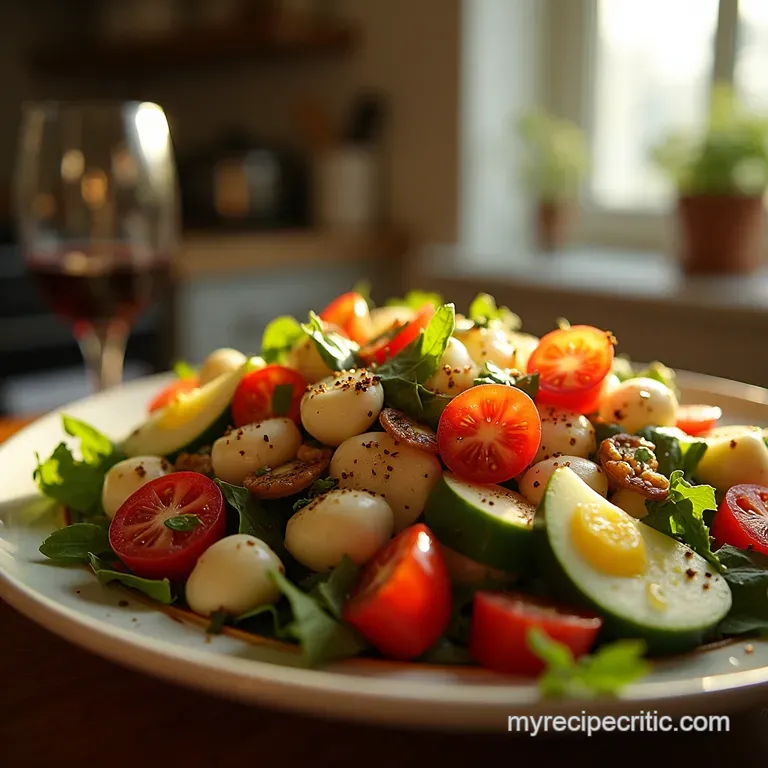
The quality of your final dish hinges almost entirely on the raw materials you select. Since the Greek Salad Ingredients list is so brief, there is nowhere for sub-par produce to hide. Think of this as an exercise in mindful shopping, prioritizing flavour concentration over quantity.
Feta Focus: Choosing Barrel Aged Perfection Over Crumbles
This is perhaps the single most important purchasing decision. Resist the temptation of the pre-bagged, pre-crumbled feta sold in the dairy aisle. For an Authentic Greek Salad , you require a block of genuine Greek feta, preferably sheep's or a sheep/goat milk blend, stored in brine.
The brine keeps the cheese moist, salty, and creamy. When serving, place this solid block atop the vegetables; the flavour infusion it provides when sliced tableside, or when simply sitting whole, is incomparable to dried crumbles.
The Trinity of Tomatoes, Cucumbers, and Peppers: Sizing and Cutting Guide
For the tomatoes (about 1.5 lbs), aim for large, deeply coloured specimens. Cut them into large, rustic wedges we are looking for generous chunks, not uniform dice. Cucumbers (one large English variety is ideal) should be sliced into thick half moons.
A traditional touch involves peeling the cucumber in alternating stripes, leaving some skin for visual interest and texture. The green bell pepper should be sliced thinly into rings; use only one small pepper, as its flavour is meant to be a bright background note, not the main focus.
Tools of the Trade: Essential Equipment for Preparation
Fortunately, you need very little specialised equipment for this Horiatiki Salata Recipe . A very sharp chef’s knife is paramount for clean cuts that minimize bruising on the delicate tomatoes.
You will also need a large, shallow bowl or platter this is important because you want the ingredients spread out enough to dress lightly and allow those vital juices to pool attractively at the bottom, ready for bread dipping.
Related Recipes Worth Trying
- Authentic Greek Salad Recipe Proper Horiatiki No Lettuce — Ditch the imposters This easy Greek Salad Recipe delivers the proper Horiatiki flavour with thickcut veg creamy feta and zesty oregano dressing
- Easy Summer Street Corn Salad with Tangy Lime Crema — Ditch the mayonnaise slump This Summer Street Corn Salad recipe adds smoked paprika for depth A perfect healthy summer side dish for your next cookout
- The Best Homemade Gyro Recipe Achievable Greek Flavor — Ditch the takeaway Learn how to make authentic flavourpacked Gyro meat at home using your oven or skillet Achievable texture guaranteed Get the recipe
The Art of Assembly: Layering Flavors, Not Just Mixing Ingredients
Assembly in a true Greek village salad is more about careful placement than aggressive tossing. We aim to build layers of flavour that marry naturally as they sit for a few minutes prior to serving.
Preparing the Vegetables: A Gentle Maceration with Salt and Oregano
Start by arranging your cut tomatoes, cucumbers, onions, and sliced green peppers directly onto your platter. Scatter the Kalamata olives ensure they are high quality and slightly wrinkly amongst the vegetables.
Now, sprinkle the entire vegetable base evenly with about half a teaspoon of kosher salt and a generous tablespoon of dried oregano. The salt will immediately begin drawing the moisture out of the tomatoes, kickstarting the flavour development before the main dressing is added.
The Crucial Final Touch: Placing the Feta Crown
Once the vegetables have begun to soften slightly (give them five to ten minutes to rest), it is time for the cheese. Take your entire block of brine soaked feta and place it deliberately atop the vegetables, perhaps slightly off-centre. This presentation is signature; the feta acts as the crown of the salad.
Dressing Dynamics: When and How to Introduce the Olive Oil
The Greek Salad Dressing Recipe is best prepared separately. Whisk together about 1/3 cup of your best Extra Virgin Olive Oil with 2 tablespoons of red wine vinegar, a grind of fresh black pepper, and a touch more salt if needed.
Drizzle about two-thirds of this mixture directly over the vegetables before the feta is crowned. After the feta is placed, drizzle the remaining oil mixture directly over the cheese block itself.
The final, most important step is a heavy, final dusting of dried oregano directly over the white feta, which will adhere beautifully to the oil.
Mastering the Moment: Serving Suggestions and Optimal Enjoyment Temperature
This salad must be served immediately after the final dressing and oregano application. The optimal temperature is room temperature or slightly cool; never ice-cold. Cold dulls the aromatic complexity of the olive oil and renders the tomatoes flavourless.
Serve this stellar Greek Salad Recipe alongside thick slices of crusty, rustic bread. The bread is not merely an accompaniment; it is a necessary utensil for soaking up the rich, seasoned juice pool the paiochori —that collects at the bottom of the plate.
Troubleshooting Common Pitfalls in Your Homemade Greek Salad
Even with such a simple recipe, mistakes can creep in, usually related to temperature or ingredient quality. The most common error is over mixing, which turns the salad mushy and dilutes the sharp contrast between the crisp cucumber and soft tomato.
Another frequent oversight is using too little olive oil; remember, the oil acts as the primary binder and carrier for the herbs and salt.
Storage Secrets: Can Horiatiki Survive a Day in the Fridge?
Frankly, no, not well. Horiatiki Salata is inherently fleeting. If you attempt to store leftovers, the salt and vinegar will continue to break down the cucumber structure, resulting in a watery mess by the next day, even if the feta remains intact.
If you must prepare components ahead of time, chop all vegetables and mix the dressing separately. Assemble only 15 minutes before you plan to eat, dressing the vegetables lightly first, then adding the feta last.
Flavor Twists: Non-Traditional Additions for a Modern Take
While purists might frown, modern palates sometimes crave an extra layer of complexity. If you seek a slight variation on this Mediterranean Salad Recipe , consider adding a tablespoon of rinsed capers alongside the olives for an extra hit of salinity.
Some modern interpretations also incorporate a thin slice of ripe avocado, though this deviates significantly from the traditional village aesthetic. For a sweeter note, thinly sliced roasted red peppers can be added, but never substitute fresh tomatoes.
Nutritional Snapshot: The Health Benefits of Mediterranean Staples
Beyond its incredible flavour, this Easy Greek Salad offers robust health benefits, largely derived from its core fats. The high quantity of Extra Virgin Olive Oil provides heart healthy monounsaturated fats, while the olives contribute antioxidants.
Tomatoes offer lycopene, and the fresh vegetables deliver essential hydration and fibre. It is a wonderfully balanced, whole food dish, high in flavour intensity but inherently nutrient dense.
Recipe FAQs
Why is my Greek Salad always watery, and what's the secret to authentic flavour?
The secret lies in letting the dressing sit for a bit! If you’re finding it watery, you’re likely using under ripe tomatoes or tossing too vigorously. Authentic Greek Salad relies on the juices released from high-quality, room temperature tomatoes mixing with the olive oil and vinegar.
Don't drown it in dressing upfront; let the veg do the heavy lifting.
I can’t find good feta what’s the best substitute for the cheese in this salad?
Right, this is a bit of a sticking point! You absolutely must aim for a block of sheep’s or goat’s milk feta cured in brine; pre-crumbled stuff is generally rubbish and too dry. If you truly can't source Greek feta, a firm, salty goat cheese is the next best bet, though it won't taste exactly the same.
Please, steer clear of mozzarella it’s just not the right vibe.
Should I add lettuce to my Horiatiki Salata? I feel like something is missing.
If you’re making traditional Greek Village Salad (Horiatiki), then no lettuce, mate! That’s the main differentiator from the sad, watery versions we sometimes see over here. The salad should be purely tomatoes, cucumber, onion, peppers, olives, and feta.
If you feel like you need greens, make a separate side salad, but keep the Horiatiki pure.
How should I store leftover Greek Salad, and how long does it keep?
Honestly, it’s best eaten immediately, as the vegetables go soggy quite quickly once dressed. If you must store leftovers, separate the vegetables from the feta and the dressing, and keep them in airtight containers in the fridge for up to a day.
Do not store pre-dressed salads, as the vinegar will aggressively wilt everything it won’t be worth the fuss the next day.
Can I prepare the vegetables ahead of time for a Greek Salad party platter?
You can certainly chop the cucumber, peppers, and onions ahead of time and store them sealed in the fridge for 24 hours. However, only add the tomatoes and dressing just before serving, as the tomatoes release their water content too soon.
Keep that block of feta chilled, and only sprinkle the dried oregano on top right before it hits the table!
Authentic Greek Village Salad