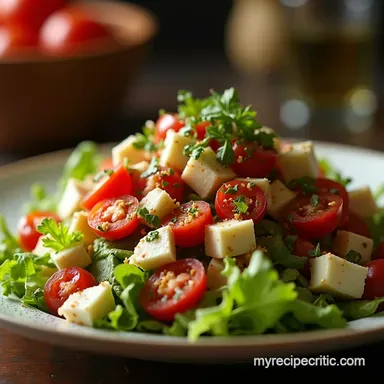
The Proper Greek Salad Horiatiki No Lettuce Allowed
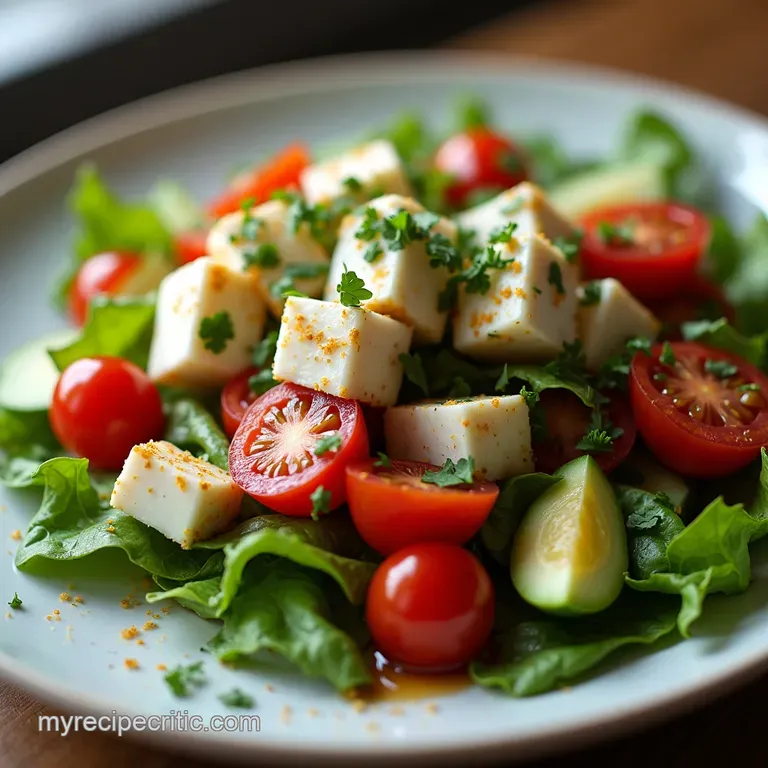
- Unveiling the True Horiatiki: Why This Greek Salad Redefines Freshness
- The Philosophy of Sun-Kissed Simplicity in Mediterranean Fare
- Curating the Core Components for Your Ultimate Greek Salad
- The Essential Vinaigrette: Mastering the Minimalist Dressing
- The Art of Assembly: Layering Flavors for Maximum Impact
- Expert Techniques to Elevate Your Homemade Greek Salad Game
- Recipe FAQs
- 📝 Recipe Card
Unveiling the True Horiatiki: Why This Greek Salad Redefines Freshness
There is a certain romantic ideal associated with Mediterranean cuisine: sunshine, the scent of herbs drying in the heat, and ingredients so fresh they barely need touching. Nowhere is this ethos more perfectly distilled than in the true Greek Salad , known locally as Horiatiki (village salad).
If your previous experience involves tired, limp lettuce and crumbled cheese sprinkled from a shaker, prepare for a revelation. We are diving deep into the Authentic Greek Salad —a powerhouse of flavour that relies not on complexity, but on the sublime quality of its few core elements.
This Greek Salad Recipe transcends the typical side dish; it becomes the star of the show.
The Philosophy of Sun-Kissed Simplicity in Mediterranean Fare
The genius behind true Greek cuisine lies in its restraint. We are not layering dozens of spices or complicated sauces. Instead, we celebrate the peak ripeness of summer produce, letting the inherent sugars of the tomato and the salinity of the brine cured cheese speak for themselves.
This approach results in an Easy Greek Salad that tastes anything but simple. It demands attention to sourcing, transforming basic vegetables into something vibrant and unforgettable.
Beyond the Lettuce Trap: What Makes Authentic Village Salad Special
The single most distinguishing feature of Horiatiki is its steadfast refusal to include lettuce. Lettuce waters down the powerful flavour profile and ruins the textural contrast essential to this dish.
An Authentic Greek Salad is rustic; it’s composed of thick cut vegetables, massive chunks of salty feta, and a pool of luscious, herb infused oil at the bottom of the bowl. This is food born from necessity, utilizing the best of what the village garden offers in summer.
Setting the Stage: What You Need to Know Before You Start Cooking
This recipe demands about 20 minutes of active preparation time, with an optional 15-minute rest period to allow the flavours to truly marry. We are aiming for 4 generous side servings or 2 satisfying main courses.
Success here is purely dependent on using ripe, high-quality ingredients; there are no culinary tricks to mask mediocre produce. It’s inherently Easy Greek Salad territory, provided you respect the components.
Aegean Dreams on a Plate: Flavor Profile Expectations
When you finally take that first bite, you should experience a wave of sensations: the bright acidity of the red wine vinegar, the earthy perfume of quality olive oil, the sharp tang of salt from the feta, and the sweet, yielding texture of a sun-warmed tomato.
The dominant aromatic note will be the powerful, unmistakable scent of dried Greek oregano, which seals the deal on this classic experience.
Curating the Core Components for Your Ultimate Greek Salad
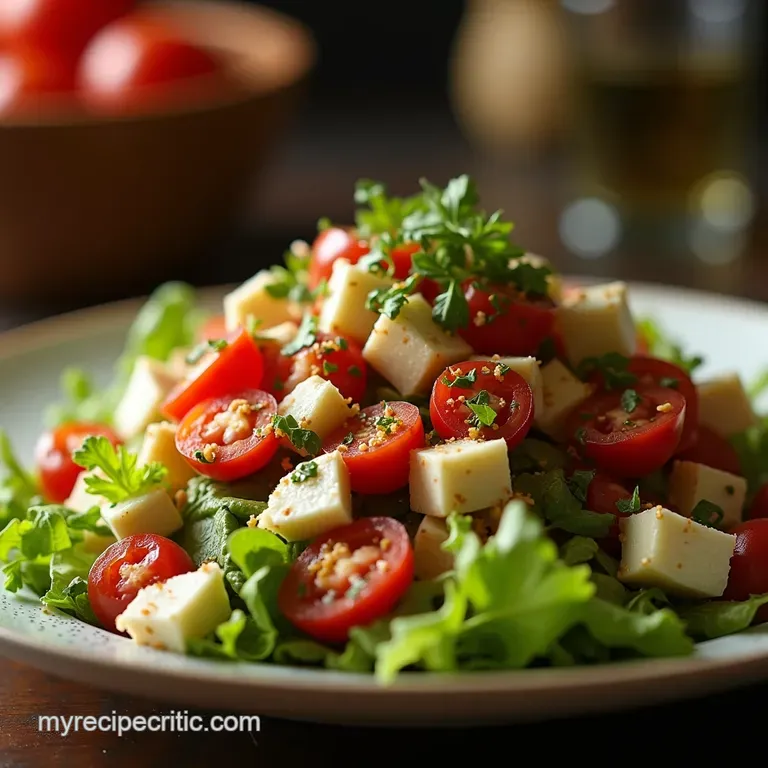
To build the best Greek Salad Ingredients are crucial. We will be focusing on four large, vine ripened tomatoes (roughly 700g total), one English cucumber (about 350g), half a medium red onion, and one medium green bell pepper.
The olives must be true Kalamata, offering that dark, slightly fruity intensity about one cup. The preparation is straightforward: tomatoes cut into thick wedges, cucumber sliced thickly, and the bell pepper cut into substantial rings or strips.
Related Recipes Worth Trying
- Easy Summer Street Corn Salad with Tangy Lime Crema — Ditch the mayonnaise slump This Summer Street Corn Salad recipe adds smoked paprika for depth A perfect healthy summer side dish for your next cookout
- The Best Homemade Gyro Recipe Achievable Greek Flavor — Ditch the takeaway Learn how to make authentic flavourpacked Gyro meat at home using your oven or skillet Achievable texture guaranteed Get the recipe
- Easy Strawberry Salad with Cucumber Feta 20 Min Prep — Forget soggy leaves This simple Strawberry Salad with Cucumber recipe pairs fresh berries with feta and mint for a light flavourful side Perfect summer dish
The Essential Vinaigrette: Mastering the Minimalist Dressing
The Greek Salad Dressing Recipe is where restraint truly shines. We are not emulsifying a thick sauce; rather, we are creating a bright bath for the vegetables.
This simple vinaigrette requires just 1/3 cup (80 ml) of the finest extra virgin olive oil you can procure, as its flavour carries the entire dish. This is paired with 2 tablespoons (30 ml) of sharp red wine vinegar. Seasoning is minimal: 1/2 teaspoon of fine sea salt and 1/2 teaspoon of freshly ground black pepper.
Selecting the Perfect Produce: Tomatoes, Cucumbers, and Olives
For the tomatoes, select varieties known for depth of flavour, like Beefsteak or heirloom types, ensuring they are at room temperature, never chilled, to maximize their juice and sweetness. The cucumber should be crisp; peeling is optional, but many prefer to leave the skin on for texture.
As for the olives, opt for brine packed Kalamatas, keeping them whole (unpitted, if possible) for a more authentic textural experience.
Feta First: Choosing the Right Block for Creamy Texture
This is non-negotiable for a superb Greek Salad Recipe : you must purchase a block of feta cheese, ideally one packed in brine, rather than the dry, pre-crumbled variety. That creamy, salty block is the heart of the salad.
We use a full 6 oz (170g) block, which will sit majestically atop the vegetables, soaking up the dressing slowly.
Tool Spotlight: Essential Kitchen Gear for Preparation
Fortunately, this Fresh Greek Salad requires minimal fuss. A sharp chef’s knife is your most critical tool for clean, rustic cuts. You'll need a large, wide salad bowl ceramic or glass works best to accommodate the volume and allow for that beautiful final presentation.
Finally, a small whisk or fork is all you need to blend the vinaigrette components.
Measuring Up: US Customary vs. Metric Ingredient Conversions
While tradition often guides Greek cooking by eye, for precise home replication, utilizing measurements helps ensure consistency. For example, the 1/3 cup of oil translates neatly to 80 ml, and the 1 teaspoon of oregano, which is the essential aromatic key, remains 5 ml whether measured by volume or weight in this context.
Always prioritize the quality of the ingredient over slavish adherence to precise volume when dealing with items like salt, which should be adjusted based on the salinity of your feta.
The Art of Assembly: Layering Flavors for Maximum Impact
The assembly process is as much about presentation as it is about flavour layering. We start by combining the hard vegetables the peppers, cucumbers, and onions with the olives in your large serving bowl.
Cutting Techniques: Achieving Uniformity in Your Vegetables
While rustic, the cuts should still be intentional. The tomatoes should be large wedges, and the onions sliced paper thin into half moons. This contrast in size ensures that every forkful offers a different combination of textures, moving beyond the monotony found in lesser salads.
The Critical Step: Marinating the Onions for Sweetness
Before adding the onions to the main bowl, a quick step enhances their flavour immensely: slice the 1/2 medium red onion and toss it immediately with just the 2 tablespoons of red wine vinegar. Allow these slices to sit for about five minutes.
This brief "pickle" mellows their raw sharpness, releasing a delightful sweetness that integrates beautifully into the Greek Salad Dressing .
Dressing Protocol: When and How to Introduce the Oil and Herbs
After mixing the vegetables and olives, pour only about two-thirds of your prepared oil and vinegar dressing over the mixture. Toss gently just enough to lightly coat the vegetables without bruising the tomatoes.
The key is moderation here; the vegetables will release their own juices, which will combine with the dressing to form the final flavour base.
Plating Perfection: The Final Arrangement of Ingredients
Now for the iconic finishing touch. Place the entire 6 oz block of feta cheese directly in the center of the salad mound. Take the remaining reserved dressing and drizzle it generously over the top of the feta block.
Finally, sprinkle the entire creation vegetables and cheese with the essential 1 teaspoon of dried Greek oregano.
Serving Temperature: Ensuring Optimal Taste Experience
Never serve this salad refrigerator cold. If your produce was chilled, allow the assembled dish to sit at room temperature for 10 to 15 minutes before serving.
This crucial resting period allows the oil and vinegar to penetrate the vegetables and soften the feta slightly, resulting in a far superior flavour profile.
Expert Techniques to Elevate Your Homemade Greek Salad Game
If you are looking to enhance your Greek Salad With Chicken (as a main course) or simply want to perfect the technique, consider the ladomania —the glorious, seasoned oil left at the bottom of the bowl.
Always serve with crusty bread specifically for soaking this liquid up after the salad is gone; it is the true, untamed essence of the meal.
Storing Leftovers and Creative Next Day Uses
While best eaten immediately, any leftovers should be stored in an airtight container. The vegetables will soften overnight, but they remain delicious. Next day, the residual juices make an incredible marinade base for grilled white fish or tofu, retaining the bright, herby essence of the Greek Salad Dressing .
Troubleshooting Common Horiatiki Mistakes
The most common error is oversalting. Remember that the olives and feta are intensely salty; taste the vegetables before adding any extra salt to the dressing mixture. Another pitfall is cutting the vegetables too finely; rustic, chunky cuts are necessary to stand up to the dressing and the cheese.
Optional Additions: Enhancing the Classic Recipe (The 'Baked' Element Consideration)
While the purist recipe avoids cooked elements, a fantastic variation involves quickly grilling or searing thick slices of halloumi cheese until charred and placing those instead of, or alongside, the cold feta.
This adds a delightful textural warmth, though it moves slightly away from the traditional Horiatiki Salad definition.
Nutritional Snapshot: What Makes This Salad a Health Powerhouse
Despite its generous use of olive oil, this salad is incredibly beneficial. The fat content comes primarily from monounsaturated sources, heart healthy and essential for nutrient absorption.
Coupled with the high water content of the cucumbers and tomatoes, this dish is hydrating, rich in Vitamin C, and offers a satisfying dose of healthy fats and protein from the cheese, making it a surprisingly robust offering.
Pairing Suggestions: Beverages That Complement This Bright Dish
Because of the strong herbal notes from the oregano and the acidity of the vinegar, this salad pairs beautifully with crisp, high acid white wines like Greek Assyrtiko or a dry Sauvignon Blanc.
For a non-alcoholic choice, a sparkling water with a squeeze of fresh lemon cuts through the richness of the olive oil perfectly.
Recipe FAQs
Why is there no lettuce in this proper Greek Salad recipe?
That’s the million dollar question! The authentic Greek village salad, or Horiatiki, traditionally never includes lettuce; it’s considered an Americanization or a different style entirely. The focus here is on the juicy sweetness of ripe tomatoes and cucumbers, which lettuce would just water down.
It's a salad of substance, not filler!
Can I make the dressing for the Greek Salad ahead of time, and how should I store the finished salad?
You can certainly whisk the dressing components (olive oil, vinegar, seasonings) together a day ahead, but keep it covered in the fridge; you may need to let it sit out briefly before use as the oil can solidify.
However, the assembled salad is best eaten within an hour or two; the vegetables will soften and release too much liquid if stored overnight, making the whole affair a bit soggy.
What's the secret to getting that authentic salty flavour if I use a block of feta?
The key is twofold: Firstly, use feta stored in brine it’s creamier and tangier than dry, pre-crumbled varieties. Secondly, season the vegetables lightly with salt before adding the feta, as the cheese provides a substantial salty hit.
When serving, ensure everyone gets a good scoop of the seasoned olive oil from the bottom of the bowl that’s where the flavour magic pools!
I’m worried about the red onion being too overpowering; any tips for toning it down?
That's a common concern, old bean! To take the harsh bite out of raw red onion, simply slice it thinly, put it in a small bowl, and cover it completely with a splash of the red wine vinegar used for the dressing.
Let it sit for about 5 to 10 minutes before adding it to the salad; this quick pickle mellows the sharpness beautifully without losing the onion's crunch.
Is this salad too heavy on the olive oil for a healthy diet?
While the oil content looks high, remember that good quality Extra Virgin Olive Oil is packed with heart healthy monounsaturated fats, which are far superior to processed fats. Since this salad has no creamy mayonnaise or sugary additions, it remains relatively balanced.
Just be mindful of your portion size, and use the oil primarily for flavour and texture, not as a heavy bath!
Authentic Horiatiki Salad