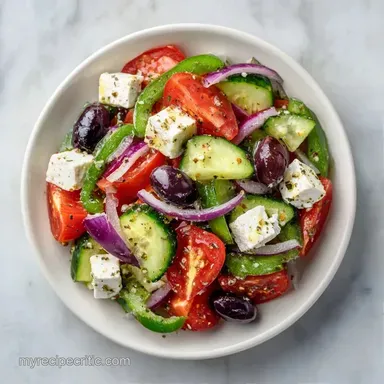
Mediterranean Feta Salad: Briny and Fresh
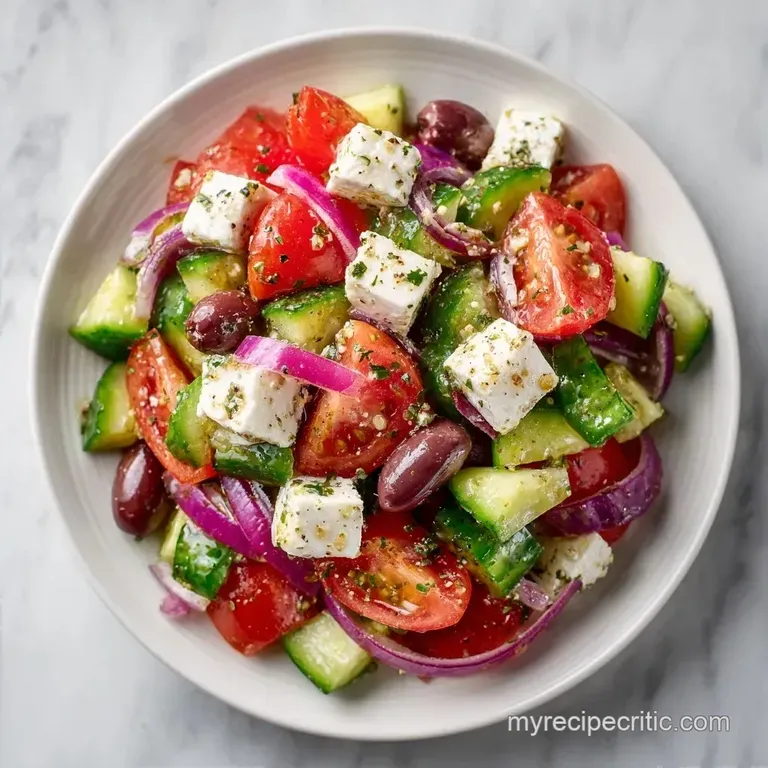
- Time:15 minutes active
- Flavor/Texture Hook: Briny, tangy, and crunch heavy
- Perfect for: Quick weeknight sides or healthy meal prep
The scent of fresh oregano and a sharp splash of red wine vinegar always takes me back to a specific Tuesday three years ago. I was trying to impress some new neighbors with a "sophisticated" spread, and I decided to make a Greek style salad.
I thought the secret was in the finesse, so I sliced the cucumbers and onions into these paper thin, translucent slivers.
By the time the guests arrived, the salt in the dressing had completely demolished those thin vegetables. Instead of a crisp salad, I served a bowl of limp, watery greens that looked more like a soup than a side dish. It was a total disaster.
I learned the hard way that when you're making a Mediterranean Feta Salad, "chunky" is your best friend.
Since then, I've obsessed over the ratios. I stopped over thinking the presentation and started focusing on the structural integrity of the vegetables. This recipe is the result of those mistakes, focusing on a rustic chop and a dressing that clings to the produce rather than drowning it.
You'll get that velvet smooth feta contrast against the snap of a cold English cucumber every single time.
Nailing the Mediterranean Feta Salad
The biggest mistake people make with this dish is treating it like a leafy garden salad. This is a hearty, vegetable forward assembly. To get it right, you need to resist the urge to chop everything into tiny bits. You want substantial pieces of cucumber and bell pepper that provide a satisfying crunch.
If the pieces are too small, they release their juices too quickly, and you lose that fresh, snap like texture.
Another key is the feta. Please, I am begging you, don't buy the pre crumbled stuff in a tub. It's coated in potato starch to keep it from sticking, which gives it a weird, powdery mouthfeel. Get a solid block of feta in brine.
When you cube it yourself, the edges stay sharp and the flavor remains pure and salty, creating a brilliant contrast with the sweet cherry tomatoes.
Finally,, the timing of the dressing is everything. If you dress this too early, the osmosis kicks in and pulls the water out of the cucumbers. For the best results, toss the vegetables just before serving, or keep the dressing on the side if you're prepping for a party.
This ensures every bite of your Mediterranean Feta Salad feels like it was just assembled.
The Snap Factor: Cutting vegetables into larger, uniform chunks reduces the surface area exposed to salt, keeping them crisp longer.
Acid Balance: The combination of lemon juice and red wine vinegar cuts through the heavy fat of the feta and olive oil.
Emulsion Stability: Shaking the dressing in a jar creates a temporary bond between oil and vinegar, ensuring an even coat on every vegetable.
Salt Management: Using brined olives and feta means you need way less added salt than you'd think.
| Method | Time | Texture | Best For |
|---|---|---|---|
| Fast Chop | 10 mins | Rustic/Hearty | Quick Weeknight Side |
| Classic | 20 mins | Uniform/Dainty | Formal Dinner Party |
| Marinated | 2 hours | Soft/Intense | Meal Prep/Potlucks |
Technical Recipe Specifications
Understanding how the components interact is what separates a soggy mess from a crisp success. In a Mediterranean Feta Salad, the olive oil acts as a barrier, coating the vegetables and slowing down the process where salt draws out moisture. This is why the order of operations matters.
The red wine vinegar provides a deep, fermented tang that is distinct from the bright, citrusy note of the lemon juice. Together, they create a multi dimensional acidity that wakes up the palate. If you use only one or the other, the flavor profile feels flat.
For those who want to dive deeper into the world of Greek flavors, you might find a Greek Dressing Recipe helpful for larger batches or different vegetable bases. The key is always that balance of fat and acid.
| Ingredient | Science Role | Pro Secret |
|---|---|---|
| English Cucumber | Hydration Base | Use English or Persian to avoid peeling and seeding |
| Red Wine Vinegar | Acid Catalyst | Adds a fermented depth that lemon alone lacks |
| Feta (Block) | Salty Fat | Keep in brine until the very last second |
| Extra Virgin Olive Oil | Flavor Carrier | Use cold pressed for that peppery finish |
The Essential Ingredient List
I've listed everything you need below. Stick to these specific versions for the best results. If you use a standard slicing cucumber, you'll spend ten minutes peeling and scooping seeds, which just adds unnecessary work to your day.
- 1 large English cucumber, diced (300g) Why this? Thinner skin and fewer seeds than regular cucumbers
- 1 cup cherry tomatoes, halved (150g) Why this? Higher sugar content and better structure
- ½ cup green bell pepper, chopped (75g) Why this? Adds a grassy, crisp contrast
- ¼ cup red onion, thinly sliced (40g) Why this? Sharp bite that mellows in the vinegar
- 4 oz feta cheese (block), cubed or sliced (115g) Why this? Block feta is creamier and saltier
- ½ cup Kalamata olives, pitted (85g) Why this? The gold standard for briny depth
- 2 tbsp fresh parsley, chopped (8g) Why this? Freshness to cut through the salt
- ¼ cup extra virgin olive oil (60ml) Why this? Provides the rich, fruity base
- 2 tbsp red wine vinegar (30ml) Why this? Traditional tang for Greek salads
- 1 tbsp fresh lemon juice (15ml) Why this? Brightens the overall flavor profile
- 1 tsp dried oregano (1g) Why this? Earthy aroma that defines the region
- salt to taste
- black pepper to taste
Ingredient Swaps
| Original Ingredient | Substitute | Why It Works |
|---|---|---|
| English Cucumber | Persian Cucumber | Similar texture. Note: Use 5-6 small ones instead |
| Red Wine Vinegar | Apple Cider Vinegar | Similar acidity. Note: Slightly fruitier, less sharp |
| Feta Cheese | Goat Cheese | Creamy and tangy. Note: Much softer, less briny |
| Green Bell Pepper | Yellow Bell Pepper | Same crunch. Note: Sweeter, less "grassy" flavor |
Right then, let's talk about the gear. You don't need a professional kitchen to make this, but a few specific tools make the process way smoother.
Necessary Kitchen Tools
You'll want a large mixing bowl. Don't try to toss a Mediterranean Feta Salad in a small bowl; you'll end up with half the ingredients on your counter. A wide bowl allows you to fold in the feta without breaking the cubes into a mushy paste.
A small mason jar is my secret weapon for the dressing. Instead of whisking in a bowl and losing half the oil to the sides, you just throw everything in the jar and shake it like crazy. It creates a much tighter emulsion in about ten seconds.
Finally, use a sharp chef's knife. If your knife is dull, you'll crush the tomato skins instead of slicing them, which lets all the juice leak out prematurely. A clean, sharp cut keeps the vegetables "sealed" and crisp.
The Complete Assembly Process
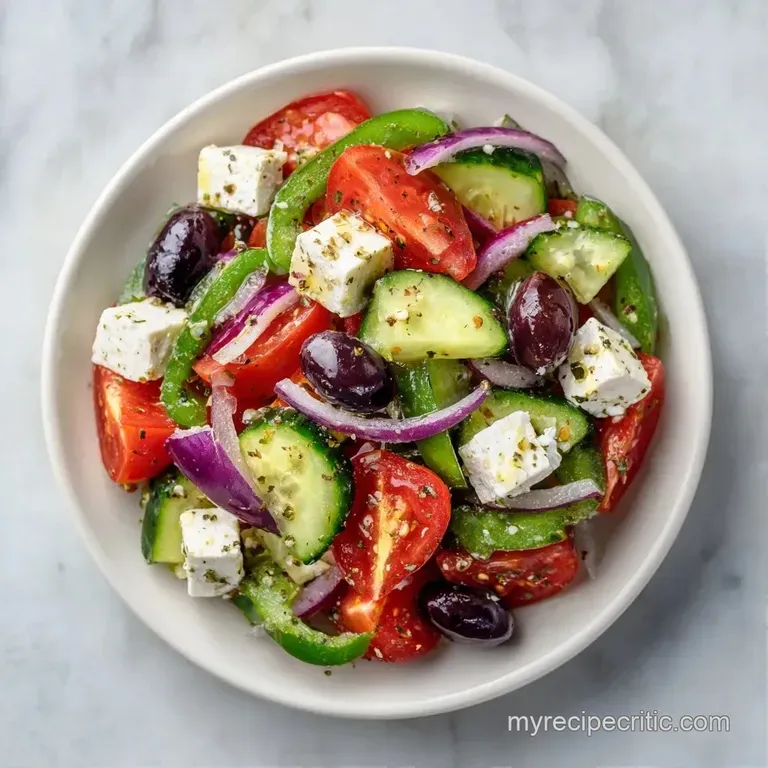
Let's crack on with the actual build. Remember, we're going for a rustic, chunky vibe here.
- Dice the cucumber, tomatoes, and bell pepper into uniform, chunky pieces. Note: Keep them around 1 inch cubes for maximum crunch
- Slice the red onion into thin half moons and place all vegetables into a large mixing bowl.
- In a small jar or bowl, combine the olive oil, red wine vinegar, lemon juice, and dried oregano.
- Whisk vigorously or shake the jar until the dressing is emulsified and slightly thickened. Note: It should look creamy, not separated
- Pour the dressing over the vegetables and toss gently to coat.
- Fold in the Kalamata olives and chopped parsley. Note: Do this gently to avoid bruising the herbs
- Nestle the feta cubes on top or place one large slab of feta across the center.
- Season with salt and black pepper to taste. Note: Go light on the salt; the feta and olives are already salty
Chef's Tip: If your red onions are too pungent, soak the slices in cold water with a splash of vinegar for 10 minutes before adding them. This removes the "sulfur" bite but keeps the crunch.
Solving Common Salad Issues
The most common complaint with a Mediterranean Feta Salad is the "puddle" at the bottom of the bowl. This happens when the salt draws out too much water from the cucumbers and tomatoes. To prevent this, don't salt the vegetables until right before you serve.
Another issue is the dressing separating. If you see a layer of oil floating on top, your emulsion didn't hold. Give it another vigorous shake in the jar. The dried oregano actually helps stabilize the dressing by acting as tiny anchors for the oil and vinegar to cling to.
If the salad tastes too salty, it's usually because of the feta or the olives. You can balance this by adding an extra squeeze of fresh lemon juice or a handful of extra cucumber. The acid and water content will neutralize the saltiness.
| Problem | Root Cause | Solution |
|---|---|---|
| Watery Bottom | Salted too early | Dress immediately before serving |
| Bland Flavor | Not enough acid | Add 1 tsp more red wine vinegar |
| Mushy Texture | Sliced too thin | Use 1 inch chunks for vegetables |
Common Mistakes Checklist
- ✓ Using pre crumbled feta instead of a block.
- ✓ Peeling English cucumbers (the skin is thin and adds color).
- ✓ Adding salt to the vegetables before the oil coating.
- ✓ Chopping vegetables into tiny, uneven pieces.
- ✓ Over mixing the salad and breaking the feta cubes.
Creative Flavor Variations
If you want to turn this from a side into a full meal, try adding some grilled protein. I love adding sliced grilled chicken or shrimp on top. For a more traditional pairing, this goes brilliantly with Classic Greek Lemon Potatoes, which adds a warm, starchy element to the fresh salad.
For a heartier version, you can toss in a cup of cooked quinoa or farro. This turns the Mediterranean Feta Salad into a grain bowl that can keep you full for hours. Just be sure to add an extra tablespoon of olive oil, as the grains will soak up the dressing.
If you're looking for a low carb or keto option, this recipe is already almost there. Just skip any added grains and maybe add some sliced avocado for extra creamy fats. The avocado pairs surprisingly well with the briny kalamatas and the sharp feta.
Decision Shortcut
- If you want a main dish, add grilled chicken or chickpeas.
- If you want it as a dip, chop everything into a fine dice (Greek Salsa style).
- If you're meal prepping, store the dressing in a separate container.
Storage and Waste Guidelines
This salad is best eaten fresh, but you can store it in the fridge for up to 3 days. Keep it in an airtight glass container. Note that the vegetables will soften over time, so the texture won't be as shatter crisp as it is on day one.
When reheating isn't an option (because you obviously don't heat a salad), let it sit at room temperature for 15 minutes before serving. This wakes up the flavors of the olive oil and feta, which can get muted when they're ice cold.
To avoid waste, don't throw away your onion skins or the ends of the bell peppers. Toss them into a freezer bag for making homemade vegetable stock. Also, if you have leftover feta brine, don't dump it. Use it to marinate other olives or add a teaspoon to your dressing for an extra salty kick.
Visual Presentation Strategies
Since this is such a colorful dish, let the ingredients do the work. Instead of mixing everything into a homogenous blur, try the "layered" approach. Place the cucumber and pepper base first, then scatter the tomatoes and olives on top, and finally, place a thick slice of feta right in the center.
Drizzle a bit of extra virgin olive oil over the top of the feta and sprinkle a pinch of dried oregano just before it hits the table. This gives it a professional, restaurant style look and adds a final hit of aroma.
For a party, serve the Mediterranean Feta Salad in a wide, shallow bowl rather than a deep one. This prevents the heavier ingredients like olives and feta from sinking to the bottom and ensures every guest gets a bit of everything in their scoop.
Recipe FAQs
What ingredients are in a traditional Mediterranean salad?
Use fresh, chunky vegetables and salty cheeses. This salad contains English cucumber, cherry tomatoes, green bell pepper, red onion, Kalamata olives, and feta cheese, tossed in a dressing of olive oil, red wine vinegar, lemon juice, and dried oregano.
How to make a Greek salad at home?
Dice the cucumber, tomatoes, and pepper into uniform, chunky pieces. Whisk olive oil, red wine vinegar, lemon juice, and oregano until emulsified, toss with the vegetables, olives, and parsley, then nestle feta cubes on top.
What is the Jennifer Aniston salad?
It is a viral variation of the Mediterranean salad. While it shares the core components of cucumber, feta, and parsley, it is often associated with specific dietary preferences and proportions.
What are some common mistakes when making Mediterranean salad?
Avoid over-mixing the feta. Stirring the cheese too vigorously breaks it into small crumbs that cloud the dressing; instead, place the feta on top at the end to maintain a clean look.
Are salads good for diabetics type 2?
Yes, they are generally highly recommended. The high fiber content from the vegetables combined with healthy fats from the olive oil helps prevent sharp blood sugar spikes.
How to store leftover Mediterranean salad?
Keep it in an airtight glass container for up to 3 days. Let the salad sit at room temperature for 15 minutes before serving to wake up the flavors of the olive oil and feta.
What is the best way to serve this salad?
Pair it with a grilled protein. If you enjoyed the fresh Mediterranean flavors here, this salad is the perfect side for authentic chicken gyros.
Mediterranean Feta Salad in 15 Minutes