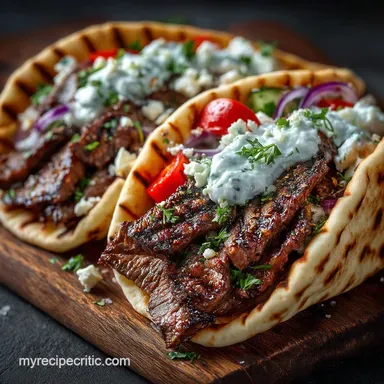
The Authentic Greek Steak Gyros Tender Marinated Sirloin Wrapped in Warm Pita

- Unlocking the Secret to Restaurant-Quality Greek Steak Gyros at Home
- Why This Sirloin Recipe Outshines Traditional Ground Meat Versions
- The Essential Component List for Perfect Steak Gyros
- Step-by-Step Guide to Flavor Infusion and Grilling
- Pro Tips for Next-Level Gyro Perfection
- Storage, Leftovers, and Delicious Variations
- Recipe FAQs
- 📝 Recipe Card
Unlocking the Secret to Restaurant Quality Greek Steak Gyros at Home
There is something truly captivating about the street food experience in Greece the vibrant energy, the sizzle of the grill, and the comforting aroma of perfectly seasoned meat wrapped in warm bread. Replicating that magic at home can often feel like a pursuit reserved for professional chefs.
However, I am here to tell you that achieving spectacular Greek Steak Gyros that rival your favourite taverna is entirely achievable with the right approach to the meat. Ditch the phone order; this is how you make a proper Greek gyro!
We’re taking lean, flavourful sirloin steak, bathing it in a vibrant, sun-kissed marinade of lemon, oregano, and garlic, and pan-searing it until perfectly tender. Served nestled in warm, soft pita bread with cooling homemade Tzatziki, sharp red onion, and fresh tomato, this recipe brings the lively spirit of the taverna right into your kitchen.
It’s bold, fresh, and utterly satisfying, designed for the ambitious home cook seeking the Best Beef Gyros Recipe .
Why This Sirloin Recipe Outshines Traditional Ground Meat Versions
Many commercial gyros rely on a conical rotating spit of layered ground meat, often a mixture of lamb and beef, which creates a dense texture. While delicious in their own right, they lack the clean flavour profile that comes from using whole muscle cuts.
This Homemade Gyro Meat Recipe pivots beautifully by employing high-quality sirloin steak. The sirloin offers a leaner base with inherent beefy depth, which is significantly enhanced by the robust marinade.
This distinction is what elevates your meal from standard takeaway fare to something truly memorable.
From Takeout Disappointment to Culinary Triumph
We’ve all experienced it: the slightly dry, flavourless meat that comes wrapped loosely in foil. That disappointment ends here. By utilizing steak, we gain better control over the texture and doneness.
We are aiming for Easy Greek Steak Gyros that are simultaneously tender and possess a satisfyingly charred exterior, achieved through precise searing rather than slow roasting. This method respects the quality of the beef while infusing it with deep, complex Greek seasonings.
The Marinated Magic: What Makes Our Steak So Tender
The secret weapon in this Greek Steak Gyros Recipe is the marinade. We are using a classic combination of acidic lemon juice and oil to gently break down the meat fibres while infusing flavour.
The process requires slicing the 1.5 lbs of sirloin steak into thin strips, approximately 1/4 inch thick, before it meets the bath of flavour. Allowing this steak to soak for a minimum of two hours, though preferably overnight, ensures that the beef becomes incredibly succulent, transforming it into incredibly Authentic Greek Gyro Meat .
A Sun-Kissed Mediterranean Flavor Profile Explained
The heart of the flavour the Steak Gyros Marinade —is built around three non-negotiables: authentic Greek oregano, sharp fresh garlic, and bright lemon.
We also incorporate a touch of smoked paprika for a subtle depth of colour and earthiness, balanced by a splash of red wine vinegar for an added tang that cuts through the richness.
This carefully balanced Greek Beef Gyros Marinade ensures every bite is reminiscent of a sun-drenched Greek island.
The Essential Component List for Perfect Steak Gyros
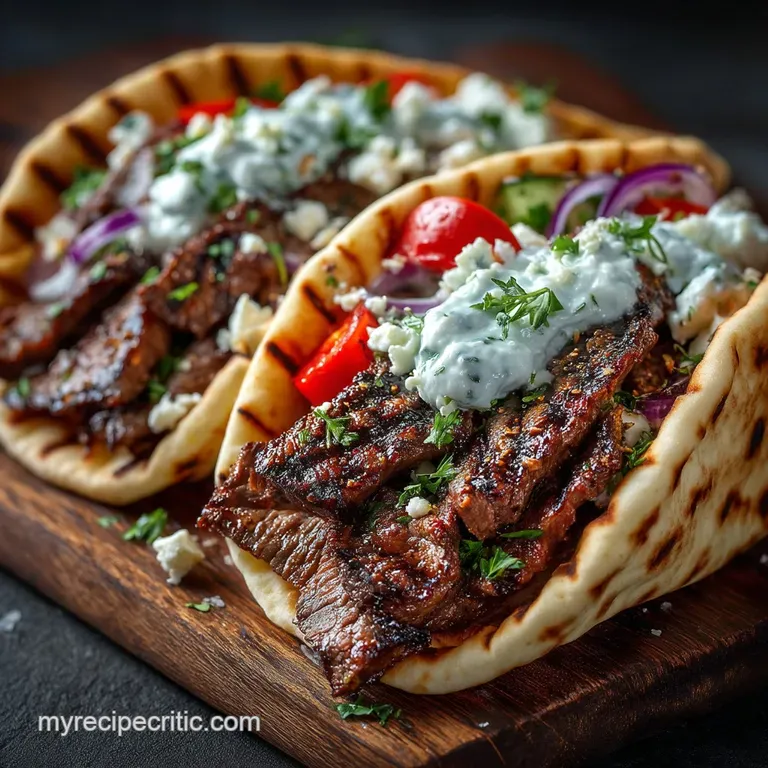
Creating a stunning dish like this requires gathering your tools and ingredients with care. This recipe yields 4 generous servings and demands a bit of active preparation time (about 25 minutes) alongside at least 2 hours of inactive marinating.
For the protein, you will need 1.5 lbs of trimmed sirloin steak. The supporting cast includes 1/4 cup of fresh lemon juice, 1/4 cup of high-quality extra virgin olive oil, 4 minced garlic cloves, 2 teaspoons of dried Greek oregano, 1 teaspoon of smoked paprika, salt, pepper, and an optional tablespoon of red wine vinegar.
Selecting the Best Cut: Focusing on Flavorful Sirloin Substitutions
While sirloin is the star for its lean structure and robust flavour, what meat is gyros best made from if sirloin isn't available? For a superb result, look for cuts that are relatively lean but possess good marbling, such as top round or even hangar steak if you can trim it well.
Remember the goal: the meat must be sliced thinly against the grain before marinating to guarantee tenderness when searing.
Beyond the Meat: Essential Fresh Toppings and Pita Prep
A gyro is incomplete without its fresh accompaniments. You will need 8 large pita breads ensure they are the pliable wrap style, not the thick pocket bread. The toppings must be vibrant: half a thinly sliced red onion, 2 deseeded and chunky cut tomatoes, and a quarter cup of freshly chopped parsley for that final herbaceous lift.
And, critically, you must prepare the homemade Tzatziki sauce ahead of time to let the flavours meld.
Essential Kitchen Gear for Juicy, Sliced Steak
To manage this Greek Steak and Feta Gyros assembly (though we are skipping the feta today for a purer focus), your equipment needs to be up to the task. You’ll require a large, non-reactive bowl (glass or ceramic) for the marinade metal can react with the lemon acid.
A very sharp knife is essential for that crucial thin slicing. Finally, to achieve the perfect sear, a large, heavy bottomed skillet or cast iron pan is non-negotiable; it retains heat beautifully.
Related Recipes Worth Trying
- The Best Homemade Gyros Recipe No Spit Required Tzatziki — Learn how to make authenticstyle Homemade Gyros at home This easy recipe features perfectly spiced ovenbaked gyro meat and fresh tzatziki A smashing dinner idea
- The Best Authentic Greek Salad Horiatiki Salata Recipe — Forget lettuce Master the Best Greek Salad Recipe featuring ripe tomatoes briny feta and simple homemade dressing Easy sundrenched Mediterranean flavour
- Authentic Greek Salad Recipe Proper Horiatiki No Lettuce — Ditch the imposters This easy Greek Salad Recipe delivers the proper Horiatiki flavour with thickcut veg creamy feta and zesty oregano dressing
Step-by-step Guide to Flavor Infusion and Grilling
Once your ingredients are assembled, the process moves quickly. After whisking together the marinade components olive oil, lemon juice, garlic, oregano, paprika, salt, and pepper toss the thinly sliced steak thoroughly. Cover the mixture and place it in the refrigerator.
While two hours is the minimum to develop decent flavour, allowing it to steep for four hours deepens the character significantly.
The Overnight Soak: Maximum Marination Techniques
For maximum flavour penetration and tenderisation, the overnight soak is highly recommended. The acid in the lemon juice works wonders, but giving it ample time ensures that the marinade permeates the entirety of the thinly sliced meat.
Before cooking, ensure you shake off any thick excess marinade, leaving just a coating film behind.
Grilling Strategy: High Heat for Optimal Char on the Beef
The cooking phase relies on rapid, high heat searing. Heat your cast iron skillet over medium high until it is genuinely hot you want a light wisp of smoke. It is vital that you cook the steak in small batches, spreading the strips in a single layer.
If you overload the pan, the temperature drops instantly, and the meat will steam rather than sear, resulting in grey, tough strips. Sear for just 2 to 3 minutes per side until beautifully browned and cooked medium rare to medium. Transfer the cooked meat to a warm platter and repeat.
Building Your Ultimate Greek Steak Gyros Assembly Line
While the steak sears, take the opportunity to prepare your warming station. Lightly brush the pitas with olive oil and warm them directly on a dry skillet for about 30 seconds per side until they are soft and pliable; keep them warm wrapped in a clean towel. To assemble, lay the warm pita flat.
Spread a generous blanket of your cool Tzatziki down the centre line. Layer on a hearty portion of the seared steak, then crown it with the crisp red onion, sweet tomato chunks, and a final, colourful scattering of fresh parsley. Roll tightly and prepare for immediate enjoyment.
Pro Tips for Next Level Gyro Perfection
To truly master this dish, focus on the details that separate good from great. First off,, when slicing the meat, always cut against the grain ; this is the single biggest factor determining tenderness.
Next,, never skip the Tzatziki preparation step: grating the cucumber and squeezing out every drop of moisture using a cheesecloth or clean towel is non-negotiable for a thick, creamy sauce.
Finally,, use the hottest pan possible for the searing phase; a quick, high heat blast locks in the juices while creating that delicious exterior char necessary for great Greek Steak and Feta Gyros flavour.
Storage, Leftovers, and Delicious Variations
Any leftover steak filling can be stored in the refrigerator for up to three days, but it must be cooled completely before sealing in an airtight container. The prepared Tzatziki will hold beautifully for five days. This recipe is also highly adaptable.
For a different flavour profile, consider adding a teaspoon of ground cumin to the marinade, or swap the sirloin for tender pork tenderloin if you prefer a Souvlaki style filling.
Crafting a Zesty Homemade Tzatziki Sauce (The Unsung Hero)
The coolness of the Tzatziki sauce is the perfect foil to the rich, spiced beef. To achieve this essential accompaniment, you need 1 cup of thick, full fat Greek yogurt. Grate half a medium English cucumber and squeeze it fiercely dry.
Mix the dried cucumber with the yogurt, a tiny clove of minced garlic (less is more here), 2 tablespoons of fresh dill, a teaspoon of red wine vinegar, and salt to taste. Mix well and let it rest in the fridge for at least 30 minutes; this allows the dill and vinegar to truly infuse the yogurt, creating a truly zesty sauce.
Nutritional Snapshot: Macronutrients in Our Steak Filling
When crafting Easy Greek Steak Gyros , it is helpful to understand what you are consuming. Based on a typical serving using the sirloin specified, you can expect a macro profile that is high in satisfying protein, delivering around 35g.
The fat content hovers around 25g, heavily influenced by the quality of olive oil used in the marinade and the inherent leanness of the sirloin. Carbohydrate content is primarily derived from the two pita breads, coming in around 55g per serving.
How to Revive Leftover Gyro Meat for a Second Meal
If you find yourself with leftover beef, avoid reheating it in the microwave, which tends to toughen the muscle fibres. Instead, spread the leftover meat thinly across a baking sheet and reheat in a 350° F ( 175° C) oven for 5– 7 minutes until heated through.
Alternatively, toss the cold leftovers into a simple rice pilaf or serve them over a bed of mixed greens for a fast, flavourful Greek steak salad tomorrow.
Recipe FAQs
How thinly do I need to slice the sirloin for these Greek Steak Gyros?
Aim for slices about 1/4 inch thick, or even thinner if you’re feeling ambitious! The key is slicing it against the grain when the meat is slightly firm this makes it incredibly tender after marinating and searing.
If slicing raw beef sounds like too much faff, try freezing the steak for 30 minutes first; it firms up beautifully, making those thin cuts much easier.
My Tzatziki sauce always ends up watery. What’s the trick to keeping it thick like they serve in Greece?
Ah, the dreaded watery sauce it's a rookie mistake, but easily fixed! After grating the cucumber, you must squeeze every drop of liquid out. Use a clean tea towel, cheesecloth, or even your hands, and really wring it out until it feels almost dry.
That excess water is what ruins the texture of the yogurt, so don't skip this crucial squeezing step!
Can I make the marinade for the Greek Steak Gyros ahead of time, and if so, how long should the steak sit in it?
Absolutely, making the marinade ahead is highly recommended, as the flavour deepens beautifully. You should leave the steak to marinate for a minimum of two hours, but for that truly authentic, slightly tenderised flavour, let it sit for four hours or even overnight in the fridge.
Just ensure the bowl is non-reactive, like glass or ceramic, not metal.
I don't have a huge pan; how do I cook all the steak so it sears nicely instead of steaming?
This is where patience pays off! You must cook the steak in small batches over high heat; honestly, a ripping hot pan is non-negotiable here. Don't pile the meat in; spread it out so every piece makes contact with the hot surface for that lovely caramelisation.
If you overload the pan, the temperature drops, and you’ll end up boiling the meat, which is a disaster for a gyro!
What’s the best way to warm the pita bread so it’s soft and flexible for rolling up?
Forget the microwave; that turns them rubbery! The best method is to lightly brush the pitas with a touch of olive oil and warm them in a dry, medium hot skillet for about 30 seconds per side until they are soft and pliable.
Alternatively, you can wrap them loosely in foil and stick them in a medium oven for five minutes. Keep them wrapped in a clean kitchen towel to stay warm while you assemble.
Tender Greek Steak Gyros