Velvety Banana Loaf with Crackle Top
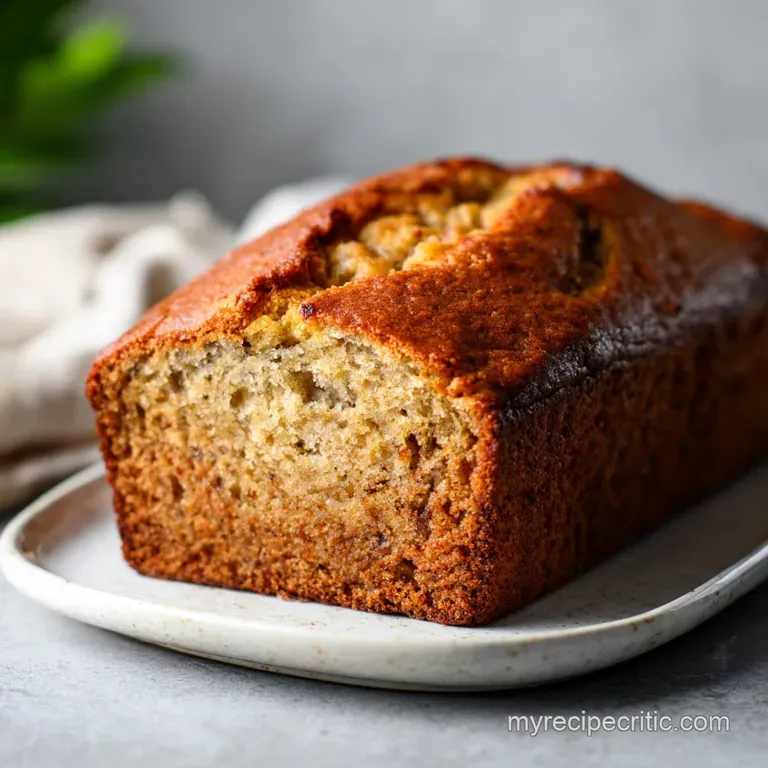
- Time: Active 15 minutes, Passive 60 minutes, Total 1 hour 15 mins
- Flavor/Texture Hook: A dense, velvety crumb with a caramelized, crackle top crust.
- Perfect for: Weekend brunch, gifting to neighbors, or using up those forgotten counter bananas.
- The Secret to Baking a Moist Banana Loaf
- Essential Specs for the Ultimate Weekend Bake
- Selecting the Best Components for Deep Flavor
- Tools Required to Achieve a Professional Crumb
- Mastering the Stages of a Perfect Bake
- Fixing Common Crumb and Texture Mistakes
- Customizing Your Loaf with Creative Additions
- Storing Your Loaf and Minimizing Kitchen Waste
- Creative Ways to Serve Loaves
- Recipe FAQs
- 📝 Recipe Card
The Secret to Baking a Moist Banana Loaf
That heavy, floral scent of overripe bananas is the ultimate kitchen signal. You know the ones they’ve sat on the counter until the skins are pitch black and they feel almost liquid inside.
I used to toss them out, thinking they were long gone, until a neighbor showed me that those "ruined" fruits are actually gold. When you mash them, they shouldn't just be chunky; they should turn into a thick, syrupy base that smells like pure caramel. This is the foundation of a truly memorable bake.
We aren't just making a snack here; we are building a profile of flavors that start with the fruit and end with a hint of salt and spice. Most people rush the process or use bananas that are still yellow with a few spots. Trust me, wait another three days.
The wait is what changes the dough texture from a basic muffin style bread to a rich, decadent treat. We’ve all had those dry, flavorless slices at coffee shops, but we're moving past that today.
This particular method is an easy to make banana loaf that relies on the science of moisture. By using oil instead of butter, we ensure the loaf stays soft even when it’s cold.
Adding a bit of Greek yogurt provides the necessary acidity to help the baking soda react, giving us that beautiful lift and a tender bite. You’ll see exactly how these layers come together to create something much better than the sum of its parts.
Essential Specs for the Ultimate Weekend Bake
The Magic of Banana Sugar: As bananas ripen, starches break down into simple sugars, increasing the sweetness and moisture content naturally. This allows us to use less refined sugar while achieving a more intense, fruity depth in the finished bake.
Acidic Reaction: The lactic acid in Greek yogurt reacts immediately with the baking soda to produce carbon dioxide. This mechanism creates tiny air pockets that ensure the loaf doesn't turn into a leaden brick during the hour long bake.
| Method | Prep Time | Resulting Texture | Best For |
|---|---|---|---|
| Freshly Mashed | 15 minutes | Velvety and dense | Traditional snacking |
| Frozen & Thawed | 5 minutes | Extra moist/syrupy | Deep flavor intensity |
| Roasted (In Skin) | 20 minutes | Concentrated/Caramel | Gourmet presentation |
When you decide to make banana loaf using frozen bananas, make sure you keep all the liquid that leaches out during the thaw. That "banana juice" is packed with concentrated sugars that make the crumb even more flavorful.
It is a simple trick that separates a standard recipe from one people will ask you for repeatedly.
Component Analysis
| Ingredient | Science Role | Pro Secret |
|---|---|---|
| Dark Brown Sugar | Humectant | The molasses content keeps the loaf moist for up to 4 days. |
| Neutral Oil | Fat Barrier | Unlike butter, oil remains liquid at room temp, ensuring a soft mouthfeel. |
| Baking Soda | Leavening | Provides the lift and helps the crust brown through the Maillard reaction. |
| Fine Sea Salt | Flavor Contrast | Sharpens the sweetness of the bananas so the loaf isn't cloying. |
If you are looking for more tips on achieving this texture, you might find my guide on How To Make recipe helpful for perfecting your technique. It covers the basics of oven calibration which is vital for a bake this dense.
Selecting the Best Components for Deep Flavor
- 3 large overripe bananas (408g): Look for skins that are at least 70% black. Why this? Higher sugar concentration and easier emulsification.
- 0.5 cup neutral oil (109g): Use canola or vegetable oil. Why this? Keeps the crumb tender even after refrigeration.
- 0.75 cup dark brown sugar, packed (150g): Provides deep toffee notes. Why this? Molasses adds moisture and a darker color.
- 1 large egg (50g): Should be at room temperature. Why this? Binds the fats and liquids into a stable emulsion.
- 1 tsp vanilla extract (4g): Use real extract if possible. Why this? Rounds out the fruity notes with floral warmth.
- 2 tbsp Greek yogurt (30g): Full fat is best. Why this? The acidity activates the baking soda for a better rise.
- 1.5 cups all purpose flour (190g): Standard flour works best here. Why this? Provides enough structure without being too chewy.
- 1 tsp baking soda (5g): Check for freshness. Why this? The primary lift agent for this heavy batter.
- 0.5 tsp fine sea salt (3g): Essential for balance. Why this? Cuts through the sugar to highlight the banana.
- 1 tsp ground cinnamon (3g): high-quality Ceylon is great. Why this? Adds a woody spice layer to the aroma.
| Original Ingredient | Substitute | Why It Works |
|---|---|---|
| Greek Yogurt | Sour Cream | Similar acidity and fat. Note: Results in a slightly richer crumb. |
| Dark Brown Sugar | Coconut Sugar | Earthy sweetness. Note: Loaf will be slightly drier and less "toffee like." |
| Neutral Oil | Melted Butter | Adds a nutty flavor. Note: Loaf will firm up significantly when cooled. |
Tools Required to Achieve a Professional Crumb
You don't need a high end stand mixer to make banana loaf that tastes like a bakery's best seller. In fact, a simple whisk and a sturdy spatula are often better because they prevent you from overworking the gluten.
I use a standard 9x5 inch loaf pan, but a heavy duty aluminized steel version (like those from USA Pan) provides the most even heat distribution.
Using a kitchen scale is my number one "pro" move. Measuring flour by the cup is notoriously inaccurate; you can easily end up with 20% more flour than needed, which leads to a dry, crumbly loaf. Weighing your 190g of flour ensures that the ratio of moisture to starch is exact every single time.
It’s the difference between a loaf that is "fine" and one that is truly spectacular.
Chef's Tip: Grease your pan with oil and then dust it with a mix of cinnamon and sugar instead of flour. This creates a thin, crunchy "shatter" layer on the outside of the loaf that smells incredible as it bakes.
Mastering the Stages of a Perfect Bake
1. Prepare for Success
Preheat your oven to 350°F (180°C). Grease your 9x5 inch loaf pan thoroughly. I like to line the bottom with a strip of parchment paper that hangs over the edges, creating a "sling" to easily lift the loaf out later.
2. The Mash and Emulsify Phase
In a large bowl, mash the 408g of bananas until they are mostly liquid with only tiny lumps remaining. Whisk in the 109g of oil and 150g of dark brown sugar vigorously for about 1 minute. You want the sugar to start dissolving into the oil and fruit.
3. The Wet Base Integration
Add the 50g egg, 4g vanilla, and 30g Greek yogurt to the banana mixture. Whisk until the mixture looks smooth and slightly pale. This ensures the egg is fully incorporated before the flour hits the bowl.
4. The Dry Foundation
In a separate medium bowl, whisk together the 190g flour, 5g baking soda, 3g salt, and 3g cinnamon. Note: Sifting isn't mandatory, but it helps if your baking soda is lumpy.
5. The Gentle Fold
Pour the dry ingredients into the wet. Use a spatula to fold the mixture together until no streaks of white flour remain. Stop immediately once combined; overmixing will make the bread tough and rubbery.
6. The Pour and Level
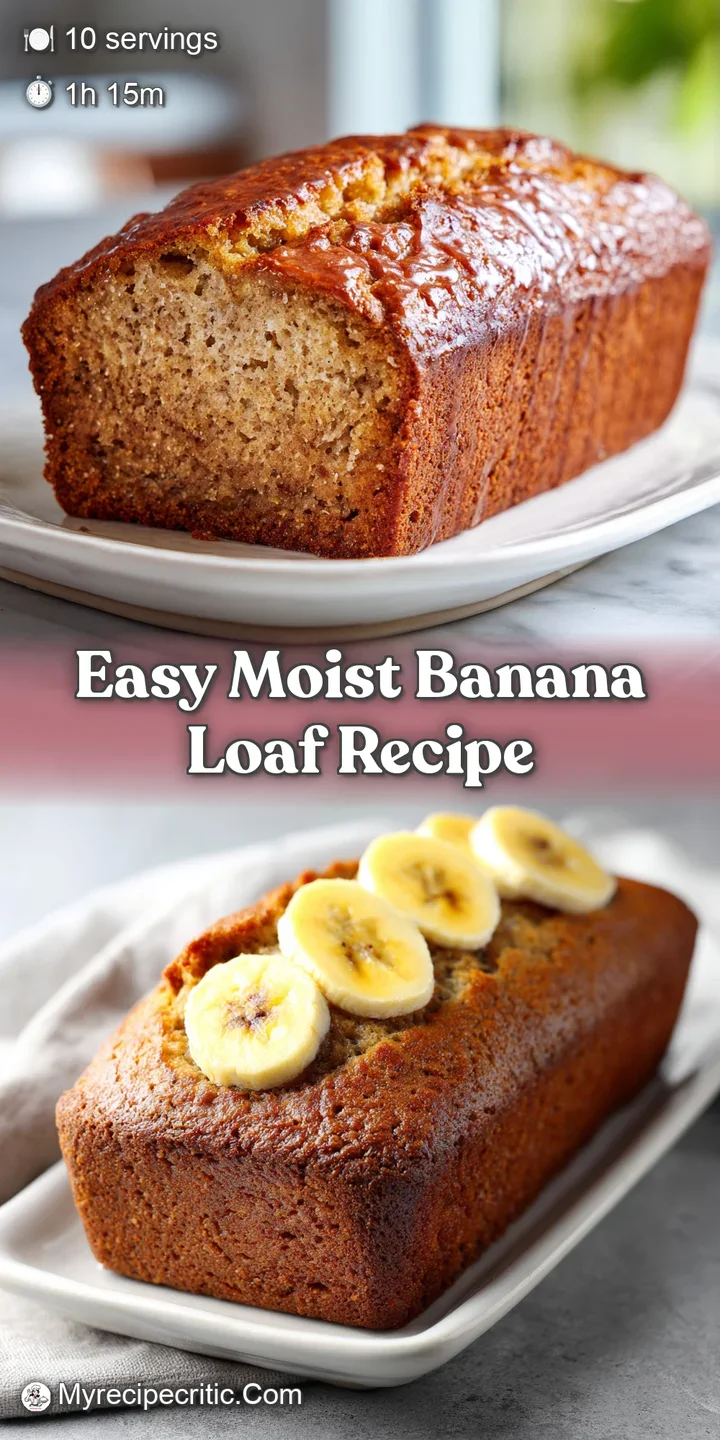
Scrape the batter into your prepared pan. Smooth the top with your spatula. If you want a decorative touch, you can slice an extra banana lengthwise and lay it on top, though this can sometimes make the top stay a bit damp.
7. The Golden Bake
Slide the pan onto the center rack. Bake for 60 minutes. At the 45 minute mark, check the color; if it’s browning too fast, tent it loosely with foil.
8. Testing for Doneness
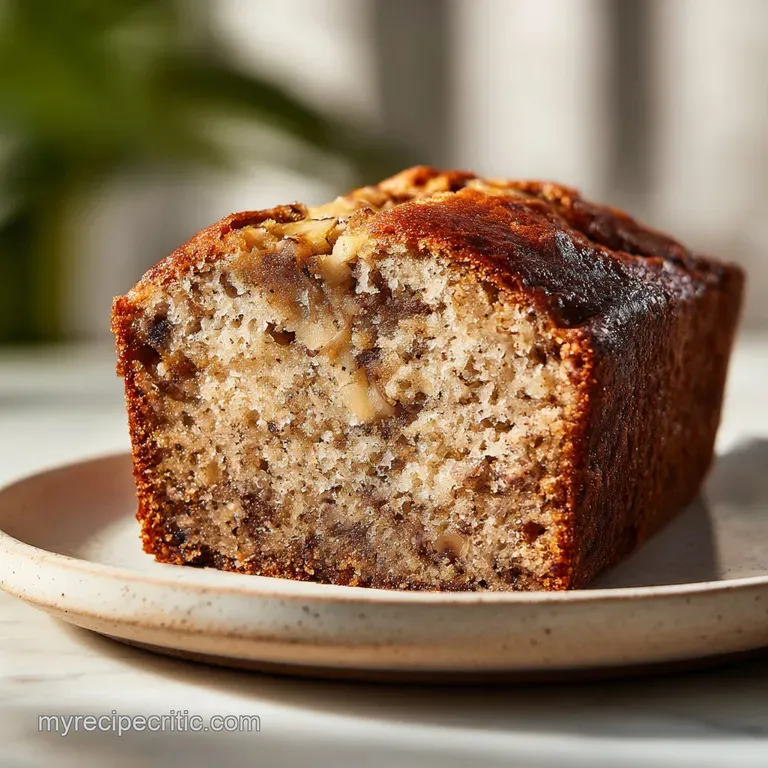
Insert a wooden skewer into the center. It should come out with just a few moist crumbs clinging to it, but no raw batter. The loaf should feel firm to the touch and have a deep, mahogany color.
9. The Patience Phase
Let the loaf sit in the pan for 10 minutes. This allows the internal structure to set so it doesn't fall apart. Then, use the parchment sling to move it to a wire rack to cool completely.
Fixing Common Crumb and Texture Mistakes
Why Your Loaf Sunk in the Center
A sunken middle usually happens because the oven door was opened too early, causing a sudden temperature drop before the structure was set. It can also be caused by expired baking soda. If the leavener loses its punch, the bubbles collapse under the weight of the heavy banana mash before they can bake into place.
Why Your Loaf Is Gummy at the Bottom
This "gum line" is often the result of under mashing the bananas or under baking the loaf. If there are huge chunks of cold banana, they release moisture into the surrounding batter as they bake, creating wet spots. Ensure your bananas are at room temperature and mashed thoroughly to prevent this.
| Problem | Root Cause | Solution |
|---|---|---|
| Dry/Crumbly | Too much flour | Use a scale to measure 190g exactly. |
| Burnt Top/Raw Middle | Oven too hot | Reduce temp to 325°F (160°C) and bake longer. |
| No Rise | Old baking soda | Test soda in vinegar; it should bubble violently. |
If you're still struggling with moisture levels, checking out The Only Moist recipe might give you a different perspective on fat to flour ratios that work for your specific oven environment.
Common Mistakes Checklist:
- ✓ Using bananas that are still yellow (not enough sugar or moisture).
- ✓ Overmixing the batter once the flour is added (creates too much gluten).
- ✓ Failing to preheat the oven for at least 20 minutes (uneven rise).
- ✓ Cutting into the loaf while it is still hot (the steam needs to settle to finish the crumb).
Customizing Your Loaf with Creative Additions
Once you know how to make banana loaf the standard way, you can start playing with textures. My favorite version involves folding in 100g of toasted walnuts. The earthy, bitter crunch of the nuts provides a perfect contrast to the soft, velvety crumb.
If you're a fan of something richer, 115g of dark chocolate chips will turn this into a decadent dessert.
For those who want a more complex flavor, try browning 113g of butter and using that instead of the oil. This adds a toasted, savory note that pairs beautifully with the bananas. Just remember that butter contains water, whereas oil is 100% fat, so the texture will change slightly the loaf will be sturdier and more "cake like." For a specific version of this, The BrownButter Banana recipe is a fantastic resource.
For the Texture Enthusiast
- Crunchy Top: Sprinkle the batter with coarse turbinado sugar and a handful of rolled oats before baking.
- Double Banana: Swirl in a tablespoon of banana jam or essence for an even more intense fruit hit.
- Spiced Variant: Add a pinch of nutmeg and ground ginger along with the cinnamon to give it a "chai" feel.
Storing Your Loaf and Minimizing Kitchen Waste
This loaf actually tastes better on the second day. As it sits, the moisture from the bananas distributes evenly, and the flavors of the cinnamon and vanilla deepen. Keep it in an airtight container at room temperature for up to 4 days.
If you find the crust getting a bit soft, you can pop a slice in the toaster to bring back that crunch.
- Freezing: This is a very freezer friendly bake. Wrap the entire cooled loaf or individual slices tightly in plastic wrap, then a layer of foil. It will stay fresh for up to 3 months. Thaw at room temperature for an hour before eating.
- Zero Waste Tip: Don't throw away those banana peels! You can soak them in water for 24 hours to create a nutrient rich "tea" for your houseplants. Also, if you have tiny bits of leftover loaf, crumble them over vanilla ice cream or use them as a base for a unique bread pudding.
Creative Ways to Serve Loaves
The simplest way to enjoy this is a thick slice, slightly warmed, with a generous smear of salted butter. The way the butter melts into the tight crumb is pure heaven. If you want to go the extra mile, try grilling a slice in a pan with a little butter until the edges get crispy and caramelized.
It transforms the texture entirely.
For a fancier presentation, serve a slice with a dollop of whipped mascarpone and a drizzle of honey. The tang of the cheese cuts through the rich banana flavor beautifully. It’s an easy to make banana loaf that can easily be dressed up for a dinner party or kept simple for a Tuesday morning breakfast.
My Favorite Serving Ideas
- The Breakfast Sandwich: Two thin slices toasted with peanut butter and honey in the middle.
- Banana Foster Style: Top a warm slice with sautéed bananas, brown sugar, and a splash of rum.
- French Toast: Dip thick, day old slices in an egg custard and fry them up for the most indulgent brunch ever.
Myth: You Must Use Butter for Flavor
Many believe butter is the only way to get a flavorful loaf. While butter adds a nice dairy note, it contains about 15-20% water, which can sometimes make a loaf feel more like bread and less like a moist cake.
Oil provides a superior, velvety mouthfeel and ensures the loaf stays soft for days, whereas butter based loaves can become quite hard once they cool.
Myth: The Darker the Loaf, the More It's Burnt
A dark exterior on a banana loaf is actually desirable. Because of the high sugar content in the fruit and the use of dark brown sugar, the Maillard reaction is very active.
That dark mahogany color represents caramelized sugars, which provide a complex, slightly bitter edge that balances the sweet interior. As long as it doesn't smell like charcoal, that dark crust is where the flavor lives.
Recipe FAQs
How to make an easy banana loaf?
Mash the ripest bananas thoroughly first. Mix the mashed fruit with oil, sugar, egg, and yogurt until just combined, then gently fold in the dry ingredients until no flour streaks remain. Bake at 350°F (175°C) for about 60 minutes.
What is the secret to good banana bread?
Use bananas that are almost entirely black on the peel. These super ripe fruits have converted the maximum amount of starch to simple sugars, providing intense moisture and flavor. If you master this temperature control, you'll see similar success in our Moist Banana Sour recipe.
What is the difference between a banana cake and a banana loaf?
A loaf is denser with a tighter crumb than a cake. Loaves typically use a higher ratio of sugar and fat to flour, resulting in a structure that stands up better to slicing, whereas cakes aim for a lighter, fluffier texture.
What are the three ingredients in banana loaf?
The essential three are overripe bananas, flour, and sugar. These form the structural base, the moisture source, and the primary flavor enhancer, though leavening agents like baking soda are technically required to make it rise.
Can I use melted butter instead of oil in this recipe?
Yes, but the texture will change to be less tender. Oil remains liquid at room temperature, keeping the crumb soft for days; melted butter solidifies slightly when cooled, resulting in a firmer loaf. If you enjoy that firmer texture, try the variations in The Golden Loaf recipe.
Why is my banana loaf gummy in the center?
This usually means the loaf was under baked or the bananas weren't mashed enough. If large, cold chunks of banana remain, they release too much moisture during baking, preventing the surrounding structure from setting properly. Test with a skewer until only moist crumbs cling to it.
Is it true I must use dark brown sugar for the best results?
No, you can use light brown sugar, but you sacrifice depth. Dark brown sugar contains more molasses, which acts as a humectant to lock in moisture and adds a rich toffee flavor. If you prefer a milder flavor, try substituting with a 1:1 ratio for a less intense result like in our Super Moist Banana recipe.
Velvety Banana Loaf Recipe
Ingredients:
Instructions:
Nutrition Facts:
| Calories | 269 kcal |
|---|---|
| Protein | 3.2 g |
| Fat | 11.8 g |
| Carbs | 38.7 g |
| Fiber | 2.3 g |
| Sugar | 19.8 g |
| Sodium | 252 mg |
