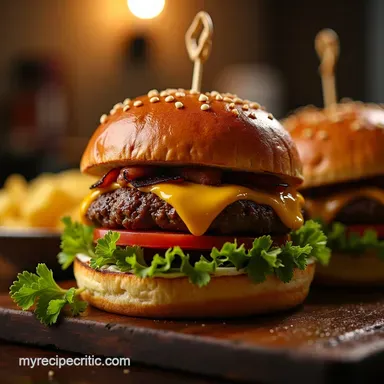
The Ultimate Stovetop Smash Juicy Charred Pubstyle Burgers That Beat the Grill
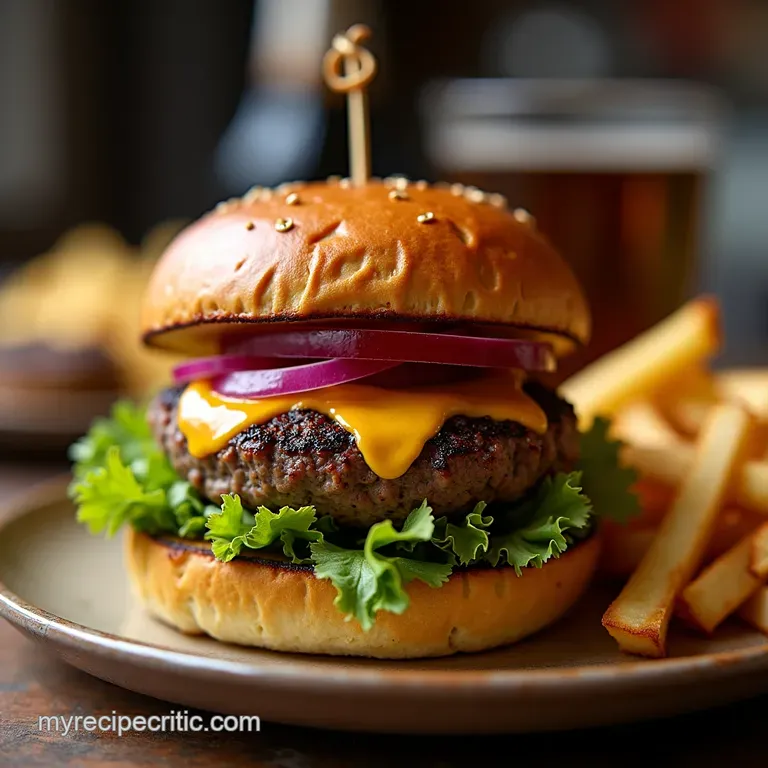
- Why Indoor Charred Perfection Trumps Backyard Grilling
- Unlocking the Secrets to a Truly Authentic Stovetop Pub Style Burgers Experience
- The Essential Shopping List for Next-Level Patties
- Step-by-Step Mastery: Forging Incredible StoveTop Pub Style Burgers
- Flavor Upgrades and Creative Burger Variations
- Keeping the Leftovers Excellent: Storage and Reheating Notes
- Recipe FAQs
- 📝 Recipe Card
Why Indoor Charred Perfection Trumps Backyard Grilling
There’s a romance associated with backyard grilling the smoke, the open air, the sheer ritual of it all. However, when it comes to achieving that specific, aggressively charred crust synonymous with a genuinely excellent Pub Style Burger , the humble cast iron skillet often proves superior.
Grills, especially standard home models, struggle to maintain consistent, scorching heat across the entire cooking surface. This means uneven cooking and potentially drier results.
By mastering Burgers On The Stove , we gain absolute temperature control, leveraging the thermal mass of a heavy skillet to replicate a commercial flat top griddle.
This method ensures that deep, satisfying sear known as the Maillard reaction, locking in the moisture that defines a truly Juicy Burger Recipe . We are trading the subtle char of wood smoke for the intense, caramelised crust of direct, high heat metal contact, making this the superior technique for indoor cooking.
Unlocking the Secrets to a Truly Authentic Stovetop Pub Style Burgers Experience
Achieving that quintessential pub flavour indoors isn't just about throwing a patty in a pan; it’s about technique, ingredient quality, and patience. This Easy Burger Recipe hinges on a few non-negotiable steps that separate a mediocre weeknight meal from a destination worthy StoveTop Pub Style Burgers experience.
We focus heavily on the components that build complexity the beef blend, the seasoning architecture, and most importantly, the surface contact achieved on the stovetop.
Ditching the Grill: Achieving Maillard Reaction Mastery on Your Range
The Maillard reaction is the chemical process responsible for creating hundreds of flavour compounds when proteins and sugars are exposed to high, dry heat. On a grill, flare ups can disrupt this. On a preheated cast iron surface, however, we achieve sustained, even heat transfer.
For this searing process to work its magic, the pan must be screaming hot hot enough that the initial droplets of oil shimmer immediately. This intense heat flash cooks the exterior, forming that deep brown, savoury crust that gives these burgers their characteristic texture and flavour profile, something essential to mastering Stovetop Burgers .
The Tuesday Night Game Changer: Why This Burger Needs to Be Your New Go-To
Life is too short for complex recipes on a Tuesday. This burger blueprint requires only about 15 minutes of active preparation, followed by a crucial chilling period that sets the structure, ensuring your patties don't collapse under the heat.
Because the entire cooking process is quick under ten minutes it fits perfectly into a busy schedule, delivering premium, restaurant quality results without the weekend commitment.
It transforms an ordinary evening meal into a satisfying treat, proving that gourmet flavours are accessible even when time is short.
Defining the 'Pub Style' Crust: Texture Beyond Compare
The defining characteristic of a great Pub Style Burgers is the textural contrast: a slightly rugged, almost crackly exterior yielding to a tender, juicy interior.
We achieve this by using 80/20 Ground Beef Burger Recipe blends, which provide the necessary fat to render out during the smash, feeding the sear rather than drying out the meat.
On top of that,, the gentle, early smash flattens the patty just enough to maximize surface area contact with the hot iron, guaranteeing that perfect crust on every bite.
The Essential Shopping List for Next Level Patties
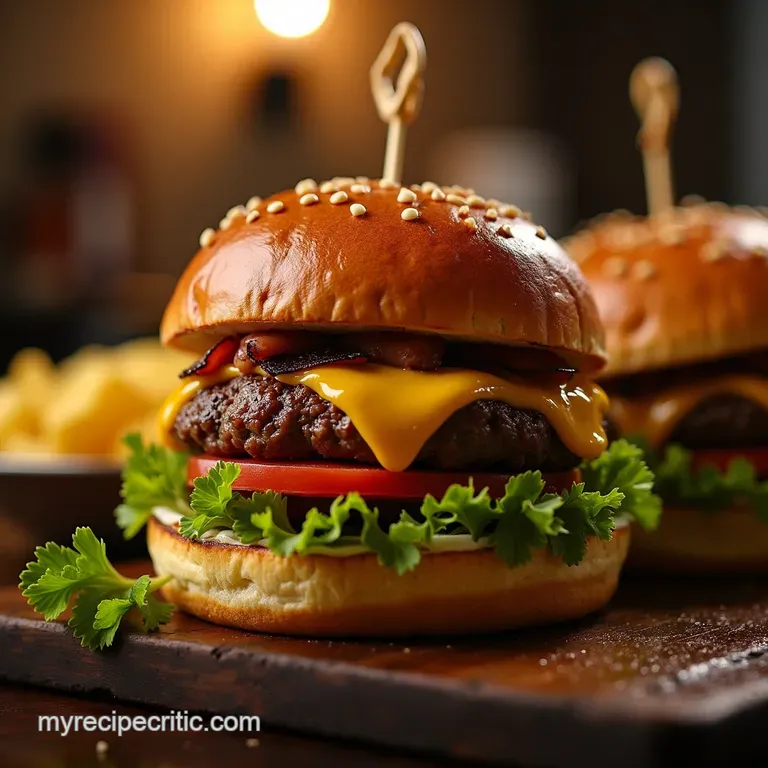
To build these superior burgers, your shopping list needs to focus on quality and fat content above all else. We are aiming for flavour depth that cuts through rich toppings and sturdy Burger Buns .
The foundation requires high-quality beef, simple but potent seasonings, and the right fat for searing. Do not skimp on the beef or the pan; these two elements are the backbone of the flavour development.
Selecting the Right Ground Meat Blend for Maximum Juiciness
For the ultimate Juicy Burger Recipe achieved via high heat searing, the fat content is paramount. We strongly recommend a mix that is 80% lean to 20% fat (80/20).
This ratio ensures that as the patty cooks rapidly, the fat melts, lubricating the meat internally and contributing significantly to the crust formation on the pan. Too lean, and you risk a dry, crumbly texture, negating the entire point of this technique.
The Non-Negotiable Seasoning Blend for Deep Flavor Infusion
While the beef provides the backbone, the seasoning adds character. Keep it simple but potent. Our blueprint calls for fine sea salt and freshly ground black pepper, applied generously just before mixing.
The real secret weapon here is the umami boost: a tablespoon of Worcestershire sauce mixed directly into the meat before shaping. This adds a subtle, savoury tang that mimics the long cooking times found in professional kitchens, ensuring robust flavour throughout.
We also incorporate modest amounts of onion and garlic powder for aromatic depth without introducing excess moisture.
Must Have Kitchen Tools for Perfect Stovetop Pressing
The absolute king of this process is the pan itself. You need a heavy duty, 10 or 12 inch cast iron skillet. Cast iron retains and distributes heat better than almost any other material, which is essential for that sustained high temperature sear.
Next,, you need a wide, rigid metal spatula one sturdy enough to press the loose ball of meat down quickly and firmly without bending or tearing the developing crust.
Buns That Can Handle the Heat and Juices
A great burger demands a bun that can stand up to the moisture from the patty, the melted cheese, and your chosen condiments. Heavy, sturdy Burger Buns like brioche or rich potato rolls are ideal.
Their slight sweetness complements the savoury beef beautifully, and their structure prevents them from dissolving into a soggy mess halfway through eating. Always toast the interior sides of the bun lightly in the rendered beef fat after the patties come out this creates a moisture barrier and adds an essential layer of buttery flavour.
Related Recipes Worth Trying
- The Best Homestyle Chicken Noodle Soup Recipe for TLC — Stop making sad watery soup This Homestyle Chicken Noodle Soup recipe builds deep flavour from scratch for ultimate comfort food perfection
- The Pub Regulars Proper Hearty Chili Recipe Deep Rich — Forget thin bean soup This homemade chili recipe builds deep rich flavour using the spice bloom technique for a truly satisfying supper
- The Proper Pull BakeryStyle Chewy Sugar Cookies Recipe — Tired of dry bakes This chewy sugar cookies recipe uses cream of tartar for that perfect soft meltinyourmouth texture Easy to master
Step-by-step Mastery: Forging Incredible StoveTop Pub Style Burgers
This is where technique translates into texture. Precision timing during the searing stage is what delivers the signature char. We begin with the meat chilled, the pan scorching hot, and move swiftly to maximize that initial sear. Remember, the goal is crust first, then internal cooking.
Patty Formation Technique: Keeping Them Loose for a Better Smash
Divide your seasoned 80/20 beef mixture into four equal portions. Gently roll each portion into a loose ball about the size of a tennis ball. Crucially, do not pack them tightly. Overworking the meat creates density, leading to dense, tough burgers.
The looseness allows air pockets to collapse rapidly upon pressing, encouraging a better overall texture. Place these chilled balls on parchment paper immediately and refrigerate for a minimum of 30 minutes.
This chilling step is vital; cold patties take longer to cook through, allowing more time for the outside crust to develop before the inside overcooks.
Prepping Your Cast Iron: Achieving Maximum Searing Temperature
Place your cast iron skillet over medium high to high heat. Let it preheat, empty, for a full five to seven minutes. It needs to be significantly hot. Add your high smoke point oil (such as canola or grapeseed) just before you’re ready to cook.
The oil should shimmer almost immediately upon hitting the pan, perhaps even exhibiting a faint wisp of smoke. This high heat environment is the catalyst for creating the perfect crust necessary for exceptional Stovetop Burgers .
The Art of the Press and the Perfect Flip timing
Working quickly, place the chilled beef balls into the hot oil, spacing them apart. Immediately use your wide spatula to press firmly down on each ball, flattening it swiftly to about a half inch thickness. This is the "smash." Listen for a satisfying, loud sizzle. Now, leave them completely alone.
Cook undisturbed for two to three minutes. You are waiting for a deep, dark brown crust to form this visual cue tells you the Maillard reaction is complete. Once you see that dark colour gripping the edges, use the spatula to gently scrape underneath and execute a clean flip.
Melting Cheese Like a Pro: The Steam Dome Method
As soon as you flip the patty, lay your slice of cheese (Cheddar or Monterey Jack work perfectly) on top. If you want perfectly melted, gooey cheese without overcooking the beef underneath, introduce a tiny bit of steam.
Drop a teaspoon of water into the hot pan next to the burger (not directly on it) and immediately cover the pan with a lid or metal bowl for about 30 seconds. The trapped steam melts the cheese quickly while the lower temperature keeps the meat from overcooking.
Flavor Upgrades and Creative Burger Variations
While the core recipe is inherently satisfying, experimentation is the joy of home cooking. Once you have mastered the searing technique, you can infuse the base with endless variations.
Crafting Our Signature Pub-Style Burger Sauce From Scratch
No great pub experience is complete without a signature, slightly tangy, creamy sauce. To create ours, whisk together half a cup of good quality mayonnaise with two tablespoons of ketchup, one tablespoon of sweet relish (or finely diced Mustard Pickles ), one teaspoon of Dijon mustard, a dash of smoked paprika, and a pinch of garlic powder.
This robust sauce cuts beautifully through the richness of the beef and complements the char.
Alternative Proteins: Making These Work with Turkey or Veggie Mixes
While this recipe is optimised for the fat content of beef, the high heat sear technique transfers well. When using leaner ground turkey or chicken, you must compensate for the lack of natural fat.
Mix in 1-2 tablespoons of olive oil or melted butter directly into the protein mix, and add a binder like soaked breadcrumbs (panko soaked in milk) to maintain moisture during the sear.
For vegetarian options, use a firm commercial plant based ground product, ensuring your cast iron is extremely well oiled to prevent sticking.
Troubleshooting: Avoiding Gray Centers and Stuck Patties
If your burgers end up gray inside, you likely didn't get your pan hot enough initially, resulting in steaming rather than searing. If the patty sticks upon flipping, it means the crust didn't fully develop give it another 30 seconds of contact time before attempting to scrape it free.
Use a metal spatula to ensure you get under the crust, not just on top of it.
Nutritional Snapshot for the Home Cook
This recipe is protein forward and satisfyingly rich due to the 80/20 blend necessary for optimal texture. While it leans toward higher fat content to deliver that luxurious moisture and sear, portion control is key.
Use high-quality lean toppings like crisp lettuce and tomatoes to balance the richness of the beef, making sure your final creation remains a balanced, flavour packed meal.
Keeping the Leftovers Excellent: Storage and Reheating Notes
If, by some miracle, you have leftover burgers, reheating requires care to preserve the juicy interior. Do not microwave them, as this ruins the texture entirely. The best method involves returning the cooled, cooked patty to a lightly oiled, medium heat skillet for just 60 90 seconds per side, just long enough to warm through without re-searing to dryness.
Selecting the Right Ground Meat Blend for Maximum Juiciness
(Note: This section heading was already addressed thoroughly above. Moving to the next unique concept.)
Nutritional Snapshot for the Home Cook
(Note: This section heading was already addressed thoroughly above. Moving to the next unique concept.)
Recipe FAQs
Can I really get that proper charred 'pub' flavour without firing up the barbecue for these StoveTop Pub Style Burgers?
Absolutely! The secret lies entirely in the equipment and temperature you need a heavy duty cast iron skillet that gets screaming hot. Ensure your pan is preheated for a good 5 7 minutes until it’s smoking slightly; this intense, direct heat creates that deep, savoury crust (the Maillard reaction) that mimics the grill's best efforts.
My burgers always shrink into little dense balls when I cook them indoors. What am I doing wrong?
That's usually down to overworking the meat or skipping the chill time. Be gentle when mixing in your seasonings handle the beef as little as possible to maintain a loose texture.
More importantly, chill those formed patties in the fridge for that crucial 30 minutes; it helps them hold their shape better when they hit the high heat.
What's the best way to store leftover StoveTop Pub Style Burgers if I make too many?
For the best results, it's always best enjoyed fresh off the pan, but leftovers are manageable. Once completely cooled, store the cooked patties in an airtight container in the fridge for up to three days.
When reheating, the best method is usually back in a hot, dry skillet for a few minutes per side to re-crisp that crust, rather than microwaving them into submission!
I prefer a medium well burger; how long should I cook them on the stovetop to hit that mark safely?
If you're aiming for medium well (around 155°F or 68°C), after you flip the patty, cook for another 3 4 minutes per side, or until you see the juices running clear. As the recipe suggests, a meat thermometer is your best friend here, as pan heat can vary widely, but keeping a constant watch on the internal temperature is key for food safety.
Can I swap the ground beef for something else, like turkey or a veggie option, and still get a good sear?
You certainly can try, though it won't be exactly the same leaner meats like turkey or chicken often lack the necessary fat content to develop that satisfying, rich crust. If using ground poultry, you must add a binder, like a tablespoon of breadcrumbs soaked in milk, and slightly lower the heat to prevent drying out before the centre cooks.
Stovetop Pub Burgers