No Cook Lemon Cheesecake Recipe with Graham Cracker Crust
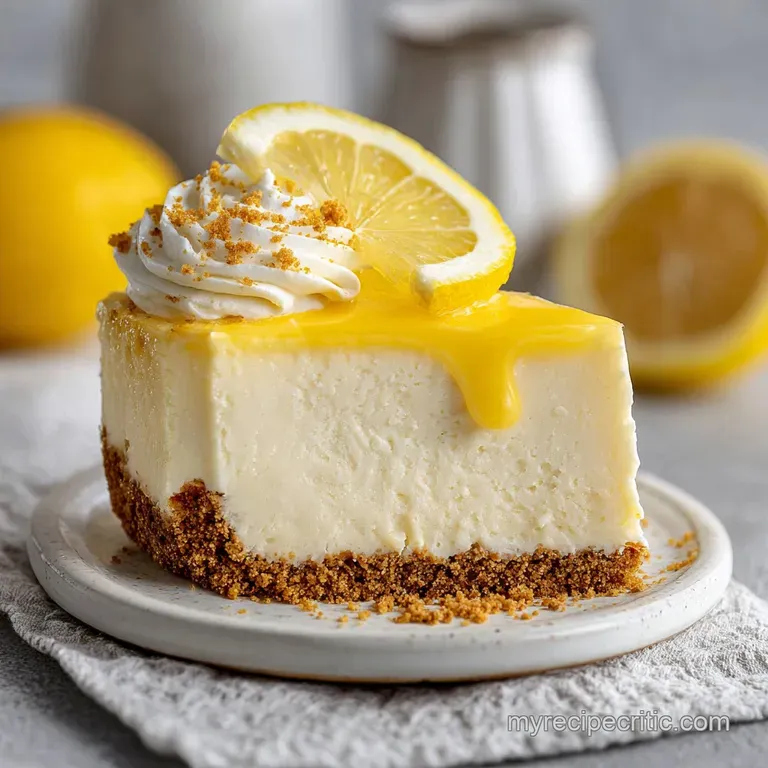
- Time: Active 20 minutes, Passive 4 hours, Total 4 hours 20 minutes
- Flavor/Texture Hook: A buttery, shattering graham base topped with velvety, tart citrus clouds.
- Perfect for: Summer cookouts, beginner bakers, or over high heat days when you can't stand to turn on the stove.
- No Cook Lemon Cheesecake Recipe with Graham Cracker Crust
- Science Behind the Silky Set
- Deep Dive Into Key Components
- Ingredients and Necessary Substitutions
- Essential Tools for Best Results
- Method for the Smooth Filling
- Troubleshooting Texture and Flavor Flaws
- Creative Variations and Flavor Twists
- Storage and Waste Reduction Tips
- Ideal Pairings for Citrus Dessert
- Recipe FAQs
- 📝 Recipe Card
Imagine walking into the kitchen on a sweltering July afternoon. The air is thick, and the last thing you want is a hot oven blowing more heat into the room. Then you remember there’s a chilled tin in the fridge. You pull it out, and the aroma of fresh lemon zest immediately cuts through the humidity.
This No Cook Lemon Cheesecake Recipe with Graham Cracker Crust offers a simple, decadent dessert that feels like a reward for doing absolutely zero heavy lifting.
I used to think that "no bake" meant a compromise in texture something runny or overly gelatinous. But once I realized how fat and acid behave together, it was a total shift in my kitchen.
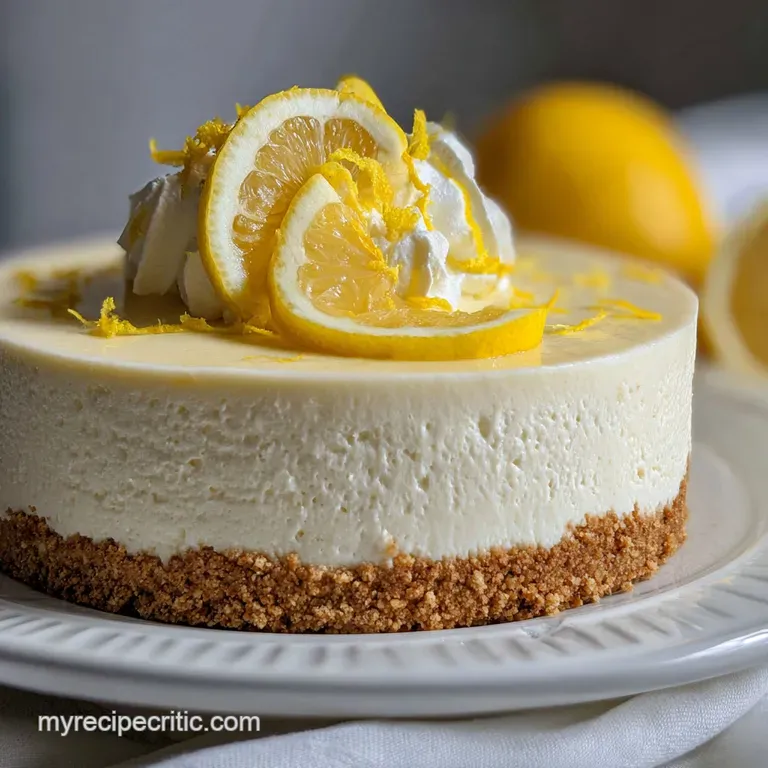
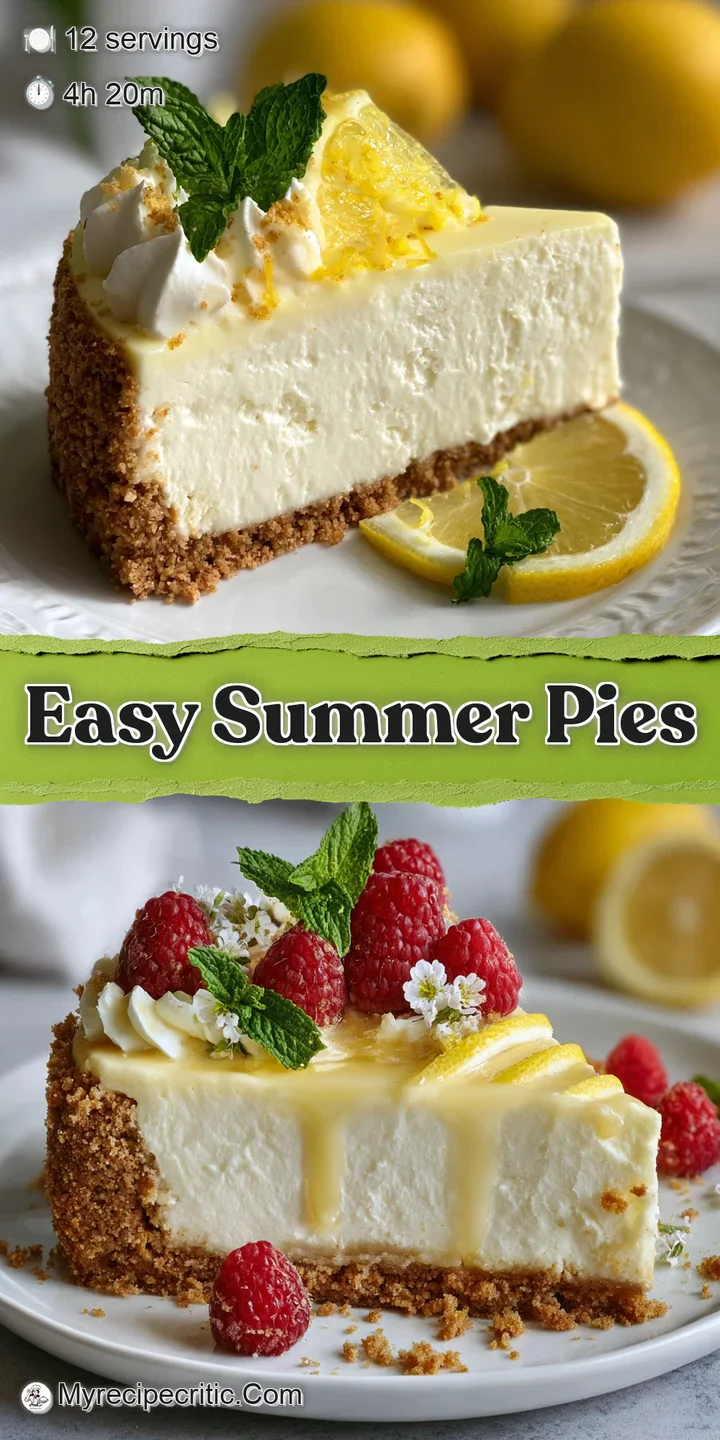
We’re going for a specific contrast here: the base should have a satisfying shatter when your fork hits it, while the filling should be thick enough to hold a clean edge but soft enough to melt the second it hits your tongue.
There’s a beautiful tension between the sweet, toasted notes of the graham crackers and the aggressive punch of the lemon juice. It’s a bright, lactic, and deeply satisfying experience.
We aren't just stirring things together; we are building a structural masterpiece using nothing but a whisk and some patience. Trust me, after you see how this behaves in the pan, you’ll never go back to the baked version.
No Cook Lemon Cheesecake Recipe with Graham Cracker Crust
The magic of a no bake dessert lies in how the ingredients transition from liquid to solid through cooling. If you’re planning a full dinner, this citrus finish is the natural follow up to a PanSeared Salmon Recipe. The lemon in the salmon finds its echo in the dessert, creating a cohesive menu that feels thought out.
Science Behind the Silky Set
The stability of this cheesecake doesn't come from flour or eggs, but from a process called acid induced protein coagulation. When the citric acid from the 0.5 cup (120ml) of lemon juice hits the proteins in the cream cheese and condensed milk, it causes them to tighten and thicken.
- Fat Emulsification
- The heavy whipping cream provides a stable network of air bubbles trapped in fat, which gives the filling its airy, cloud like lift.
- Protein Denaturation
- The acidity of the lemon juice reacts with the milk proteins, turning a liquid mixture into a firm, sliceable solid as it chills.
- Sugar Hygroscopy
- The granulated sugar in the crust draws a tiny amount of moisture from the butter, helping the crumbs bind into a solid, crunchy sheet.
Deep Dive Into Key Components
| Ingredient | Science Role | Pro Secret |
|---|---|---|
| Cream Cheese (450g) | Provides the structural fat base and lactic tang. | Use full fat bricks only; tubs contain too much water for a clean set. |
| Sweetened Condensed Milk (397g) | Acts as the sweetener and a protein rich thickener. | Chill the can for 1 hour to help the filling stay cold during mixing. |
| Heavy Whipping Cream (240ml) | Introduces aeration for a light, mousse like mouthfeel. | Whisk until you see "stiff peaks" that don't slouch when the beaters lift. |
Ingredients and Necessary Substitutions
To get that repeatable sweetness and the right dough texture for the base, we need to be specific about our items. While this is a no bake base, the buttery crumb reminds me of the richness in The Classic Scottish recipe.
- 1.5 cups (180g) Graham cracker crumbs: These provide the honey flavored foundation. Why this? Graham crackers have a unique dry snap that absorbs butter without getting soggy.
- 0.33 cup (65g) granulated sugar: Adds a crystalline crunch to the crust. Why this? Sugar helps bind the crumbs together as it dissolves slightly into the butter.
- 6 tablespoons (85g) unsalted butter, melted and cooled: The glue for our base. Why this? Unsalted butter lets you control the savory sweet balance perfectly.
- 0.5 teaspoon salt: Essential for cutting through the heavy fats.
- 16 ounces (450g) full fat brick style cream cheese, softened: The core of the filling.
- 14 ounces (397g) sweetened condensed milk, chilled: Provides sweetness and thickness.
- 0.5 cup (120ml) freshly squeezed lemon juice: The primary setting agent and flavor.
- 1 tablespoon lemon zest, finely grated: Essential for that floral citrus aroma.
- 1 teaspoon pure vanilla extract: Rounds out the sharp edges of the lemon.
- 1 cup (240ml) heavy whipping cream, cold: Adds volume and lightness.
| Original Ingredient | Substitute | Why It Works |
|---|---|---|
| Graham Cracker Crumbs | Digestive Biscuits | Similar dry texture and malty flavor. Note: Slightly less sweet than grahams. |
| Heavy Whipping Cream | Double Cream | High fat content (36%+) ensures the filling won't collapse. |
| Lemon Juice | Lime Juice | High citric acid content will still set the proteins perfectly. |
Essential Tools for Best Results
You don't need a furnace for this, but you do need the right mechanical help. I always suggest using a stand mixer such as a KitchenAid for the cream cheese step to ensure it is completely smooth. Lumps are the enemy of a velvety finish.
You'll also want a 9 inch springform pan. This allows you to remove the sides without disturbing the delicate edges of the cheesecake. If you don't have one, a deep dish pie plate works, though you'll have to serve it more like a traditional pie than a formal cake.
Finally, a microplane is non negotiable for the zest; you want tiny, feather light shards that melt into the cream, not chunky bits of bitter pith.
Method for the Smooth Filling
Building the Shattering Crust
- Combine the 180g of graham cracker crumbs, 65g of sugar, and 0.5 tsp salt in a medium bowl. Add the 85g of melted butter and stir until the mixture looks like wet sand.
- Press the crumbs into the bottom and 1 inch up the sides of a 9 inch springform pan. Note: Use the bottom of a flat measuring cup to pack it tightly so it doesn't crumble later.
- Chill the crust in the freezer for 20 minutes until it feels cold and solid to the touch.
Creating the Velvety Filling
- Beat the 450g of softened cream cheese in a large bowl for 3 minutes until it looks completely smooth and glossy.
- Slowly pour in the 397g of chilled sweetened condensed milk, scraping the sides often until no lumps remain in the bowl.
- Whisk in the 120ml of lemon juice, 1 tablespoon of zest, and 1 tsp vanilla until the mixture begins to visibly thicken.
- In a separate chilled bowl, whip the 240ml of cold heavy cream until stiff, defiant peaks form.
- Gently fold the whipped cream into the lemon mixture using a spatula until the color is uniform and no white streaks remain.
- Pour the filling over the chilled crust and smooth the top with an offset spatula until it is level and sleek.
- Refrigerate for at least 4 hours (240 minutes) until the center no longer jiggles when moved.
Troubleshooting Texture and Flavor Flaws
One mistake I once made was trying to use a "light" version of cream cheese. Honestly, don't even bother with low-fat options here. The water content is too high, and your cheesecake will end up as a lemon soup rather than a sliceable dessert.
Avoiding Lumpy Cream Cheese
If you see tiny white specks in your filling, your cream cheese wasn't soft enough before you added the liquids. To fix this, you can try passing the mixture through a fine mesh sieve, though it’s better to just ensure the cheese is at true room temperature (about 70°F) before starting.
Preventing a Weeping Filling
Sometimes a no bake cheesecake will "weep" or release liquid at the bottom. This usually happens if the lemon juice wasn't fully emulsified or if the heavy cream was under whipped. Ensure those peaks are stiff before folding.
| Problem | Root Cause | Solution |
|---|---|---|
| Filling is runny | Under whipped cream or too much juice | Chill for an extra 4 hours or freeze for 1 hour before serving. |
| Crust falls apart | Crumbs were too dry or not packed | Use the bottom of a glass to compress the crumbs harder next time. |
| Gritty texture | Sugar didn't dissolve in the crust | Rub the sugar and zest together first to release oils and start dissolution. |
Creative Variations and Flavor Twists
Infusing with Raspberry
If you want a marbled look, swirl 0.25 cup of seedless raspberry jam into the top of the filling before it sets. The tart berry notes play beautifully against the citrus. For those who prefer a darker, richer profile over citrus, my Homemade Chocolate Cream recipe is a great alternative.
Swapping for gluten-free
You can easily make this gluten-free by using gluten-free graham style crumbs. Because the filling is naturally flourless, it's a very safe bet for guests with dietary restrictions, provided you check the condensed milk label for any additives.
Decision Shortcut: If you want a firmer, almost ice cake texture, freeze the finished cake for 2 hours before slicing. If you want a more intense lemon punch, increase the zest to 2 tablespoons but keep the juice volume the same.
If you want a softer, mousse like experience, fold in an extra 0.5 cup of whipped cream at the end.
Storage and Waste Reduction Tips
Store any leftovers in the refrigerator, tightly covered with plastic wrap, for up to 5 days. The crust will eventually start to soften as it absorbs moisture from the filling, but the flavor actually deepens after the first 24 hours.
For long term storage, this cheesecake freezes beautifully. Wrap the entire pan (or individual slices) in a double layer of plastic wrap and then foil. It will stay fresh for up to 3 months. To serve, thaw in the fridge for 4 hours.
Zero Waste Tip: Don't toss those squeezed lemon halves! Throw them into a jar of white vinegar for two weeks to create a natural, citrus scented kitchen cleaner, or zest them completely before juicing and freeze the zest in an airtight container for future baking projects.
Ideal Pairings for Citrus Dessert
This cheesecake is quite rich, so I like to serve it with something that offers a textural or temperature contrast. A handful of fresh, cold blueberries or blackberries on top adds a burst of juice that cleanses the palate between bites of dense cream.
If you’re serving this at a dinner party, a crisp glass of late harvest Riesling or a small pour of Limoncello really emphasizes the floral notes of the zest. The acidity in the wine mimics the acidity in the cake, making for a very balanced finish to the meal.
You might also consider a dollop of unsweetened whipped cream on the side to provide a neutral, airy counterpoint to the intense sweetness of the condensed milk.
- Primary
- Sharp Citric Zest
- Secondary
- Toasted Honey Graham
- Finish
- Creamy Vanilla Lactic
Recipe FAQs
Can I use a different type of cookie crumb for the crust?
Yes, but graham crackers are ideal. While digestive biscuits or shortbread can work, graham crackers provide a unique honeyed flavor and the right dry texture that absorbs butter without becoming soggy, similar to the richness in our Best Classic Shortbread Cookies Recipe.
Why is my cheesecake filling lumpy?
The cream cheese wasn't soft enough. For a perfectly smooth filling, ensure your full fat brick style cream cheese is truly at room temperature (around 70°F) before beating it. This is crucial for proper emulsification.
How long does it take for the cheesecake to set?
At least 4 hours in the refrigerator. For the most stable and sliceable results, chilling is essential to allow the acid to fully coagulate the proteins and fats into a firm texture.
What happens if I use low-fat cream cheese?
It will likely be too runny. low-fat cream cheese contains more water and less fat, which is critical for the structure and creamy texture of this no-bake cheesecake. Stick to full fat brick style cream cheese for best results.
Can I make this recipe ahead of time?
Yes, up to 48 hours in advance. In fact, it’s recommended to make it ahead, as the flavors meld and the texture firms up even more beautifully in the refrigerator after the initial chilling period.
How do I prevent the crust from crumbling when slicing?
Pack the crust very firmly. Use the bottom of a flat measuring cup or a tamper to press the crumb mixture tightly into the pan and up the sides. This density is key to a crust that holds its shape.
Can I substitute lime juice for lemon juice?
Yes, lime juice will work. The high citric acid content in lime juice will perform the same protein setting function as lemon juice, creating a firm filling, though the flavor profile will be different. For other bright, acidic dessert ideas, explore our Lemon Curd recipe.
No Cook Lemon Cheesecake
Ingredients:
Instructions:
Nutrition Facts:
| Calories | 439 calories |
|---|---|
| Protein | 6.3 g |
| Fat | 30.2 g |
| Carbs | 37.3 g |
| Fiber | 0.6 g |
| Sugar | 23.4 g |
| Sodium | 150 mg |
