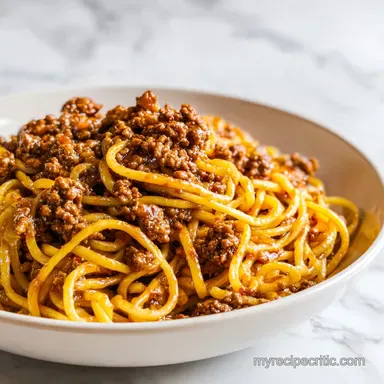
Mongolian Ground Beef Noodles: Easy and Healthy
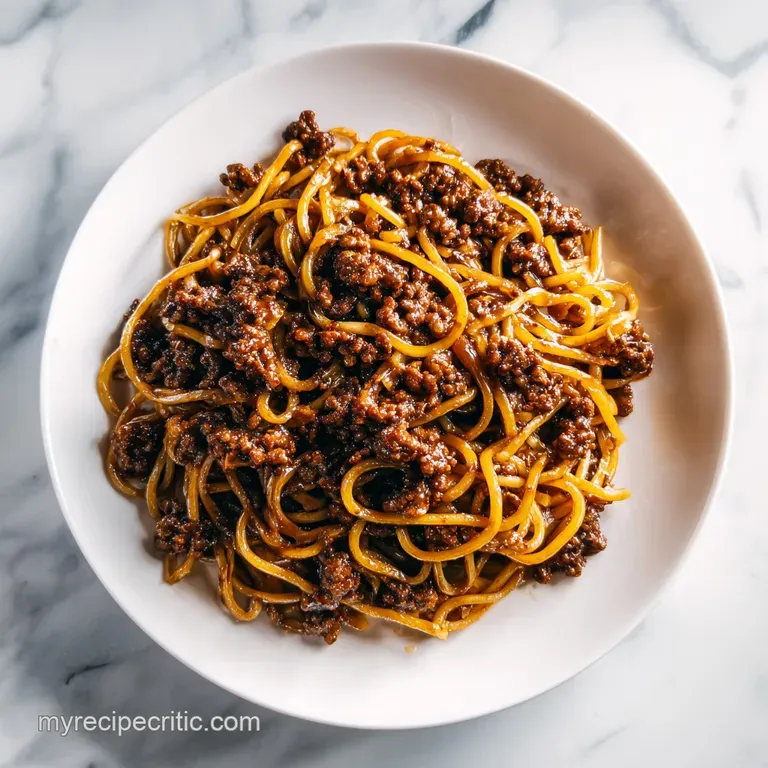
- Time:10 minutes active + 15 minutes cook = 25 minutes total
- Flavor/Texture Hook: Velvety, savory glaze with a slight ginger zing
- Perfect for: Hectic weeknights or a budget-friendly dinner date
- Easy Mongolian Ground Beef Noodles
- The Secret to the Glaze
- The Flavor Breakdown
- Essential Kitchen Gear
- The Cooking Process
- Solving Common Kitchen Glitches
- Troubleshooting Common Issues
- Swapping Your Ingredients
- Adjusting the Portion Size
- Debunking Stir Fry Lore
- Fresh Storage Tips
- Serving Your Dish
- CRITICAL: Very High in Sodium
- Recipe FAQs
- 📝 Recipe Card
Easy Mongolian Ground Beef Noodles
That sharp, aromatic sizzle when minced garlic and fresh ginger hit hot olive oil is honestly one of my favorite sounds in the kitchen. It's the signal that dinner is actually happening, even if it's only 6:15 PM on a Tuesday and I've had the longest day of my life.
I remember the first time I tried to make this, I didn't use enough heat, and the beef just boiled in its own juices. It was a grey, sad mess that tasted fine but looked like something from a cafeteria.
Once I realized that the secret is in the sear and the timing of the sauce, everything changed. These mongolian ground beef noodles became my go to when I wanted takeout flavors without the delivery fee or the hour long wait.
There's something about the way the brown sugar caramelizes against the salty soy sauce that just feels like a hug in a bowl.
You can expect a dish that's deeply savory, slightly sweet, and carries a hint of heat from the red pepper flakes. It's a one pan wonder (mostly) that doesn't require a fancy wok to get that velvety coating on the noodles.
Trust me on this, once you see that sauce turn from a liquid into a glossy glaze, you'll never go back to plain pasta again.
The Secret to the Glaze
The reason this dish feels like it came from a professional kitchen is all about how the sauce behaves. It's not just a liquid you pour over meat; it's a controlled emulsion that clings to every single strand of noodle.
Starch Activation: The cornstarch doesn't just thicken the sauce, it creates a translucent, glossy finish that prevents the flavors from sliding off the beef. According to the guides at Serious Eats, a slurry is essential for achieving that specific "cling" without the sauce becoming gummy.
Umami Layering: We're combining soy sauce and hoisin, which provide two different types of saltiness. One is sharp and fermented, while the other is thick and sweet, creating a complex base that tastes like it simmered for hours.
Sugar Caramelization: When the brown sugar hits the hot pan, it undergoes a quick transformation. This adds a depth of flavor that balances the acidity of the soy, giving the beef a rich, mahogany color.
Aromatic Infusion: Sautéing the ginger and garlic separately from the sauce ensures their volatile oils are released into the fat. This distributes the flavor throughout the entire dish rather than just having "chunks" of ginger.
| Method | Time | Texture | Best For |
|---|---|---|---|
| Large Skillet | 25 mins | Evenly glazed | Standard home kitchens |
| Carbon Steel Wok | 20 mins | Charred edges | over High heat enthusiasts |
| Non Stick Pan | 25 mins | Silky/Smooth | Easy cleanup |
Right then, let's look at why these specific ingredients are non negotiable. If you're into savory beef, my Beef Broccoli Noodles uses a similar base, but this version is much faster since we're using ground meat.
The Flavor Breakdown
Understanding how each component contributes to the final bite helps you tweak the recipe to your liking. It's not just about following a list, it's about knowing what each item is doing in the pan.
| Ingredient | Science Role | Pro Secret |
|---|---|---|
| Cornstarch | Thickening Agent | Always mix with cold water first to avoid lumps |
| Hoisin Sauce | Sweet Umami | Adds a thick, syrupy body that soy sauce lacks |
| Fresh Ginger | Pungent Acid | Grate it finely to avoid "woody" bites in the noodles |
| Brown Sugar | Caramelizer | Use dark brown sugar for a deeper, molasses hint |
When you're picking your beef, don't be tempted by the ultra lean 95/5 stuff. You need a little bit of fat for the aromatics to fry in. The 90/10 lean ground beef is the sweet spot, providing enough flavor without leaving a pool of oil at the bottom of your skillet.
Essential Kitchen Gear
You don't need a professional setup to nail this. I usually just reach for my biggest skillet, but a wok is great if you have one. The key is surface area; you want the beef to brown, not steam.
For the noodles, a large pot for boiling is obviously a must. I highly recommend using a colander that fits snugly in the sink so you can drain the pasta quickly without splashing hot water everywhere.
A small whisk or even a fork works for the slurry, but make sure you get all the cornstarch lumps out before it hits the pan.
A sturdy spatula (silicone or metal, depending on your pan) is essential for breaking up the ground beef. You want small, crispy crumbles, not large chunks of meat. This increases the surface area for the sauce to cling to, making every bite more flavorful.
The Cooking Process
Let's crack on. Make sure you have your sauce whisked together before you start the beef, because once the pan is hot, things move fast.
Phase 1: Noodle Preparation
Boil a pot of salted water and cook the noodles according to the package directions. Note: Salt the water heavily so the noodles have a base flavor. Drain and set aside. If you're using ramen, don't overcook them, or they'll turn to mush when you toss them in the sauce.
Phase 2: Searing the Beef
Heat 1 tbsp olive oil in a large skillet or wok over medium high heat. Add 1 lb lean ground beef, breaking it apart with a spatula, and cook until browned and no longer pink. You want to see some brown, crispy edges on the meat for the best flavor.
Phase 3: Infusing Aromatics
Stir in 3 cloves minced garlic and 1 tbsp grated ginger. Sauté for 60-90 seconds until the aroma fills the room. Don't let the garlic turn dark brown or it will taste bitter, so keep the meat moving.
Phase 4: The Glaze Emulsion
In a small bowl, whisk together 1/2 cup low sodium soy sauce, 2 tbsp brown sugar, 2 tbsp hoisin, 1 tsp sesame oil, and 1/2 tsp red pepper flakes. Mix in 1 tbsp cornstarch and 2 tbsp water to create a slurry.
Pour the sauce mixture into the skillet and stir constantly for 2-3 minutes until the sauce thickens into a glossy glaze.
Phase 5: Final Integration
Toss the cooked noodles into the skillet, folding gently until evenly coated. Garnish with 3 stalks sliced green onions and 1 tsp sesame seeds. Serve immediately while the sauce is still velvety and hot.
Solving Common Kitchen Glitches
Even with a simple recipe, things can go sideways. Usually, it's a temperature issue or a timing mistake. Most of these are easy to fix if you catch them before the dish hits the table.
Troubleshooting Common Issues
| Issue | Solution | ||||||
|---|---|---|---|---|---|---|---|
| Why Your Sauce Stays Liquid | If your sauce isn't thickening, the cornstarch might not have reached the necessary temperature to activate, or you might have added too much water. You can fix this by simmering for another minute or | ||||||
| Why Your Beef Is Greasy | Using beef with too much fat can lead to an oily sauce. If you see a layer of oil on top of your glaze, simply tilt the pan and spoon out the excess fat before adding the sauce. | ||||||
| Why Your Noodles Clump | Noodles often stick together after draining. To prevent this, toss them with a drop of sesame oil while they're waiting to be added to the skillet. | Problem | Root Cause | Solution | --------- | ----- |
Swapping Your Ingredients
One of the best things about mongolian ground beef noodles is how flexible they are. You can easily swap things based on what's in your pantry or your dietary needs. For a different one pot beef vibe, check out this American Goulash, though it's a completely different flavor profile.
| Original Ingredient | Substitute | Why It Works |
|---|---|---|
| Lean Ground Beef | Ground Turkey or Pork | Similar texture. Note: Turkey is leaner, may need extra oil |
| Linguine/Ramen | Rice Noodles | gluten-free option. Note: Absorbs sauce faster, add extra water |
| Brown Sugar | Honey or Maple Syrup | Liquid sweetener. Note: Adds a floral note, reduce water by 1 tbsp |
| Hoisin Sauce | BBQ Sauce + Soy | Mimics the sweetness/thickness. Note: Tastes more "Western" |
If you're looking for a healthier mongolian ground beef noodles version, you can swap the noodles for spiralized zucchini or cabbage shreds. Just be careful not to overcook the vegetables, as they release a lot of water and can thin out your glaze.
Adjusting the Portion Size
When you're cooking for a crowd or just for yourself, you can't always just double the numbers. Some ingredients, especially the salt and heat, don't scale linearly.
Cutting the Recipe in Half: Use a smaller 10 inch skillet. Reduce the cooking time for the beef by about 20% since the pan will heat up faster. I recommend beating one egg if you're adding extras, but for this specific recipe, just halve the soy and sugar exactly.
Doubling or Tripling: This is where it gets tricky. Don't double the red pepper flakes or the sesame oil immediately; start at 1.5x and taste as you go. Most importantly, work in batches when browning the beef.
If you crowd the pan with 2 lbs of meat, it will steam instead of sear, and you'll lose those crispy bits.
For the sauce, you can double the cornstarch and water, but keep an eye on the thickness. Larger volumes of sauce take longer to reach the bubbling point where the starch activates.
Debunking Stir Fry Lore
There are a few things people tell you about stir frying that aren't actually true. Let's set the record straight so you don't stress over unnecessary rules.
Searing meat doesn't "seal in the juices." That's a common myth. The juices actually escape more during a over high heat sear, but the trade off is worth it because the browning adds a massive amount of flavor that you just can't get from boiling or steaming.
You don't actually need a wok to get "wok hei" (the breath of the wok) when using ground beef. While a wok is great for tossing larger pieces of meat, a heavy stainless steel or cast iron skillet can produce the same caramelization and glaze quality for ground beef noodles.
Fresh Storage Tips
If you have leftovers, store them in an airtight container in the fridge for up to 3-4 days. The noodles will absorb some of the sauce as they sit, so they might seem a bit drier when you pull them out.
To reheat, avoid the microwave if you can. Instead, throw them back into a skillet over medium heat with a splash of water or beef broth. This loosens the sauce and brings back that velvety texture without overcooking the noodles.
For zero waste, don't throw away the ends of your green onions. Chop them up and freeze them in a small container. The next time you start a stir fry, toss those frozen bits in with your oil and garlic for an extra layer of oniony goodness.
Serving Your Dish
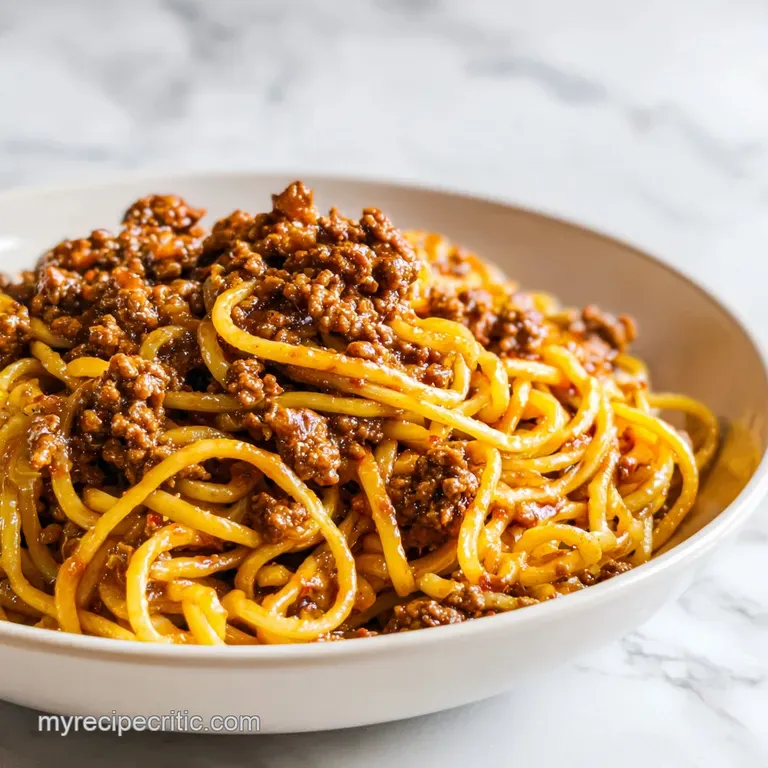
To really make these mongolian ground beef noodles pop, serve them in wide, shallow bowls. This keeps the noodles from clumping together in a big pile and allows the glaze to coat every surface.
For a side dish, I love pairing this with steamed bok choy or a simple cucumber salad with rice vinegar and sesame seeds. The acidity of the cucumber cuts through the richness of the beef and brown sugar, cleaning your palate between bites.
If you're feeling fancy, top the dish with a sprinkle of toasted sesame seeds and a few fresh cilantro leaves. It adds a bit of color and a fresh, herbal note that balances the deep, salty umami of the hoisin and soy. Right then, grab your chopsticks and dive in!
CRITICAL: Very High in Sodium
1240 mg 1,240 mg of sodium per serving (54% 54% of daily value)
The American Heart Association recommends a daily limit of 2,300mg of sodium, with an ideal limit of 1,500mg for most adults to reduce cardiovascular risk.
Personalized Sodium Reduction Tips
-
Swap Soy Sauce-30%
Replace the low-sodium soy sauce with coconut aminos, which provides a similar savory flavor with significantly less sodium.
-
Modify Hoisin Sauce-20%
Reduce the amount of hoisin sauce or substitute it with a blend of plum jam and rice vinegar to maintain sweetness and tang.
-
Choose Low-Sodium Noodles-15%
If using ramen, ensure they are non-instant noodles or swap for whole grain linguine to avoid hidden processing salts.
-
Boost Natural Aromatics
Increase the amount of fresh ginger or add a squeeze of fresh lime juice at the end to brighten the flavor without adding salt.
Recipe FAQs
Can I use linguine instead of ramen noodles?
Yes, both work well. Linguine offers a heartier bite, while ramen provides a classic noodle texture for this dish.
Why is my sauce staying liquid and not thickening?
The cornstarch likely hasn't reached the temperature needed to activate. Simmer the sauce for an additional minute to achieve a glossy, thick glaze.
How to stop the beef from being too greasy?
Spoon out excess fat before adding the sauce. Tilt the skillet and remove any pooled oil after browning the beef to ensure a clean finish.
Can I substitute ground beef with turkey?
Yes, lean ground turkey is a healthy alternative. For another fast weeknight meal using ground meat, see our ground beef stroganoff.
How to store and reheat leftovers?
Keep them in an airtight container in the fridge for up to 3 days. Reheat in a pan with a small amount of water to restore the sauce's gloss.
Is it true I must use a wok for this recipe?
No, this is a common misconception. A large skillet is perfectly effective for browning the meat and thickening the sauce.
How to prevent the noodles from clumping?
Toss the noodles immediately after draining. Adding them straight to the skillet ensures the sauce coats each strand and prevents sticking.
Mongolian Ground Beef Noodles