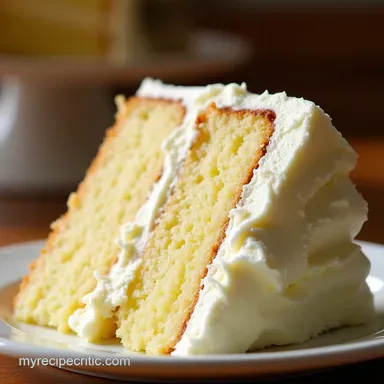
Cloud Nine the Ultimate Moist White Velvet Cake with Silky Vanilla Buttercream
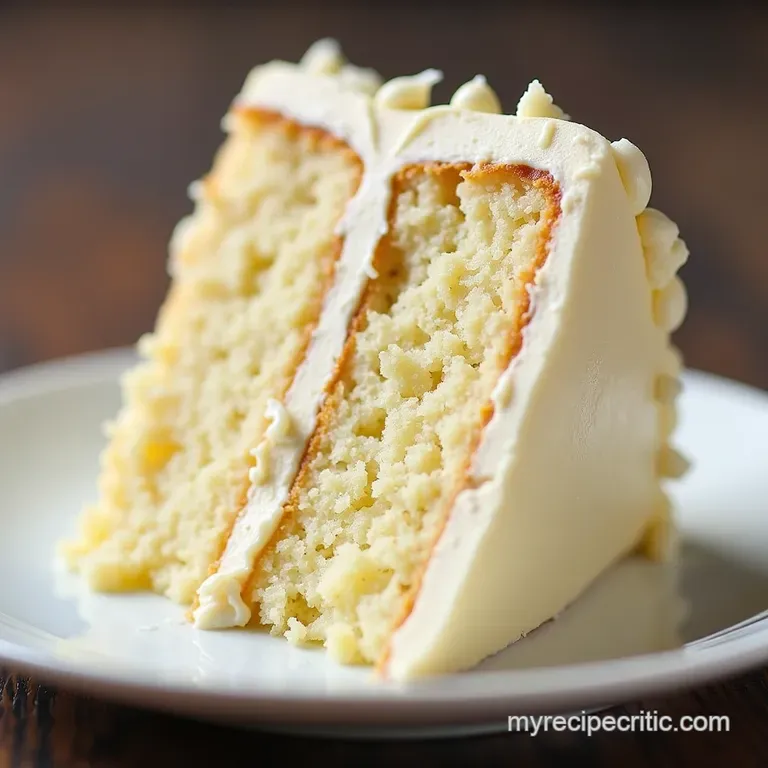
- Beyond Vanilla: Unveiling the Secret to True White Velvet Perfection
- Why This Moist White Velvet Cake Defines Elegance
- Assembling the Arsenal: Essential Components for a Flawless Bake
- Decoding the Dry Mix: Flour Choices That Matter Most
- The Master Method: Step-by-Step Construction of Your Moist White Velvet Cake Layers
- Elevating Your Creation: Next-Level Frosting and Decoration Tips
- Troubleshooting Common Velvet Cake Hurdles for Home Bakers
- Recipe FAQs
- 📝 Recipe Card
Beyond Vanilla: Unveiling the Secret to True White Velvet Perfection
When we talk about truly exceptional baking, the conversation often turns to textures, the crisp snap of a cookie, the chew of a brownie, or the ethereal lightness of a perfect sponge. In the pantheon of celebration cakes, the Moist White Velvet Cake stands supreme.
It occupies a delightful middle ground: richer and more substantial than an angel food cake, yet noticeably lighter and more tender than a standard butter cake. This recipe isn't merely about achieving a white colour; it’s an intricate dance of fats, acids, and careful aeration designed to deliver a crumb so fine it genuinely feels like velvet melting on your tongue.
If you’ve ever been disappointed by dry, crumbly white cakes, prepare to meet your match. This is the foundation for the Best Moist White Velvet Cake Recipe you’ll ever attempt.
Why This Moist White Velvet Cake Defines Elegance
The allure of this particular bake lies in its sophistication and subtlety. Unlike robustly flavoured chocolate or spice cakes, the White Velvet Cake Recipe demands quality ingredients because the flavour profile is delicate, primarily pure vanilla, anchored by the richness of dairy.
It’s the preferred choice for landmark occasions, often serving as the base for a stunning White Wedding Cake Recipe , precisely because its neutrality allows the frosting and decoration to take centre stage without competing with an overwhelming cake flavour.
The Texture Philosophy: Achieving That Signature Melt-In-Your-Mouth Crumb
The magic behind the famous "velvet" texture is twofold: the flour choice and the acidity introduced into the batter. We deliberately utilize cake flour, which possesses a lower protein content than all-purpose flour.
This translates directly to less gluten development, meaning the strands within the cake structure are weaker and softer. On top of that,, the inclusion of buttermilk, that slightly tangy, aged dairy product, works wonders.
The acid in the buttermilk tenderizes the proteins in the flour even further, resulting in a wonderfully Moist Cake Recipe that resists drying out.
More Than Just a Pretty Cake: Understanding the 'Velvet' Difference
What truly separates this Moist Velvet Cake Recipe from a simple white layer cake is the incorporation method. We are employing a modified creaming method, followed by the careful folding in of whipped egg whites.
By whipping the egg whites separately until they form stiff peaks, we introduce significant amounts of air after the main structure has been established. This results in an incredibly light final product.
This careful technique ensures we achieve a Tender White Cake that retains moisture beautifully, making this recipe an undeniable showstopper.
Perfect Pairing: Setting the Stage for Silky Buttercream
A cake this elegant requires an equally refined coating. This Moist White Velvet Cake Recipe shines brightest when paired with a classic, smooth topping. While Swiss Meringue Buttercream offers unparalleled silkiness, for a truly achievable yet luxurious experience, we lean toward a superb American White Buttercream Cake frosting.
The slight sweetness of the buttercream perfectly complements the subtle tang and vanilla notes emanating from the cake itself.
Assembling the Arsenal: Essential Components for a Flawless Bake
To produce the Simple Moist White Velvet Cake that lives up to its name, ingredient temperature and quality cannot be overlooked. This bake relies on creating a stable, light emulsion, which demands that your fats and liquids cooperate perfectly.
Plan ahead: your butter, egg whites, whole milk, and buttermilk must all be brought to true room temperature (around 68–70° F or 20–21° C). This allows them to mix evenly without curdling the batter, which is the fastest route to a tough crumb.
Related Recipes Worth Trying
- The Velvet Mug Truly Decadent Homemade Hot Chocolate Recipe — Ditch the powder This easy homemade hot chocolate recipe uses real chocolate for a luxurious thick texture that feels like a warm hug Get the foolproof...
- CloudLike Mini German Pancakes Foolproof Muffin Tin Recipe — Tired of floppy pancakes This easy Mini German Pancakes recipe bakes up perfectly puffed custardy clouds in a muffin tin A dazzling breakfast ready in 35 mins
- Foolproof Dutch Baby Pancake Recipe for Epic Puffs — Achieve the best German Pancake recipe with this simple ovenbaked Dutch Baby Get that towering buttery crisp edge every time Read the tips
Decoding the Dry Mix: Flour Choices That Matter Most
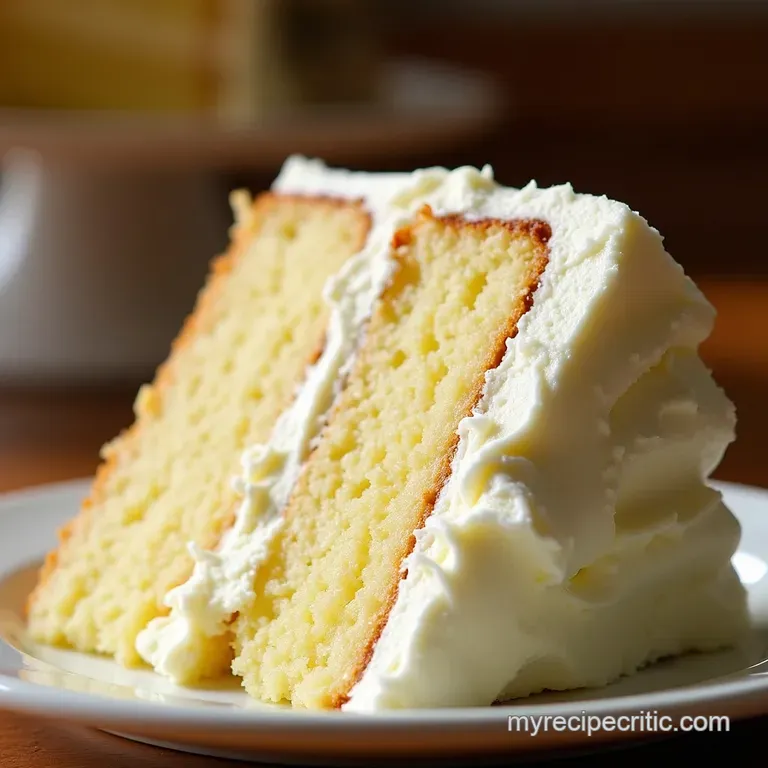
For this Moist White Velvet Cake , we mandate the use of cake flour. Sifting is non-negotiable. Cake flour ensures the lowest possible protein content, keeping the structure soft.
Our dry mixture will comprise three cups of sifted cake flour, balanced against 1 ¾ cups of granulated sugar, alongside the leavening agent, a full tablespoon of baking powder, and a precise ¾ teaspoon of fine salt to ensure the flavour doesn't fall flat.
Always whisk these dry components thoroughly before introducing the fat.
Dairy Dynamics: Selecting Buttermilk and Butter for Richness
The 1 cup of softened, unsalted butter provides the necessary richness and stability inherent in a great butter cake. However, the star dairy player is the buttermilk, a mere ½ cup, which acts as our secret weapon for ultimate moisture.
If you find yourself in a bind, you can create a substitute by adding one teaspoon of white vinegar or lemon juice to ½ cup of whole milk and letting it sit for five minutes, but true buttermilk yields the superior flavour profile for this Moist White Cake Recipe .
Precision Measurement: Tools Required for Baker Success
While many baking tasks allow for approximation, achieving the "velvet" quality requires discipline. A digital kitchen scale is highly recommended for accurately measuring the 360g of flour.
Beyond standard mixing bowls and whisks, you will need two 8-inch round cake pans, ensuring they are properly prepared with greasing, flouring, and a circle of parchment paper on the bottom to guarantee a clean release when cooling.
The Flavor Blueprint: Vanilla Extract and Almond Essence Ratios
Since this is a white cake, the flavour needs to shine through cleanly. We use 2 teaspoons of high-quality pure vanilla extract. To enhance the ethereal quality often sought in these delicate bakes, a tiny hint of almond essence (about ¼ teaspoon, added along with the vanilla in the wet mix) is sometimes employed.
This adds a background complexity that lifts the vanilla without tasting overtly like almond extract.
The Master Method: step-by-step Construction of Your Moist White Velvet Cake Layers
The construction follows the standard creaming approach but with an added focus on aeration. Begin by preheating your oven to 350° F ( 175° C). In a stand mixer fitted with the paddle attachment, we begin by beating the softened butter and the sugar together.
Achieving Peak Aeration: Creaming Butter and Sugar Like a Professional
This initial step is vital for the Moist White Velvet Cake . Beat the butter and sugar on medium-high speed for a full five to seven minutes until the mixture is visibly paler in colour and significantly lighter and fluffier in texture.
This process whips microscopic air bubbles into the fat, which will expand in the oven, contributing to the light texture. Once creamy, slowly incorporate the egg whites one at a time, beating briefly after each addition just until incorporated.
Next, prepare your wet mixture by whisking the milk, buttermilk, and vanilla (and optional almond extract) together. Alternate adding this liquid mixture with the dry ingredients to the creamed butter mixture. Start and end with the dry ingredients.
Add only one-third of the dry mix, blend on low until just combined, then add half of the liquid, mix, and repeat. This controlled addition keeps the batter emulsified.
The Gentle Fold: Incorporating Wet and Dry Ingredients Without Deflation
This is where we finalize the texture. In a separate, perfectly clean, grease-free bowl, whip your six room-temperature egg whites until they reach stiff, glossy peaks. Using a rubber spatula, gently fold the egg whites into the cake batter in two batches.
Use slow, deliberate cutting and folding motions, ensuring you scrape the bottom of the bowl to fully incorporate the heavier batter into the light whites without knocking out all the carefully introduced air.
Oven Geometry: Preheating and Pan Preparation for Even Rising
Divide the finished batter evenly between your two prepared 8-inch pans. Tap the pans lightly on the counter once to release any massive surface air pockets, but avoid hard banging. Bake for 30 to 35 minutes. Trust your toothpick test over the clock, but aim for that 30-minute window.
Cooling Protocols: Preventing Crumb Collapse After Baking
Once baked, remove the pans from the oven and allow them to cool on a wire rack for precisely ten minutes. This brief resting period allows the structure to firm up slightly before being disturbed.
Then, invert the cakes onto the rack, gently peel off the parchment paper, and allow them to cool completely, and I mean completely —before attempting to frost or assemble. Warm cake equals melted frosting.
Elevating Your Creation: Next-Level Frosting and Decoration Tips
The finished White Velvet Cake Recipe demands a final flourish. To create the silky buttercream, start by beating 1 cup of very soft butter until it’s pale and fluffy. Gradually incorporate 4 to 5 cups of sifted powdered sugar.
Beat until smooth, then thin with 3 to 4 tablespoons of heavy cream and 1 ½ teaspoons of vanilla until you reach a consistently spreadable texture. Assemble your layers, using a thin initial "crumb coat" of frosting, chilling the cake for 15 minutes to lock in any loose crumbs, and then apply your final, smooth, elegant coat.
Troubleshooting Common Velvet Cake Hurdles for Home Bakers
If your cake sinks, it's almost always due to opening the oven door too early or under-baking slightly. If the cake appears dense, you likely overmixed the final batter after adding the egg whites or the ingredients weren't at the correct room temperature.
Do not panic; even a slightly sunken cake can be trimmed and saved with generous frosting!
Storage Secrets: Keeping Your White Velvet Tender for Days
This recipe is inherently moist, but proper storage maximizes freshness. Once cooled and frosted, keep the cake loosely covered at cool room temperature (below 72° F/ 22° C) for up to two days.
If refrigerating is necessary, wrap the slices tightly in plastic wrap before placing them in the fridge, and allow them to come to room temperature for at least an hour before serving to restore the velvet texture.
Variations on a Theme: Flavor Infusions for the Adventurous Baker
While sublime in its classic form, this batter accepts modifications beautifully. For a subtle shift in profile, incorporate the zest of two medium lemons into the sugar during the initial creaming stage.
Alternatively, for a richer, nuttier undertone beloved in certain White Wedding Cake Recipes , gently toast the cake flour briefly before cooling and sifting, though this will slightly change the pure white colour.
Nutritional Snapshot: A Look at the Indulgence
As an indulgent layer cake, this Moist White Velvet Cake is a treat, typically clocking in around 450–500 calories per slice when paired with the suggested buttercream.
It’s rich in carbohydrates from the sugar and fat from the butter and dairy, meant to be enjoyed on special occasions!
Recipe FAQs
Why is my Moist White Velvet Cake crumb a bit tough instead of velvety?
This usually boils down to two things: overmixing or cold ingredients. If you mix the flour for too long after adding the liquid, you develop too much gluten, making it tough. Also, ensure all your dairy and eggs are at true room temperature, this helps the batter emulsify properly for that signature melt-in-your-mouth texture.
Can I use regular all-purpose flour instead of cake flour for this recipe?
While you certainly can, it won't be quite the same showstopper. Cake flour has a lower protein content, which results in less gluten development and that incredibly fine, "velvet" crumb we're after.
If you must substitute, weigh out the all-purpose flour and then remove about two tablespoons per cup, replacing it with cornstarch for a lighter result.
I don't have buttermilk, what's the best substitute for the Moist White Velvet Cake?
No worries, we've all been there when the fridge is looking a bit bare! For the best texture, gently stir 1 tablespoon of white vinegar or lemon juice into one cup of the required whole milk, and let it sit for 5 to 10 minutes until it curdles slightly.
This mimics the acidity of buttermilk, which is vital for the cake's tenderness.
How far in advance can I bake and assemble this cake?
For the best structure and flavour, bake the layers a day ahead, wrap them tightly in cling film once completely cooled, and keep them at room temperature (or freeze them for longer storage).
Assemble the cake on the day you plan to serve it, as buttercream can sometimes weep if refrigerated for too long, which is never a good look!
My egg whites won't whip up properly, what am I doing wrong?
The primary culprit here is fat contamination; even a tiny speck of grease, butter, or egg yolk will prevent the whites from forming those stiff, glossy peaks. Make sure your bowl and whisk attachments are impeccably clean and dry, and that the whites are at room temperature so they whip up faster and hold more air.
The Best Moist White Velvet Cake Recipe with Silky Buttercream