The Colossal Cloud Ultimate Baked Dutch Baby Pancake

- Unveiling the Culinary Magic of the Baked Puffed Pancake
- Why This Dutch Baby Pancake Recipe Dominates Brunch
- Gathering Your Components for Fluffy Perfection
- The Heat is On: Baking Your Spectacular Pancake
- From Batter to Bubbly Masterpiece: The Cooking Sequence
- Troubleshooting and Next-Level Variations
- Frequently Asked Questions
- 📝 Recipe Card
Unveiling the Culinary Magic of the Baked Puffed Pancake
Forget your flat, fiddly frying pan pancakes; the Dutch Baby Pancake (or German Pancake) is a glorious, oven baked sensation, reminiscent of a giant, buttery Yorkshire pudding that’s ready for breakfast, brunch, or even a light supper.
Born from the American fascination with German cuisine, this recipe delivers a beautifully crisp, towering edge that collapses dramatically into a soft, custardy centre. It’s rich, eggy, and begging to be topped with everything from lemon and sugar to smoked salmon. Simple alchemy, maximum impact!
This particular iteration of the Dutch Baby Pancake Recipe aims for an easy difficulty level, focusing on maximizing that theatrical rise with minimal fuss.
The entire preparation time is just 10 minutes of active prep, followed by about 20– 25 minutes of hands off baking, making it perfect for a relaxed weekend brunch when you still want something spectacular on the table quickly.
This recipe serves 2 to 3 hungry individuals, or 4 lighter eaters, and shines brightest when prepared in a 10 inch oven safe skillet.
Why This Dutch Baby Pancake Recipe Dominates Brunch
This magnificent baked creation effortlessly steals the show at any gathering. Unlike standard pancakes that demand constant attention at the stovetop, the Dutch Baby Pancake leverages the intense, dry heat of the oven to achieve its height and texture profile.
It’s the perfect balance of crispy, airy edges and a delightfully moist, almost eggy interior. On top of that,, this Dutch Baby Recipe is incredibly forgiving; while the rising action might look intimidating, the actual technique involves little more than whisking a few ingredients.
The Grand Entrance: What Makes a True Dutch Baby
A true Dutch Baby Pancake is defined by its dramatic presentation. It should emerge from the oven looking like a golden, puffy cloud, with sides soaring several inches high above the skillet rim.
When you pull it out, the centre begins to fall gently, creating a beautiful well ideal for catching melted butter, fresh juices, or sweet toppings like those found in a Dutch Baby Pancake With Berries . This visual drama is what sets it apart from more mundane breakfast fare.
German Heritage Meets American Kitchen Wizardry
Despite its common name, the Dutch Baby Pancake Origin is generally traced back to Manca’s Cafe in Seattle in the 1920s, though the inspiration is undeniably European.
It is far closer to a Pfannkuchen (a German style pancake) or even a giant, sweet popover, than it is to the small, dense buttermilk pancakes common in the US. This fusion of old-world technique applied in a modern American kitchen is what makes the Best German Pancake Recipe so beloved: it’s familiar yet exotic.
The Secret to That Impressive, Towering Rise
The secret to achieving that textbook puff lies in two crucial factors: rapid steam generation and pan retention of heat. The batter relies heavily on the eggs and milk, which create steam quickly when they hit the scorching hot fat. If the pan isn't hot enough, the steam dissipates gently, resulting in a flat bake.
If the oven temperature drops suddenly (due to opening the door), the structure cools too fast and collapses. Mastering the heat equilibrium is the key to a successful Dutchbaby Pancake Recipe .
Gathering Your Components for Fluffy Perfection
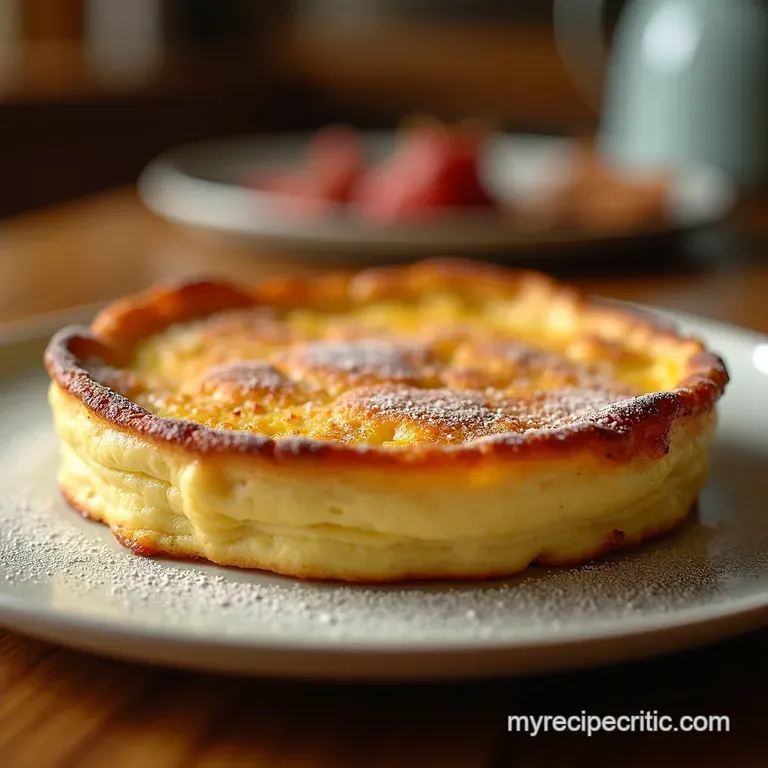
To ensure success in this oven baked spectacle, gathering the right ingredients and understanding their roles is essential. For the batter, you will need 1 cup of all-purpose flour (spooned and leveled for accuracy), 2 tablespoons of granulated sugar, and 1/4 teaspoon of fine sea salt.
For richness and structure, we rely on 3 large eggs and 3/4 cup of whole milk. Finally, 1 teaspoon of pure vanilla extract adds a classic aromatic depth. Remember, room temperature eggs and milk are your friends here, as cold ingredients can shock the hot butter later on.
Precision Measurements for Batter Success
While this is a rustic bake, precision still matters, especially with the dry ingredients. For the flour, always spoon it lightly into your measuring cup and level it off; scooping directly can add up to 25% too much flour, leading to a heavy, dense pancake that won't rise well.
The ratio of eggs to liquid is what gives this German Pancakes Recipe its characteristic custardy base.
Choosing the Fat: Butter vs. Oil Debate
For the baking fat, unsalted butter is non-negotiable for the classic flavour profile. We use a total of 4 tablespoons (56g). Two tablespoons will be melted into the batter for richness, but the remaining two tablespoons are vital for coating the pan.
This fat must be piping hot when the batter is added, ensuring the immediate sizzle that triggers the glorious puff. While you could substitute with a neutral oil, you sacrifice the nutty, rich flavour that truly defines a superior Dutch Baby Pancake .
Essential Equipment: The Pan Matters Most
The vessel you choose dictates the final appearance. While you could adapt this for a Dutch Baby Pancake 9x13 dish for a crowd, the best, most dramatic results come from a 10 inch (25 cm) oven safe skillet.
Cast iron is highly recommended because it excels at retaining the high heat necessary for the initial rise and ensures even cooking throughout the base.
Related Recipes Worth Trying
- Crispy Roasted Baby Potatoes My GoTo Herb Recipe — My secret to perfect roasted baby potatoes Crispy skins fluffy insides This easy herb recipe is a guaranteed crowdpleaser Get the recipe now
- My Familys Favorite Baked German Pancake Dutch Baby — Whip up a showstopping Baked German Pancake aka Dutch Baby with my easy recipe Puffed to perfection its the perfect brunch Get the secret to crispy edges
The Heat is On: Baking Your Spectacular Pancake
The most critical phase of creating this magnificent bake happens entirely within the oven. Our approach requires intense initial heat followed by undisturbed baking time to allow the steam structure to set completely.
From Batter to Bubbly Masterpiece: The Cooking Sequence
The process moves quickly once the oven is ready. The goal is to transfer the room temperature batter to the extremely hot, buttered pan as swiftly as possible to maximize the immediate temperature shock required for lift.
Preheating Protocol: Getting the Pan Smoking Hot
Place your empty 10 inch skillet into the oven, and then set the temperature to a high 425° F ( 220° C). Allow the pan to preheat for at least 15 to 20 minutes while you prepare the batter.
This extended preheat ensures the cast iron is radiating enough heat to cook the bottom of the pancake quickly without overcooking the top before the structure forms.
Whisking Technique: Avoiding Over Mixing the Batter
In a large bowl, whisk together your dry components first. Then, in a separate jug, gently combine the room temperature eggs, milk, and vanilla. Pour the wet into the dry ingredients and whisk just until the flour streaks disappear.
A few small lumps remaining in the batter are perfectly acceptable; over mixing develops gluten, which results in a tough pancake that won't achieve that light, airy height we are looking for in a Dutch Baby Pancake .
The Critical Oven Window: Watching the Puff
Once the batter is poured into the sizzling butter and the pan is returned to the oven, you must adhere to the no-peeking rule. Bake for 20 to 25 minutes. The pancake is done when the edges are deeply browned and rigid, and the centre has mostly set (it will still look a little moist).
Opening the door before the 18-minute mark introduces a rush of cooler air, causing the delicate steam structure to collapse prematurely.
Serving Suggestions: Classic Toppings for Your Dutch Baby Pancake
The Dutch Baby Pancake must be served immediately upon exiting the oven, as deflation begins almost instantly this is part of the fun! The most traditional serving involves simply dusting it liberally with icing sugar and serving with wedges of fresh lemon, allowing diners to squeeze tart juice over the rich, eggy base.
For a different take, consider a Dutch Baby Pancake Blueberry topping by folding fresh or frozen blueberries into the batter just before baking.
Troubleshooting and Next Level Variations
Even the simplest recipes can present minor challenges, but understanding the few variables at play ensures that your next attempt at this Dutch Baby Recipe is flawless.
Why Did My Pancake Fall Flat? Common Pitfalls
The number one reason for a flat pancake is usually insufficient heat. Check your oven thermometer if you suspect inaccuracy, and always allow the pan a full 15 minutes to heat thoroughly.
The second common issue is using cold eggs or milk, which chills the butter when poured in, preventing the initial rapid steam burst. Finally, opening the oven door too early guarantees a sad, deflated outcome.
Sweet Transformations: Flavor Infusions for the Batter
While the classic flavour is wonderful, this versatile base welcomes endless modifications. For an extra warm flavour, try adding 1 tablespoon of brown sugar and 1/2 teaspoon of cinnamon swirl into the dry ingredients before mixing.
You can also grate the zest of an entire orange or lemon into the batter for a brighter profile. Many find success adding poppy seeds, creating a beautiful citrus nutty blend perfect for a sophisticated brunch offering.
Storage and Reheating: Enjoying Leftovers Gracefully
Truthfully, the Dutch Baby is best eaten the moment it leaves the oven, as its texture is ephemeral. However, any leftovers can be saved. Store cooled pieces wrapped tightly in the refrigerator for up to two days.
Reheat them in a toaster oven or conventional oven at 350° F ( 175° C) for about 5– 7 minutes until warmed through and slightly crisped on the edges. Avoid the microwave, which will soften the crust entirely.
Frequently Asked Questions
Why is my Dutch Baby Pancake flat and not puffing up like it should?
This is the most common blunder! A flat rise usually means one of two things: either your oven wasn't hot enough, or you opened the door too soon. Ensure your oven is preheated to 425°F (220°C) and that the skillet is scorching hot before pouring in the batter.
Resist the temptation to peek for at least 18 minutes that draft is your enemy!
Can I make the Dutch Baby Pancake batter ahead of time?
For the absolute best, colossal puff, it’s best to use the batter immediately after mixing. However, if you must prep ahead, you can refrigerate the batter for up to 2 hours.
If you do chill it, let it sit on the counter for about 20 minutes before baking, and ensure your milk and eggs are room temperature before mixing, as cold batter lowers the pan temperature too much.
What’s the best pan to use for this recipe, and does it have to be cast iron?
A heavy bottomed, oven safe skillet, ideally 10 inches (25 cm), is perfect. Cast iron is the gold standard because it retains heat brilliantly, which is essential for that quick steam explosion that creates the rise.
If you don't have cast iron, a heavy stainless steel pan will do the trick, but make sure it’s rated for high oven temperatures.
My pancake is beautifully puffed, but how should I serve it immediately before it deflates?
Don't fret about the deflation; it’s part of the charm, much like a good British summer! Serve it straight from the oven onto a sturdy trivet. The classic, no-fuss serving suggestion is just a generous dusting of icing sugar and a good squeeze of fresh lemon juice it’s a brilliant balance of rich fat and sharp citrus.
Can I use something other than butter in the pan for a healthier option?
Butter is crucial here as its milk solids contribute to the flavour and the initial sizzle. If you need an alternative, clarified butter (ghee) is the best substitute since it has a higher smoke point and still provides that rich flavour.
You could try a neutral oil like refined avocado oil, but the resulting Dutch Baby Pancake will lack that signature nutty, buttery taste.
Ultimate Dutch Baby Pancake

