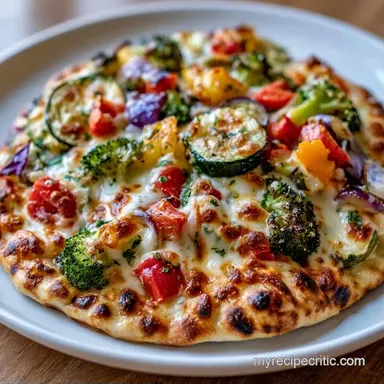
Gluten Free Veggie Flatbread in 25 Minutes
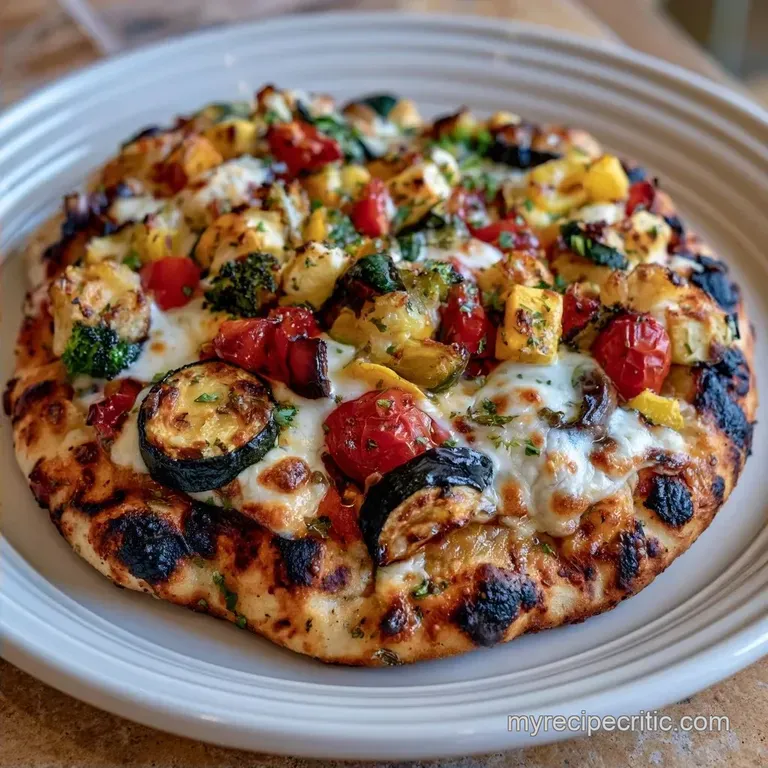
- Time: 15 min active + 5 min resting
- Flavor/Texture Hook: Toasty, mahogany brown crust with crisp tender veggies
- Perfect for: A fast weeknight dinner or a healthy lunch swap
The smell of searing zucchini and red onion hitting a hot cast iron pan is enough to make anyone hungry. There is something about that specific sizzle, followed by the scent of toasted flour and dried oregano, that just feels like home.
I remember the first few times I tried making gluten-free breads, they usually ended up either as hard as a rock or as gummy as a sponge. It was frustrating because I just wanted something simple that didn't require three different types of expensive gums.
Then I realized that the problem wasn't the flour, but how I was treating it. Most gluten free doughs don't need a long rise, they just need a moment to settle. By giving the dough a few minutes to breathe, the flour hydrates properly. This means you get a gluten free Veggie Flatbread that bends instead of snaps.
You can expect a base that is light and slightly charred, topped with a colorful pile of sautéed garden vegetables. It is not trying to be a traditional sourdough or a New York slice. It is a quick, reliable meal that satisfies that craving for something warm and savory without the bloat.
Gluten free Veggie Flatbread Guide
Right then, let's talk about what makes this work. When you strip away the gluten, you lose the "glue" that holds everything together. To fix that, we rely on a few clever tricks. First, we use warm water. This helps the starches in the flour blend swell and bind more effectively. Second, we add a touch of maple syrup.
It doesn't make the bread sweet, but it helps the dough brown in the pan, giving you those beautiful dark spots.
Hydration Rest: Letting the dough sit for 5 minutes allows the rice and potato starches to absorb the liquid. This removes the "grainy" texture often found in quick GF bakes.
Sugar for Sear: The maple syrup provides a tiny bit of sugar that caramelizes quickly. It creates a mahogany crust in about 3 minutes without needing a professional oven.
Oil Barrier: Adding olive oil directly into the dough makes the final product more pliable. It prevents the bread from drying out too fast in the hot skillet.
| Method | Time | Texture | Best For |
|---|---|---|---|
| This Fast Method | 25 mins | Soft & Toasty | Weeknight Meals |
| Traditional Yeast | 3 hours | Chewy & Airy | Weekend Baking |
| store-bought GF | 10 mins | Dense/Dry | Emergency Snacks |
What Each Ingredient Does
I've spent way too much time wondering why some GF recipes call for ten different binders. For this one, we keep it lean. Most of these are things you probably already have in your cupboard.
| Ingredient | What It Does | Best Swap |
|---|---|---|
| GF All Purpose Flour | Provides the main structure | Oat flour (adds nuttiness, denser) |
| Baking Powder | Creates small air bubbles for lift | 1/4 tsp baking soda + 1/2 tsp cream of tartar |
| Maple Syrup | Aids browning and flavor balance | Honey or agave |
| Warm Water | Hydrates the flour and activates lift | Warm almond milk (creamier taste) |
Ingredients and Swaps
For the dough, you will need a reliable flour blend. I usually reach for a blend that already includes xanthan gum, as it keeps the dough from crumbling. If you are looking for more info on how these blends work, King Arthur Baking has some great guides on choosing the right GF flour.
For the Flatbread Dough
- 2 cups (280g) gluten-free all purpose flour blend Why this? Ensures a consistent crumb across different brands
- 1 tsp (5g) Baking powder Why this? Gives an immediate rise without needing yeast
- ½ tsp (3g) Salt Why this? Enhances the natural flavor of the grains
- ¾ cup (180ml) Warm water Why this? Helps the flour hydrate faster
- 2 tbsp (30ml) Extra virgin olive oil Why this? Adds flexibility to the crust
- 1 tbsp (15ml) Maple syrup Why this? Essential for that toasted brown color
For the Veggie Toppings
- 1 cup (150g) Red bell pepper, thinly sliced Why this? Adds sweetness and bright color
- 1 cup (100g) Zucchini, quartered and sliced Why this? Absorbs the oregano and oil beautifully
- ½ cup (75g) Red onion, thinly sliced Why this? Provides a sharp, savory contrast
- 2 cups (60g) Fresh baby spinach Why this? Wilts quickly and adds earthy notes
- 2 tbsp (30ml) Olive oil Why this? For sautéing the vegetables
- ½ tsp (3g) Dried oregano Why this? Gives it that classic Mediterranean aroma
- Salt and black pepper to taste
Simple Tools Needed
You don't need a fancy kitchen for this. Honestly, a basic setup is better. I prefer a cast iron skillet because it holds heat steady, which is the only way to get a good sear on gluten-free dough.
- Cast iron skillet: This is the heavy hitter. It distributes heat evenly so you don't get hot spots.
- Mixing bowl: Any medium bowl will do.
- Parchment paper: This is non negotiable. GF dough is sticky, and trying to flip it without paper is a recipe for a mess.
- Rolling pin: Or a smooth wine bottle if you're in a pinch.
Step-by-step Flatbread Guide
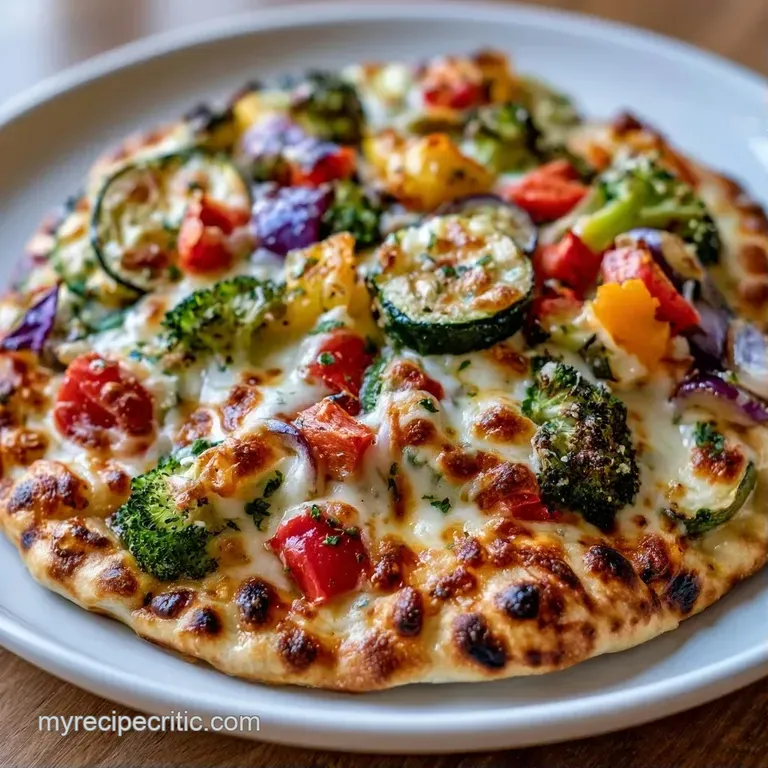
Let's get into it. The key here is moving quickly once the dough is rolled. You want to hit the pan while the dough is still supple.
Mixing the Base
- Whisk the gluten-free flour, baking powder, and salt in a bowl.
- Stir in the warm water, olive oil, and maple syrup. Mix until a soft, slightly sticky dough forms.
- Let the dough rest for 5 minutes. Note: This is where the flour absorbs the water, preventing a gritty texture.
Rolling the Dough
- Divide the dough into 4 equal balls.
- Place each ball between two sheets of parchment paper.
- Roll into a 6 inch circle about ¼ inch thick. Note: Keep it even, or some parts will burn while others stay raw.
Searing the Flatbread
- Heat a cast iron skillet over medium high heat with a drizzle of oil.
- Carefully slide the dough in. Cook for 2-3 minutes until bubbles form and the bottom is mahogany colored.
- Flip and cook for another 2 minutes.
Adding the Veggies
- Push the flatbreads to the side or remove them.
- Sauté the red bell peppers, zucchini, and red onions in the same pan until softened.
- Fold in the baby spinach until just wilted.
- Pile the sautéed vegetables onto the warm flatbreads and press down gently.
Chef's Note: To get a more intense flavor, try adding a pinch of smoked paprika to the vegetables while they sauté. It gives the gluten free Veggie Flatbread a charred, fire roasted taste without needing a grill.
Troubleshooting Flatbread Issues
Even with a simple recipe, things can go sideways. Usually, it comes down to the moisture content of your flour or the heat of your pan.
Why Your Dough Is Too Sticky
If the dough sticks to everything, you probably have a "thirsty" flour blend or a bit too much water. Don't panic. Just sprinkle in one tablespoon of flour at a time until you can handle it.
Fixing Brittle or Cracking Edges
This usually happens if the dough is rolled too thin or cooked too long. A 1/4 inch thickness is the sweet spot. If the edges are cracking, reduce your heat slightly and add another teaspoon of oil to the pan.
Avoiding a Gummy Center
A gummy center means the heat didn't penetrate the middle of the bread. Ensure your skillet is truly hot before the dough hits the surface. You should see a slight shimmer of oil before sliding the parchment in.
| Problem | Root Cause | Solution |
|---|---|---|
| Dough too sticky | Excess moisture | Add flour, 1 tbsp at a time |
| Brittle edges | Overcooked/Too thin | Keep 1/4" thickness; lower heat |
| Gummy center | Pan not hot enough | Use medium high; wait for oil shimmer |
Creative Topping Variations
Once you have the base down, you can really play with the toppings. If you want something more substantial, this works as a base for a Homemade Flatbread Pizza Dough style meal.
Adding a Spicy Kick
Toss some sliced jalapeños or a pinch of red pepper flakes into the pan with the onions. A drizzle of Sriracha or hot honey over the top of the finished gluten free Veggie Flatbread brings a great heat that cuts through the richness of the olive oil.
Making it Vegan
This recipe is almost there already. The maple syrup is plant based, and there is no dairy. Just ensure your flour blend is certified vegan. For extra creaminess, spread a thin layer of hummus or avocado on the bread before adding the veggies.
Boosting the Protein
If you want this to feel more like a full dinner, add some chickpeas or crumbled feta to the sauté. If you are looking for a different protein heavy option, you might enjoy an authentic chicken gyros marinade served on the side.
Decision Shortcut
- Want more crunch? Sear the flatbread for an extra 30 seconds per side.
- Want a softer bite? Wrap the cooked flatbread in a clean kitchen towel for 2 minutes before topping.
- Want a Mediterranean vibe? Add kalamata olives and a squeeze of fresh lemon juice.
Scaling the Recipe
Making a single batch is great, but if you're feeding a crowd, you'll need to adjust. gluten-free dough doesn't always scale linearly, so be careful.
Scaling Down (½ Batch): Use a smaller 8 inch skillet. You'll only need 1 cup of flour and about 6 tablespoons of water. Reduce the cooking time by about 20% since the pan will heat up faster with less mass.
Scaling Up (2x-4x Batch): Do not try to cook four flatbreads at once unless you have a massive griddle. Work in batches of two. For the spices and salt, only increase them to 1.5x the original amount to avoid over salting.
When doubling the dough, I recommend mixing in a larger bowl to ensure no pockets of dry flour remain.
Baking Adjustment: If you prefer the oven over a skillet, bake them at 400°F (200°C) for about 8-10 minutes. However, you'll lose that mahogany sear that makes the skillet version so good.
Storage and Zero Waste
Don't let the leftovers go to waste. This gluten free Veggie Flatbread stays good if you store it correctly.
Fridge Storage: Wrap the flatbreads individually in foil or parchment paper. They will stay fresh in the fridge for about 3 days.
Freezer Storage: You can freeze the cooked bases without toppings. Place a piece of parchment between each one so they don't stick together. They'll last for 2 months. Just pop them in a toaster or a dry pan to reheat.
Reheating for Texture: Avoid the microwave. It turns GF bread into rubber. Instead, use a dry skillet over medium heat for 2 minutes per side. This brings back the crispness.
Zero Waste Tips: Don't toss the veggie scraps. The ends of the zucchini and the red onion skins can be tossed into a freezer bag for homemade veggie stock. If you have leftover spinach, blend it with a bit of olive oil and lemon to make a quick pesto for your next batch.
Serving Your Flatbread
The best way to eat this is immediately while the bread is still steaming. The heat from the base helps the vegetables meld together.
The Fresh Balance: To balance the richness of the sautéed veggies, add a handful of fresh arugula or a sprinkle of fresh parsley on top. A squeeze of lemon juice right before serving brightens the whole dish.
The Classic Pairing: I love serving this with a side of tzatziki or a garlic tahini sauce. The coolness of the yogurt or the nuttiness of the tahini works perfectly with the charred gluten free Veggie Flatbread.
If you're feeling fancy, serve it on a wooden board and slice it into wedges for a sharable appetizer.
Pro Tip: If you find the veggies are sliding off, use a fork to create small indentations in the flatbread while it's still hot. This creates "wells" that hold the toppings in place.
Recipe FAQs
How to make flatbread pizza dough without yeast?
Whisk gluten-free flour, baking powder, and salt together. Stir in warm water, olive oil, and maple syrup to create a soft dough that doesn't require proofing.
Can you use pita bread as a pizza base?
Yes, it works well for a quick meal. However, homemade gluten-free bases offer better texture control and avoid hidden additives found in store-bought pitas.
What is a really good pizza recipe?
Try a homemade crust for the best flavor. If you want to master the art of the perfect crust, check out this guide to pizza perfection.
What healthy ingredients can replace cheese on a pizza?
Sautéed vegetables like zucchini and red bell peppers provide great bulk. In this recipe, we use a mix of baby spinach and red onion to add savory depth without needing dairy.
How to prevent gluten-free dough from sticking while rolling?
Place the dough ball between two sheets of parchment paper. Roll it into a 6 inch circle to keep the surface smooth without adding extra flour.
How to store leftover flatbread?
Wrap them individually in foil or parchment paper. They stay fresh in the fridge for 3 days or in the freezer for up to 2 months.
Why does my flatbread become rubbery when reheated?
This happens when using a microwave. To maintain the correct texture, reheat your flatbread in a toaster or a dry pan instead.
gluten free Veggie Flatbread