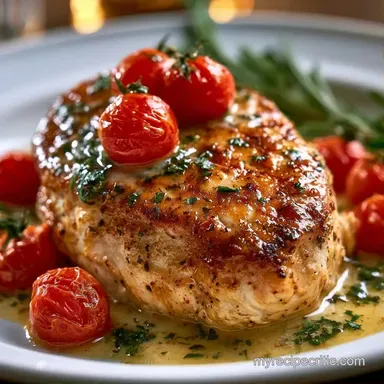
One-Pan Creamy Tuscan Chicken with Cherry Tomatoes
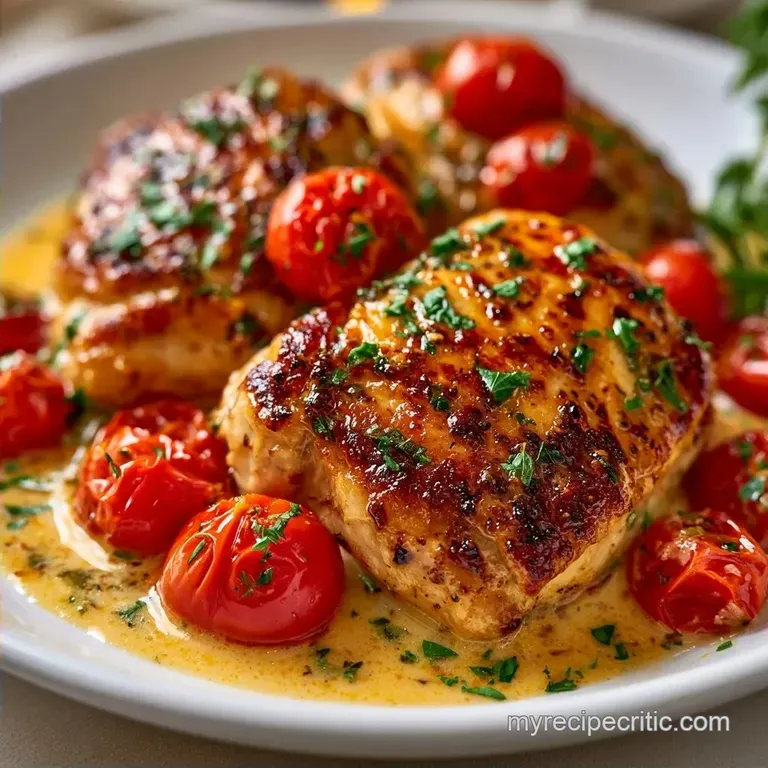
- Time: 10 min active + 35 min cooking
- Flavor/Texture Hook: Rich, savory sauce with burst cherry tomatoes
- Perfect for: Weeknight dinners or an impressive date night meal
- Easy One Pan Creamy Tuscan Chicken
- The Logic Behind the Sauce
- Ingredient Roles and Swaps
- Everything You Need
- From Pan to Plate
- Fixing Common Sauce Issues
- Troubleshooting Common Issues
- Adjusting the Batch Size
- Busting Kitchen Myths
- Storage and Waste Tips
- What to Serve Along
- Different Ways to Make it
- High in Sodium
- Recipe FAQs
- 📝 Recipe Card
Easy One Pan Creamy Tuscan Chicken
That first sizzle when the chicken hits the buttered pan is where the magic starts. I remember the first time I tried this, I didn't pat the chicken dry enough, and it steamed instead of searing. The result was a pale piece of meat that lacked that deep, savory crust.
Once I fixed that, this became my go to for when I want something that tastes like a fancy bistro but only uses one skillet.
You can expect a dish that feels heavy and comforting but gets a necessary lift from the acidity of the tomatoes. The sauce clings to the chicken and spinach, making every bite feel consistent. It's the kind of meal that smells like garlic and oregano filling the whole house before you even set the table.
This Creamy Tuscan Chicken Cherry Tomatoes version focuses on speed and flavor. We aren't doing a slow braise here. We are hitting the pan hard, building layers of flavor quickly, and finishing with fresh greens for a bit of color and earthiness.
The Logic Behind the Sauce
- Cream Cheese: It acts as a stabilizer. While heavy cream can sometimes split if it boils too hard, the cream cheese keeps the sauce smooth and thick.
- Deglazing: Scraping up those brown bits after searing the chicken adds a concentrated savory punch to the cream.
- Tomato Timing: Cooking the cherry tomatoes until they burst releases their natural pectin and juices, which naturally thicken the base.
| Method | Time | Texture | Best For |
|---|---|---|---|
| Fast (Sauté) | 45 mins | Glossy & Tight | Weeknight meals |
| Classic (Braise) | 1.5 hours | Brothy & Soft | Sunday dinner |
Ingredient Roles and Swaps
| Ingredient | What It Does | Best Swap |
|---|---|---|
| Heavy Cream | Provides the rich, pourable base | Full fat coconut milk (adds nuttiness) |
| Parmesan | Adds salt and a sharp, umami edge | Pecorino Romano (saltier, punchier) |
| Cream Cheese | Stabilizes the sauce and adds body | Mascarpone (sweeter, richer) |
| Spinach | Adds color and a fresh, iron rich taste | Kale (sturdier, needs more cook time) |
Everything You Need
- 4 (6 oz / 170g) boneless skinless chicken breasts Why this? Consistent thickness ensures even cooking
- 1 tsp (6g) salt
- ½ tsp (1g) black pepper
- 1 tbsp (15ml) olive oil
- 2 tbsp (28g) unsalted butter Why this? Adds flavor and helps the sear
- 3 cloves (9g) garlic, minced
- 1 cup (150g) cherry tomatoes, halved
- 3 cups (90g) fresh baby spinach
- 1 cup (240ml) heavy cream
- ½ cup (50g) grated Parmesan cheese
- 2 oz (56g) cream cheese, softened Why this? Prevents the sauce from separating
- 1 tsp (2g) dried oregano
- ½ tsp (1g) red pepper flakes
From Pan to Plate
- Pat the chicken breasts dry with paper towels. Season both sides with salt and pepper. Note: Dry meat sears better and browns faster
- Heat olive oil and butter in a 12 inch skillet over medium high heat until the butter foams.
- Add chicken and sear for 5-7 minutes per side until a deep golden brown crust forms and the internal temperature reaches 165°F (74°C). Remove chicken to a plate and let it rest.
- Lower heat to medium in the same skillet. Toss in the minced garlic and cherry tomatoes.
- Sauté for 3-4 minutes, stirring occasionally, until the tomatoes soften and their skins burst.
- Stir in the heavy cream, softened cream cheese, and dried oregano. Scrape up the brown bits from the bottom of the pan with a wooden spoon.
- Simmer for 2-3 minutes until the sauce thickens slightly, then stir in the Parmesan cheese until melted and smooth.
- Add the baby spinach to the sauce and stir until it begins to wilt (about 1 minute).
- Return the seared chicken and any resting juices back into the skillet.
- Spoon the sauce over the chicken and simmer for another 2 minutes to ensure everything is heated through.
Fixing Common Sauce Issues
If your sauce feels a bit off, it usually comes down to temperature or the order of ingredients. For instance, adding the cheese too early or using a heat that's too high can cause the fats to separate. This happens when the emulsion breaks, leaving you with oily streaks on top of your Creamy Tuscan Chicken.
Troubleshooting Common Issues
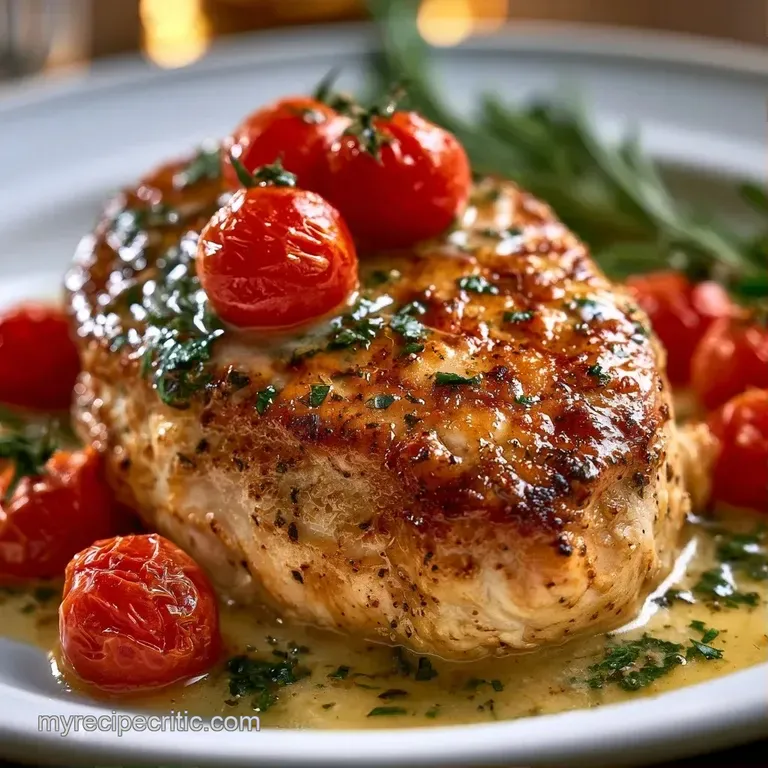
| Issue | Solution |
|---|---|
| Why Your Sauce Separated | This usually happens if the pan is too hot when the dairy goes in. If you see oil pooling, whisk in a tablespoon of warm water or a splash of chicken broth to bring it back together. |
| Why Your Chicken is Rubbery | Overcooking is the culprit. According to Serious Eats, chicken breast becomes dry and tough quickly after passing 165°F. Always use a meat thermometer. |
| How to Avoid Slimy Spinach | Don't add the spinach too early. If it boils in the sauce for too long, it loses its structure and becomes mushy. Stir it in at the very end just until it wilts. |
Adjusting the Batch Size
When you're making a smaller version of this Creamy Tuscan Chicken, don't just halve everything blindly. For a half batch (2 breasts), use a smaller 8 inch skillet. If the pan is too big, the sauce will spread too thin and evaporate too quickly, leaving you with a paste rather than a sauce.
Reduce the simmering time by about 20%.
For a double or triple batch, I highly recommend working in batches for the chicken. If you crowd the pan with 8 breasts, the temperature drops, and you'll end up boiling the meat in its own juices instead of searing it. Sear 4 breasts, remove them, then sear the next 4.
For the sauce, you can double the liquids, but only increase the salt and red pepper flakes to about 1.5x the original amount to avoid over seasoning.
If you're baking a larger quantity in the oven to finish, lower the temperature by 25°F (about 15°C) and extend the time by 10 minutes to ensure the center is cooked without burning the cheese on top.
Busting Kitchen Myths
One big myth is that searing the meat "locks in the juices." It doesn't. Searing is actually about flavor. It creates a brown crust that tastes savory, but moisture is lost regardless of whether you sear or poach. The real trick to juicy meat is not overcooking it and letting it rest.
Another common thought is that you need a professional reduction to get a thick sauce. While that works, using a stabilizer like cream cheese in this Creamy Tuscan Chicken gives you that same thickness in a fraction of the time without having to boil the cream for twenty minutes.
Storage and Waste Tips
Store any leftover Creamy Tuscan Chicken in an airtight container in the fridge for up to 3 days. The sauce might thicken quite a bit as it cools, which is normal. When you're ready to eat, reheat it in a skillet over medium low heat with a tiny splash of milk to loosen the sauce back up.
Avoid the microwave if you can, as it tends to heat the chicken unevenly and can make the sauce split. If you must use one, heat it in 30 second bursts and stir in between.
This dish doesn't freeze particularly well because the cream and cream cheese can grain up during the freezing and thawing process. However, if you really need to, you can freeze the seared chicken alone and make a fresh batch of sauce when you're ready to serve.
For zero waste, don't toss the stems of the spinach if you're using a bunch instead of baby spinach. Finely chop them and sauté them with the garlic at the start. The stems add a nice crunch and extra nutrients.
What to Serve Along
Since the sauce in this Creamy Tuscan Chicken is so rich, you want sides that can either soak up the extra liquid or provide a sharp contrast.
Pasta is the obvious choice. I love serving this over a bed of fettuccine or linguine. If you want something similar but a different shape, my Tuscan Ravioli is another great way to use these flavors.
For a lower carb option, roasted cauliflower or sautéed zoodles work great. If you're feeling like a full feast, a side of garlic mashed potatoes is a dream. The potatoes act like a sponge for the parmesan cream.
A simple side salad with a lemon vinaigrette is also a smart move to cut through the richness of the dairy.
Different Ways to Make it
You can easily tweak the profile of this Creamy Tuscan Chicken to fit what's in your pantry. If you have sun dried tomatoes on hand, swap out half the cherry tomatoes for them. The sun dried ones add a deeper, more concentrated tang that feels very traditional.
The Zesty Lemon Version
Squeeze half a lemon into the sauce right before adding the spinach. The acid brightens the whole dish and makes the cream feel lighter. This version is especially good if you're serving it with asparagus.
The Protein Swap
While chicken is the standard, this sauce works incredibly well with shrimp or salmon. For shrimp, sear them for only 2 minutes per side so they don't get rubbery. If you love creamy Italian flavors, you might also enjoy my Zuppa Toscana for a different take on the region's style.
The dairy-free Alternative
To make this without dairy, use full fat coconut milk instead of heavy cream and a dollop of cashew cream instead of cream cheese. Swap the parmesan for nutritional yeast to keep that salty, cheesy vibe. It changes the flavor slightly, but the texture remains rich.
The Spicy Kick
If the half teaspoon of red pepper flakes isn't enough for you, stir in a teaspoon of Calabrian chili paste when you add the garlic. It adds a fermented, fruity heat that pairs perfectly with the sweetness of the burst cherry tomatoes.
Right then, you've got everything you need to get this on the table. Just remember to keep an eye on that pan temperature and don't rush the sear. Once those tomatoes pop and the cheese melts in, you're golden. Trust me, your kitchen is about to smell incredible. Enjoy!
High in Sodium
965 mg 965 mg of sodium per serving (42% 42% of daily value)
The American Heart Association recommends a daily sodium limit of 2,300 mg, with an ideal limit of 1,500 mg for most adults to maintain heart health.
Tips to Reduce Sodium
-
Reduce Added Salt-25%
Omit or significantly reduce the 1 tsp of salt used for seasoning the chicken; the cheese already provides significant saltiness.
-
Swap the Parmesan-15%
Use a low-sodium Parmesan alternative or reduce the amount of grated cheese used in the sauce.
-
Lower-Sodium Cream Cheese-10%
Substitute the regular cream cheese with a low-sodium version or use a small amount of Greek yogurt for similar creaminess.
-
Boost Flavor with Aromatics
Increase the dried oregano or add fresh lemon juice and zest to enhance the flavor without adding any sodium.
Recipe FAQs
How do you use cherry tomatoes in this recipe?
Sauté them with minced garlic for 3-4 minutes. Stir occasionally over medium heat until the skins burst and the tomatoes soften.
Can I use cherry tomatoes instead of sun-dried tomatoes?
Yes, cherry tomatoes provide a fresher, juicier contrast. Halve them and sauté until they burst to create a natural sauce base.
How do I get a golden-brown crust on the chicken?
Sear in olive oil and butter over medium-high heat for 5-7 minutes per side. Wait until the butter foams before adding the chicken to ensure a deep crust.
What makes the sauce for the cherry tomatoes creamy?
A blend of heavy cream, softened cream cheese, and Parmesan. Simmer these with dried oregano for 2-3 minutes until the sauce thickens and smooths out.
Why did my creamy sauce separate?
The pan was likely too hot when the dairy was added. Whisk in a tablespoon of warm water to bring the emulsion back together.
What is the best side dish for Creamy Tuscan Chicken?
Serve it with a warm, chewy flatbread. This is the best way to soak up the extra sauce, similar to how our yogurt flatbread pairs with rich dips.
Is it true I should cook chicken breasts until they are completely white throughout?
No, this is a common misconception. Use a meat thermometer to pull the chicken at exactly 165°F (74°C) to prevent it from becoming rubbery.
One-Pan Creamy Tuscan Chicken