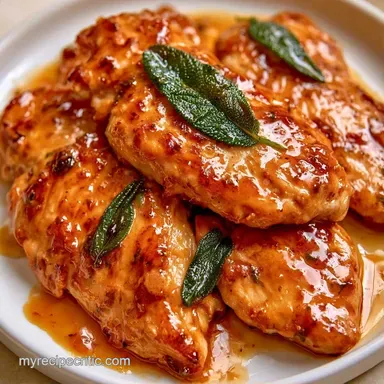
Autumn Chicken Breast with Maple Glaze
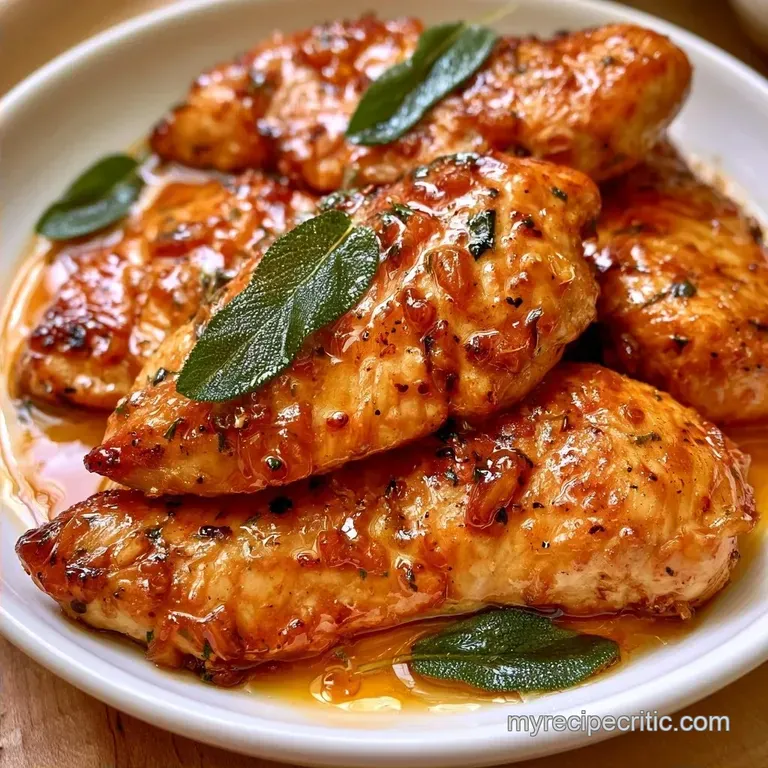
- Time: 10 min prep + 15 min cook
- Key Highlight: Crispy sage and maple glaze
- Perfect for: Weeknight dinner
There is nothing quite like the aroma of brown butter and fried sage sizzling in a hot cast iron skillet. It's the kind of fragrance that signals the arrival of cooler weather.
My early attempts at chicken were always overdone. I'd experiment with autumnal glazes, but the meat would become rubbery before the sauce reached the right consistency. I often wondered why I couldn't achieve that rich, mahogany sear seen in professional photos.
This Autumn Chicken Breast solves those problems. By utilizing a high-heat sear and precise basting timing, the maple syrup coats the meat perfectly without scorching. It's a straightforward method that delivers results.
Autumn Chicken Breast for Cozy Dinners
Pounding the meat: Making the breast a uniform thickness means the edges don't dry out while you wait for the center to hit 165°F.
The Basting Window: Adding butter and maple syrup only at the end prevents the sugars from scorching while the meat is still raw.
Cast Iron Heat: A heavy pan holds heat better, which creates a crust that locks in the flavor of the sage and garlic.
What Each Ingredient Does
| Ingredient | Role | If You Don't Have It |
|---|---|---|
| Unsalted Butter | Basting fat and nutty flavor | Ghee or coconut oil |
| Maple Syrup | Sweetness and glaze | Honey (will be thicker) |
| Fresh Sage | Earthy, autumnal aroma | Fresh thyme or rosemary |
The Shopping List
- 4 (6 oz / 170g) boneless, skinless chicken breasts Why this? Standard size ensures consistent 15 min cook time
- 1 tsp (5g) kosher salt
- 1/2 tsp (2g) black pepper
- 3 tbsp (42g) unsalted butter Why this? Pure butter creates the best foaming baste
- 2 tbsp (30ml) pure maple syrup Why this? Real maple has a distinct woodsy depth
- 8 fresh sage leaves
- 3 cloves (9g) garlic, smashed
- 1 tbsp (15ml) olive oil Why this? Higher smoke point than butter for the initial sear
Gear for the Kitchen
A 12-inch cast iron skillet is my top recommendation for achieving a deep, heavy sear. You'll also need a meat mallet for pounding and a large spoon for basting. To ensure the meat is pulled from the heat at the precise moment it is perfectly cooked, a digital meat thermometer is essential.
Step by step Cooking
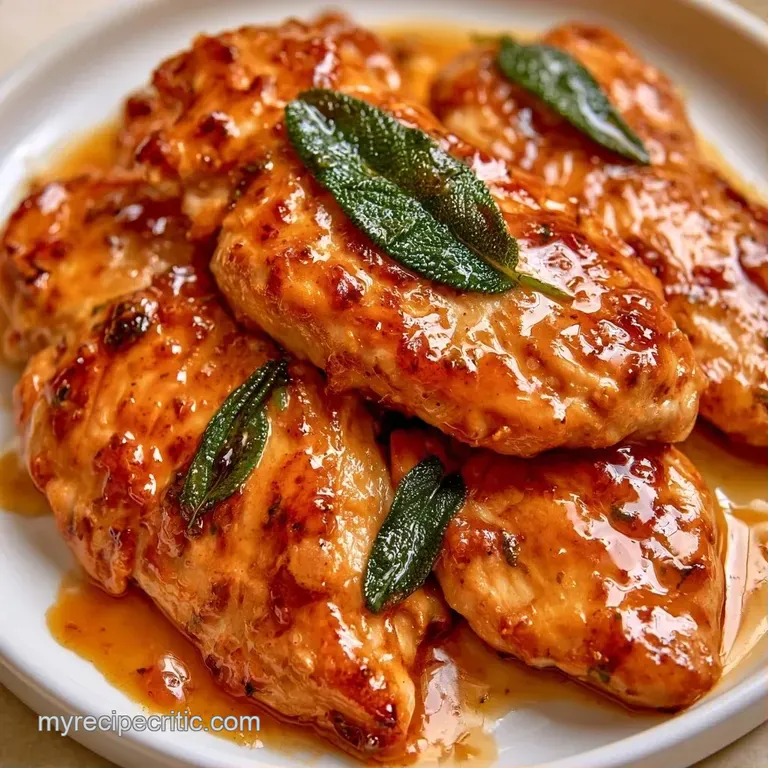
- Thoroughly dry the chicken breasts with paper towels. Note: Moisture causes meat to steam instead of sear.
- Use a meat mallet to flatten the thickest part of the breast to ensure a uniform thickness.
- Liberally season both sides with salt and black pepper.
- In a 12 inch cast iron skillet, heat olive oil over medium high until it shimmers and just starts to smoke.
- Lay the chicken in the pan and sear without moving for 5-7 minutes until a deep golden brown crust develops.
- Flip the chicken and sear for an additional 5 minutes.
- Turn the heat down to medium. Add the butter, smashed garlic, and fresh sage leaves.
- Drizzle the maple syrup over the meat once the butter foams and the sage turns crispy.
- Continuously baste the chicken with a large spoon and the bubbling butter for 2-3 minutes until it registers 165°F (74°C) inside.
Fixing Common Issues
When the chicken looks grey, it's usually a heat problem. If the pan isn't hot enough, the meat releases juice and boils in its own liquid. This kills the crust and makes the Autumn Chicken Breast taste bland.
Another issue is the maple syrup. If you add it too early, it turns into a black, bitter varnish before the chicken is cooked through. Wait for the butter to foam first.
Finally, if the meat feels rubbery, you've likely pushed past 165°F. Even two extra minutes in a hot cast iron pan can dry out a lean breast.
Grey Meat Syndrome
This happens when you overcrowd the pan. Give each breast at least an inch of space.
Burnt Glaze
Maple syrup has a low burn point. Only add it during the final 3 minutes of cooking.
Rubber Texture
Overcooking lean protein is easy. Pull the meat off the heat at 160°F and let carryover cooking take it to 165°F.
| Problem | Root Cause | Solution |
|---|---|---|
| Grey surface | Pan temperature too low | Wait for oil to smoke before adding meat |
| Bitter syrup | Sugar burnt in pan | Add syrup only during the basting phase |
| Dry interior | Cooked past 165°F | Use a thermometer and pull meat early |
The choice between the stove and the oven changes the result. Most people use the oven for ease, but the stovetop gives you way more control over the crust.
| Method | Cook Time | Crust Quality | Effort |
|---|---|---|---|
| Stovetop Baste | 25 mins | Deep Mahogany | High (Active) |
| Oven Roast | 45 mins | Pale Golden | Low (Passive) |
Keeping and Using Leftovers
Store the Autumn Chicken Breast in a closed glass jar; it keeps for 3 to 4 days when refrigerated. I would avoid freezing this recipe, as the maple glaze may develop an odd, grainy texture once thawed.
To minimize waste, save any remaining pan drippings, they're liquid gold. If you have leftover chicken, shred the meat and add it to a German Chicken Noodle Soup for a cozy lunch. Use the leftover sage stems in a vegetable stock.
How to Plate It
I like to slice the chicken on a bias to show off the juicy center. Pour the remaining brown butter and crispy sage leaves from the pan directly over the meat.
The contrast of the dark glaze against a white plate looks great. Pair this with some roasted carrots or a pile of mashed cauliflower to soak up that maple butter.
Other Flavor Ideas
Feel free to customize the flavor with these variations.
- Orchard Twist: Toss in a sliced apple while basting with butter.
- Harvest Spice: Season the chicken with a dash of cinnamon and paprika before searing.
- dairy-free: Use a high-quality vegan butter stick. It browns in a similar way, though the aroma is slightly different.
- Low Sugar: Use a small amount of honey and a splash of apple cider vinegar instead of maple syrup.
For those craving a spicy departure from these autumn notes, my Thai Yellow Chicken Curry is a wonderful alternative.
Quick Decision Guide
- Want more zest? → Stir in 1 tsp lemon zest at the finish
- Prefer it spicy? → Mix 1/2 tsp red pepper flakes into the butter
- Looking for a nuttier taste? → Brown the butter until it smells like hazelnuts
Some believe searing "seals in" the juices, but that is a misconception. Water evaporates no matter how you begin the cooking process. Searing is strictly for enhancing flavor, not creating a seal.
Another common belief is that chicken requires a 20-minute rest. While resting is beneficial, a thin, pounded breast only needs about 5 minutes for the juices to redistribute.
This Autumn Chicken Breast proves that a few simple ingredients, a hot pan, and a bit of patience with the butter can create a restaurant-quality meal. Grab your cast iron and start cooking.
Recipe FAQs
How to prepare boneless skinless chicken breasts for searing?
Pound the thickest part of the breast to an even thickness and season both sides with salt and pepper.
Tip: pat the meat completely dry with paper towels first to ensure a deep golden-brown crust.
Which side dishes pair best with autumn flavors?
Roasted root vegetables or a wild rice pilaf complement the maple and sage profile.
Tip: add a squeeze of fresh lemon to your greens to cut through the richness of the butter.
Can I substitute chicken breasts for thighs?
Chicken thighs are also a great option, though they need to sear longer than the 5-7 minutes required for breasts.
Tip: If you enjoyed this pan-searing method, try applying a similar approach to our crispy chicken parmesan.
Is it true that pounding meat is only for tenderness?
This one's false: pounding ensures the meat cooks evenly so the edges don't dry out before the center reaches 165°F.
Tip: place the chicken between two sheets of plastic wrap to prevent tearing the surface.
Autumn Chicken Breast in 25 Minutes