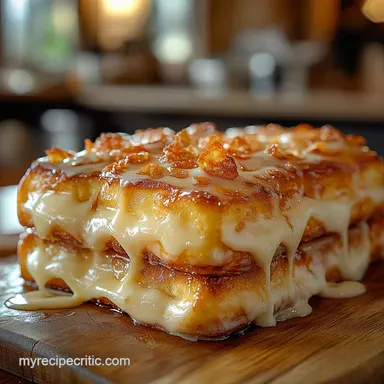
The Golden Standard Chefs Secret Brioche French Toast
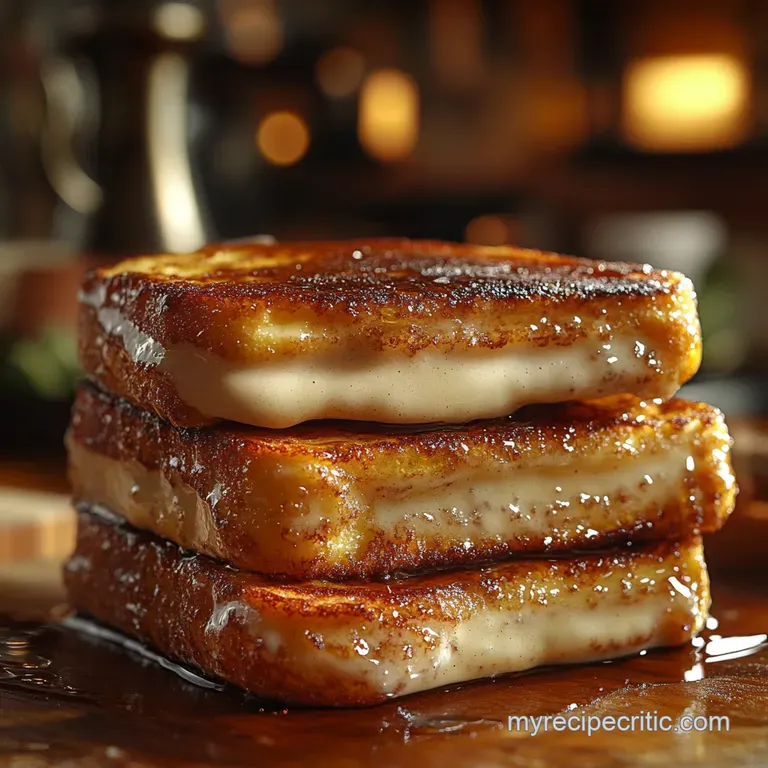
- The Secret to Seriously Stunning Sunday Brunch
- Getting Started: The Secret Weapons for a Truly Velvety French Toast
- Getting Started: The Secret to Avoiding Soggy Centres
- Creating the Velvety Custard Dream
- Expert Techniques: Cooking for the Crust
- Beyond the Pan: Making Your Thick-cut Brioche French Toast Experience Perfect
- Frequently Asked Questions
- 📝 Recipe Card
The Secret to Seriously Stunning Sunday Brunch
Let's be real. Have you ever made French toast that was just... meh? Honestly, I used to struggle so much.
Soggy middle, burnt edges, total disaster. That’s why I’m sharing my biggest culinary win! I finally cracked the code for the chef secret perfect french toast .
This isn't just standard breakfast fare. We are aiming for the perfect texture. We are solving the best french toast vs soggy dilemma once and for all.
The Golden Ratio for Velvety Toast
Forget your basic milk and egg wash. The trick is perfecting the French toast custard ratio . We use extra yolks and, crucially, a rich dose of brioche french toast heavy cream .
This makes the most luxurious, velvety french toast recipe you can imagine.
I learned this technique trying to replicate a famous New Orleans French Toast Recipe . The difference was night and day! It creates a perfectly caramelized crust.
Yet, the inside stays light and creamy.
Why Brioche is the Boss
You might wonder, What Is The Best Bread For French Toast ? The answer is simple: brioche or challah. Using thick-cut brioche french toast is non-negotiable here.
It's hearty. It stands up beautifully to a long soak.
This recipe works perfectly whether you're making French Toast For 2 or prepping for a crowd. It’s even manageable for a cozy Christmas French Toast Recipe .
Prep is quick, only about 10 minutes.
The Secret Ingredient is Patience
This dish is easy to medium difficulty. The actual cooking is easy. The key is patience. You must let the bread soak deeply. This ensures the custard penetrates right to the core.
It takes about 45 minutes total time. Most of that is passive soaking, though. You can actually prepare the slices ahead of time.
This makes it a great recipe if you want to try bakes french toast later! The high-fat content from the cream makes this satisfying.
It is rich, yes, but entirely worth the calories.
Ready to stop making mediocre morning meals? Let's dive into the simple ingredients needed for this incredible recipe.
Getting Started: The Secret Weapons for a Truly Velvety French Toast
Honestly, making the best french toast vs soggy mess starts right here. Forget complicated ingredients. We are going for quality over quantity.
This isn't just about throwing things in a bowl. It’s about building flavor layers. You know?
Essential Gear: No Faffing About
You don’t need a fancy gadget drawer for this chef secret perfect french toast . Keep it simple.
First, grab a shallow dish. It needs to be big enough to soak your bread slices fully. A good, heavy-bottomed non-stick skillet or a cast-iron griddle is essential.
Cast iron holds heat perfectly. This is key for achieving that golden-brown crust. Finally, the real game-changer: a wire cooling rack.
Please, trust me on this. If you put the cooked toast straight onto a plate, it will steam itself soft.
We want crisp edges! Don’t let your masterpiece turn into a squishy disappointment.
What Is The Best Bread For French Toast?
Listen up, the bread choice is the most important decision you’ll make. We aren't making a classic Bakes French Toast here.
For this ultra-luxurious version, you must use thick-cut brioche french toast or challah. Day-old is actually best! Stale bread is dryer, meaning it can absorb far more of that luscious custard without dissolving.
Think 1 inch (or 2.5 cm ) slices, minimum. If you want to make a quick French Toast For 2 , just halve these bread and custard amounts!
The Custard Ratio: Creamy Gold
This is where the magic happens. We need a rich, beautiful custard, the perfect French toast custard ratio . We are boosting the richness dramatically.
You’ll need 4 large eggs and 2 extra egg yolks. That added yolk is what gives us that beautiful, velvety french toast recipe texture inside.
Then comes the liquid. This is not the time for skimmed milk. We need ½ cup (120 ml) of whole milk and ½ cup (120 ml) of brioche french toast heavy cream .
The heavy cream prevents the texture from being rubbery. It’s what separates a decent breakfast from a destination brunch.
Flavour Enhancers and Spice Notes
I learned this trick from a friend who used to run a breakfast spot. For a flavour profile reminiscent of a beautiful New Orleans French Toast Recipe or even a warm Christmas French Toast Recipe , don’t skip the nutmeg!
Use 1 teaspoon (5 ml) of good vanilla extract and 1 teaspoon (5 ml) of cinnamon. But here is the genuine chef secret perfect french toast tip: use freshly grated nutmeg, just ¼ teaspoon (1 ml) .
And honestly, don't forget the salt! A pinch of fine sea salt, ¼ teaspoon (1.25 g) , cuts through the sweetness and elevates all the other flavours.
It stops the toast from tasting flat. Trust me, it makes all the difference.
Getting Started: The Secret to Avoiding Soggy Centres
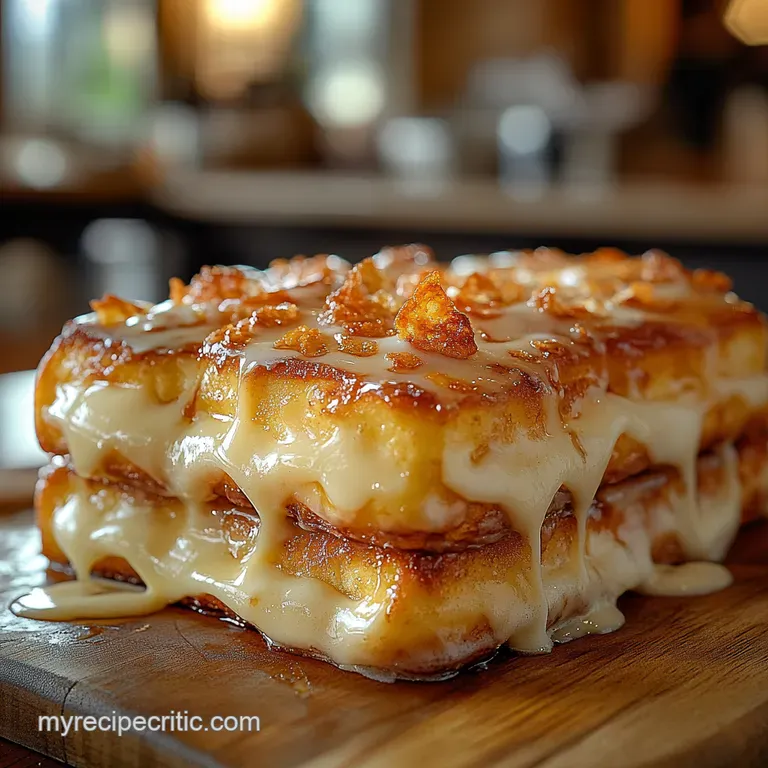
Honestly, the difference between great French toast and a damp, sad pile of bread starts right here. We're not running a race! We need proper mise en place .
That's just a fancy way of saying "get your ducks in a row." If you want chef secret perfect french toast , rushing is forbidden.
First up: the bread. Forget thin slices. We need that structural integrity. Slice your brioche about 1-inch thick. Trust me, using this thick-cut brioche french toast is essential for surviving the soak.
What Is The Best Bread For French Toast ? It’s definitely day-old brioche or challah. Day-old bread has less moisture, making it less likely to disintegrate when we start adding liquid.
Whisk your eggs and yolks vigorously in a shallow dish. This ensures the french toast custard ratio is perfect later.
Safety note: watch those little ones (and big ones!) around the stove. Turn those pan handles inwards before you even think about lighting the gas.
Creating the Velvety Custard Dream
The real magic happens when we make the custard base. To get that truly rich, velvety french toast recipe texture, you cannot skip the full-fat dairy.
I learned this lesson making a quick, disappointing batch for my neighbour, it tasted flat!
We are using a generous amount of brioche french toast heavy cream mixed with the whole milk. The fat content is the key to richness and creaminess.
Whisk in the sugar, vanilla, and crucially, that tiny bit of salt. Salt balances the sweetness and stops the finished toast from tasting sickly.
Now, the critical step that defines the difference between the best french toast vs soggy : the soak. Gently lay your thick slices into the custard.
Do not flip them immediately! Allow them to sit for a minimum of 15 minutes per side . Yes, 30 minutes total .
This is non-negotiable. This long soak ensures the custard fully permeates the centre.
Expert Techniques: Cooking for the Crust
We have soaked the bread perfectly; now we must cook it perfectly. This recipe works great whether you're just making a quick French Toast For 2 or planning a huge Christmas French Toast Recipe breakfast.
Pro Tip 1: The Butter/Oil Combo. Never use just butter! Butter burns at too low a temperature, leaving you with black edges and a raw middle.
Heat your pan over medium heat. Add 1 tablespoon of butter and 1 teaspoon of neutral oil. This gives you the flavour of butter but the high-heat stability of oil.
When the fat is shimmering, carefully lay the soaked slices down. Cook them slowly for 4–6 minutes per side.
Don’t rush the process! You want that deep golden, caramelised crust. Once flipped, cook the second side for about 3–4 minutes.
Once cooked, immediately transfer the toast to a wire rack set over a baking sheet. Seriously, do not stack them on a plate.
Stacking traps steam, and that crisp edge we worked so hard for will vanish. That rack is your defence against the dreaded soggy bottom!
Beyond the Pan: Making Your Thick-cut Brioche French Toast Experience Perfect
You’ve mastered the soak, nailed the slow cooking, and now you have a stack of golden perfection. Phew! But wait, how do you serve this beauty? And what about the inevitable leftovers?
Presentation & Plating Magic
This velvety french toast recipe deserves to shine, not just be dumped on a plate. Plating is key! To keep that beautiful, crisp edge, the reason why this is the best french toast vs soggy imitation, always dust your plate with powdered sugar before you put the toast down.
Honestly, don't stack them skyscraper-high unless you want condensation. Place two slices slightly overlapping. If I'm doing French Toast For 2 for a date, I usually top it with a dollop of crème fraîche, not whipped cream.
It's less sweet and really balances the richness. A few vibrant berries tossed haphazardly on the side completes the look.
Keeping the Crisp: Storage & Reheating
I’m going to level with you: classic pan-fried French toast is always best fresh. Always. Recipes like Bakes French Toast hold up better, but if you have leftovers, don’t fret.
Pop them in an airtight container and store them in the fridge for up to two days. Here is the golden rule: DO NOT microwave these slices.
Seriously. You will instantly turn that beautiful texture into rubbery sadness. To recapture some of the crispness, reheat them in a toaster oven or on a wire rack in a conventional oven (around 350° F / 180° C ) for about five minutes.
It works like a charm.
Swapping Ingredients & Seasons
While I am firm that What Is The Best Bread For French Toast is brioche, you can absolutely play around.
Dairy Swaps: If you need to cut the richness slightly or go dairy-free, swap the entire brioche french toast heavy cream and milk base for full-fat canned coconut milk.
It maintains that silky mouthfeel without the dairy. The results are phenomenal.
Seasonal Adjustments: If you’re making this for a cozy Christmas French Toast Recipe , try adding a tiny bit of orange zest and a pinch of ground cardamom to the custard.
It gives it that warm, New Orleans French Toast Recipe flavour profile that feels incredibly festive.
Simple Health Notes
Yes, we used plenty of butter and cream. This is definitely a weekend indulgence! However, because we focused on the strong French toast custard ratio using eggs and cream, you are getting a decent amount of protein and healthy fats.
It's fuel for a great day. Think of it as premium energy, a beautiful treat that fills you up.
Mastering the long soak and the chef secret perfect french toast technique means you’ve created something truly special. Enjoy every last bite!
Frequently Asked Questions
My French toast always burns before it’s cooked through. What’s the secret to that perfectly crisp, golden finish?
That's a classic niggle! The secret is the combination of fat and heat control. Use the chef's tip: the butter and oil 'Tango' (a 2:1 ratio). The oil raises the overall smoke point, letting the butter caramelise the sugar slowly on medium-low heat without turning black, giving you that beautiful, deep, golden crust while the creamy centre finishes cooking perfectly.
Don't rush the pan, patience is key!
I'm worried this recipe using brioche french toast heavy cream will be too rich. Can I swap the cream for something lighter, or do I need the full-fat stuff?
While this recipe embraces decadence, the heavy cream is doing important work! It provides essential fat that prevents the cooked custard from tasting rubbery or thin, ensuring that signature velvety smooth interior.
You can swap it for half-and-half or even richer oat milk if you must reduce the fat, but for the true 'Golden Standard' texture, the full-fat content is what truly elevates this brioche french toast heavy cream dish above the rest.
The recipe calls for a seriously long soak time, won't my brioche just turn into a soggy mess?
Not if you’ve followed the chef’s rule: use thick-cut (1-inch) bread that is a day or two old (slightly stale). Fresh brioche has too much moisture and will indeed fall apart, but slightly stale bread has the structure needed to absorb the custard fully.
This long, minimum 30-minute soak is the key to ensuring the centre is fully saturated, leading to a custardy, fluffy interior rather than a dry core surrounded by cooked crust.
Can I prep the custard the night before, or even soak the bread ready for a quick morning fry-up?
Definitely prep the custard base the night before; it keeps brilliantly in a sealed container in the fridge for up to two days, saving you serious faff in the morning. However, we strongly advise against soaking the bread overnight.
Even hardy brioche will begin to break down into a messy, unmanageable pulp, making it impossible to lift and fry cleanly. Stick to the 30-minute soak just before you intend to cook.
I’ve got a couple of leftover slices; what's the best way to reheat French toast so it doesn't get rubbery?
Never, ever use the microwave, that's a tragedy waiting to happen! The best way to bring back that lovely crispy exterior and keep the inside fluffy is to use a conventional oven or a toaster oven. Place the slices on a wire rack over a baking sheet and reheat at 350°F (180°C) for about 5-8 minutes.
This ensures the bottom doesn't steam, keeping things tip-top and crunchy.
My Ultimate brioche french toast heavy cream Chef Secret for Velvety Centers