Puff Pastry Quiche Recipe
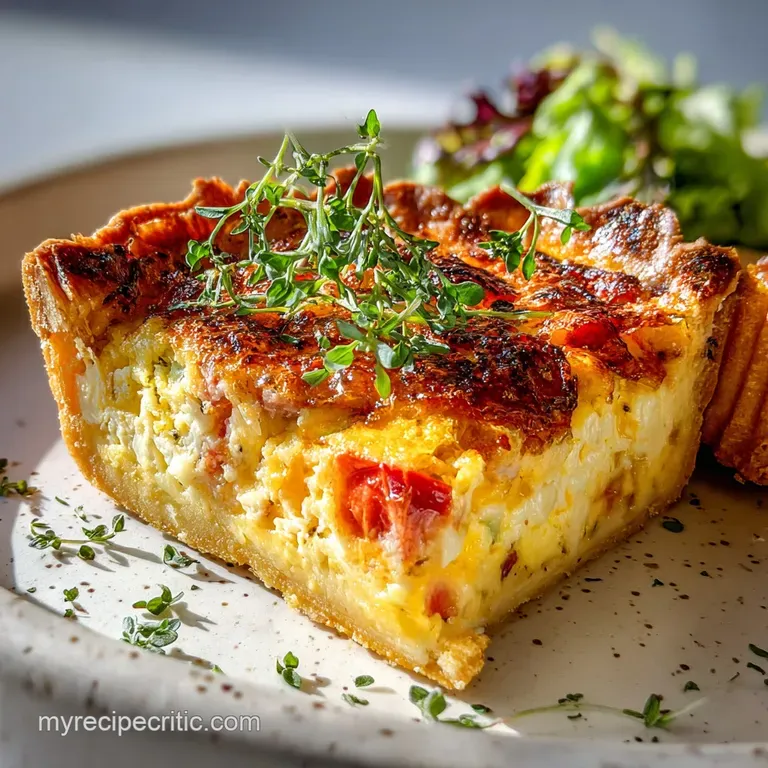
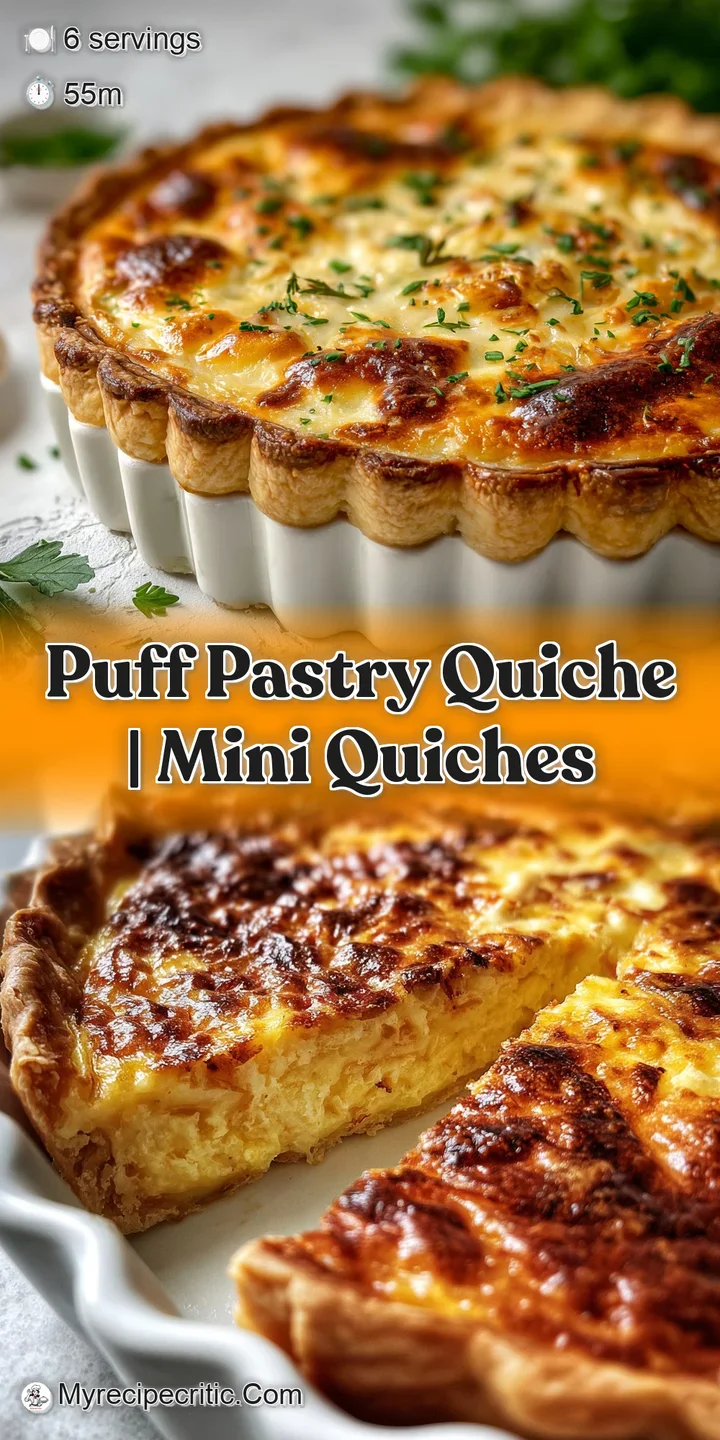
- Time: Active 20 minutes, Passive 35 minutes, Total 55 minutes
- Flavor/Texture Hook: Shatteringly crisp buttery base with a velvety, sharp cheddar custard
- Perfect for: Sunday brunch, cheap meal prep, or a "fancy" looking weeknight dinner
- The Secret to Flawless Puff Pastry Quiche
- Understanding the Science of Flaky Layers
- Budget Friendly Ingredients and Smart Swaps
- Essential Tools for the Best Results
- Simple Steps for a Golden Bake
- Avoiding Common Baking Pitfalls Easily
- Adjusting the Recipe for Any Crowd
- Clearing Up Myths About Working With Cold Pastry
- Keeping Your Leftovers Fresh and Tasty
- Best Side Dishes for This Meal
- Fixing Common Custard and Pastry Issues
- Recipe FAQs
- 📝 Recipe Card
Listen, if you’ve ever pulled a soggy, sad looking pie out of the oven, you’re not alone. I’ve been there, scraping damp dough off a glass dish more times than I care to admit.
But then I discovered the magic of using store-bought dough for this puff pastry quiche, and it changed my entire weekend routine.
This isn't your average dense, rubbery egg pie. We’re talking about a base that crackles when your fork hits it and a filling that stays light and airy. It looks like you spent hours laminating dough in a cold kitchen, but really, you were probably just sipping coffee while the oven did the hard work.
Trust me on this one: the trick isn't in expensive ingredients. It’s all about how we handle the heat and the moisture. Once you nail the ratio of eggs to milk, you’ll never go back to the heavy, grease laden versions.
Let’s get into why this actually works so you can stop worrying about the "soggy bottom" forever.
The Secret to Flawless Puff Pastry Quiche
The real magic happens the moment that cold pastry hits the hot oven. If you've ever wondered why some quiches are flat while others have that incredible lift, it comes down to thermodynamics. This method is much faster than the one used in my Breakfast Quiche recipe, making it the ultimate win for a busy morning.
- Steam Expansion
- The water trapped in the butter layers evaporates instantly in the heat, forcing the dough to rise and create those signature flaky gaps.
- Protein Matrix
- As the 6 large eggs heat up, the proteins uncoil and link together, trapping the milk and yogurt in a stable, wobbly structure known as a gel.
- Maillard Reaction
- The combination of amino acids in the bacon and sugars in the pastry creates that deep mahogany color and savory aroma we crave.
| Ingredient | Science Role | Pro Secret |
|---|---|---|
| all-butter Puff Pastry | Structural Base | Keep it ice cold until the very last second to ensure the butter doesn't melt before baking |
| Pasture raised Eggs | Emulsifier and Binder | Use room temp eggs to help them incorporate into the dairy without streaking |
| Plain Greek Yogurt | Acidic Stabilizer | The acid slightly weakens egg proteins, resulting in a more tender, less "rubbery" custard |
You might be tempted to skip the yogurt and just use more milk, but the yogurt provides a thick, creamy body without the high cost of heavy cream. It's a budget friendly move that actually improves the texture.
Understanding the Science of Flaky Layers
To get that shatter perfect crust, we have to treat the pastry with respect. Most people let it sit on the counter too long. If that butter gets soft, your layers will fuse together into a leaden sheet of grease. We want distinct, visible layers that snap when broken.
When you bake this, the internal temp of the custard should hit about 170°F. This ensures the eggs are fully set but haven't started to "weep" or leak water. If you overcook it, the proteins tighten too much and squeeze the moisture out, leaving you with a watery mess on the bottom of your crust.
| Feature | Puff Pastry Method | Classic Shortcrust |
|---|---|---|
| Texture | Multi layered and airy | Sandy, crumbly, and dense |
| Prep Time | Under 5 minutes | 30 minutes (chilling required) |
| Risk Level | Low (store-bought is consistent) | High (easy to overwork the dough) |
It is a night and day difference when you see how much taller a puff pastry quiche stands compared to a traditional one. The airiness of the pastry balances the richness of the bacon and sharp cheddar perfectly.
Budget Friendly Ingredients and Smart Swaps
For this recipe, we are using pantry staples that pack a punch. Sharp white cheddar is my go to because it has a lower moisture content than mild cheddar, which helps the custard set faster. If you’re looking for a different vibe, you could even try the filling style from my Pesto Mozzarella Puff recipe for a Mediterranean twist.
- 1 sheet (250g) all-butter puff pastry: Look for "all-butter" on the label for the best flavor.
- Substitute: Pie crust (it will be less airy but still works). Why this? It provides hundreds of flaky layers with zero effort.
- 6 large pasture raised eggs: These give the best golden color.
- Substitute: Standard large eggs. Why this? Eggs are the structural foundation of the custard.
- 1/2 cup whole milk: Don't use skim; you need the fat.
- Substitute: 2% milk. Why this? Provides the liquid base for the egg mixture.
- 1/4 cup plain Greek yogurt: This is our secret weapon for creaminess.
- Substitute: Sour cream or heavy cream. Why this? Adds tang and thickness on a budget.
- 4 strips thick cut bacon, diced: Adds salt and fat.
- Substitute: Diced ham or sautéed mushrooms. Why this? Bacon fat seasons the spinach and shallots.
- 1 cup sharp white cheddar: Freshly grated is a must.
- Substitute: Gruyère or Swiss cheese. Why this? Pre shredded cheese has cellulose that prevents smooth melting.
- 2 cups fresh baby spinach: It wilts down to almost nothing.
- Substitute: Kale or Swiss chard. Why this? Adds color and nutrients without overpowering flavor.
- 1 small shallot: Sweeter and milder than an onion.
- Substitute: The white part of 2 green onions. Why this? Melts into the custard for subtle savory notes.
Essential Tools for the Best Results
You don't need a high end French kitchen to make this, but a few specific items will make your life a whole lot easier. A standard 9 inch tart pan with a removable bottom is the gold standard here because it allows you to show off those beautiful fluted edges.
If you don't have a tart pan, a glass pie dish works, though you might need to add a few extra minutes to the bake time since glass is a slower conductor of heat than metal. I also highly recommend using a rimmed baking sheet underneath whatever pan you use.
Puff pastry likes to leak a little butter as it bakes, and nobody wants a smoky oven.
A balloon whisk is also better than a fork for the eggs. You want to incorporate a little bit of air to keep the filling light, but don't go crazy we aren't making a soufflé. Just whisk until no streaks of egg white remain.
Simple Steps for a Golden Bake
- Preheat the oven. Set your oven to 400°F. Note: High heat is non negotiable for that initial pastry "blast" of steam.
- Crisp the bacon. Sauté the 4 strips of diced bacon in a pan over medium heat for 6 minutes until brown and sizzling.
- Sauté the aromatics. Add the minced shallot and 2 cups of chopped spinach to the bacon fat. Cook for 2 minutes until the spinach is completely wilted.
- Prepare the pastry. Roll the cold puff pastry sheet onto a lightly floured surface. Fit it into your 9 inch pan, pressing gently into the corners.
- Trim the edges. Run your rolling pin over the top of the tart pan to cut off the excess dough cleanly.
- Whisk the custard. In a medium bowl, combine 6 eggs, 1/2 cup milk, 1/4 cup yogurt, 1/2 tsp sea salt, 1/4 tsp pepper, and 1/8 tsp nutmeg. Whisk for 1 minute until smooth and pale yellow.
- Layer the fillings. Spread the bacon, shallot, and spinach mixture evenly over the bottom of the pastry. Sprinkle 1 cup of white cheddar on top.
- Pour the eggs. Carefully pour the egg mixture over the fillings. Use a fork to gently nudge the ingredients so they are submerged.
- Bake the quiche. Place on the middle rack for 30 to 35 minutes until the center is set and the pastry is deep golden brown.
- Cool and slice. Let it rest for 10 minutes before removing from the pan. This allows the custard to finish setting so you get clean slices.
Avoiding Common Baking Pitfalls Easily
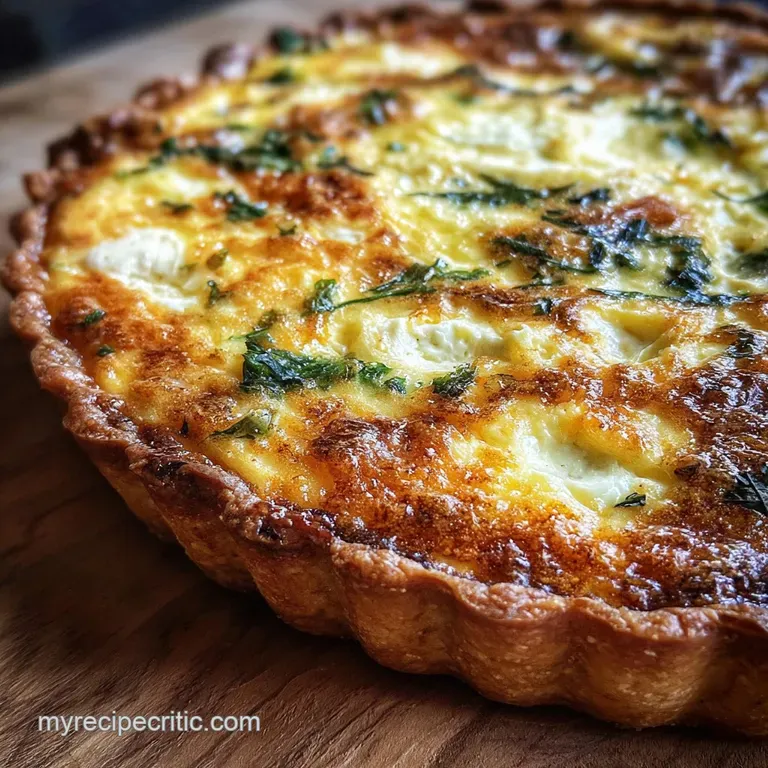
The biggest heartbreak in quiche making is the "Soggy Bottom." This happens when the moisture from the filling soaks into the raw dough before it has a chance to crisp up. To prevent this, make sure your spinach is squeezed dry after sautéing. Any extra water is the enemy of a crisp crust.
Another issue is the pastry shrinking down the sides of the pan. This usually happens because the dough was stretched too tightly. When puff pastry is stretched, the gluten wants to snap back like a rubber band in the heat.
Preventing a Weeping Custard
If you see liquid pooling on your plate after you slice the quiche, it’s likely overbaked. When eggs cook too long, the proteins tighten so much they squeeze out the water. Pull the quiche out when the center still has a very slight jiggle it will finish firming up as it cools on the counter.
Managing Pastry Shrinkage
Always give your dough a "slack" fit. When you put it in the pan, lift the edges and let the dough fall into the corners rather than pushing it down. Let it hang over the edge slightly before trimming to account for the minor pull back that happens in the oven.
| Problem | Root Cause | Solution |
|---|---|---|
| Pastry is raw on bottom | Oven temp too low or too much filling moisture | Bake on a preheated pizza stone or bottom rack for the first 15 mins |
| Custard is grainy | Eggs were overcooked and curdled | Check internal temp at 30 mins; pull at 170°F |
| Top browning too fast | Sugar/fat in pastry caramelizing quickly | Tent loosely with foil for the last 10 minutes of baking |
Adjusting the Recipe for Any Crowd
If you’re cooking for a larger group, don’t just double the bake time. That’s a recipe for burnt edges and a raw center. Instead, use two separate pans. If you want a more bite sized version for a party, you can follow the method in my Proper Flaky Mini recipe, which uses a muffin tin to create individual portions.
Scaling Down for Two
If you only need a small meal, cut the pastry sheet in half and use a small toaster oven sized baking dish. Reduce the eggs to 3 and the dairy by half. The bake time will usually drop by about 5 to 7 minutes, so start checking it at the 20 minute mark.
Doubling for a Crowd
When doubling, use two 9 inch pans. You can whisk the egg mixture in one large batch, but sauté the bacon and spinach in two batches to avoid crowding the pan. Crowded pans lead to steamed meat rather than crispy, browned bits.
Chef's Note: If you're using a convection oven, drop the temp by 25°F. The fan circulates air so efficiently that the pastry will brown before the eggs can set if you leave it at 400°F.
Clearing Up Myths About Working With Cold Pastry
One of the most persistent myths is that you need to "blind bake" puff pastry for quiche. While you do this for traditional pie dough, puff pastry is different. Because it's so thin and fatty, it actually cooks quite fast. If you blind bake it fully, it will likely burn by the time the eggs are done.
A hot oven and a metal pan are usually enough to get a crisp bottom.
Another misconception is that you need heavy cream for a "real" quiche. Honestly, don't even bother with the heavy cream if you have Greek yogurt or sour cream. The acidity in the yogurt actually makes for a more stable custard that doesn't feel as heavy or cloying after a few bites.
Finally, some people think you can't use frozen spinach. You absolutely can! Just make sure it is completely thawed and you squeeze it in a clean kitchen towel until it’s bone dry.
If you skip the squeezing, you’re basically adding a quarter cup of green water to your custard, which is a one way ticket to a soggy mess.
Keeping Your Leftovers Fresh and Tasty
Storage is a breeze, but how you reheat it makes all the difference. This puff pastry quiche will stay good in the cold storage for up to 3 days. Whatever you do, do not use the microwave to reheat it unless you want a rubbery crust.
- Storage: Wrap tightly in foil or place in an airtight container once completely cool.
- Reheating: Place slices on a baking sheet in a 350°F oven for 8 to 10 minutes. This brings back the "shatter" in the crust that the refrigerator takes away.
- Freezing: You can freeze the baked quiche for up to 2 months. Thaw it overnight in the cold storage before reheating in the oven.
For a zero waste tip, save the pastry scraps! Brush them with a little bit of the leftover egg wash, sprinkle with cinnamon sugar, and bake them alongside the quiche for 10 minutes. They make the best little "chef's snack" while you wait for the main event to finish.
Best Side Dishes for This Meal
Since this quiche is quite rich and buttery, I always pair it with something bright and acidic. A simple arugula salad with a lemon vinaigrette is my go to. The peppery bite of the greens cuts right through the cheddar and bacon.
If you’re doing a full brunch spread, these crispy treats go beautifully with fresh fruit or a light yogurt parfait. If you're looking for something more substantial, you could even serve it alongside an Elephant Ear Pastry recipe for a sweet and savory bakery style experience.
- Fresh Greens: Arugula or spinach with a sharp balsamic dressing.
- Roasted Tomatoes: Half some cherry tomatoes, drizzle with olive oil, and roast them in the oven at the same time as the quiche.
- Light Soup: A chilled gazpacho or a light tomato basil soup makes this a perfect lunch.
Fixing Common Custard and Pastry Issues
Sometimes things go sideways, even for pros. If your quiche comes out looking like a balloon, don't panic. That’s just the air in the puff pastry doing its job. It will settle down within a few minutes of leaving the oven into a beautiful, rustic looking tart.
If you notice the edges of your pastry are getting very dark but the center is still liquid, you can "shield" the edges. Just wrap a little strip of aluminum foil around the rim of the pan. This reflects the heat away from the delicate pastry while allowing the custard to keep cooking.
Addressing Center Jiggle Issues
If the timer goes off and the center looks like liquid water, your oven might be running cold. Give it another 5 minutes, but check the temperature with an instant read thermometer. You’re looking for 170°F.
If it’s above that and still looks wet, it’s actually not water it’s fat from the cheese and bacon that hasn't re absorbed yet.
Rescuing a Stuck Crust
If you didn't use a removable bottom pan and the first slice is sticking, run a thin knife around the edge while the quiche is still warm. Sometimes the cheese bubbles over and "glues" the pastry to the side. A little heat from the oven for 60 seconds can often soften that cheese enough to release the slice.
| Problem | Cause | Fix |
|---|---|---|
| Egg filling is rubbery | Too many eggs or overbaked | Use exactly 6 eggs and pull when the center has a slight jiggle |
| Pastry tastes like flour | Oven temp was too low | Ensure preheat hits 400°F to fully cook the starch |
| Filling is too salty | Bacon and cheese combined | Use unsalted butter or "sea salt" carefully; the cheese provides a lot of salt |
And there you have it! This is the most reliable way I've found to get a bakery quality meal on the table without losing your mind. Once you get the hang of the pastry to egg ratio, you'll start coming up with your own fillings but the bacon and cheddar combo is a classic for a reason.
Let me know how yours turns out!
Recipe FAQs
Can you use puff pastry for a quiche?
Yes, absolutely! Puff pastry makes a wonderfully light and flaky crust for quiche, offering a delightful contrast to a rich custard filling. It's much faster and easier than making traditional shortcrust pastry.
Do you need to pre-cook puff pastry for a quiche?
No, generally you do not need to pre-cook (blind bake) puff pastry for a quiche. Its high fat content and moisture will cause it to puff up beautifully and cook through as the quiche bakes. Baking it at a high temperature initially ensures a crisp bottom.
Can I make mini quiche with puff pastry?
Yes, mini quiches are fantastic with puff pastry! You can cut puff pastry into squares or circles to fit into muffin tins, creating individual, bite sized quiches. If you're scaling down, consider the method used in our Proper Mini Chicken Pot Pies Recipe No Soggy Bottoms Made in a Muffin Tin for portioning guidance.
Can puff pastry sheet cook for pie or quiche?
Yes, a standard sheet of puff pastry is perfect for quiches and sweet pies. You can line a pie dish or tart pan directly with it. For a sweet variation, see how we use puff pastry in our Peach Puff Pastry Squares My Easy Cream Dream Recipe to achieve a delightful crispness.
What is the secret to a non-soggy puff pastry quiche bottom?
The secret is a hot oven and ensuring your filling ingredients are not watery. Start the quiche at a high temperature (around 400°F or 200°C) to promote rapid puffing and crisping of the pastry. Squeeze excess moisture from ingredients like spinach or pre-cook very wet vegetables.
Can I substitute a traditional pie crust for puff pastry in a quiche recipe?
Yes, you can substitute a traditional pie crust, but the texture will be different. Puff pastry offers airy, flaky layers, while a traditional crust provides a denser, more crumbly base. If you're used to the texture of a classic quiche, a standard pie crust will work perfectly fine.
How do I prevent puff pastry from shrinking too much in a quiche?
Don't stretch the puff pastry too tautly when lining the dish. Allow it to settle loosely into the corners and overhang the edges slightly before trimming. This gives the gluten in the dough room to relax rather than aggressively contract during baking.
Puff Pastry Quiche
Ingredients:
Instructions:
Nutrition Facts:
| Calories | 364 kcal |
|---|---|
| Protein | 17.2 g |
| Fat | 24.7 g |
| Carbs | 18.2 g |
| Fiber | 0.8 g |
| Sugar | 2.1 g |
| Sodium | 485 mg |
