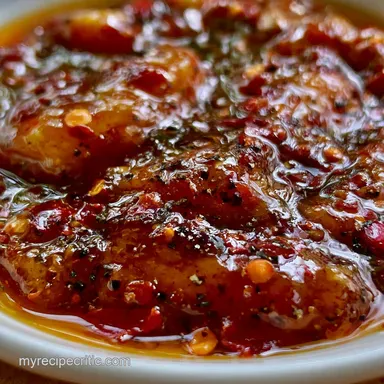
Peppery Tomato Salad Dressing: Zingy and Punchy
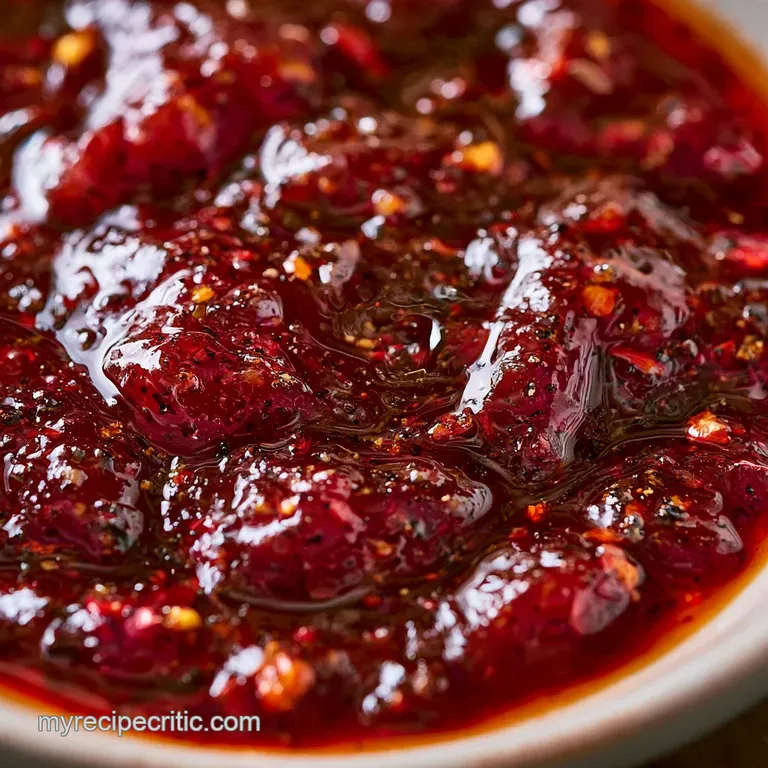
- Time:10 minutes active = Total 10 minutes
- Flavor/Texture Hook: Velvety, zingy, and punchy
- Perfect for: Summer garden salads, meal prep, or as a marinade for grilled shrimp
Ever had that moment where you bite into a fresh summer tomato and it's just... flat? I remember this one August afternoon, the air was thick and humid, and I had a bowl of the most beautiful heirloom tomatoes.
I threw on some basic oil and vinegar, but it tasted thin, like it was just sitting on top of the vegetables instead of hugging them. I needed something with a bit of "oomph", so I reached for the tomato paste and a heavy hand of cracked black pepper.
The smell hit me instantly - that concentrated, sun dried aroma of the paste mixing with the sharp, woody scent of fresh pepper. It transformed the whole bowl. Suddenly, the salad wasn't just a side dish, it was the main event.
I've spent a lot of time messing around with vinaigrettes, and this is the one that actually sticks to the leaves without making them soggy.
You're going to love how this Peppery Tomato Salad Dressing brings a deep, savory quality to your greens. It's not your average light vinaigrette; it's got a weight to it that feels satisfying. Trust me on this, once you add that bit of honey to cut through the vinegar, you'll never go back to the store-bought stuff.
How Peppery Tomato Salad Dressing Works
The Thickening Agent: Tomato paste acts as a stabilizer, giving the dressing a velvety body that prevents the oil and vinegar from separating immediately.
The Flavor Bridge: Honey doesn't make it sweet, but it rounds off the sharp edges of the red wine vinegar, creating a smoother transition between the acid and the heat.
The Heat Layering: Using both black pepper and red pepper flakes creates two different types of spice, one that hits the back of the throat and one that lingers on the tongue.
The Acid Balance: Combining lemon juice with red wine vinegar provides a more complex brightness than using just one acid source.
| Method | Time | Texture | Best For |
|---|---|---|---|
| Jar Shake | 2 mins | Slightly coarser | Quick weeknight meals |
| Whisked | 5 mins | Silky smooth | Dinner parties/Plating |
| Blended | 3 mins | Ultra uniform | Maximum cling |
Right then, let's look at what's actually happening inside the jar. Most people think you need mustard to keep a dressing together, but the pectin in tomato paste does a brilliant job of holding those oil droplets in place. According to Serious Eats, the goal of any vinaigrette is to create a stable emulsion where the fat is evenly dispersed.
Component Analysis
| Ingredient | Science Role | Pro Secret |
|---|---|---|
| Tomato Paste | Body & Umami | Use a double concentrated brand for deeper color |
| Red Wine Vinegar | Primary Acid | Room temperature vinegar blends faster than cold |
| Extra Virgin Olive Oil | Fat/Mouthfeel | Use a fruity oil to complement the tomato |
| Honey | Emulsifier/Balance | Warm it for 5 seconds if it's too thick to pour |
The Building Blocks
For this recipe, I suggest using a high-quality olive oil. Don't even bother with the "light" versions here; you want that grassy, robust flavor to stand up to the pepper. If you're looking for other ways to jazz up your greens, you might enjoy my Recipe in 5 Min for a different vibe.
- 1 tbsp (16g) tomato paste Why this? Adds thickness and a savory, sun ripened depth
- 1 tsp (5g) honey Why this? Balances the acid and helps the oil bond
- 1 tsp (2g) freshly ground black pepper Why this? Provides the signature woody heat
- ½ tsp (1g) red pepper flakes Why this? Adds a subtle, sharp spicy kick
- ½ tsp (1g) garlic powder Why this? Consistent flavor without the bite of raw garlic
- ½ tsp (3g) sea salt Why this? Enhances all other savory notes
- ½ cup (120ml) extra virgin olive oil Why this? Provides a velvety texture and richness
- ¼ cup (60ml) red wine vinegar Why this? Strong acid that cuts through the fat
- 1 tbsp (15ml) fresh lemon juice Why this? Adds a bright, citrusy top note
| Original Ingredient | Substitute | Why It Works |
|---|---|---|
| Red Wine Vinegar | Apple Cider Vinegar | Similar acidity. Note: Slightly sweeter and fruitier profile |
| Honey | Maple Syrup | Same viscosity. Note: Adds a distinct autumnal, woody sweetness |
| Olive Oil | Avocado Oil | Neutral fat. Note: Less flavor, better for over high heat marinades |
| Tomato Paste | Thick Tomato Puree | Similar base. Note: Thinner consistency; use 2 tbsp instead |
Easy Assembly Steps
Let's crack on with the actual making. I prefer using a wide mouth mason jar for this because it doubles as your storage container.
- Scoop the tomato paste into your jar or bowl. Note: Use a rubber spatula to get every bit out.
- Stir in the honey, black pepper, red pepper flakes, garlic powder, and sea salt.
- Whisk the mixture until a thick, smooth paste forms and no lumps of honey remain.
- Pour in the red wine vinegar and the fresh lemon juice.
- Stir vigorously until the tomato paste is fully dissolved and the liquid looks uniform.
- Slowly stream in the extra virgin olive oil while whisking constantly. Note: Adding oil too fast can cause the dressing to split.
- If using a jar, seal the lid tightly and shake vigorously for 30 seconds until the mixture is velvety and opaque.
- Taste the dressing with a leaf of lettuce to check the balance.
- Let it sit for 5 minutes to allow the dried spices to hydrate.
Chef's Note: If you want an even punchier flavor, try adding a pinch of my Homemade Italian Seasoning Blend to the initial paste mix. It adds a herbal layer that works beautifully with the tomato.
Fixing Common Problems
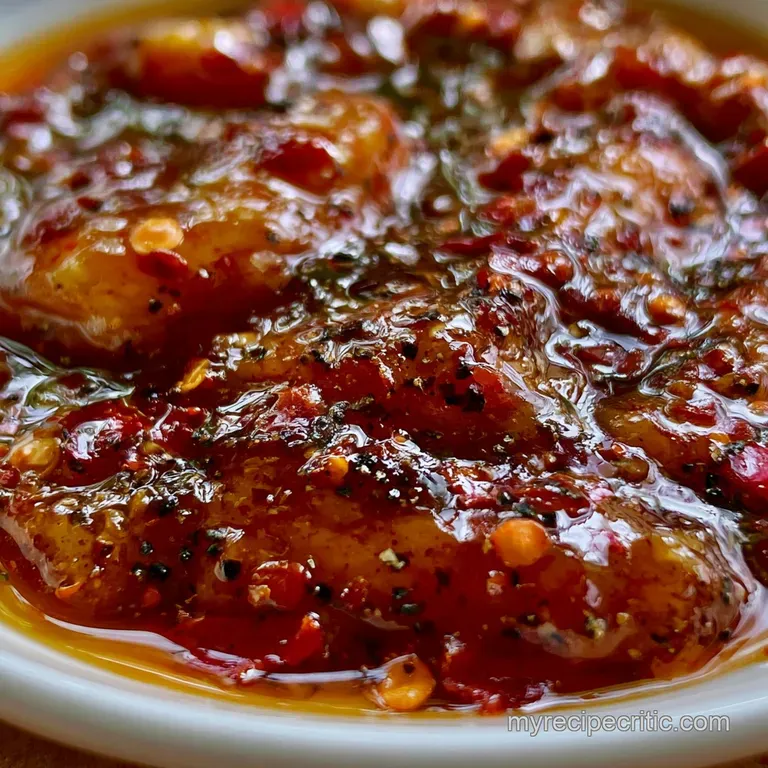
Even with a simple recipe, things can go sideways. Usually, it's a matter of ratios or temperature.
Troubleshooting Common Issues
| Issue | Solution |
|---|---|
| Why Your Dressing Separated | This usually happens if the oil was poured in too quickly or if the dressing sat for a few hours. Since this is a homemade emulsion, a little separation is normal. Just give it a hard shake for 10 sec |
| Why Your Dressing Tastes Bitter | If the olive oil is too "grassy" or if you overdid the black pepper, it can lean bitter. A tiny bit more honey or a squeeze of extra lemon juice usually fixes this by distracting the palate. |
| Why Your Dressing Is Too Spicy | Red pepper flakes vary wildly in heat. If it's too aggressive, don't add more vinegar - add more olive oil. Fat is the best way to neutralize capsaicin. |
Quick Success Checklist:
- ✓ Whisked the paste into a smooth slurry before adding oil.
- ✓ Used room temperature ingredients for a better bond.
- ✓ Shook the jar until the color was completely uniform.
- ✓ Tasted on a salad leaf, not a spoon (spoon tastes more acidic).
- ✓ Used freshly ground pepper rather than pre ground powder.
Adjusting Batch Sizes
When you're making this for a crowd, you can't always just multiply everything by four. Spices and acids can become overwhelming if scaled linearly.
Cutting the Recipe (Half Batch): For a small salad, just halve everything. Since you're using a smaller volume, the emulsion happens faster. Use a small 8oz jar to ensure there's enough friction during the shaking process.
Scaling Up (3x or 4x): When making a large batch of Peppery Tomato Salad Dressing, increase the oil and vinegar exactly, but only increase the salt and red pepper flakes to about 2.5x or 3x. You can always add more heat at the end, but you can't take it out.
Also, reduce the total olive oil by about 10% if you find the large batch feels too greasy.
| Goal | Adjustment | Expected Result |
|---|---|---|
| Extra Zing | +1 tbsp Lemon Juice | Sharper, brighter finish |
| Creamier | +1 tsp Dijon Mustard | Thicker, more stable emulsion |
| Milder | -1/2 tsp Red Pepper | Subtle warmth instead of a kick |
Common Dressing Misconceptions
You'll hear a lot of advice about vinaigrettes that just isn't true. Let's clear some things up.
First, some people think you must use a blender to get a "professional" texture. That's not true. A mason jar and a bit of elbow grease create a perfectly velvety result. Blenders can actually over aerate the oil, making it foam up.
Second, there's a myth that you should always use a 3:1 oil to vinegar ratio. While that's a good starting point, it's not a law. In this recipe, the tomato paste adds its own volume and acidity, so we use a slightly different balance to ensure it doesn't taste like straight vinegar.
Storage Guidelines
Since this dressing uses fresh lemon juice and tomato paste, you need to keep it chilled. Store it in an airtight glass jar in the fridge for up to 7 days. The olive oil might solidify slightly in the cold, which is normal.
Just leave it on the counter for 10 minutes or run the jar under warm water to loosen it up.
For zero waste, don't throw away the remnants at the bottom of the jar. Once you've used most of the dressing, toss in some chopped garlic and a splash of soy sauce. It turns into a great marinade for tofu or chicken breasts. You can also use the leftover bits to glaze roasted carrots in the oven.
Serving Suggestions
This dressing is versatile, but it really shines when paired with high water-content vegetables. I highly recommend the "Ultimate Cucumber Tomato Pepper Salad" - just chop cucumbers, cherry tomatoes, and bell peppers, then toss them in this dressing.
The Peppery Tomato Salad Dressing clings to the smooth skin of the cucumbers and makes the whole thing pop.
For protein, this is a sleeper hit as a marinade. Use it on shrimp or scallops for 30 minutes before searing them in a hot pan. The honey in the dressing caramelizes slightly, giving the seafood a beautiful crust.
It also works as a dip for raw crudités like cauliflower and radishes, where the peppery notes balance the bitterness of the veg.
Recipe FAQs
What dressing goes best with tomato salad?
A peppery, acid-forward vinaigrette. The boldness of tomato paste and red wine vinegar cuts through the natural sweetness of ripe tomatoes. If you enjoyed the bold acid balance here, see how the same principle works in our basil chimichurri.
How do you make a cucumber and tomato salad?
Slice fresh cucumbers and tomatoes, then toss them with the dressing. Let the salad sit for 10 minutes before serving to allow the flavors to meld properly.
What should I do if the dressing separates?
Give the jar a hard shake for 10 seconds. Since this is a homemade emulsion, a little separation is normal if the dressing has sat for a few hours.
How to fix a dressing that tastes too bitter?
Stir in a tiny bit more honey or a squeeze of extra lemon juice. This balances the palate if the olive oil is too grassy or the black pepper is too dominant.
Is it true that homemade dressings like this cannot be stored in the fridge?
No, this is a common misconception. You can store this dressing in an airtight glass jar in the refrigerator for up to 7 days.
What do I do if the dressing solidifies in the refrigerator?
Leave the jar on the counter for 10 minutes. You can also run the jar under warm water to quickly loosen the olive oil.
How to reduce the spice level of the dressing?
Decrease the amount of red pepper flakes. Use a smaller pinch or omit them entirely if you prefer a milder flavor profile.
Peppery Tomato Salad Dressing (10 Min)