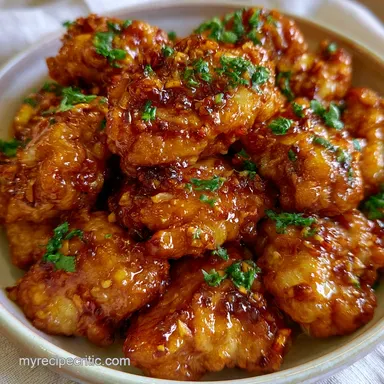
Honey Garlic Chicken Thighs: Better Than Takeout

- Time: 10 min active + 20 min cook = Total 30 minutes
- Flavor/Texture Hook: Shatter crisp edges with a velvety, sticky glaze
- Perfect for: Fast weeknight dinners or beginner cooks
- Easy Honey Garlic Chicken Thighs
- Why the Sauce Sticks
- The Ingredient List
- The Gear You Need
- Component Analysis
- Cooking Step by Step
- Fixing Common Problems
- Troubleshooting Common Issues
- Customizing Your Flavor
- Scaling the Recipe
- Kitchen Myths
- Storage and Leftovers
- Plating Your Dish
- High in Sodium
- Recipe FAQs
- 📝 Recipe Card
The second that chicken hits a hot cast iron skillet, that loud, aggressive sizzle is the sound of victory. There is nothing quite like the smell of honey and soy sauce bubbling up and clinging to browned meat.
It fills the whole kitchen in a way that actually makes you forget about the pile of laundry waiting in the other room.
I used to make the mistake of using chicken breasts for this, thinking I was being healthy. Big mistake. They always ended up dry and rubbery, like I was chewing on a pencil eraser. Switching to boneless, skinless thighs changed everything.
They can handle the heat, they stay juicy, and they soak up that glaze in a way that breasts just can't.
You can expect a dish that hits every note: salty, sweet, and a little bit tangy. It's a one pan situation, which means your sink won't be completely overflowing by the time you sit down to eat. We're going for a deep, golden brown crust on the meat and a sauce that is thick enough to coat a spoon.
Easy Honey Garlic Chicken Thighs
Right then, let's get into it. The goal here is to get a hard sear on the meat first. If you throw the sauce in too early, the honey will burn before the chicken is actually cooked. We want to build layers of flavor, starting with a salty crust and finishing with a syrupy glaze that looks like liquid gold.
Trust me on this: patting the chicken dry is the most important part of the whole process. If there is moisture on the surface, the meat will steam instead of sear. You'll end up with grey, sad chicken instead of that gorgeous brown crust. I usually use about half a roll of paper towels just to be sure.
This recipe is a lifesaver because it uses basic pantry staples. You probably already have the soy sauce and honey sitting there. It's the kind of meal that feels fancy but actually takes less effort than ordering takeout. Let's crack on with how this actually works.
Why the Sauce Sticks
Since we're working with honey, we're essentially making a quick candy glaze. When you simmer the sauce, the water evaporates, leaving behind concentrated sugars that bind to the protein.
- Sugar Reduction: Honey boils down into a thick syrup, creating a sticky coating that clings to the meat rather than sliding off.
- Salt Balance: Soy sauce provides the savory counterpoint, ensuring the dish doesn't taste like dessert.
- Acid Cut: The apple cider vinegar breaks through the richness of the chicken fat, keeping the flavor bright.
- Garlic Infusion: Adding the garlic just before the liquid prevents it from burning, which would make the sauce taste acrid.
| Method | Time | Texture | Best For |
|---|---|---|---|
| Fast Skillet | 30 mins | Sticky & Seared | Busy Weeknights |
| Classic Oven | 60 mins | Tender & Uniform | Sunday Dinner |
| Slow Cooker | 6 hours | Fall apart Soft | Meal Prep |
The Ingredient List
Here is the breakdown of what you'll need. I've listed the exact amounts from my tested version. Don't bother with low sodium soy sauce unless you really have to, as the salt is what makes the honey pop.
For the Chicken
- 1.5 lbs boneless, skinless chicken thighs Why this? High fat content prevents drying out
- 1 tsp salt Why this? Basic flavor enhancer
- 1/2 tsp black pepper Why this? Adds a subtle bite
- 1 tbsp olive oil Why this? High smoke point for searing
For the Honey Garlic Glaze
- 1/3 cup honey Why this? Natural thickener and sweetener
- 2 tbsp soy sauce Why this? Adds deep umami and salt
- 3 cloves garlic, minced Why this? Fresh is non negotiable here
- 1 tbsp apple cider vinegar Why this? Balances the sugar
- 1/4 tsp red pepper flakes Why this? Tiny bit of heat
For the Garnish
- 1 tbsp toasted sesame seeds Why this? Adds a nutty crunch
- 2 stalks green onions, thinly sliced Why this? Freshness and color
| Original Ingredient | Substitute | Why It Works |
|---|---|---|
| Honey (1/3 cup) | Maple Syrup (1/3 cup) | Similar viscosity. Note: Adds a distinct woody sweetness |
| Soy Sauce (2 tbsp) | Tamari (2 tbsp) | gluten-free alternative. Note: Slightly richer flavor |
| Apple Cider Vinegar | Rice Vinegar | Milder acidity. Note: More traditional Asian profile |
| Olive Oil | Avocado Oil | Even higher smoke point. Note: Better for very high heat |
The Gear You Need
You don't need a fancy kitchen for this, but a few specific tools make a world of difference. If you don't have a cast iron skillet, a heavy stainless steel pan will work. Avoid non stick pans if you can, as they don't develop that same deep crust.
I highly recommend using a set of tongs rather than a fork. If you poke holes in the chicken, you're letting the juices escape. Tongs allow you to flip the meat without compromising the interior.
Also, a small bowl for mixing your glaze ingredients beforehand will save you from scrambling while the pan is screaming hot.
For those who love a bit of precision, a meat thermometer is a great tool. According to USDA guidelines, chicken is safe at 165°F, but thighs are actually more tender when taken slightly higher, around 175°F, because the connective tissue breaks down further.
Component Analysis
Before we start cooking, it's helpful to understand how these ingredients behave in the pan. This isn't just about mixing things together; it's about timing.
| Ingredient | Science Role | Pro Secret |
|---|---|---|
| Honey | Glaze Base | Heat slowly to avoid scorching |
| Soy Sauce | Salinity/Color | Add after searing for deep mahogany hue |
| Garlic | Aromatics | Sauté for exactly 30 seconds for peak flavor |
| AC Vinegar | pH Balancer | Cuts through the "heavy" feel of the honey |
Cooking step by step
Let's get this moving. Follow these steps exactly to ensure you don't burn your garlic or end up with soggy chicken.
- Pat the chicken thighs completely dry with paper towels. Note: Wet chicken won't brown.
- Season both sides generously with salt and pepper.
- Heat olive oil in a cast iron skillet over medium high heat until it shimmers.
- Add thighs in a single layer and cook for 5–7 minutes per side until deep golden brown. Note: Don't move them until they release naturally from the pan.
- Lower the heat to medium.
- Stir in the minced garlic and cook for 30 seconds until fragrant.
- Pour in the honey, soy sauce, apple cider vinegar, and red pepper flakes.
- Simmer for 3–5 minutes, spooning the sauce over the chicken continuously until the liquid transforms into a thick syrup.
- Remove from heat and garnish with toasted sesame seeds and thinly sliced green onions.
Chef's Note: If you want a more intense flavor, try adding a teaspoon of grated fresh ginger to the glaze. It adds a zesty brightness that pairs beautifully with the honey.
Fixing Common Problems

Even the best of us mess up sometimes. Maybe your sauce is too runny or your garlic tastes like a charcoal briquette. Don't panic; it's usually an easy fix.
Troubleshooting Common Issues
| Issue | Solution |
|---|---|
| Why Your Sauce is Too Runny | This usually happens if the heat was too low or you didn't simmer long enough. The honey needs to reach a certain temperature to reduce and thicken. If it's too thin, just keep simmering for another 2 |
| Why Your Garlic Tastes Bitter | Garlic burns incredibly fast. If you added it while the pan was still at "sear" temperature, it likely scorched. Next time, lower the heat first. If it's already bitter, you can try adding a tiny pinc |
| Why Your Chicken is Rubbery | This is the classic "overcooked breast" problem, but with thighs, it usually happens if you crowd the pan. If too many pieces are in there, the temperature drops, the chicken releases water, and it bo |
Common Mistakes Checklist
- ✓ Did you pat the chicken dry?
- ✓ Did you wait for the oil to shimmer before adding meat?
- ✓ Did you leave the chicken alone for 5-7 minutes to sear?
- ✓ Did you lower the heat before adding the garlic?
- ✓ Is the sauce thick enough to coat the back of a spoon?
Customizing Your Flavor
Once you've nailed the basic honey garlic chicken thighs, you can start playing with the flavor profile. I love adding a splash of orange juice to the glaze for a citrusy twist. It makes the whole dish feel a bit lighter and fresher.
If you're looking for a side dish to go with this, some steamed bok choy or a simple bowl of jasmine rice is the way to go. For those who prefer a different chicken method entirely, my crock pot pulled chicken is a fantastic option for when you want to set it and forget it.
You can also swap the red pepper flakes for Sriracha if you want a more integrated heat. If the sauce feels too heavy or sweet, try serving it with a side of something acidic, like a salad dressed with zesty Greek dressing, which cuts right through the richness.
Diet Adaptations
- Low Carb: Replace honey with a sugar-free maple syrup alternative and use coconut aminos instead of soy sauce.
- dairy free: This recipe is naturally dairy-free, so no changes needed.
- Extra Spicy: Increase red pepper flakes to 1 tsp and add a diced habanero with the garlic.
Scaling the Recipe
When you're cooking for a crowd, you can't just multiply everything by four and hope for the best. The physics of the pan change when you add more meat.
Scaling Down (Half Batch) If you're just cooking for two, use a smaller skillet (about 10 inches). Reduce the cooking time by about 20% because the pan will heat up and cool down faster. Use half the ingredients, but don't skimp on the salt.
Scaling Up (Double or Triple Batch) Do NOT crowd the pan. If you put 3 lbs of chicken in one skillet, you'll end up with a grey, boiled mess. Work in batches. Sear half the chicken, remove them to a plate, and then sear the second half.
Once all the meat is browned, put it all back in the pan to simmer in the glaze.
For the sauce, you don't need to double the liquids exactly. Start with 1.5x the sauce and add more if the chicken isn't fully coated. Too much sauce can lead to a long reduction time, which might overcook the meat.
Kitchen Myths
There are a few things people tell you about searing meat that are just plain wrong. Let's clear the air.
Myth: Searing "seals in the juices" This is the biggest lie in the kitchen. Searing doesn't create a waterproof barrier. In fact, meat loses more moisture during a over high heat sear than during slow cooking. The reason we do it is for the flavor and the color, not to keep the meat juicy.
Myth: You must use bone in thighs for flavor While bone in thighs are great, boneless ones work perfectly for this recipe. Because we're using a heavy glaze, the flavor comes from the sauce, not the bone. Boneless is just way faster and easier to eat.
Storage and Leftovers
These honey garlic chicken thighs keep surprisingly well. Store them in an airtight container in the fridge for up to 4 days. The glaze actually sinks into the meat more as it sits, making the leftovers almost as good as the fresh batch.
For the freezer, you can freeze cooked thighs for up to 2 months. Just make sure they are completely cooled before freezing to avoid ice crystals. When you're ready to eat them, thaw them in the fridge overnight and reheat them in a pan with a splash of water to loosen the glaze.
Zero Waste Tips Don't throw away the bits of garlic or onion ends. I keep a "scrap bag" in the freezer for vegetable stock. Also, if you use bone in thighs, save those bones in the freezer for a homemade chicken broth.
Even the leftover glaze in the pan can be used to flavor a quick batch of stir fry vegetables the next day.
Plating Your Dish
To make this look like it came from a high end bistro, don't just dump the chicken on a plate. Start with a bed of fluffy rice or sautéed greens. Place the thighs on top, overlapping them slightly.
Spoon the remaining glaze from the pan directly over the meat so it glistens under the light. The contrast of the mahogany brown chicken against the bright green of the sliced onions and the white of the sesame seeds is what makes it look professional.
Finish it off with a final sprinkle of sesame seeds. If you have a bit of fresh parsley or cilantro, a few leaves on the side add a pop of color that makes the whole plate feel complete. Serve it immediately while the sauce is still velvety and the edges of the chicken are still slightly crisp.
High in Sodium
1080 mg 1080 mg of sodium per serving (47% 47% of daily value)
The American Heart Association recommends a daily sodium limit of no more than 2,300 mg for most adults to maintain heart health.
Tips to Reduce Sodium
-
Reduce Added Salt-25%
Eliminate or halve the 1 tsp of salt. Since soy sauce is already salty, the extra salt is often unnecessary.
-
Swap Soy Sauce-20%
Replace regular soy sauce with low-sodium soy sauce or coconut aminos to drastically cut the salt contribution.
-
Boost the Acidity-10%
Increase the apple cider vinegar or add a squeeze of fresh lime juice to mimic the 'sharpness' of salt.
-
Amplify Aromatics
Increase the amount of minced garlic and red pepper flakes to add more bold flavor without increasing sodium.
Recipe FAQs
How do I make honey garlic chicken thighs?
Pat thighs dry, season, and sear in olive oil for 5–7 minutes per side. Lower the heat, sauté minced garlic for 30 seconds, then simmer with honey, soy sauce, apple cider vinegar, and red pepper flakes for 3–5 minutes until the sauce thickens into a syrup.
Are chicken thighs good for diabetics?
No, they should be consumed in moderation. The honey used in the glaze is a concentrated sugar that can cause significant blood glucose spikes.
Are chicken thighs bad for LDL cholesterol?
Yes, they contain more saturated fat than chicken breasts. This higher fat content can contribute to increased LDL cholesterol levels if eaten frequently.
What are some common honey chicken mistakes?
Burning the garlic or under-reducing the sauce. Adding garlic while the pan is still at searing temperature makes it bitter, and failing to simmer for the full 3–5 minutes prevents the glaze from thickening.
Can I freeze these chicken thighs?
Yes, for up to 2 months. Ensure the chicken is completely cooled before storing in an airtight container to prevent ice crystals from forming.
Why is my honey garlic sauce too runny?
The heat was likely too low or the simmer time was too short. Honey must reach a specific temperature to reduce; simply continue simmering for another 2 minutes until it coats the meat.
Is it true that garlic must be added at the start of searing for the best flavor?
No, this is a common misconception. Garlic burns rapidly at high searing temperatures and becomes bitter; adding it after the chicken is browned ensures a sweet, fragrant flavor. If you enjoyed mastering this timing, see how similar heat control works in our yellow chicken curry.
Honey Garlic Chicken Thighs in 30 Minutes