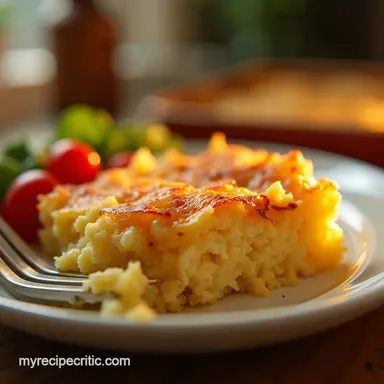
The No Fuss Golden Morning Hashbrown Breakfast Casserole
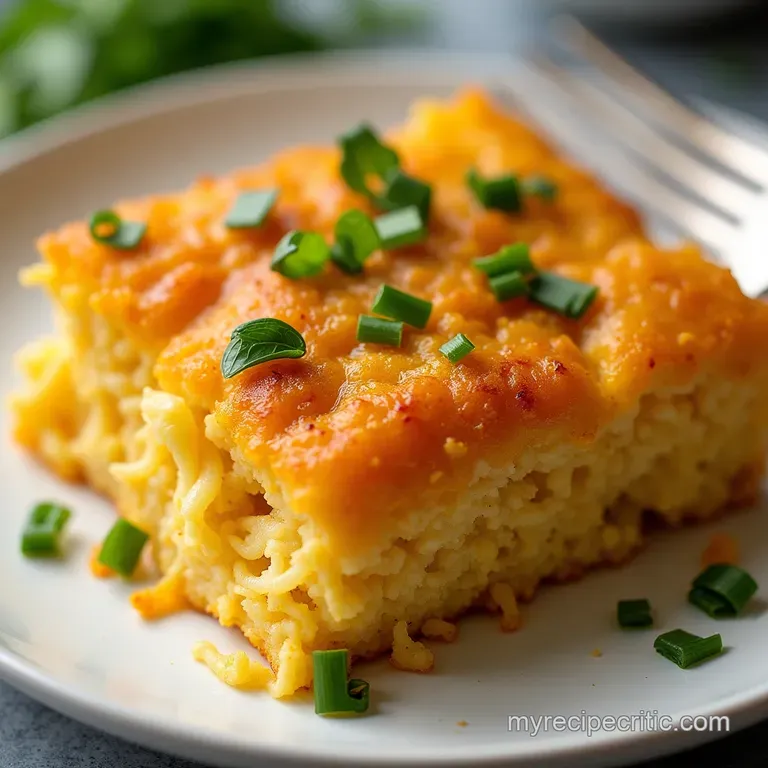
- Why This Hashbrown Breakfast Casserole Reigns Supreme on Brunch Day
- The Secret to Crispy Edges and a Creamy Center
- Assembling Your Components for Perfect Potato Bake Synergy
- Essential Tools for Flawless Casserole Construction
- Step-by-Step Guide to Layering Your Morning Masterpiece
- Baking Kinetics: Achieving Golden Brown Perfection
- Transforming Leftovers: Repurposing Your Hearty Casserole
- Variations to Customize Your Family Favorite
- Recipe FAQs
- 📝 Recipe Card
Why This Hashbrown Breakfast Casserole Reigns Supreme on Brunch Day
There are few dishes that command the same level of universal appeal at a gathering as a perfectly executed breakfast bake. When guests are milling about, anticipating that first satisfying bite, nothing settles the mood quite like a substantial, golden creation straight from the oven.
This specific Hashbrown Breakfast Casserole isn't just a collection of ingredients; it’s a time honoured tradition made simple. Forget the frantic stovetop juggling required for traditional breakfast fare; this recipe consolidates the best parts fluffy eggs, creamy cheese, and that essential potato crunch into one glorious, easy-to-manage dish.
It truly simplifies the entire brunch hosting experience.
The Secret to Crispy Edges and a Creamy Center
Achieving that coveted textural contrast a slightly caramelized, crisp potato edge set against a soft, moist interior is what separates a good casserole from a legendary one. Many recipes rush this process, resulting in an undercooked or soggy base.
Our approach focuses on a strategic, two-stage baking process that respects the potato’s need for structure before introducing the rich, wet custard. This careful layering and timing ensure every slice holds together beautifully, providing that satisfying resistance when you cut into it.
The Ultimate make-ahead Solution for Lazy Mornings
One of the greatest assets of this Overnight Breakfast Casserole design is its inherent adaptability to preparation schedules. While it bakes beautifully fresh, the true magic lies in its capacity to be assembled the night before.
By taking the time to layer the potatoes, cheese, and even the uncooked custard into the dish, you eliminate 90% of the morning’s work. You simply pull it from the fridge, allow it a brief period to reach room temperature, and pop it into the oven.
This feature transforms hectic weekend mornings into genuinely relaxing occasions, ensuring you have more time for that second cup of coffee.
Flavor Profile: A Symphony of Cheese, Eggs, and Potato Crunch
The flavour profile here leans into satisfying, comforting familiarity, reminiscent of that classic diner experience. We enhance the simple combination of eggs and potato with sharp cheddar cheese, whose tang cuts through the richness perfectly.
A subtle background note is added via Dijon mustard and Worcestershire sauce within the custard base, elements that elevate the standard savoury mix without overpowering the core ingredients.
If you opt to include traditional additions, like Breakfast Hashbrowns with Sausage or crumbled bacon, the smoky, salty notes deepen the entire experience considerably.
Setting Expectations: What Makes This Recipe Special
This recipe delivers a structure and flavour that closely mimics the most beloved comfort food bakes think along the lines of that famous Southern chain favorite, the Cracker Barrel Hashbrown Casserole .
However, by preparing it from scratch, we maintain complete control over the fat content and seasoning. This Easy Hashbrown Breakfast Casserole is designed to be robust enough for hearty appetites, yielding a full eight generous servings that are guaranteed to satisfy even the most discerning brunch attendees.
Assembling Your Components for Perfect Potato Bake Synergy
Before we even think about the oven, we must organize our building blocks. A successful bake relies on correctly preparing the main textural elements. The key to this assembly is the foundational layer: the seasoned potatoes. They need thorough preparation to achieve their crisp goals.
Once that base is secure, we move to the creamy binder the egg custard which acts as the glue holding everything together with the cheese.
Essential Tools for Flawless Casserole Construction
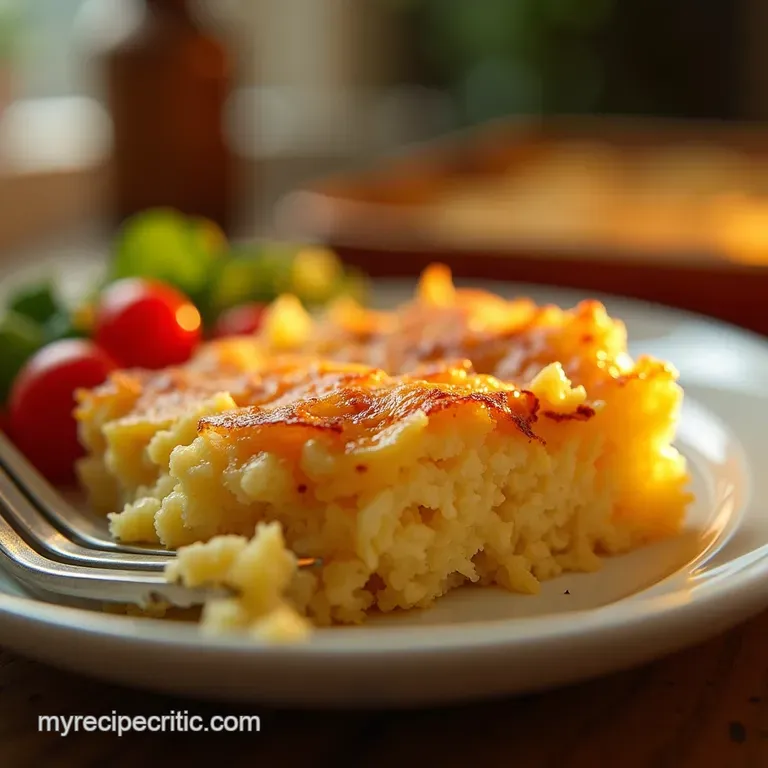
While the ingredient list is straightforward, having the right equipment streamlines the process significantly. You will primarily need two large mixing bowls one dedicated solely to the potato base and the other for whisking the custard.
A sturdy whisk is essential for achieving an airy yet well incorporated egg mixture. Crucially, you must have a reliable 9x13 inch baking dish, as this size provides the ideal depth-to-surface area ratio for optimal cooking.
The Starches and Dairy: Necessary Components for Richness
For the base, we utilize frozen shredded hashbrowns, which are remarkably convenient. However, the melted unsalted butter coating these potatoes is vital; it acts as the initial fat barrier, helping them crisp up rather than steam during the bake.
The custard component calls for whole milk or 2% milk; using a richer dairy product ensures the final texture isn't watery but instead creamy and decadent when set around the potatoes and meat (if adding Hashbrown Breakfast Casserole with Ham ).
Seasoning Secrets: Elevating the Flavor of Your Hashbrown Breakfast Casserole
Simplicity in seasoning can often lead to bland results, which we are actively avoiding here. Alongside the salt and pepper, the inclusion of garlic powder in the potato layer infuses a foundational savoury depth right from the bottom up.
In the liquid custard, a touch of Dijon mustard and Worcestershire sauce adds that hard-to-place umami and tanginess that makes people ask, "What is in this?" It’s these small flavour additions that truly define this excellent Hashbrown Breakfast Casserole Recipe .
What Size Casserole Dish Delivers Optimal Results?
The 9x13 inch (or equivalent 3-quart) baking dish is the standard recommendation for this volume of ingredients. This size ensures that the potato layer forms a manageable crust thickness thick enough to provide structure but thin enough to become crisp during the initial bake.
If you use a smaller dish, the mixture will be too deep, leading to a much longer bake time and a very high probability of a soggy center, regardless of how well you dry your potatoes.
Related Recipes Worth Trying
- Golden Harvest Creamy Corn Pudding Casserole Recipe — Forget dry cornbread This Southern Corn Pudding casserole is creamy custardy and simple to make for any Sunday roast Get the foolproof recipe now
- Velvet Cloud Cream Cheese Corn Casserole Recipe — Forget dry corn bakes This Cream Cheese Corn Casserole recipe yields a velvety spoonable side with the perfect cheesy top Foolproof comfort food here
- The Best Hashbrown Breakfast Casserole Recipe — Tired of soggy breakfasts This Hashbrown Breakfast Casserole recipe delivers creamy layers and truly golden crisp edges Make this 9x13 beauty ahead of time
Step-by-step Guide to Layering Your Morning Masterpiece
The assembly process moves logically from dry preparation to wet incorporation. First, preheat your oven and thoroughly grease your chosen dish. The absolute non-negotiable first step for this Hash Brown Egg Casserole is moisture removal from the thawed hashbrowns; squeeze them fiercely using a kitchen towel to extract all excess liquid.
Once dry, toss them with the melted butter and seasonings, pressing them firmly into the bottom of the prepared dish. Then comes the first crucial bake a 20-minute session at 375° F ( 190° C) to establish that crispy foundation.
While this sets, you whisk together your eggs, milk, and flavour agents. After the potato base has firmed up, you sprinkle half of your sharp cheddar cheese over the warm potatoes, followed by any pre-cooked meats.
Finally, you gently pour the liquid custard mixture over this structure, ensuring it seeps down slightly, and then top everything with the remaining cheese.
Baking Kinetics: Achieving Golden Brown Perfection
The time the casserole spends in the heat is where the chemical transformation happens, binding the layers into a single, cohesive dish. Precision here ensures that you move from liquid to set without burning the edges.
Prepping the Potatoes for Optimal Crispness
As mentioned, the initial 20-minute blast at a slightly higher temperature ( 375° F/ 190° C) serves a singular purpose: creating a pre-set crust. This prevents the potatoes from dissolving into the custard below.
When you pull it out for the second stage, immediately drop the oven temperature to 350° F ( 175° C). This lower, sustained heat allows the eggs to set slowly and evenly without scrambling the top layer before the center is cooked.
Combining the Custard Base: Ensuring an Even Mix
When mixing your egg and milk base, whisk only until the yolks and whites are just combined with the liquid. If you incorporate too much air, the casserole will dome dramatically in the oven and then collapse as it cools, leading to a less attractive final product.
A gentle incorporation ensures a denser, smoother final texture, which pairs wonderfully with the crunchy potatoes.
Baking Temperatures and Times: Mastering the Internal Cook
Baking at 350° F ( 175° C) for approximately 30 to 40 minutes should achieve completion. You’ll know it’s ready when the centre looks mostly set and firm, with only a slight jiggle remaining the visual indicator of perfection.
For absolute certainty, use a thermometer; the internal temperature must register 165° F ( 74° C) to confirm the eggs are fully cooked and safe to consume.
The Final Rest: Why You Must Let It Sit Before Serving
Resist the urge to slice immediately! Allowing the Hashbrown Breakfast Casserole to rest on the counter for a minimum of ten minutes post bake is essential. This resting period allows the set custard structure to firm up fully, preventing it from weeping or falling apart when you cut into it.
This short waiting time ensures clean, appealing slices ready for the plate.
Transforming Leftovers: Repurposing Your Hearty Casserole
Leftovers from a large brunch are a wonderful problem to have. This casserole holds its structure remarkably well, making it perfect for quick meals throughout the week. When storing, the layers remain distinct, meaning you get the potato, egg, and cheese in every reheat.
Variations to Customize Your Family Favorite
While the basic structure is phenomenal, customization keeps things interesting. If you are looking for alternatives to bacon or ham, consider lighter, brighter additions. For a completely different spin, if you have guests preferring no eggs, look into a No Egg Hashbrown Casserole that relies on a creamy cheese sauce or a pure sour cream binder instead of the traditional custard.
Storage Protocols: Keeping Your Hashbrown Breakfast Casserole Fresh
After the initial rest period, cover the cooled casserole dish tightly with plastic wrap, or transfer individual slices into airtight containers. Stored correctly in the refrigerator, this dish remains fresh and delicious for three to four days, offering an incredibly fast grab and-go breakfast option.
Freezing Instructions for Long Term Planning
This recipe is an ideal candidate for freezing. Once fully cooled, cover the dish (or transfer portions) tightly with two layers of plastic wrap, followed by a layer of aluminum foil to prevent freezer burn. Label clearly.
When ready to bake from frozen, allow it to thaw in the refrigerator overnight, then proceed with the baking instructions, potentially adding 10– 15 minutes to the total cook time.
Savory Add-Ins: Integrating Meats and Vegetables
For texture and flavour depth, consider incorporating sautéed onions, bell peppers, or mushrooms into the layers alongside the cheese. If you are making a meat centric version, ensure any sausage or bacon is thoroughly cooked and well drained of grease before adding it to the layers; excess oil will compromise the texture of the potatoes.
Gluten-free Swaps for Dietary Needs
The beauty of this recipe lies in its natural simplicity, making it extremely friendly for gluten-free diners. Since standard frozen hashbrowns, eggs, milk, and cheese are inherently gluten-free, no major substitutions are required for the core ingredients, ensuring everyone at the table can enjoy this spectacular Hashbrown Breakfast Casserole .
Recipe FAQs
Why is my Hashbrown Breakfast Casserole soggy on the bottom?
Ah, the dreaded soggy bottom a culinary tragedy! This nearly always happens because the frozen hashbrowns weren't dried thoroughly enough; you need to squeeze out every last drop of moisture using a clean tea towel.
Also, be sure to follow the recipe's advice and pre-bake the potato base for 20 minutes before adding the wet egg mixture; this sets the crust properly.
Can I make this Hashbrown Breakfast Casserole ahead of time? It's for a big family brunch!
Absolutely, this is a brilliant make-ahead dish, perfect for when you want to enjoy the morning without being chained to the oven. You can assemble the entire casserole, cover it tightly with cling film, and refrigerate it for up to 24 hours before baking.
Just remember to let it sit on the counter for about 30 minutes before baking, or add an extra 10-15 minutes to the initial baking time.
What's the best way to reheat leftovers? I hate nuking my perfectly good breakfast!
To keep that lovely texture, skip the microwave if you can it tends to steam the potatoes. The best way to reheat is to slice a portion, place it on a baking tray, and warm it in a 350°F (175°C) oven for about 15-20 minutes until heated through and the edges are crisp again.
This brings it back much closer to its freshly baked glory.
I need a lighter version. Can I use low-fat milk or skip the butter in the hashbrowns?
You certainly can reduce the fat, though it will slightly alter the richness we're aiming for 'golden and rich' here! Using 1% or skim milk will work fine for the custard, but reduce the butter in the base by a tablespoon or two, or substitute half with olive oil for a slightly less saturated base.
Just remember, the butter is key for browning the potato crust!
Can I use fresh (not frozen) hashbrowns instead of the bagged frozen ones?
Yes, using freshly grated potatoes can yield a brilliant flavour, but you must treat them exactly like the frozen ones: grate your Russets, place them in a tea towel, and squeeze until they are bone dry.
Fresh potatoes contain more water than thawed frozen ones, so ensure you really put your back into the drying process, or you’ll end up with soup!
Golden Hashbrown Casserole