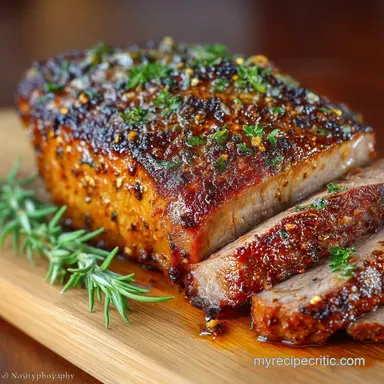
Perfectly Roasted Tritip Your Foolproof Oven Sunday Roast

Why the Reverse Sear Technique Perfects the oven roasted TriTip
The Tri-Tip is one of the most flavourful and economical cuts of beef you can bring into your kitchen, yet it demands precision. While often relegated to the grill, mastering the oven roasted TriTip using the reverse sear technique is the ultimate way to achieve steakhouse quality results consistently, regardless of the weather outside.
This method flips traditional high heat roasting on its head: instead of searing first and risking a thick layer of overcooked grey meat beneath the crust, we cook the roast gently and evenly before delivering a final, powerful blast of heat.
The result is a uniformly pink interior the very definition of culinary perfection and a spectacular, crusty bark formed by the robust dry rub.
Decoding the Tri-Tip: Why This Cut Deserves Your Attention
Known affectionately in California as the "Santa Maria Steak," the Tri Tip is a triangular cut sourced from the bottom sirloin. It’s significantly leaner than cuts like ribeye but possesses exceptional flavour and tenderness, provided you treat it correctly.
As the centrepiece for a gorgeous Sunday spread, it serves as an elegant, slightly less expensive alternative to a prime rib joint. Our oven roasted Tri Tip Recipe leverages the controlled environment of the oven to ensure this beautiful cut typically weighing between 900 grams and 1.1 kilograms is cooked to its optimal juiciness, making it a hero for any rustic oven baked meal.
Edge-to-Edge Perfection: Mastering the Internal Temperature Gradient
The inherent challenge with roasting lean meats is avoiding the dreaded "bullseye" effect a raw centre surrounded by layers of drying, overcooked meat. The oven roasted Tri Tip Reverse Sear method virtually eliminates this problem.
By cooking the meat slowly at a low temperature, specifically 250°F (120°C), we allow the heat to gently permeate the muscle fibres. This extended, gentle process means the temperature gradient across the roast is very shallow, maintaining moisture throughout and ensuring that when you hit your target oven roasted Tri Tip Temp , the doneness is consistent right up to the surface.
We aim to pull the roast when it hits a safe, pre-sear temperature of 120°F (49°C), ready for its high heat transformation.
Moving Beyond the Grill: The Foolproof Oven Method
Many recipes insist on complicated cast iron searing or grilling, which can be messy and unpredictable. The oven offers superior temperature control, making it the truly foolproof option for achieving a magnificent crust.
By utilizing the reverse sear, we prove that an incredible texture is possible even with an oven roasted Tri Tip No Sear phase (meaning, no stovetop sear). Instead, the final stage involves cranking the oven to 450°F (230°C) to crispen the surface, developing a deep, dark brown Maillard reaction that locks the spice blend onto the meat.
This two-stage oven roasted Tri Tip Low and Slow approach ensures a perfect finish every time, providing exceptional tenderness and a fantastic bark without sacrificing control.
Essential Tools and Quality Components for a Flawless Roast
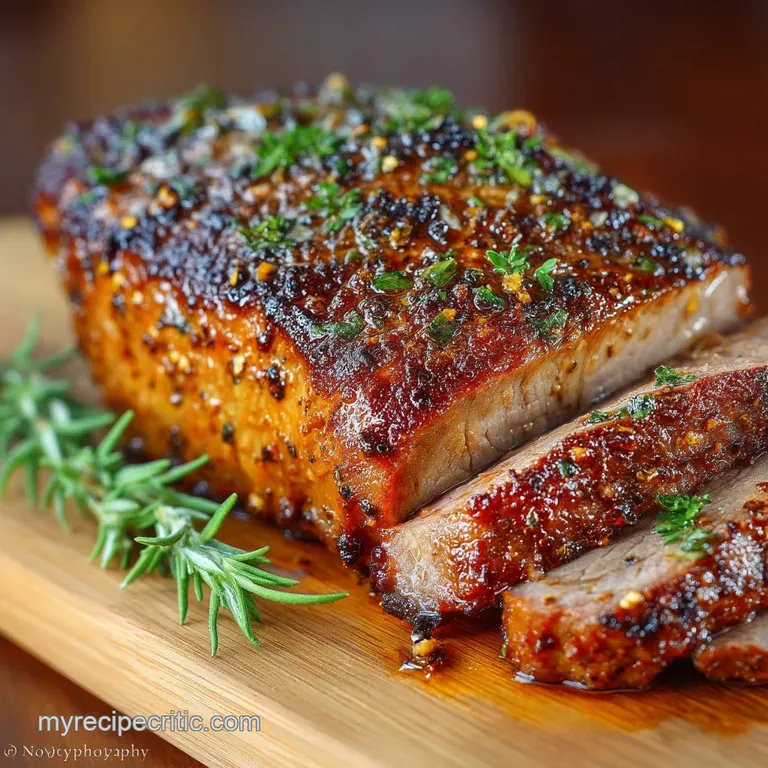
Success in roasting is built upon two pillars: quality ingredients and appropriate equipment. For a cut as specific as the Tri-Tip, neglecting either will compromise the final texture and flavour.
The Dry Rub Formula: Balancing Savory and Crust Forming Spices
A simple oil binder (such as light olive or avocado oil) is essential to help the spices adhere, but the real flavour comes from the Classic Robust Rub. We use a half cup mixture combining savoury staples like 1 tablespoon of Kosher Salt, 2 teaspoons of coarse black pepper, 1 tablespoon each of pungent garlic powder and smoked paprika, 1 teaspoon of dried oregano, and a touch of onion powder.
Crucially, we add 1 teaspoon of dark brown sugar. This sugar is optional, but it significantly aids the high heat blast phase, promoting caramelisation and creating that sought after, deep coloured, crunchy crust during the sear. The resulting crust is crucial for the final taste experience.
Sourcing Your Tri-Tip: Understanding Marbling and Grain Direction
When sourcing your meat, look for a Tri-Tip Roast weighing around 2 to 2.5 pounds (or 900g to 1.1kg). The triangular shape should be evident. Ask your butcher to remove the majority of the thick silver skin, but retaining about a 1/4 inch fat cap is ideal for flavour, as it renders down during the low-and-slow cook.
Before seasoning, take a moment to observe the muscle fibres. The Tri-Tip is unique in that its grain changes direction about halfway through the cut. Recognizing this now will save you from tough slices later, as cutting against the grain is mandatory for tenderness.
Required Gear Check: Thermometers, Racks, and Roasting Pans
I cannot stress this enough: for a perfect roast, a digital instant read thermometer is non-negotiable. Cooking this kind of roast by time alone is a recipe for disaster; you must cook to temperature. You will also need a simple wire rack placed inside a baking sheet or roasting pan.
The rack is critical because it ensures air circulates completely around the joint, allowing the oven roasted TriTip to cook evenly from all sides and preventing the bottom from steaming and softening the crust.
Related Recipes Worth Trying
- HerbCrusted OvenBaked TriTip Roast The Ultimate Steakhouse Finish — Master the OvenBaked TriTip This reversesear method delivers a crunchy bark and a beautifully juicy interior Learn how to cook beef tri tip perfectly every time
- Easy Shredded Chicken Flautas Oven or Fried — Forget greasy takeaways These Easy Chicken Flautas use rotisserie chicken for a flavourful satisfying crunch Quick to assemble and perfect baked or fried
- The Ultimate Golden Crunch Garlic Butter Roasted Potatoes — Learn the proper job technique for utterly crisp Garlic Butter Roasted Potatoes Our secret ingredient guarantees a fluffy inside and shatteringly crisp exterior
Executing the Roast: From Prep to the Perfect Rest
With the prep work complete and the oven calibrated, we move into the precise steps of the reverse sear. Each stage is brief but critical for maximizing juiciness.
Prepping the Roast: Trimming and Applying the Crust Building Rub
Before seasoning, the Tri-Tip must be patted bone dry using paper towels; moisture hinders crust formation. After trimming any tough silver skin, lightly coat the entire roast with olive oil as a binder. Then, apply your dry rub generously pressing the mixture firmly into every surface.
Once seasoned, place the meat on the wire rack and let it rest at room temperature for a minimum of 30 minutes (up to two hours). This simple step ensures the meat begins cooking evenly and allows the salt to penetrate and tenderize the surface.
Low and Slow Phase: Monitoring Internal Temperature in the Oven
Preheat your oven to the low and slow temperature of 250°F (120°C). Insert your digital probe into the thickest part of the roast, making sure it avoids any large pockets of fat. Place the rack and tray into the oven.
This stage typically takes 40– 65 minutes, depending on the thickness of your specific cut. We monitor the temperature until it reaches exactly 120°F (49°C).
This low oven roasted Tri Tip Temp is the perfect point to achieve that desired uniform pink colour without ever drying out the edges.
The High Heat Blast: Achieving that Deep, Cracking Sear
As soon as the roast hits 120°F (49°C), remove it from the oven immediately. Do not worry about letting it rest yet. The next step is critical: crank your oven temperature up dramatically to 450°F (230°C). Once the oven is piping hot, return the Tri-Tip to the searing heat.
Cook for just 6 to 10 minutes, flipping the roast halfway through to ensure both sides develop an even, deep crust. Watch closely; the high heat aims to build the bark, not to continue cooking the meat.
Pull the roast when it reaches the final target temperature: 130°F (54°C) for medium rare or 135°F (57°C) for medium.
Critical Resting Time: Locking in Juices for Optimal Tenderness
The final cooking stage occurs outside the oven. Transfer the beautifully crusted oven roasted Tri Tip to a clean cutting board. Tent it loosely with foil do not wrap it tightly, as this will steam the crust.
You must allow the roast to rest undisturbed for a mandatory 15 minutes. This rest period is essential; it allows the muscle fibres, which contracted during the high heat, to relax and reabsorb the internal moisture.
Skipping this step means all those precious juices will run out onto your board, leaving you with dry meat.
Maximizing Flavor and Longevity: TriTip Tips and Tricks
Perfecting a roast goes beyond the cooking process; it involves precise finishing techniques and smart meal planning.
The Art of the Slice: Cutting Against the Grain (It's Crucial!)
The tenderness of your oven roasted Tri Tip depends entirely on how you slice it. Because the grain direction shifts within this triangular muscle, you must first identify the two distinct sections. Slice the roast in half where the grain changes.
Then, slice each of those pieces individually, ensuring your knife cuts perpendicular to the visible muscle fibres. Slicing thinly and correctly guarantees maximum tenderness and a delightful chew, ensuring the time and effort put into the reverse sear pays off.
Troubleshooting Your oven roasted TriTip: Common Mistakes and Fixes
The most common mistake home cooks make is relying on cook time rather than temperature. Always go by the probe! If your crust is burning before the centre is done, your initial low-and-slow temperature might be too high, or you applied too much dark brown sugar.
Conversely, if you don't achieve a sufficient crust during the high heat sear, ensure your oven hit the full 450°F (230°C) and that the Tri-Tip was completely dry before seasoning.
Creative Leftovers: Reimagining Cold Roast Beef
The beauty of a perfectly executed roast is that it provides excellent leftovers. If stored correctly in an airtight container, the beef maintains its quality for several days. Thinly sliced cold Tri Tip is magnificent in gourmet sandwiches, layered on a crisp Caesar salad, or even thinly sliced and repurposed into quick beef tacos the following night.
You can also pair leftover slices with roasted vegetables for a quick reheat, making sure you don't overcook them. A fantastic pairing is a serving of oven roasted Tri Tip and Potatoes .
Flavor Variations: Smoking Paprika and Herb Crusted Alternatives
While the Classic Robust Rub (featuring smoked paprika for depth) is superb, don't be afraid to experiment. For a vibrant, acidic flavour profile, ditch the paprika and brown sugar in favour of a brighter coating: utilize dried cilantro, lemon zest, and crushed red pepper flakes to create a homemade Chimichurri Rub base.
Alternatively, if you prefer a stickier, richer finish, try the Asian BBQ approach. Skip the rub initially, proceed with the low-temperature roast, and then, before the high heat blast, brush the meat liberally with a mixture of soy sauce, honey, ginger, and garlic to achieve a delicious caramelised glaze.
Recipe FAQs
The grain changes direction how do I slice the Tri-Tip properly without making it chewy?
Ah, the trickiest bit! Because the tri-tip is triangular, the muscle fibres run in two distinct directions. Before slicing, examine the roast and look for where the lines of the grain converge; you'll essentially need to slice the roast into two separate blocks first.
Always slice thinly (no thicker than a pound coin) and strictly against the grain in each section. This technique shortens the muscle fibres, guaranteeing melt-in-the-mouth tenderness rather than something that requires serious jaw work.
What internal temperature should I aim for when cooking my oven roasted TriTip to ensure perfect medium rare results?
For a beautiful medium rare that would make any Sunday carvery proud, you must pull the joint out of the low oven when it hits 120°F (49°C). Immediately blast the oven up to 450°F (230°C) for the sear.
The final target temperature when you pull it out for the resting stage should be 130°F (54°C). The essential 15-minute rest allows carryover cooking to take it up to the perfect final serving temperature (around 135°F/57°C), locking in all those wonderful juices.
My crust didn't get that deep, crispy, dark brown colour during the sear. What went wrong?
The crust, or "bark," is the crowning glory of this technique! The main culprit is usually moisture. Ensure you pat the tri-tip bone dry before seasoning and allow it to rest at room temperature for at least 30 minutes before it goes into the oven this helps dry the surface further.
Also, make sure your oven is truly piping hot (450°F/230°C) for the searing stage. If the oven isn't calibrated correctly or you skip the rack (which allows air circulation underneath), the Maillard reaction will struggle to form that desirable crust.
Do I really need a meat thermometer for this recipe, or is timing enough?
Absolutely, a reliable digital thermometer is not just helpful it’s practically mandatory for the reverse sear method! Because ovens and tri-tip thickness vary so much, relying on timing alone is like guessing the weather in Manchester; you simply won't know for sure.
This cut is lean and will turn disappointingly dry if overcooked by even a few degrees. Don't risk spoiling your fabulous Sunday dinner for the sake of a quick temperature check.
I’ve got plenty of leftovers! What’s the best way to store and reheat Tri-Tip without drying it out?
Leftovers should be cooled quickly and stored in an airtight container in the fridge for up to four days perfect for your Boxing Day sandwiches! When reheating, avoid the microwave, as that will instantly dry out the lean meat.
For the best results, slice the leftovers thinly and reheat them gently in a pan with a splash of beef stock or gravy over a very low heat. Alternatively, serving the thinly sliced cold meat in salads or wraps keeps it tender and delicious.
Flawless oven roasted Tritip