Flavorful Cajun Garlic Butter Sauce
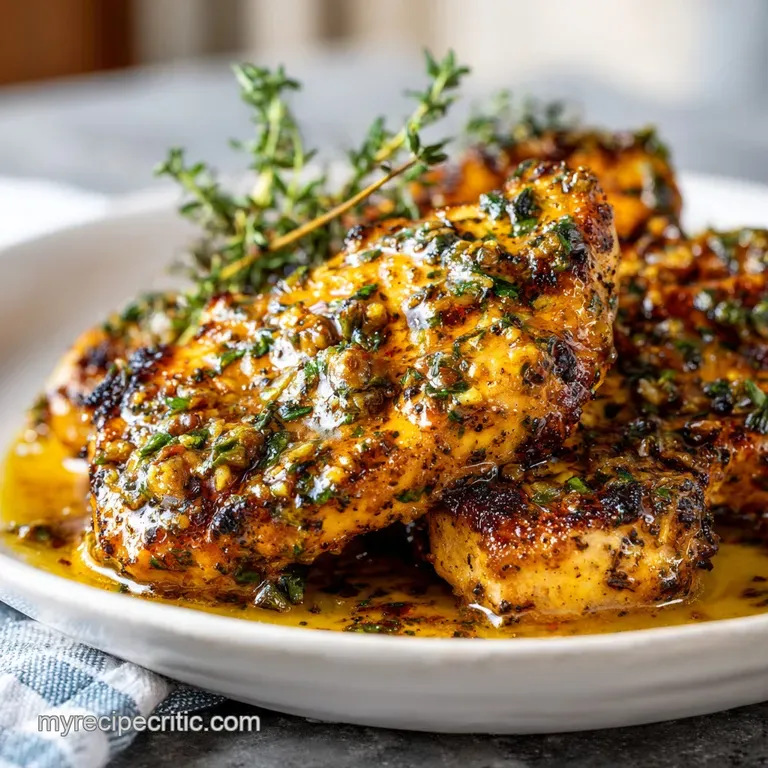
- Time: Active 10 minutes, Passive 10 minutes, Total 20 minutes
- Flavor/Texture Hook: Velvety butter with a smoky, piquant sizzle
- Perfect for: Seafood boils, steak dipping, or a fast weeknight pasta
- Creating the Ultimate Flavorful Cajun Garlic Butter Sauce
- Key Techniques for Bold Flavor Depth
- Critical Recipe Metrics and Timing
- Choosing Your Aromatic Spice Elements
- Tools for the Best Results
- Step-by-Step Sauce Building Process
- Avoiding Common Culinary Sauce Errors
- Flavor Profiles for Every Palate
- Storing and Reusing Your Sauce
- Ideal Food Pairings and Combinations
- Kitchen Myths Debunked
- Recipe FAQs
- 📝 Recipe Card
Creating the Ultimate Flavorful Cajun Garlic Butter Sauce
The moment that finely minced garlic hits the pool of melting butter, the kitchen transforms. It starts with a sharp, pungent sizzle that quickly mellows into a heady, sweet aroma that practically pulls people into the room.
I’ll never forget the first time I tried a Cajun butter at a coastal crab shack; I spent the whole meal trying to figure out why mine at home always felt gritty while theirs was like velvet.
It wasn't just the butter it was the way they let the spices bloom in the heat, unlocking flavors that raw powder just can't reach.
We’ve all been there, standing over a pan, hoping for magic but getting a greasy separation instead. This recipe is the result of those failed batches and burnt garlic bits. We’re going for a sauce that has weight and character, something that doesn't just run off your shrimp but coats it in a smoky, citrus spiked hug.
It’s about balance: the richness of grass fed butter meeting the bright acidity of lemon and the deep, wood choiced undertones of smoked paprika.
By the time you finish this simmer, you’ll have a sauce that is far more than just "melted butter." It’s a concentrated flavor base that works just as well for a quick stovetop shrimp as it does for a decadent dipping bowl alongside crusty bread.
Honestly, once you see how the layers of onion powder and oregano build upon that garlic foundation, you won't go back to the bottled stuff.
Key Techniques for Bold Flavor Depth
The Kinetic Bloom: Dry spices like smoked paprika and cayenne are lipophilic, meaning their flavor compounds dissolve and intensify when toasted in warm fat rather than water.
Enzymatic Breakdown: Grating the shallots instead of dicing them breaks more cell walls, releasing a sweet, sulfurous juice that emulsifies into the butter for a smoother texture.
Acidic Brightness: Adding lemon juice at the very end prevents the heat from dulling its zest, ensuring a bright contrast to the heavy lipids in the grass fed butter.
The Emulsion Bridge: Worcestershire sauce acts as a bridge between the savory garlic and the fat, using its fermented depth to tie the spices to the buttery base.
| Component | Budget Alternative | Flavor Impact | Savings |
|---|---|---|---|
| Fresh Garlic (10 cloves) | Garlic Paste (2 tbsp) | Less pungent, slightly sweeter | Save 5 mins prep |
| Grass Fed Butter | Standard Unsalted Butter | Less creamy, lower Vitamin A | Save $2-4 |
| Seafood Broth | Water + Bouillon | Slightly saltier profile | Save $3 |
Much like the foundational techniques used in a Cheese Sauce Ready recipe, the secret to a great butter sauce lies in the temperature control. If you rush the heat, you lose the nuances of the aromatics.
Critical Recipe Metrics and Timing
| Ingredient Component | Science Role | Pro Secret |
|---|---|---|
| Minced Garlic | Aromatic Base | Mince then let sit for 5 minutes to activate allicin before cooking. |
| Smoked Paprika | Color & Depth | Use a Spanish pimentón for a deeper, smoke kissed wood choice flavor. |
| Grass Fed Butter | Primary Lipid | Cold butter added at the end can help thicken a broken sauce. |
Whether you are preparing this for a crowd or just a solo dinner, keeping these ratios in mind is key. This sauce is designed to be thick enough to coat a spoon but fluid enough to drizzle over a delicate filet of fish.
Choosing Your Aromatic Spice Elements
This recipe relies on a specific blend of pantry staples and fresh aromatics to create that signature Louisiana profile. You’ll want to be precise with your measurements here, as the balance between the cayenne's heat and the oregano’s earthiness is what prevents the sauce from becoming overwhelmingly spicy.
- 10 cloves Garlic: Finely minced. Why this? Provides the foundational pungent bite that mellows into sweetness when simmered.
- Substitute: 2 tablespoons garlic confit for a milder, roasted flavor.
- 2 tbsp Shallots or sweet onion: Grated. Why this? Creates a pulp that dissolves into the sauce for a velvety finish.
- Substitute: Yellow onion works, but shallots offer a more sophisticated, garlic adjacent sweetness.
- 1 tbsp Fresh parsley: Finely chopped. Why this? Adds a necessary hit of chlorophyll and freshness to cut through the heavy fat.
- Substitute: Dried parsley (1 tsp), though you'll lose the vibrant green color.
- 2 tbsp Low sodium Cajun seasoning: Why this? The primary source of salt and complex regional herbs.
- Substitute: A mix of salt, black pepper, and extra paprika if you're out of a pre made blend.
- 1 tbsp Smoked paprika: Why this? Provides that smoke kissed aroma and a deep, sunset orange hue.
- Substitute: Sweet paprika, but you will miss the characteristic wood fire scent.
- 1 tsp Onion powder: Why this? Adds a concentrated, savory back note that fresh onions can't provide alone.
- Substitute: Extra grated shallots, though the texture will be slightly chunkier.
- 1 tsp Dried oregano: Why this? Introduces an earthy, floral element common in Creole cooking.
- Substitute: Dried marjoram for a slightly sweeter, milder herb profile.
- 1/2 tsp Cayenne pepper: Why this? Delivers a controlled, lingering heat at the back of the palate.
- Substitute: Red pepper flakes, though the heat will be more localized and sharp.
- 0.5 cup Unsalted grass fed butter: (approx. 115g). Why this? The high fat content and rich color create a superior mouthfeel.
- Substitute: high-quality vegan butter if you are avoiding dairy.
- 0.25 cup Low sodium seafood or vegetable broth: (approx. 60ml). Why this? Provides the liquid base to bloom spices without burning the butter solids.
- Substitute: Dry white wine like Sauvignon Blanc for a more acidic, sophisticated finish.
- 1 tbsp Worcestershire sauce: Why this? The "secret" umami bomb that deepens the savory profile.
- Substitute: Soy sauce plus a pinch of sugar to mimic the fermented tang.
- 2 tbsp Freshly squeezed lemon juice: (approx. 30ml). Why this? Cleanses the palate and brightens the heavy spice notes.
- Substitute: Apple cider vinegar if you need that sharp acidic hit but lack citrus.
Chef Tip: Freeze your butter for 10 minutes before you start. Grating a small portion of very cold butter into the sauce at the very end (after turning off the heat) creates a glossy, restaurant style finish that won't separate as it cools.
Tools for the Best Results
You don't need a high tech lab to make this, but a heavy bottomed pan is non negotiable. I prefer using a small cast iron skillet or a stainless steel saucier because they hold heat evenly.
Thin aluminum pans can have "hot spots" that might cause your garlic to transition from golden to bitter and burnt in a matter of seconds.
You’ll also want a microplane or a fine grater for the shallots. Trust me, dicing them with a knife no matter how small won't give you that same "pulp" consistency that blends into the butter. Finally, a small whisk is your best friend here.
It helps keep the broth and butter emulsified so you don't end up with a layer of oil floating on top of your spices.
step-by-step Sauce Building Process
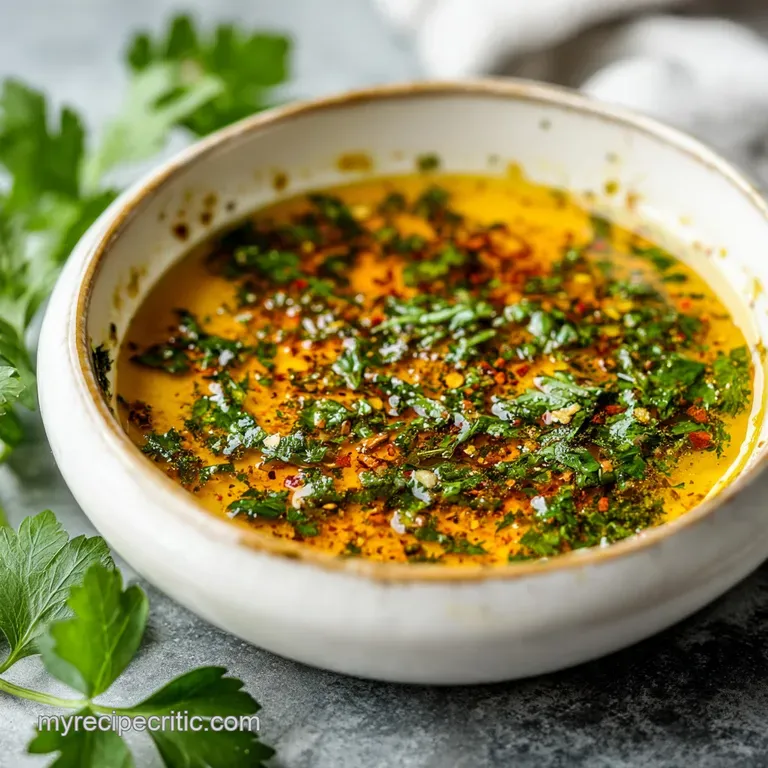
- Prep the aromatics. Mince the 10 cloves of garlic and grate the 2 tbsp of shallots. Note: Letting the garlic sit for a few minutes after mincing allows the flavor to develop fully.
- Melt the foundation. Place 0.5 cup of unsalted grass fed butter in a pan over medium low heat until it begins to foam slightly.
- Infuse the fat. Add the minced garlic and grated shallots to the bubbling butter.
- Sauté gently. Cook for 2-3 minutes until the garlic is fragrant and translucent but not browned.
- Bloom the dry spices. Stir in the 2 tbsp Cajun seasoning, 1 tbsp smoked paprika, 1 tsp onion powder, 1 tsp dried oregano, and 1/2 tsp cayenne pepper.
- Simmer the spices. Continue cooking for 1 minute until the butter turns a deep, vibrant red and the spices smell toasted.
- Deglaze the pan. Pour in the 0.25 cup of seafood broth and 1 tbsp of Worcestershire sauce. Note: This stops the spices from burning and starts the sauce formation.
- Whisk and emulsify. Bring the mixture to a very gentle simmer for 3-4 minutes until the liquid has reduced slightly and thickened.
- Finish with brightness. Remove the pan from the heat and stir in the 2 tbsp of fresh lemon juice and 1 tbsp of chopped parsley.
- Final check. Taste a small drop (careful, it’s hot!) and adjust salt if your Cajun seasoning was lower in sodium than expected.
Avoiding Common Culinary Sauce Errors
The biggest heartbreak in the kitchen is a sauce that breaks or tastes like charcoal because the garlic caught fire. Working with butter is a lesson in patience. If the pan starts to smoke, you've already gone too far.
This process is similar to creating a rich ragu, like my Luxurious Creamy Bolognese recipe, where the fat is used to carry the flavor of the aromatics. If your sauce looks like a pool of oil with spices sitting at the bottom, it hasn't emulsified properly.
Why Your Garlic Tastes Bitter
The most common mistake is using heat that is too high. Garlic contains natural sugars that caramelize quickly, but they cross the line into "bitter" faster than almost any other ingredient. If your garlic turns dark brown or black, throw it out and start over there's no saving that flavor.
| Problem | Root Cause | Solution |
|---|---|---|
| Sauce is Gritty | Spices didn't bloom in fat | Ensure you sauté spices in the butter for 60 seconds before adding broth. |
| Sauce Separated | Temperature was too high | Whisk in a teaspoon of cold broth or water off the heat to bring it back. |
| Overly Salty | Cajun seasoning brand | Always use low sodium broth and unsalted butter to maintain control. |
Common Mistakes Checklist:
- ✓ Never leave the pan unattended; garlic burns in the blink of an eye.
- ✓ Use a whisk, not a spoon, to ensure the broth and butter stay combined.
- ✓ Add the lemon juice after removing from heat to keep the flavor "high" and bright.
- ✓ Pat your seafood dry before adding this sauce; excess water will dilute the flavor.
- ✓ Don't skip the shallot grating; the juice is what creates the "velvety" mouthfeel.
Flavor Profiles for Every Palate
If you want to take this Flavorful Cajun Garlic Butter Sauce in a different direction, it's incredibly easy to pivot. The base is quite sturdy, so it can handle a few extra "guests" in the pan without falling apart.
- For a Creamy Finish: Whisk in 2 tablespoons of heavy cream at the very end. It turns the piquant sauce into a velvety "Cajun cream" that is legendary over blackened chicken.
- For Extra Heat: Increase the cayenne to 1 full teaspoon and add a few shakes of your favorite fermented hot sauce.
- For the Herb Lover: Double the fresh parsley and add a tablespoon of fresh chives or tarragon for a more garden forward profile.
If You Want a Thicker Sauce
If you find the sauce is too thin for your liking, you have two options. First, you can let it simmer for an extra 5 minutes on low to reduce the broth further. Second, you can whisk in a tiny "slurry" made of 1/2 teaspoon cornstarch and 1 teaspoon of cold broth.
Just remember that as the butter cools, the sauce will naturally thicken up on its own.
Storing and Reusing Your Sauce
If you have leftovers (lucky you!), this sauce stores beautifully. Because it is high in fat, it will solidify into a compound butter in the fridge.
- Storage: Keep in an airtight glass jar in the fridge for up to 5 days.
- Freezing: Pour the cooled sauce into ice cube trays. Once frozen, pop the cubes into a freezer bag. They’ll stay fresh for up to 3 months and are perfect for dropping into a hot pan of sautéed veggies.
- Reheating: Use the microwave in 15 second intervals, stirring in between, or gently melt it in a small saucepan over low heat. Avoid boiling it again, or you might lose that fresh lemon spark.
- Zero Waste Tip: If you have just a tablespoon or two left, don't toss it! Use it as a spread for a sandwich or toss it with some roasted potatoes the next morning. It’s also an incredible base for a The Cheesy Garlic recipe if you brush it onto a baguette before toasting.
Ideal Food Pairings and Combinations
This sauce was born to be paired with shellfish. Whether it’s a pile of peel and eat shrimp, snow crab legs, or steamed mussels, the smokiness of the paprika and the bite of the garlic accentuate the natural sweetness of the seafood.
But don't stop there. I’ve found that drizzling this over a pan seared ribeye steak is a "smoke kissed" revelation. The butter mingles with the beef juices, creating a pan sauce that usually requires hours of reduction in a fancy restaurant.
It’s also the perfect way to "elevate" wait, I mean boost—a simple bowl of linguine. Just toss the hot pasta directly in the sauce with a little extra pasta water, and you have a meal that feels like a celebration.
If you’re looking for a side dish to round out the meal, it pairs beautifully with something neutral and absorbent. A classic Chicken Broccoli Casserole recipe might be too heavy, but a simple steamed broccoli or a pile of fluffy rice will soak up every last drop of that liquid gold.
Kitchen Myths Debunked
One common misconception is that adding olive oil to butter raises its smoke point and prevents burning. In reality, the milk solids in the butter will still burn at the same temperature regardless of the oil. The only way to prevent burning is to manage your flame.
Another myth is that you must use fresh herbs for the entire recipe. While fresh parsley is a must at the end for brightness, dried oregano and dried onion powder actually provide a more concentrated, "sturdy" flavor that stands up better to the simmering process than their fresh counterparts would.
Dried spices are essentially flavor concentrates; they just need that "bloom" in the butter to wake them up.
Recipe FAQs
What are the ingredients in Cajun garlic butter sauce?
Butter, garlic, shallots, Cajun seasoning, smoked paprika, oregano, cayenne, broth, Worcestershire, and lemon juice. These ingredients combine fat, deep spice, savory umami, and necessary acidity for balance.
What's the secret to great Cajun flavor?
Blooming the dry spices in hot fat before adding liquid. This process, called kinetic infusion, unlocks the lipophilic flavor compounds in the paprika and cayenne for deeper taste, a technique also essential in our Dr Pepper BBQ Sauce recipe.
How to make a nice garlic butter sauce?
Melt butter over medium low heat, sauté minced garlic and grated shallots until fragrant but not browned. Stir in dry spices, cook for one minute, then add broth and Worcestershire, simmering gently to emulsify.
What are the common mistakes in garlic butter?
Burning the garlic or letting the sauce separate due to high heat. Garlic turns bitter rapidly if it browns, and boiling the mixture too vigorously will cause the fat and liquid to separate into an oily mess.
Is it true I must use a high fat butter for this sauce?
No, but grass fed butter provides a superior mouthfeel and color. Higher fat content creates a richer emulsion that coats food better, though standard unsalted butter is acceptable if you control the simmering time.
Can I substitute the Worcestershire sauce?
Yes, but you will sacrifice the deep umami background note. Use soy sauce mixed with a tiny pinch of sugar to replicate the fermented depth, similar to how we layer savory flavors in our Lasagne Proper Classic recipe.
How long does this sauce last if refrigerated?
It keeps well for up to 5 days in an airtight jar. The sauce will solidify into a compound butter consistency; gently reheat it off the heat to maintain its emulsified structure.
Flavorful Cajun Butter Sauce
Ingredients:
Instructions:
Nutrition Facts:
| Calories | 121 kcal |
|---|---|
| Protein | 0.9 g |
| Fat | 11.8 g |
| Carbs | 3.9 g |
| Fiber | 0.6 g |
| Sugar | 0.8 g |
| Sodium | 158 mg |
