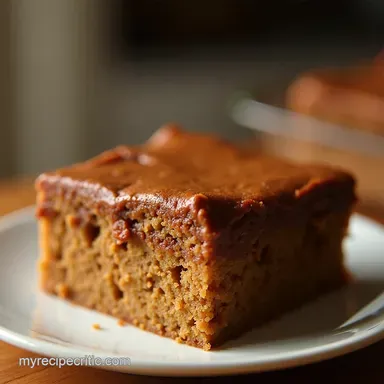
The Ultimate Fudgy Texas Sheet Cake Classic Crowdpleasing
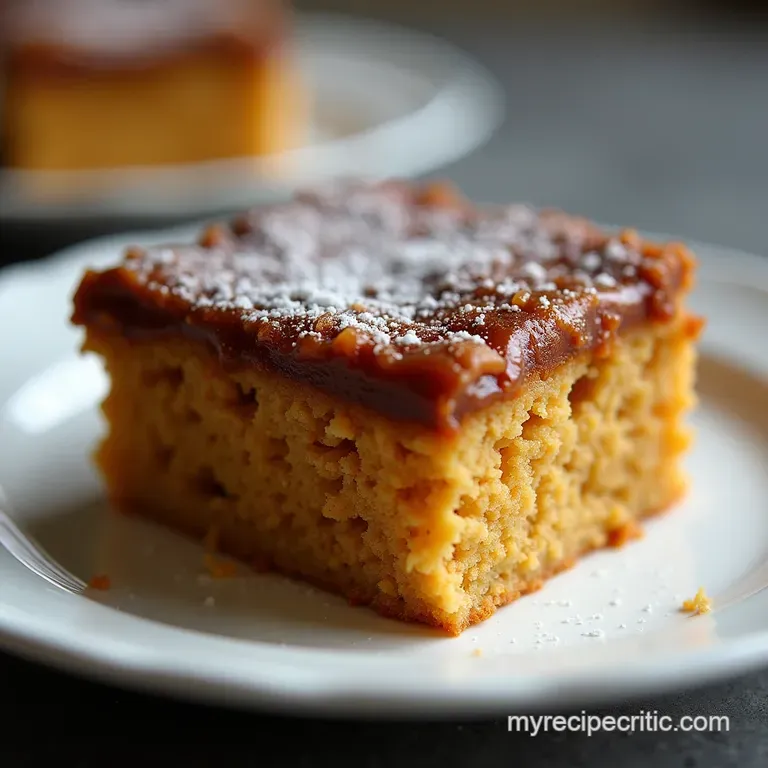
- Discover the Iconic Southern Comfort: Why This Sheet Cake Reigns Supreme
- The Legend Behind the Thin, Fudgy Delight
- Mastering the Components: Essential Building Blocks for Success
- Step-by-Step Guide to Assembling Your Texas Sheet Cake Masterpiece
- The Crucial Timing: When to Apply the Hot Glaze
- Expert Secrets for Elevating Your Homemade Cake
- Longevity and Serving Suggestions for Optimal Enjoyment
- Recipe FAQs
- 📝 Recipe Card
Discover the Iconic Southern Comfort: Why This Sheet Cake Reigns Supreme
There is something uniquely satisfying about a dessert that travels well, feeds an army, and tastes intensely homemade without demanding hours in the kitchen. That, my friends, is the magic encapsulated in the Texas Sheet Cake .
This isn't your grandmother's towering layer cake; this is a slab of pure, fudgy, chocolate perfection, baked thin and drenched in a signature warm glaze poured right over the top while it’s still hot.
It’s a quintessential piece of Americana, a glorious symbol of Southern hospitality that manages to be both deeply comforting and surprisingly easy to execute. If you’re looking for a guaranteed crowd pleaser, understanding the simplicity and flavour profile of this Texas Sheet Cake Recipe is your first step toward baking success.
The Legend Behind the Thin, Fudgy Delight
The allure of this dessert lies in its unique structure. Unlike cakes designed to hold layers of frosting, the Texas Chocolate Sheet Cake relies entirely on its thin base and the rich coating it absorbs.
It’s a study in contrasts: a light, tender crumb meeting an intensely concentrated, buttery chocolate topping.
Unpacking the Appeal of the Original Texas Sheet Cake Recipe
What makes this cake so special? It starts with the inclusion of boiling water and buttermilk . The boiling water actually "blooms" the cocoa powder, releasing deep, complex chocolate notes that milder preparation methods often miss.
Meanwhile, the Buttermilk Texas Sheet Cake leans heavily on the acid in the buttermilk, which tenderizes the gluten structure in the flour, resulting in that signature melt-in-your mouth texture. It’s a remarkably flavorful cake achieved with surprisingly basic pantry staples.
The Perfect Thin Crumb: Texture Explained
The goal here is a thin cake, typically baked in a 15x10 inch pan. This size dictates the texture. Because the batter is spread so thinly, it bakes rapidly, preventing the formation of a heavy, dense structure. This thinness is crucial because it provides maximum surface area for the glaze to permeate.
If you bake this batter too deep, it loses its identity and becomes a standard chocolate cake; here, we are aiming for something light enough to be saturated by the Texas Sheet Cake Glaze .
Why This Dessert is Essential for Any Crowd Gathering
Efficiency is a major selling point for the Easy Texas Sheet Cake . You mix it in one bowl (or at least, the dry ingredients are separate from the boiling liquid), bake it quickly, and frost it in the pan. There is no messy cooling time required for stacking or elaborate frosting decoration.
It’s designed to be baked, glazed, cooled slightly, and sliced directly from the pan making cleanup minimal and serving immediate. This reliability solidifies its place as the go-to Best Texas Sheet Cake for potlucks and celebrations.
Mastering the Components: Essential Building Blocks for Success
To truly master this dessert, you need to appreciate the role each element plays. We are not just making a cake; we are creating a sponge engineered to absorb a hot coating. We will be using 2 cups of all-purpose flour and 2 cups of sugar for the base, ensuring a balance that keeps the thin cake sweet yet sturdy.
The foundation requires 1 cup of rich, unsweetened cocoa powder, tempered by a cup of freshly boiling water, which is crucial for unlocking maximum chocolate depth.
Gathering Your Supplies: Essential Equipment for Baking Thin
You don't need a stand mixer for this project; in fact, excessive mixing can be detrimental. The primary piece of equipment is a sturdy 15x10 inch jelly roll or half sheet pan. Make sure this pan is generously greased and lightly dusted with flour, or lined with parchment paper that overhangs the sides slightly for easy removal later.
You will also need a medium saucepan for melting the fats and boiling the water.
Cake Batter Necessities: What Goes Into the Moist Base
The structural integrity of the Chocolate Sheet Cake Recipe relies heavily on chemical leavening combined with the tang of dairy. You'll incorporate 1 teaspoon of baking soda, balanced by 1 cup of room temperature buttermilk .
The buttermilk is non-negotiable; its acidity reacts beautifully with the soda, creating lift and tenderness. Two large eggs provide necessary binding, and a teaspoon of vanilla extract rounds out the flavour profile, complementing the deep chocolate notes.
Crafting the Signature Warm Chocolate Drench (The Glaze)
This is where the Texas Sheet Cake Frosting Recipe shines. It’s not a frosting; it’s a glaze, and its magic lies in its application temperature. The glaze requires half a cup of butter, half a cup of cocoa powder, and one-third cup of milk, simmered together until smooth.
The sheer volume of powdered sugar about four cups is what gives it that signature fudgy set once cooled.
Crucial Tool Checklist for Perfect Pan Coverage
Beyond the baking pan itself, a sturdy rubber spatula is essential for gently folding the wet and dry components of the batter without developing toughness. For the glaze application, have everything ready to go before the cake comes out of the oven, as speed is paramount to achieving a fully saturated dessert.
Related Recipes Worth Trying
- The Best Moist Chocolate Sheet Cake Recipe with Fudge Frosting — Whip up this foolproof Chocolate Sheet Cake recipe from scratch Its incredibly moist thanks to buttermilk and hot coffee and topped with glossy fudge icing...
- The Ultimate Decadent Mississippi Mud Cake Recipe Gooey Layers — Skip the complicated dessert This Mississippi Mud Cake recipe yields an unbelievably rich fudgy base topped with gooey marshmallows and chocolate glaze...
- Southern Comfort Mississippi Mud Cake The Ultimate Gooey Dream — Skip the fuss This Mississippi Mud Cake Recipe delivers legendary gooey texture with a simple marshmallow cream layer A true taste of Southern Desserts Get...
Step-by-step Guide to Assembling Your Texas Sheet Cake Masterpiece
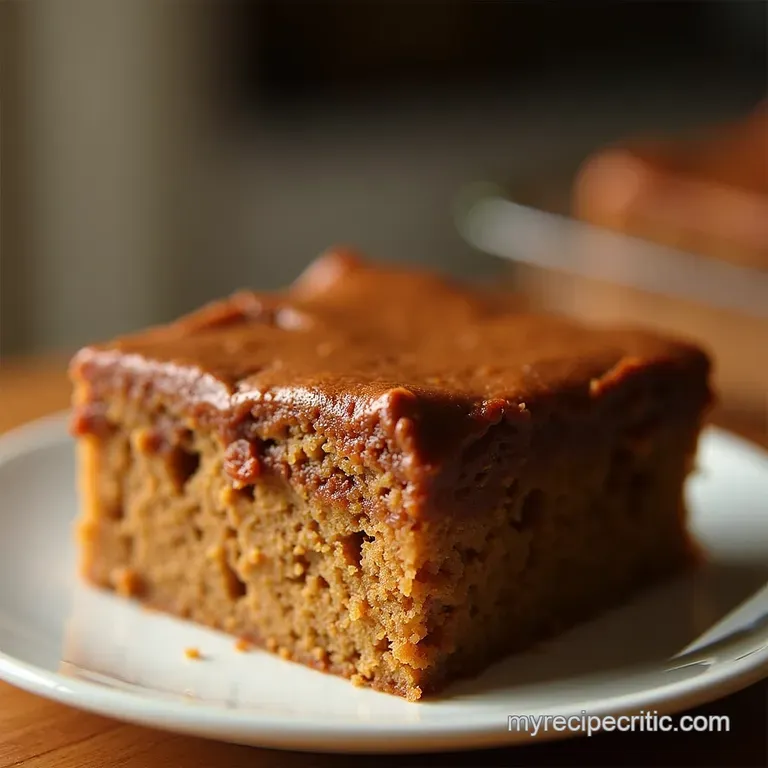
The process is straightforward, built around efficiency. Preheat your oven to 350° F ( 175° C). While the oven warms, whisk your dry ingredients flour, sugar, salt, and baking soda in a large bowl.
In a separate saucepan, melt 1 cup of butter, then whisk in the cocoa powder and the freshly boiling water until it’s a glossy, unified mixture. Pour this hot liquid immediately into the dry ingredients and stir until just combined.
Next, gently fold in the room temperature buttermilk, beaten eggs, and vanilla. The resulting batter will be quite thin this is intentional. Pour this batter evenly into your prepared 15x10 pan and bake for approximately 20 to 25 minutes.
The Crucial Timing: When to Apply the Hot Glaze
This moment applying the glaze separates a good cake from an unforgettable Texas Sheet Cake . The timing dictates the final texture.
Mixing Techniques for a Tender, Non-Chewy Cake
Remember to keep mixing minimal. After combining the hot chocolate base with the dry ingredients, stop stirring as soon as no streaks of flour remain. Overmixing develops gluten, leading to a chewy texture, which fights against the desired lightness required for optimal glaze absorption.
Baking Precision: Ensuring Even Heat Distribution in the Pan
Since the cake is baked thinly in a large pan, even heat is important. Make sure your oven rack is centred. Check for doneness around the 20-minute mark; the toothpick test should show moist crumbs attached, not wet batter. If it’s completely clean, you’ve overbaked it slightly.
The Pouring Ritual: Achieving Maximum Glaze Saturation
While the cake bakes, quickly prepare the glaze. Combine the glaze butter, cocoa, and milk in the saucepan until simmering. Remove from heat and immediately whisk in the four cups of powdered sugar and vanilla until silky smooth.
As soon as the cake emerges from the oven, use a fork to poke small holes all over the surface. Then, pour the hot Texas Sheet Cake Glaze evenly across the entire surface.
The heat of the cake draws that warm glaze down into every crevice, locking in moisture and creating that signature fudgy layer. If adding nuts (pecans or walnuts are traditional), sprinkle them on immediately while the glaze is wet.
Expert Secrets for Elevating Your Homemade Cake
To take your cake from great to legendary, consider one simple elevation: using high-quality, Dutch processed cocoa powder for a darker hue and smoother chocolate profile. Another secret involves the temperature of the buttermilk; room temperature buttermilk creates a gentler, more even reaction when meeting the hot chocolate base.
Finally, if you find your glaze seems too thick before pouring, simply return it to very low heat and whisk in an extra tablespoon of milk until it flows beautifully off the spatula.
Longevity and Serving Suggestions for Optimal Enjoyment
This is one of the few cakes that actually improves overnight once the glaze has fully set. The glaze locks in the moisture, meaning the texture remains fantastic even a day later.
Troubleshooting Common Issues: Fixing Cake Cracks and Glaze Separation
If your cake develops large cracks during baking, it often means the oven temperature was too high or you mixed the batter too vigorously. For the glaze, if it looks grainy, it means the sugar wasn't fully dissolved; next time, ensure the liquid mixture is hot before adding the sugar.
If the glaze seems too thin upon cooling, it might simply need more time at room temperature; if it remains too thin after several hours, you can gently heat a small portion of the glaze and re-whisk it back into the main batch to thicken it up.
Flavor Twists: Variations Beyond the Classic Chocolate
While the classic preparation is divine, experimentation is always encouraged. For a coffee lover's twist, dissolve instant espresso powder in the boiling water used for the cocoa bloom.
Another popular variation involves adding a pinch of cinnamon to the dry ingredients, providing a subtle warmth often found in Mexican hot chocolate recipes.
Storage Solutions: Keeping Your Sheet Cake Fresh for Days
Because this cake is glazed rather than frosted with buttercream, it holds up beautifully. Store the Texas Sheet Cake right in the pan, covered tightly with plastic wrap or foil, at cool room temperature for up to three days.
Avoid refrigerating it uncovered, as this can dry out the cake crumb; however, if your kitchen is very warm, a brief stay in the fridge is acceptable, provided you bring it back to room temperature for 30 minutes before serving to ensure the glaze softens back to its intended fudgy consistency.
Recipe FAQs
Why does my Texas Sheet Cake need a boiling hot liquid? I thought you only used that for brownies?
That’s a smashing observation! Using boiling water (or hot coffee) is crucial here because it "blooms" the cocoa powder. This process dissolves the cocoa particles fully, unlocking a deeper, richer chocolate flavour that you simply can't achieve with room temperature liquids.
It's the secret to that signature deep flavour, making it taste far more impressive than its simple nature suggests.
My glaze hardened too fast before I could spread it all over! What did I do wrong with my Texas Sheet Cake glaze?
Don't worry, this is a common sticky wicket! The glaze sets rapidly because it relies on the residual heat of the cake. Next time, ensure you pour it over the cake the instant it comes off the heat don't wait even a minute.
Also, make sure you are spreading it quickly with an offset spatula before it has a chance to seize up in the pan.
How should I store leftover Texas Sheet Cake to keep it from drying out?
Since this cake is so moist thanks to that lovely glaze, it keeps brilliantly. Store it covered tightly at room temperature for up to three days; it generally doesn't need refrigeration unless your kitchen is unusually warm.
If you must refrigerate, let it sit out for about 30 minutes before serving so the texture softens up again.
Can I make this cake ahead of time for a big gathering, or should it be baked on the day?
You absolutely can bake it the day before, which is perfect when you’re juggling a mountain of party preparations! As long as it’s covered well, the texture holds up beautifully overnight. In fact, some folks argue the flavour deepens slightly after a full night resting under that fudge glaze.
I don't have buttermilk; can I substitute it, or should I just nip to the shop?
While proper buttermilk gives the best tang and tenderness, you can easily make a substitute if you’re in a pinch no need to dash out! Simply take a cup of regular milk (whole or 2%) and stir in one tablespoon of white vinegar or fresh lemon juice, then let it sit for five to ten minutes until it looks slightly curdled.
That’ll do the trick nicely for reacting with the baking soda.
Easy Texas Sheet Cake