Dump and Bake Meatball Casserole
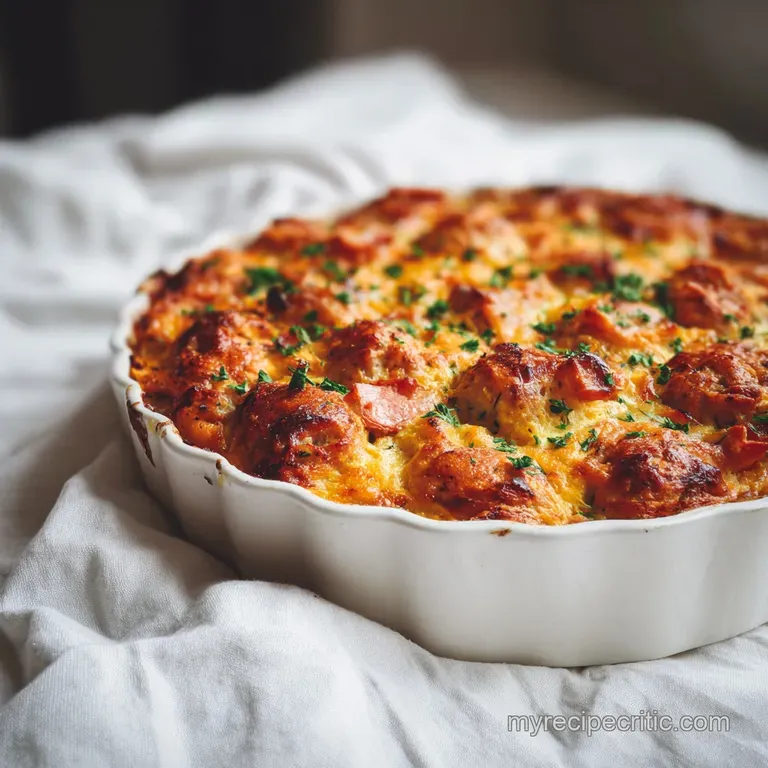
- Time: Active 5 minutes, Passive 50 minutes, Total 55 minutes
- Flavor/Texture Hook: Velvety tomato sauce with golden, bubbling mozzarella cheese
- Perfect for: Stressful weeknights when the sink is already full
- Master This Easy Dump and Bake Meatball Casserole
- Why the Pressurized Steam Changes Everything
- Component Analysis of the No Boil Method
- Essential Elements for the Perfect Bake
- Simple Tools for a Clean Kitchen
- Step-by-Step Assembly and Baking Flow
- Solving Common Pasta Bake Issues
- Adjusting for Different Batch Sizes
- The Truth About No Boil Pasta
- Storage Tips and Reducing Waste
- Pairing Ideas for a Full Feast
- Critical in Sodium
- Recipe FAQs
- 📝 Recipe Card
Master This Easy Dump and Bake Meatball Casserole
I remember standing in my kitchen on a Tuesday evening, staring at a sink full of breakfast dishes and feeling that familiar dread of having to boil a massive pot of water for pasta. I’d always been told that skipping the boiling step was a culinary sin, but that night, I just couldn't do it.
I decided to throw everything raw noodles, frozen meatballs, and a jar of sauce into a baking dish and hope for the best.
The aroma that filled the house twenty minutes later was my first clue that I’d stumbled onto something brilliant. When I pulled that dish out and peeled back the foil, the steam hit me with notes of garlic and oregano, and the pasta was perfectly tender, having soaked up all that savory beef broth.
It wasn't just "good for a shortcut"; it was actually better than my traditional stovetop version because the starch from the pasta stayed in the dish, creating a silky, thickened sauce that clung to every noodle.
This recipe is for those days when you need a win without the mountain of pots and pans. We are leaning into the physics of steam and the convenience of frozen staples to create a meal that tastes like it simmered all afternoon.
You'll get those crispy cheese edges and juicy meatballs, all while keeping your hands off the stove.
Why the Pressurized Steam Changes Everything
Starch Integration: Since we aren't draining the pasta water, the natural starches stay in the pan, acting as a thickener that creates a velvety sauce texture.
Pressure Cooking Effect: The heavy duty foil creates a tight seal, trapping steam that forces moisture into the center of the dry pasta much faster than an open bake.
Fat Emulsification: As the frozen meatballs thaw and heat, their rendered fats melt directly into the marinara, adding a rich, savory depth that jarred sauce lacks on its own.
Hydration Equilibrium: The specific ratio of broth to sauce ensures the pasta reaches "al dente" exactly as the liquid reduces to a coating consistency.
| Thickness of Layer | Internal Temp Needed | Resting Time | Visual Cue for Doneness |
|---|---|---|---|
| 1.5 inches | 165°F (meatballs) | 8 minutes | Sauce stops bubbling and thickens |
| 2.0 inches | 165°F (meatballs) | 10 minutes | Cheese is golden brown and set |
| 1.0 inch | 160°F (meatballs) | 5 minutes | Pasta is tender with no white core |
There is a distinct advantage to using the oven over the stovetop for a dish like this. While a stovetop requires constant stirring to prevent the pasta from sticking to the bottom of the pot, the oven provides 360 degree ambient heat.
This ensures that every meatball is heated through to its core while the cheese on top transforms into a shattered, crispy crust that you simply cannot achieve in a skillet.
| Feature | Stovetop Method | Oven Bake Method |
|---|---|---|
| Cleanup | Multiple pots and strainers | One single 9x13 baking dish |
| Texture | Uniformly soft | Soft center with crispy cheese edges |
| Monitoring | Requires active stirring | Set a timer and walk away |
Component Analysis of the No Boil Method
| Ingredient | Science Role | Pro Secret |
|---|---|---|
| Dry Penne | Starch Provider | Avoid "quick cook" pasta; it turns to mush in 50 minutes. |
| Premium Marinara | Acid & Base | Use a sauce with high acidity to cut through the heavy cheese. |
| Beef Broth | Hydration Agent | Subbing with water loses the "all day simmered" flavor profile. |
| Frozen Meatballs | Temperature Regulator | Their frozen core prevents them from overcooking during the long bake. |
Essential Elements for the Perfect Bake
To get this right, you need the correct ratios. If you change the pasta shape, the hydration levels might shift, so keep an eye on that.
- 16 oz dry penne or rotini pasta: Why this? Short, sturdy shapes hold up best under the steam pressure without collapsing.
- 24 oz premium marinara sauce: Why this? A high-quality sauce (like Rao's or Carbone) provides the essential flavor foundation.
- 3 cups beef broth: Why this? Provides the liquid necessary to hydrate the pasta while adding savory depth.
- 1 lb frozen pre cooked meatballs: Why this? They release moisture and fat slowly, enriching the surrounding sauce.
- 1 tsp dried oregano: Why this? Adds an earthy, floral note that brightens the jarred sauce.
- 1/2 tsp garlic powder: Why this? Distributes garlic flavor more evenly than fresh cloves in a no stir bake.
- 2 cups shredded whole milk mozzarella cheese: Why this? Whole milk varieties melt with a better stretch and don't turn oily.
- 1/4 cup grated parmesan cheese: Why this? Provides a salty, nutty "shatter" to the top crust.
- 1 tbsp fresh basil or parsley: Why this? A necessary hit of fresh acid and color to finish the dish.
| Original Ingredient | Substitute | Why It Works |
|---|---|---|
| Beef Broth | Chicken or Vegetable Broth | Lighter flavor but maintains the same hydration ratio for the pasta. |
| Penne Pasta | Fusilli or Rotini | Similar surface area ensures even cooking. Note: Avoid thin noodles like spaghetti. |
| Mozzarella | Provolone or Fontina | Excellent melting capabilities. Note: Provolone adds a sharper, smokier tang. |
Simple Tools for a Clean Kitchen
You really don't need much for this, which is the whole point. I always reach for my deep ceramic 9x13 dish. The depth is important here because we are adding three cups of broth on top of the sauce and meatballs.
If your dish is too shallow, you risk the liquid bubbling over and creating a smoky mess on the bottom of your oven.
Speaking of the oven, make sure your rack is in the center position. If it’s too high, the cheese will burn before the pasta is tender; too low, and the bottom of the pasta might scorch. Also, don't skimp on the foil.
You need heavy duty foil that can be crimped tightly around the edges to prevent steam from escaping. If you use the thin stuff, double it up.
step-by-step Assembly and Baking Flow
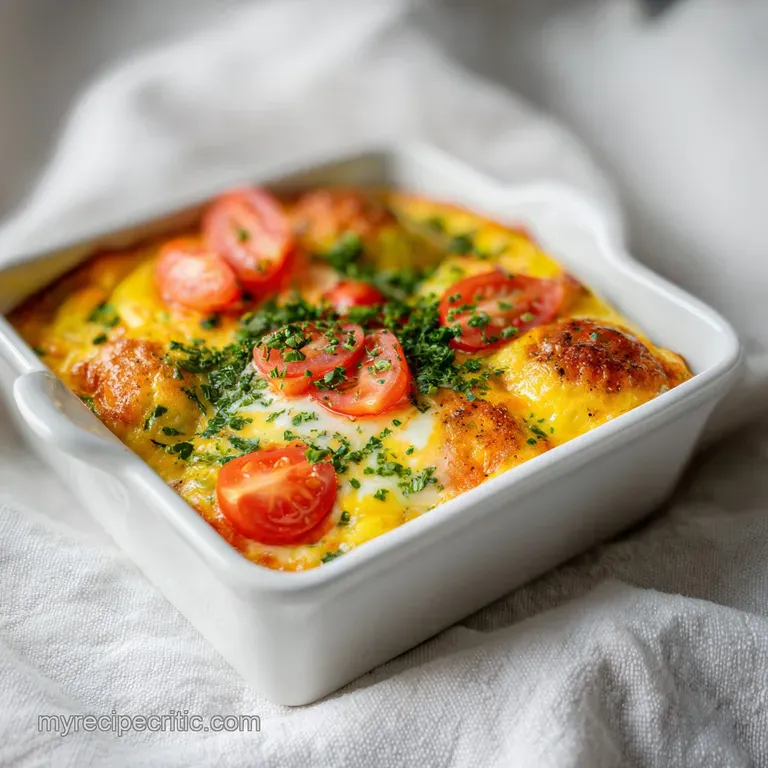
- Preheat your oven to 425°F (220°C). Note: High heat is required to generate the steam pressure needed to cook dry pasta.
- In a 9x13-inch deep baking dish, combine the dry pasta, frozen meatballs, marinara sauce, beef broth, dried oregano, and garlic powder.
- Stir ingredients vigorously until the pasta is evenly distributed and submerged. Note: This prevents "crunchy" spots where pasta isn't in contact with liquid.
- Cover the dish tightly with heavy duty aluminum foil. Ensure there are no gaps for steam to escape.
- Bake for 35 minutes until the pasta is nearly tender and the sauce is bubbling.
- Remove from the oven and carefully peel back the foil to avoid steam burns.
- Stir the pasta gently to redistribute the starch, then top with shredded mozzarella and grated parmesan cheese.
- Bake uncovered for an additional 15 minutes until the cheese is golden brown and crackling.
- Remove from the oven and allow the casserole to rest for 5 to 10 minutes until the sauce thickens and the cheese sets.
- Garnish with fresh basil or parsley and serve immediately.
Chef's Tip: If you want an extra crispy cheese top, turn the broiler on for the last 2 minutes of the bake, but watch it like a hawk it goes from golden to burnt in seconds!
Solving Common Pasta Bake Issues
Why Your Pasta Stays Crunchy
If you pull the foil back and find the pasta is still hard in the center, it usually means the seal wasn't tight enough or the liquid wasn't hot enough. When steam escapes, the pasta can't hydrate.
Why the Sauce Is Too Liquid
It might look watery when you first remove the foil. Don't panic! The "resting period" is actually a critical cooking step. As the temperature drops slightly, the starches in the pasta continue to absorb the remaining liquid, turning it into a thick, clingy sauce.
If you cut into it immediately, the sauce will run to the corners of the dish.
| Problem | Root Cause | Solution |
|---|---|---|
| Crunchy pasta edges | Pasta was not submerged | Push all pasta under the liquid line before sealing the foil. |
| Oily cheese topping | Low quality pre shredded cheese | Use whole milk mozzarella and shred it yourself from a block. |
| Bland flavor | Lack of salt/acid | Add a splash of balsamic vinegar or more parmesan after baking. |
Preventive Checklist for Success
- ✓ Check that the pasta is fully submerged in the liquid before it goes into the oven.
- ✓ Use heavy duty foil and crimp it tightly around the entire rim of the dish.
- ✓ Let the dish rest for at least 8 minutes; this is when the sauce truly thickens.
- ✓ If using a glass dish, ensure it is oven safe at 425°F to avoid thermal shock.
- ✓ Use a premium marinara; since we aren't adding many aromatics, the sauce does the heavy lifting.
Adjusting for Different Batch Sizes
When you need to feed a crowd or just a couple of people, this recipe scales remarkably well. For a half batch, use an 8x8-inch square pan and reduce the cook time by about 10 minutes. The liquid ratios remain the same if you use half the pasta, use half the broth and half the sauce.
For doubling the recipe, I recommend using two separate 9x13 dishes rather than one giant pan. This ensures that the heat can penetrate the center of the pasta evenly. If you try to bake a double layer in one deep pan, the middle noodles will likely stay crunchy while the edges turn to mush. If you're looking for other easy meals, my Broccoli Casserole recipe follows a similar logic of high flavor, low effort prep.
The Truth About No Boil Pasta
One common misconception is that dry pasta won't cook evenly unless it's submerged in a massive pot of boiling water. In reality, pasta only needs moisture and heat. By trapping the steam in the baking dish, we are creating a localized high humidity environment that hydrates the starch just as effectively as a boiling pot.
Another myth is that you must use "no boil" specific noodles. Those are usually thinner and processed differently. Regular dry penne or rotini works even better in this dump and bake meatball casserole because it has the structural integrity to withstand the 50 minutes of total heat without falling apart.
| Serving Size | Ingredient Adjustments | Pan Size | Total Cook Time |
|---|---|---|---|
| 2-3 People | 8oz pasta, 1.5 cups broth | 8x8 Square | 40-45 minutes |
| 6 People | 16oz pasta, 3 cups broth | 9x13 Rectangle | 55 minutes |
| 10-12 People | 32oz pasta, 6 cups broth | Two 9x13 Pans | 60 minutes |
If you find yourself with extra meatballs or want to try a different starch, you might enjoy my Cheesy Meatball Rice Bake which applies these same "dump and bake" principles to a rice based dish.
Storage Tips and Reducing Waste
This casserole is a leftovers dream. In fact, some people argue it tastes better the next day because the flavors have had more time to meld.
Fridge Storage: Keep leftovers in an airtight container for up to 3 days. When reheating, add a tablespoon of water or broth before microwaving to loosen the sauce back up.
Freezing Instructions: You can freeze the entire baked casserole for up to 3 months. Thaw it overnight in the fridge before reheating in the oven at 350°F until the cheese is bubbling again.
Zero Waste Tip: Don't toss the stems from your fresh basil! Chop them very finely and stir them into the sauce before baking. They pack a massive punch of flavor that is often wasted.
If you have leftover parmesan rinds, tuck one into the corner of the dish before sealing it with foil it will melt into the sauce and add an incredible umami depth. Just remember to fish it out before serving!
Pairing Ideas for a Full Feast
While this is a complete meal on its own, a little bit of green and some crusty bread never hurts. A simple arugula salad with a sharp lemon vinaigrette is my favorite way to cut through the richness of the meatballs and mozzarella. The peppery bite of the greens balances the sweetness of the marinara perfectly.
If you have a few extra minutes, a garlic baguette is the ultimate tool for swiping up every last bit of that velvety sauce. I usually pop the bread in the oven during the last 10 minutes of the casserole's bake time so everything hits the table hot at once.
The contrast between the soft pasta and the crunch of a crusty loaf is exactly what a comfort meal needs.
- Green Salad: Arugula or romaine with a zesty vinaigrette.
- Roasted Vegetables: Broccoli or zucchini tossed in olive oil and red pepper flakes.
- Bread: Garlic knots or a toasted baguette for dipping.
- Wine: A medium bodied Chianti or Merlot handles the tomato acidity beautifully.
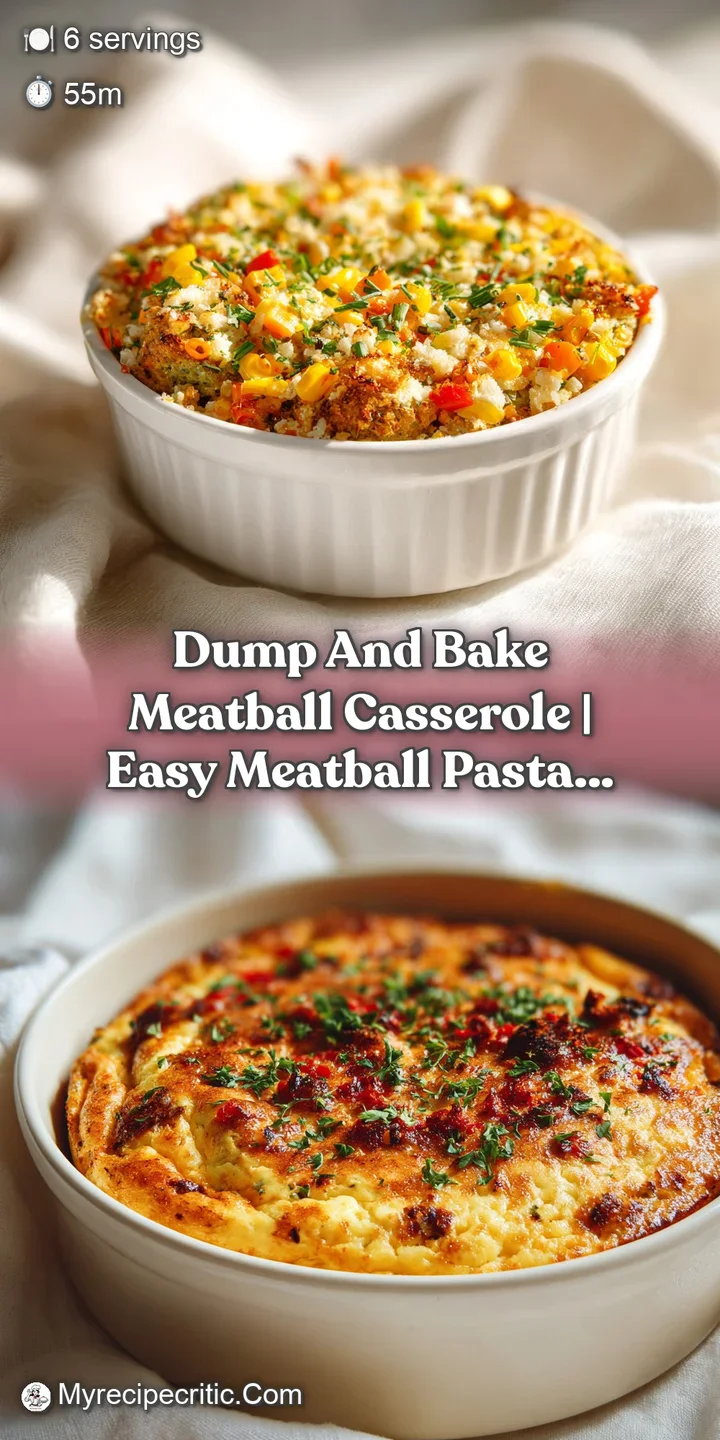
Critical in Sodium
1245 mg 1245 mg (54% 54%)
The American Heart Association recommends limiting sodium intake to no more than 2,300mg per day, with an ideal limit of less than 1,500mg for most adults.
Tips to Reduce Sodium
-
Choose Low-Sodium Broth-30%
Replace the 3 cups of regular beef broth with low-sodium beef broth. This is a significant source of hidden sodium.
-
Select Lower Sodium Sauce-20%
Opt for a 'no salt added' or 'low sodium' marinara sauce instead of premium. The 24 oz jar can contain a substantial amount of sodium.
-
Moderate Cheese Portions-15%
Reduce the amount of mozzarella to 1.5 cups and parmesan to 2 tablespoons. Cheese is a notable contributor to sodium.
-
Opt for Unseasoned Meatballs-10%
If available, choose uncooked, unseasoned meatballs and cook them yourself with minimal added salt. Pre-cooked varieties often have added sodium.
-
Boost Flavor with Herbs and Spices
Continue using dried oregano and garlic powder as they provide flavor without sodium. You can also increase fresh basil or parsley for added freshness.
Recipe FAQs
Can I use fresh meatballs instead of frozen ones?
Yes, but you must brown them first. Since this recipe relies on the specific cook time of pre-cooked frozen meatballs, fresh ones need a quick sear in a skillet to ensure they are fully cooked through by the time the pasta is tender.
How to prevent the pasta from staying crunchy?
Submerge every single piece of pasta under the liquid mixture before covering the dish. If any pasta ends are poking out above the beef broth and marinara, they will dry out instead of steaming, resulting in hard, undercooked bits.
Why is the oven temperature set to 425°F?
High heat is required to generate immediate steam pressure inside the covered dish. This intense, trapped steam is the only way to cook the dry pasta through to an al dente texture in just 50 minutes total. If you enjoyed learning how steam transforms textures here, explore how we utilize a velvety mushroom velouté to control consistency in other baked dishes.
Is it necessary to use heavy duty aluminum foil?
Yes, it creates a tight seal. A loose seal allows steam to escape, which will leave you with raw, crunchy pasta and a sauce that is far too thin.
How to store leftovers properly?
Transfer the casserole into an airtight container and refrigerate for up to 3 days. When you are ready to eat, stir in a splash of broth or water before reheating, as the pasta will continue to absorb the sauce while sitting in the fridge.
Can I freeze this casserole after baking?
Yes, you can freeze the entire dish for up to 3 months. Thaw the container overnight in your refrigerator, then reheat it in the oven at 350°F until the cheese is hot and bubbling again.
Why must I let the dish rest for 10 minutes before serving?
Resting allows the sauce to thicken and cling to the pasta. If you serve it immediately out of the 425°F oven, the sauce will be too thin and watery; the carry over heat finishes the sauce consistency perfectly.
Dump And Bake Meatball Casserole

Ingredients:
Instructions:
Nutrition Facts:
| Calories | 658 kcal |
|---|---|
| Protein | 32.4 g |
| Fat | 27.8 g |
| Carbs | 68.4 g |
| Fiber | 4.6 g |
| Sugar | 8.2 g |
| Sodium | 1245 mg |
