Dark Chocolate Cake: Midnight Rich
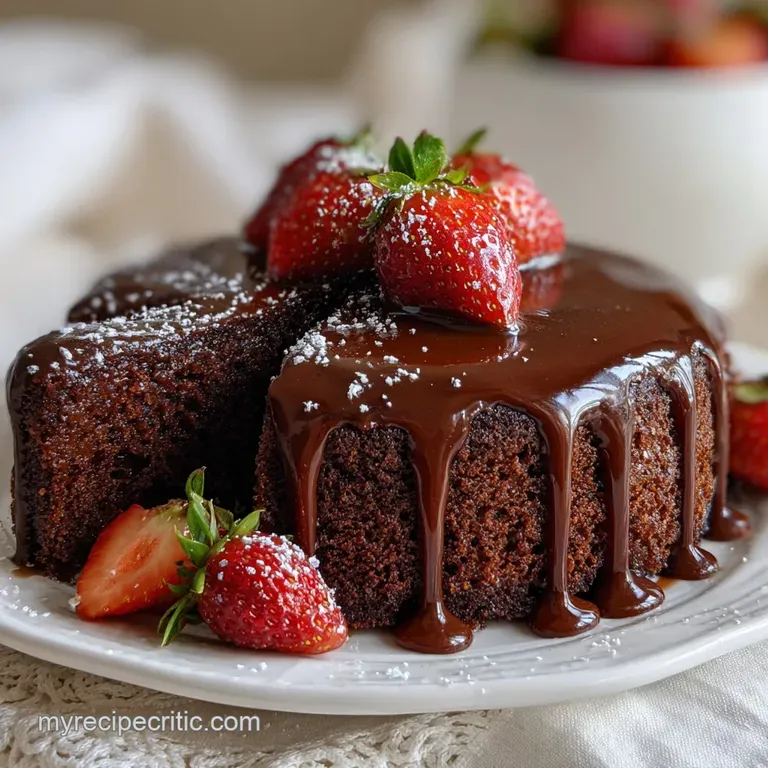
- Time: Active 20 minutes, Passive 35 minutes, Total 55 minutes
- Flavor/Texture Hook: A velvety, tight crumb with a deep cocoa profile that isn't overly sugary.
- Perfect for: High stakes birthdays, dinner parties, or when you just need a serious chocolate fix.
- Achieving Midnight Darkness in Your Dark Chocolate Cake
- The Science of Why This Sponge Stays Moist
- Key Performance Metrics for This Dark Chocolate Cake
- The Science of Essential Ingredients
- The Pantry Essentials for This Dark Chocolate Cake
- Necessary Tools for a Seamless Baking Session
- Step by Step Guide to a Fudgy Finish
- Navigating Potential Hurdles and Baker Mistakes
- Adjusting the Recipe for Different Crowds
- Debunking Common Cocoa Myths
- Keeping Your Cake Fresh and Reducing Kitchen Waste
- Presentation Ideas for Your Deeply Dark Dessert
- Recipe FAQs
- 📝 Recipe Card
Achieving Midnight Darkness in Your Dark Chocolate Cake
There is a specific, soul satisfying aroma that fills a kitchen when boiling hot coffee hits high-quality cocoa powder. It’s not just the smell of chocolate, it’s the scent of a recipe that actually behaves the way you want it to.
I’ve lost count of how many times I’ve pulled a "chocolate" cake out of the oven only to find it’s a pale, dry imitation of what a true cocoa heavy dessert should be.
This recipe is the answer to those bland, crumbly disappointments that leave you reaching for a glass of milk just to swallow a single bite.
We’ve all been there, staring at a recipe that promises "moist" results but delivers something closer to a kitchen sponge. The secret to this specific crumb isn't just about adding more fat, it’s about the hydration and the specific way we treat the cocoa.
By using a liquid heavy batter and the chemical reaction between buttermilk and baking soda, we create a texture that feels almost like a truffle in cake form. It’s dense enough to hold up under a thick ganache, yet light enough to melt away the second it hits your tongue.
If you’re looking for a project that makes your house smell like a professional bakery, let’s crack on. This isn't just another box mix hack, it’s a focused look at how simple pantry staples like oil, coffee, and Dutch process cocoa can transform into something truly monumental.
Trust me on this, once you see how the batter looks after the coffee goes in, you'll never go back to the old "creaming butter and sugar" method for your chocolate cakes.
The Science of Why This Sponge Stays Moist
The heavy lifting here is done by a process called blooming, where the boiling liquid dissolves the cocoa solids to release intense flavor oils. Simultaneously, the acid base reaction between the lactic acid in the buttermilk and the baking soda creates carbon dioxide bubbles that expand in the oven, ensuring the cake doesn't become a leaden brick.
Chef's Tip: Freeze your chocolate for 10 minutes before chopping it for the ganache. This prevents the warmth of your hands from melting it, resulting in a cleaner, more uniform "shatter" once the ganache sets.
Chef's Tip: Add a pinch of espresso powder to your dry ingredients. It won't make the cake taste like a latte, but it acts as a chemical megaphone for the chocolate, making the cocoa notes much more resonant.
Key Performance Metrics for This Dark Chocolate Cake
Before we dive into the mixing bowls, it’s helpful to know how this method stacks up against the traditional "cream and whisk" style. Many classic cakes rely on air beaten into butter, but for a Dark Chocolate Cake, we want the stability and moisture that oil provides.
This table helps you decide if this specific method is the right fit for your afternoon.
| Method | Time | Texture | Best For |
|---|---|---|---|
| Boiling Bloom (This Recipe) | 55 minutes | Velvety, fudgy, and intensely dark | Deep flavor, long shelf life, and moist crumb |
| Creaming Method (Classic) | 1 hours 15 mins | Fluffy, light, and buttery | Birthday cakes for kids or lighter frostings |
| Reverse Creaming | 1 hours 10 mins | Very fine, sand like crumb | Tiered wedding cakes that need structural strength |
As you can see, the boiling bloom method is not only faster but provides that specific "midnight" texture we’re after. It's the difference between a cake that is merely sweet and one that is complex.
The Science of Essential Ingredients
Understanding why we use specific ingredients helps you become a more intuitive cook. It’s not just about following a list; it’s about knowing how each component will behave once it hits the heat. Similar to the way textures are balanced in a Mud cake The recipe, every gram of sugar and drop of oil here has a job to do.
| Ingredient | Science Role | Pro Secret |
|---|---|---|
| Dutch Process Cocoa | Provides the dark color and neutralized acidity. | Always sift this; cocoa is notorious for stubborn, bitter clumps. |
| Full fat Buttermilk | Tenderizes gluten and activates the leavening. | Ensure it is exactly room temperature to prevent the oil from seizing. |
| Hot Coffee | Dissolves cocoa solids and hydrates the flour. | The hotter the better it needs to be near boiling to properly "bloom" the cocoa. |
Each of these components works in tandem to create a batter that is quite thin. Don't be alarmed when your batter looks more like a thick soup than a traditional dough texture that high hydration is exactly what leads to the moistness we're craving.
The Pantry Essentials for This Dark Chocolate Cake
For the best results, use weight measurements whenever possible. Volumetric cups can vary wildly, but 250 grams of flour is always 250 grams. If you've ever wondered why your cake turned out dry despite following the steps, it's often because a "cup" of flour was packed too tightly.
- 2 cups (250g) all purpose flour: The structural backbone.
- 2 cups (400g) granulated sugar: For sweetness and moisture retention.
- 1/4 cup (50g) dark brown sugar: The molasses adds a soft, fudgy chew.
- 3/4 cup (75g) Dutch process dark cocoa powder: Essential for that "midnight" hue.
- 2 tsp baking soda: Our primary lift.
- 1 tsp baking powder: Secondary lift for a rounded top.
- 1 tsp fine sea salt: To balance the sugars.
- 1 cup (240ml) full fat buttermilk, room temperature: The acid source.
- 1/2 cup (120ml) neutral vegetable oil: Keeps the cake moist even when cold.
- 2 large eggs, room temperature: For emulsification and structure.
- 2 tsp pure vanilla extract: A flavor bridge.
- 1 cup (240ml) freshly brewed hot coffee: The "blooming" agent.
- 8 oz (225g) 60% cacao dark chocolate, finely chopped: For the ganache.
- 1 cup (240ml) heavy whipping cream: The ganache base.
- 1 tbsp light corn syrup: Provides a professional, glossy sheen.
Ingredient Substitution Guide
Sometimes you’re halfway through a recipe and realize the buttermilk is gone. Don't panic. Here is how you can swap things out without ruining the bake.
| Original Ingredient | Substitute | Why It Works |
|---|---|---|
| Full fat Buttermilk | 1 cup whole milk + 1 tbsp lemon juice | Mimics the acidity needed to react with the baking soda. |
| Neutral Vegetable Oil | Melted Coconut Oil | Same fat ratio. Note: Adds a subtle tropical scent and sets firmer. |
| Hot Coffee | Boiling Water | Provides the heat for blooming without the caffeine or coffee notes. |
Necessary Tools for a Seamless Baking Session
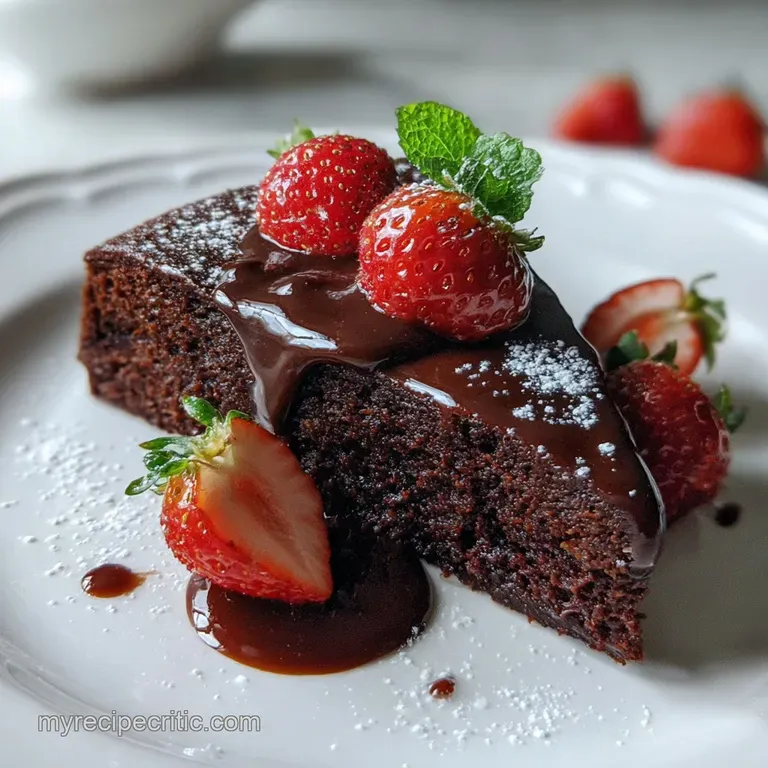
You don't need a kitchen full of gadgets, but a few specific items will make your life much easier. For one, a high-quality whisk is better than a fork for ensuring your dry ingredients are truly aerated.
- Two 9 inch round cake pans: Standard for layered cakes.
- Large mixing bowl: For the main batter.
- Sifter or fine mesh sieve: Non negotiable for the cocoa and flour.
- Wire cooling rack: Prevents the bottom of the cake from getting soggy as it cools.
- Parchment paper: Essential for a clean release.
- Small saucepan: For heating the cream for your ganache.
step-by-step Guide to a Fudgy Finish
The process for this Dark Chocolate Cake is straightforward, but the order of operations matters. We want to ensure the flour doesn't develop too much gluten, which would make the cake tough.
- Prep the oven. Preheat to 350°F (175°C). Grease your pans and line the bottoms with parchment paper. Note: This ensures the cake won't stick when you flip it.
- Sift the dry ingredients. Combine 2 cups (250g) flour, 2 cups (400g) granulated sugar, 1/4 cup (50g) brown sugar, 3/4 cup (75g) cocoa, baking soda, baking powder, and salt. Whisk until no streaks of white remain.
- Mix the wet ingredients. In a separate bowl, whisk together 1 cup (240ml) buttermilk, 1/2 cup (120ml) oil, 2 large eggs, and 2 tsp vanilla. Beat until the eggs are fully incorporated.
- Combine the bases. Pour the wet mixture into the dry ingredients. Whisk until the batter is thick and smooth.
- The Coffee Bloom. Slowly pour in 1 cup (240ml) of hot coffee while whisking gently. Mix until the liquid is fully absorbed and the batter is thin.
- Divide and bake. Pour the batter evenly into the prepared pans. Bake for 30 to 35 minutes.
- Check for doneness. Insert a toothpick into the center; it should come out with a few moist crumbs attached.
- Cool the layers. Let the cakes rest in the pans for 10 minutes before transferring to a wire rack. Wait until completely cold before frosting.
- Prepare the ganache. Place 8 oz (225g) chopped chocolate in a bowl. Heat 1 cup (240ml) cream and 1 tbsp corn syrup until it just begins to simmer.
- Emulsify the topping. Pour the hot cream over the chocolate. Let sit for 5 minutes, then stir gently until a velvety, glossy sauce forms.
Navigating Potential Hurdles and Baker Mistakes
Even the best of us hit a snag sometimes. If your cake didn't behave the way you expected, it's usually a small tweak in the temperature or the mixing style. If you want a slightly lighter version for a different occasion, you might compare this to a Moist Chocolate Cake recipe which uses slightly different fat ratios.
Why Your Cake Sunk in the Middle
This usually happens because the oven door was opened too early or the leavening agents (baking soda/powder) are expired. When the structure hasn't set, the cool air causes the bubbles to collapse.
| Problem | Root Cause | Solution |
|---|---|---|
| Dry, crumbly texture | Too much flour or over baked | Weigh flour with a scale and check doneness 5 mins early. |
| Bubbles on the surface | Batter was over mixed after adding coffee | Whisk only until combined; don't beat it like a rug. |
| Cake stuck to pan | Didn't use parchment paper or grease well | Always line the bottom with parchment paper for easy release. |
Common Mistakes Checklist
- ✓ Ensure eggs and buttermilk are truly room temperature (seventy two degrees Fahrenheit).
- ✓ Use Dutch process cocoa rather than "natural" cocoa to get that deep black color.
- ✓ Do not skip the hot coffee; the heat is required to bloom the cocoa.
- ✓ Sift your dry ingredients twice if you see large clumps of cocoa powder.
- ✓ Tap the filled cake pans on the counter three times to release large air pockets.
Adjusting the Recipe for Different Crowds
If you’re baking for a large party or just for two people, you’ll need to adjust your math and your pan sizes. Baking is a science, so we can't just double everything and expect it to work the same way.
- To Half the Recipe: Use one 8 inch pan and reduce the bake time by about 5 to 7 minutes. For the eggs, beat one egg in a cup and use exactly half by weight or volume.
- To Double the Recipe: Bake in batches rather than crowding the oven. For the spices and salt, use only 1.5x the amount to avoid an overpowering chemical or salty taste.
- Baking at Altitude: If you are above 3,000 feet, increase the flour by 2 tablespoons and decrease the sugar by 2 tablespoons to prevent the cake from rising too fast and collapsing.
Debunking Common Cocoa Myths
I used to believe that more cocoa powder meant a better cake. I was wrong. Too much cocoa actually dries out the batter and makes it taste chalky. Balance is everything.
Another myth is that coffee makes the cake taste like mocha. In reality, the coffee simply enhances the earthy notes of the cocoa. Once baked, the distinct coffee flavor evaporates, leaving behind a much more intense chocolate experience. Finally, many people think you must use cake flour for a "fancy" cake.
For this specific Dark Chocolate Cake, the high liquid content and oil already provide enough tenderness, so all purpose flour actually provides a better structure.
Keeping Your Cake Fresh and Reducing Kitchen Waste
This cake is a workhorse when it comes to storage. Because of the oil and the sugar content, it stays moist longer than butter based cakes.
Storage Guidelines:Fridge: Store in an airtight container for up to 5 days. The ganache will firm up, so let it sit at room temperature for 20 minutes before serving. Freezer: Wrap individual unfrosted slices in plastic wrap and foil.
They stay fresh for up to 3 months. Thaw in the fridge overnight.
Zero Waste Tips: If you leveled off the tops of your cakes to make them flat, don't throw those scraps away! Crumble them into a bowl and mix with a spoonful of leftover ganache to make cake truffles. Roll them into balls and dip them in melted chocolate for a "bonus" dessert.
You can also use any leftover coffee from the blooming step to make a simple syrup for brushing over the cake layers if you ever find yourself with a slightly over baked sponge.
Presentation Ideas for Your Deeply Dark Dessert
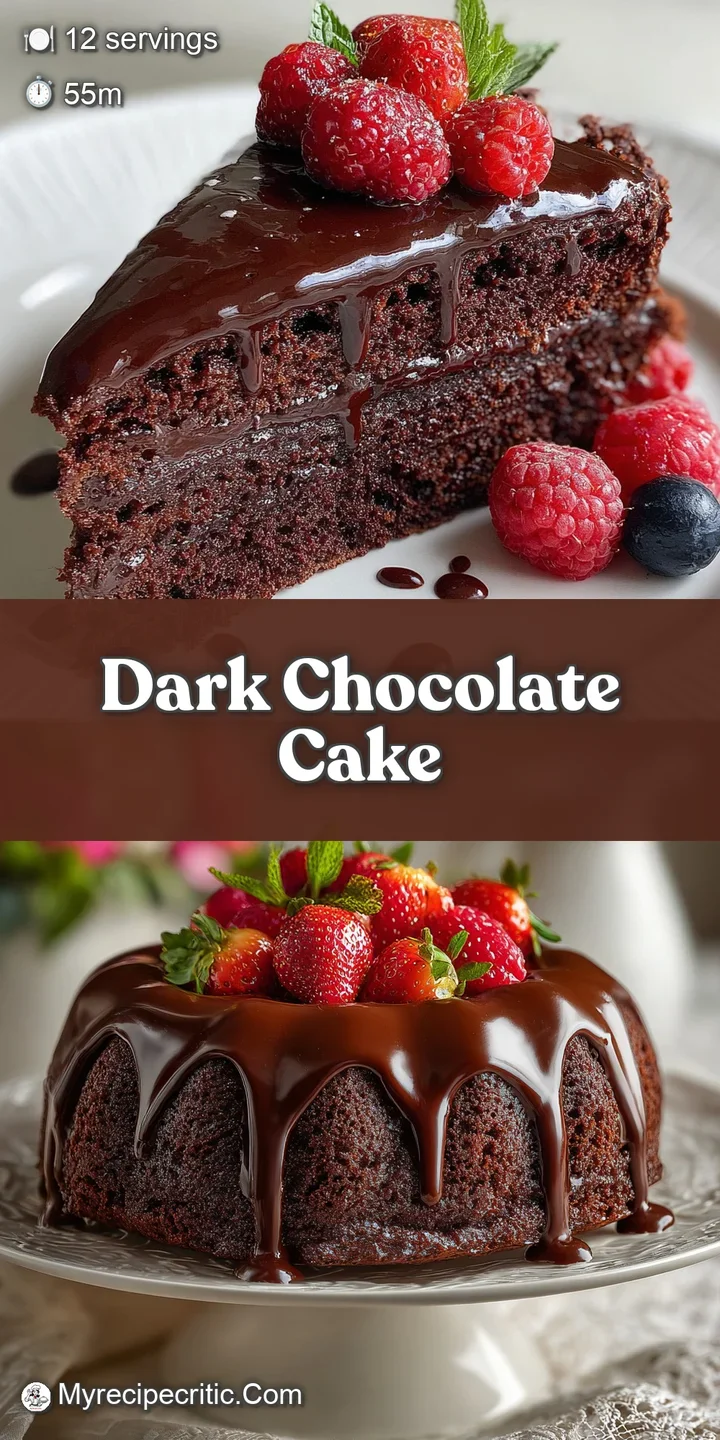
The visual contrast of this cake is its best feature. Because it is so dark, almost black, anything you put on top will pop. If you want to lean into the decadence, look at how textures are layered in The Decadent Mississippi recipe for inspiration.
For a sophisticated look, top the ganache with a few flakes of Maldon sea salt. The salt crystals won't just look like diamonds against the dark chocolate; they will actually cut through the richness of the ganache.
If you’re serving this in the summer, a handful of tart raspberries provides a bright acidity that balances the heavy cocoa. You can also use a vegetable peeler on a block of chocolate to create "shavings" that give the cake a professional, textured finish.
Whatever you do, serve it on a white or light colored plate to let that midnight color take center stage.
Recipe FAQs
Can I use a different liquid instead of coffee?
Yes, boiling water works. While coffee enhances chocolate flavor, hot water can still bloom the cocoa powder effectively without adding any coffee notes.
My dark chocolate cake sank in the middle. What went wrong?
This often happens from opening the oven door too early or using expired leavening agents. When the cake's structure hasn't set, the sudden change in temperature can cause the center to collapse.
How can I ensure my cake isn't dry?
Weigh your flour and avoid over baking. Using a kitchen scale for flour measurement prevents compaction, and checking for doneness with a toothpick that has a few moist crumbs attached is crucial.
Why is my batter so thin?
This is intentional for a moist crumb. The high liquid content, particularly from the hot coffee "blooming" the cocoa, creates a thin batter that results in a tender and fudgy cake.
Can I substitute the Dutch process cocoa powder?
No, stick with Dutch process for this recipe. It has a neutralized acidity and lower fat content, which is essential for achieving the deep, dark color and intended texture of this cake.
How do I make the ganache glossy?
Add a tablespoon of light corn syrup to the heavy cream. This simple addition helps emulsify the ganache, giving it a professional, beautiful sheen without altering the chocolate flavor.
Can I make this cake ahead of time?
Yes, it’s perfect for making ahead. Bake the layers up to two days in advance and store them tightly wrapped at room temperature, making frosting easier later on.
Dark Chocolate Cake
Ingredients:
Instructions:
Nutrition Facts:
| Calories | 510 kcal |
|---|---|
| Protein | 6.4 g |
| Fat | 25.3 g |
| Carbs | 68.5 g |
| Fiber | 4.1 g |
| Sugar | 50.2 g |
| Sodium | 338 mg |
