Creamy Tomato Pasta: Silky and Tangy
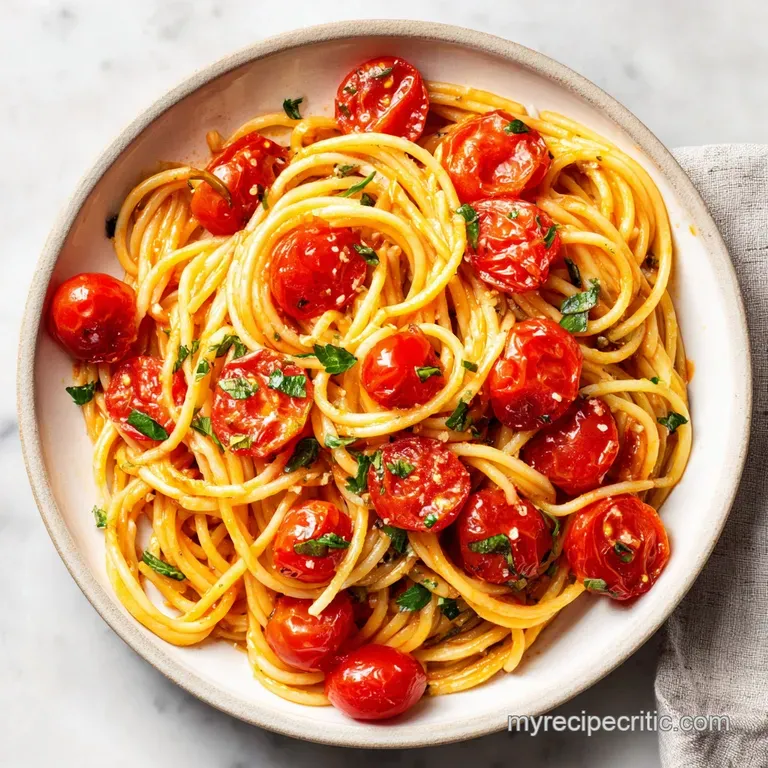
- Time: Active 5 minutes, Passive 15 minutes, Total 20 minutes
- Flavor/Texture Hook: Silky, tangy, and subtly spicy
- Perfect for: Stressful weeknights or a quick romantic dinner
- Mastering the Comfort of This Classic Creamy Tomato Pasta
- Essential Numbers for a Quick Weeknight Dinner Success
- The Magic of the Concentrated Emulsion
- Understanding the Essentials for a Rich Silky Sauce
- The Minimalist Tool Kit for a One Pan Meal
- Step by Step Guide to a Flawless Pasta Finish
- Fixing Common Pitfalls for a Perfectly Smooth Result
- Creative Ways to Customize Your Evening Pasta Bowl
- Cooking for a Crowd or Just for One
- Debunking Pasta Preparation Myths
- Keeping Your Leftovers Fresh and Using Every Scrap
- Finishing Touches to Make Your Meal Look Professional
- Recipe FAQs
- 📝 Recipe Card
Mastering the Comfort of This Classic Creamy Tomato Pasta
I remember the first time I actually nailed this. It was one of those rainy Tuesdays where everything went wrong, my sink was already half full of breakfast dishes, and the last thing I wanted to do was "chef up" a five course meal.
I threw some shallots into a pan, heard that gentle sizzle as they hit the olive oil, and just hoped for the best. When I finally tossed the pasta into that vibrant, orange hued sauce, the way it clung to the ridges of the rigatoni was purely hypnotic.
We've all had those pasta dishes that feel a bit thin or, worse, where the sauce just slides right off the noodles and pools at the bottom of the bowl. That's a heartbreak I've moved past. This version is different because it focuses on building layers of flavor in one single skillet.
You get the punch of the microplaned garlic and the concentrated umami from the tomato paste, all smoothed out by a splash of cream. It is the ultimate "hug in a bowl" that doesn't require you to spend all night over the stove.
Trust me, once you see how that Parmesan melts into the sauce to create a glossy finish, you'll never go back to the jarred stuff.
Essential Numbers for a Quick Weeknight Dinner Success
Before we get our hands messy, let's look at how this dish stacks up against other methods. I'm a big believer in knowing exactly what you're getting into before you turn on the flame.
If you're deciding whether to go all out with fresh tomatoes or take the shortcut I've perfected here, this comparison should help you pick your path.
| Method | Cook Time | Texture | Best For |
|---|---|---|---|
| Pantry Shortcut | 15 minutes | Silky and consistent | Busy weeknights |
| Fresh Roasted | 45 minutes | Chunky and rustic | Weekend slow cooking |
| One Pot Style | 20 minutes | Starchy and thick | Maximum dish saving |
If you want a sauce that feels lighter, use whole peeled tomatoes and crush them by hand for a more rustic feel. If you want maximum velvet vibes, stick with the crushed tomatoes listed below. If you're looking for a heavier, white sauce dominant flavor, you might actually prefer my Foolproof Chicken Alfredo recipe which leans harder into the dairy side of life.
The Magic of the Concentrated Emulsion
Maillard Concentration: Sautéing the tomato paste until it turns a deep brick red creates new flavor compounds that raw tomatoes lack.
Starch Binding: The residual flour on the pasta surface works with the fats in the light cream to create a permanent bond, preventing the sauce from breaking.
Understanding the Essentials for a Rich Silky Sauce
Choosing the right components makes or breaks this dish. We aren't just throwing things in a pan, we're selecting items that play specific roles in the chemistry of the meal. For example, using a microplane for the garlic ensures it melts into the oil rather than leaving behind bitter, burnt chunks.
| Component | Science Role | Pro Secret |
|---|---|---|
| Tomato Paste | Umami Bomb | Fry it until it smells like roasted sundried tomatoes. |
| Light Cream | Fat Emulsifier | Add it off the heat to prevent the dairy from curdling. |
| Parmesan | Protein Binder | Grate it yourself to avoid the gritty anti caking agents. |
| Shallots | Sweet Aromatic | They have less water than onions, so they caramelize faster. |
- 12 oz penne or rigatoni pasta
- Why this? The ridges (rigate) act like tiny scoops for the sauce.
- 2 tbsp sea salt
- Essential for seasoning the pasta from the inside out.
- 1 tbsp extra virgin olive oil
- Use the good stuff here since it's a flavor base.
- 2 shallots, finely minced
- Provides a delicate, sweet foundation.
- 3 garlic cloves, microplaned
- Why this? Maximizes surface area for instant flavor release.
- 2 tbsp tomato paste
- Concentrates the "tomato ness" of the whole dish.
- 14 oz crushed tomatoes
- Provides the body and moisture for the sauce.
- 1 tsp dried oregano
- Adds that classic earthy, Italian herbal note.
- 0.5 tsp red pepper flakes
- Just enough to provide a back of-the throat warmth.
- 0.5 cup light cream
- Why this? Adds richness without the heavy weight of double cream.
- 0.5 cup freshly grated Parmesan cheese
- The salty glue that holds everything together.
- 1 handful fresh basil leaves, torn
- Adds a burst of peppery freshness at the end.
If you don't have shallots, a small yellow onion works, but it will take a few more minutes to soften. For a dairy-free swap, full fat coconut milk is a decent substitute, though it will add a slight nutty sweetness that changes the profile.
The Minimalist Tool Kit for a One Pan Meal
I promised we wouldn't fill the sink, and I meant it. You really only need a large pot for the pasta and a wide, high sided skillet (about 12 inches or 30 cm) for the sauce. A wide skillet is better than a small saucepan because it allows the moisture in the tomatoes to evaporate quickly, thickening the sauce in half the time.
You'll also want a microplane or a very fine grater. This is my secret weapon for garlic and ginger, but here it ensures the garlic is basically a paste. If you chop it with a knife, you might get a spicy "zing" of raw garlic later, which isn't what we're after.
Finally, a sturdy pair of tongs or a wooden spoon is all you need to bring the two worlds together.
step-by-step Guide to a Flawless Pasta Finish
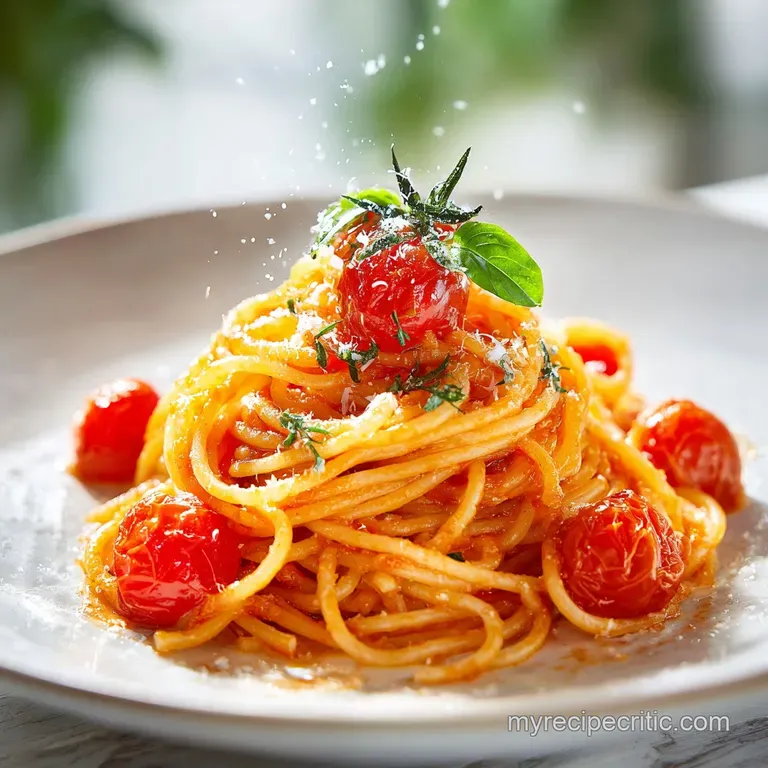
Boiling the Perfect Al Dente
Bring a large pot of water to a rolling boil and add the 2 tbsp sea salt. It should taste like the ocean. Drop in your 12 oz penne or rigatoni and cook for about 2 minutes less than the package directions.
Note: We want the pasta to finish cooking inside the sauce so it absorbs the flavor.
Sautéing the Aromatics
While the pasta boils, heat 1 tbsp olive oil in your large skillet over medium heat. Add the minced shallots and a pinch of salt. Sauté for 3 to 4 minutes until translucent and soft. Don't let them brown too much, we want sweetness, not bitterness.
Concentrating the Umami
Stir in the 3 microplaned garlic cloves, 1 tsp dried oregano, and 0.5 tsp red pepper flakes. Cook for 1 minute until the garlic is fragrant. Now, add the 2 tbsp tomato paste. Stir it constantly for 2 minutes until it turns a dark, rusty red. This is where the magic happens.
Simmering the Hybrid Sauce
Pour in the 14 oz crushed tomatoes. Reduce the heat to low and let it simmer gently for about 5 to 7 minutes. You'll see the color deepen and the sauce thicken slightly. If it looks too dry, splash in a little pasta water.
Tempering the Dairy
Lower the heat to the absolute minimum. Pour in the 0.5 cup light cream while stirring constantly. The sauce should turn a beautiful sunset orange. Note: Keeping the heat low prevents the cream from separating.
Finishing with a Glossy Emulsion
Using a slotted spoon or tongs, move the pasta directly from the boiling water into the skillet. Don't worry about the water dripping in, that's actually a good thing. Add the 0.5 cup Parmesan cheese and toss vigorously.
The Final Gloss
Continue tossing the pasta in the sauce for another 60 seconds until the sauce looks shiny and clings to every noodle. If it’s too thick, add more pasta water, one tablespoon at a time.
The Fresh Garnish
Turn off the heat entirely. Throw in your handful of torn basil leaves. Give it one last gentle stir so the basil wilts slightly but stays bright green. Serve immediately in warmed bowls.
Fixing Common Pitfalls for a Perfectly Smooth Result
Even with a simple recipe, things can go sideways. The most common issue I see is a sauce that looks "broken," where the oil and water have separated. This usually happens if the heat is too high when you add the cream or the cheese. If you see little oily droplets on top, don't panic.
Just add a splash of starchy pasta water and whisk it hard. The starch acts as a bridge to pull the fats and liquids back together.
Why Your Sauce Is Too Sour
Sometimes canned tomatoes are just aggressively acidic. This usually depends on the brand or how long they've been on the shelf. If your sauce has a harsh tang that makes you pucker, you need to balance the pH levels.
| Problem | Root Cause | Solution |
|---|---|---|
| Sour Aftertaste | High acidity in tomatoes | Add a tiny pinch of sugar or a knob of butter. |
| Gritty Texture | Pre shredded cheese used | Whisk in a splash of hot pasta water to melt the starches. |
| Dry Pasta | Sauce absorbed too fast | Keep extra pasta water handy to loosen the emulsion. |
Common Mistakes Checklist
- ✓ Never rinse your pasta after boiling - you need that starch to help the sauce stick.
- ✓ Don't skip frying the tomato paste - it tastes metallic if it isn't "cooked out."
- ✓ Ensure the Parmesan is finely grated - big chunks won't melt evenly into the cream.
- ✓ Add the basil at the very end - high heat turns fresh basil black and bitter.
- ✓ Save at least a cup of pasta water before draining - it's liquid gold for the texture.
Creative Ways to Customize Your Evening Pasta Bowl
If you want to turn this into a heartier meal, adding a protein is incredibly easy. I often toss in some leftover rotisserie chicken or quickly sauté some shrimp in the skillet before I start the shallots.
If you go the shrimp route, take them out once they're pink and add them back at the very end so they don't turn into rubber erasers.
For those who want a bit more "green" in their life, a few handfuls of baby spinach stirred in at the same time as the cream will wilt down into nothing while adding a nice hit of iron. If you’re feeling fancy and have some extra time, you could even try making The Homemade Pasta recipe to serve with this sauce. There is nothing quite like the way fresh egg pasta absorbs a creamy tomato base.
Adding Lean Protein
- Chicken: Sautéed breast or thighs seasoned with salt and pepper.
- Italian Sausage: Browned and crumbled for a spicy, fennel forward kick.
- White Beans: Cannellini beans add creamy texture and fiber for a vegetarian boost.
Swapping for Plant Based
If you want to go vegan, replace the light cream with cashew cream (soaked cashews blended with water) and use nutritional yeast instead of Parmesan. It won't be exactly the same, but it hits those same savory, creamy notes that make this dish so satisfying.
Cooking for a Crowd or Just for One
When you're doubling this recipe for a dinner party, the biggest trap is the skillet size. If you try to crowd 24 oz of pasta into a standard skillet, you won't be able to toss it properly, and you'll end up with unevenly coated noodles. Use your largest pot to toss everything together if your skillet isn't big enough.
For the spices, I usually only go to 1.5x the amount of red pepper flakes and salt, then taste and adjust. Spices don't always scale linearly and can quickly become overwhelming.
If you're cutting the recipe in half, it’s much simpler. Use a smaller pan to ensure the sauce doesn't evaporate too quickly. Since the recipe calls for half a cup of cream, using a quarter cup is easy. For the garlic, just use one large clove instead of trying to measure out 1.5 cloves.
Debunking Pasta Preparation Myths
One big myth is that you need to add oil to your pasta water to keep it from sticking. Please, don't do this. All it does is coat the pasta in a slick film of oil, which ensures that your beautiful creamy sauce will slide right off the noodle and end up at the bottom of the plate.
If you have enough water and give it a stir in the first two minutes, it won't stick.
Another misconception is that "Al Dente" means the pasta should be hard in the middle. It should have a "toothsome" bite, but no white, dry crunch. Since we are finishing the pasta in the sauce, we actually want it slightly under al dente when it leaves the water.
It will drink up the tomato liquid and reach that perfect texture right as you're ready to serve.
Keeping Your Leftovers Fresh and Using Every Scrap
This pasta keeps surprisingly well in the fridge for about 3 to 4 days. The sauce will thicken significantly as it cools, so when you go to reheat it, you'll need a splash of water or milk to loosen it back up. I prefer the stovetop over the microwave for this, as it helps the emulsion stay together.
Just low heat and a gentle stir will do it.
Freezing: You can freeze the sauce on its own for up to 3 months, but I don't recommend freezing the assembled pasta. Cooked pasta tends to get mushy and lose its structure once thawed.
If you have extra sauce, freeze it in an airtight container or even in ice cube trays for quick flavor boosts to future meals.
Zero Waste Tip: Don't toss those Parmesan rinds! If you have the end of a block of cheese, throw the rind into the sauce while it simmers. It will infuse the whole dish with a deep, salty funk. Just remember to fish it out before serving.
You can also use the stems from your basil to flavor a simple olive oil for drizzling over the top later.
Finishing Touches to Make Your Meal Look Professional
Presentation is half the battle when you're serving something this simple. I like to serve this in wide, shallow bowls rather than deep ones so you can see the texture of the sauce. A final dusting of freshly grated Parmesan and a few extra cracks of black pepper go a long way.
If you really want to lean into the luxury, a tiny drizzle of high-quality olive oil right before it hits the table adds a beautiful sheen.
This dish is a star on its own, but it also works beautifully as a side. If you're looking for a different vibe for your next pasta night, you might enjoy the Chicken Alfredo Velvety recipe which offers a similar level of indulgence but with a strictly white sauce base. Whatever you choose, remember that the best pasta is the one shared with friends, even if the sink is still full of dishes when you're done. Enjoy every bite!
Recipe FAQs
What is the secret to creamy pasta sauce?
Starch and fat emulsification is the secret. You must reserve starchy pasta water and aggressively toss it with the fat (cream/butter) and cheese off the heat. If you enjoyed mastering the emulsion technique here, see how the same principle works in creating a stable dressing in our Foolproof Creamy Chicken recipe.
What is the name of the creamy tomato pasta?
This dish is generally known as Creamy Tomato Pasta or Tomato Cream Pasta. It is often confused with Penne alla Vodka, though this version skips the vodka for simplicity. It relies on slow cooked tomato concentration smoothed with light cream for texture.
What can I add to pasta to make it creamy?
Light cream, reserved pasta water, or high-quality Parmesan cheese are the best additions. Light cream provides the necessary fat content for a smooth mouthfeel, while the starch from the water binds the sauce to the noodles. You can also use a cashew cream base for a dairy-free option.
Can I add heavy cream to tomato pasta?
Yes, but light cream is often preferred for this specific recipe. Heavy cream adds significant richness, which can sometimes overpower the brightness of the tomato flavor. If using heavy cream, reduce the volume slightly, or use a splash of acid like lemon juice to balance the fat content.
How do I prevent my tomato cream sauce from splitting?
Reduce the heat to the lowest setting before adding any dairy. The primary cause of splitting is adding cream or cheese when the temperature is too high, which denatures the milk proteins. Ensure you stir constantly during the addition, similar to tempering eggs.
Is it true I must use tomato paste?
No, it is not strictly required, but strongly recommended for depth. Cooking the tomato paste separately until it darkens concentrates the savory umami flavor, which fresh tomatoes alone cannot provide. If you omit it, consider using a longer simmer time for your tomatoes, similar to how you build flavor in our Tomato Soup with recipe.
How to achieve an Italian restaurant style silky texture?
Finish cooking the pasta directly in the sauce while adding grated cheese slowly. Boil the pasta two minutes shy of al dente, transfer it to the skillet, and incorporate the Parmesan cheese gradually with vigorous tossing.
This marries the pasta starch directly into the fat and liquid base for that perfect gloss.
Creamy Tomato Pasta In 20 Min
Ingredients:
Instructions:
Nutrition Facts:
| Calories | 486 kcal |
|---|---|
| Protein | 17.8 g |
| Fat | 14.2 g |
| Carbs | 73.4 g |
| Fiber | 4.8 g |
| Sugar | 6.2 g |
| Sodium | 685 mg |
