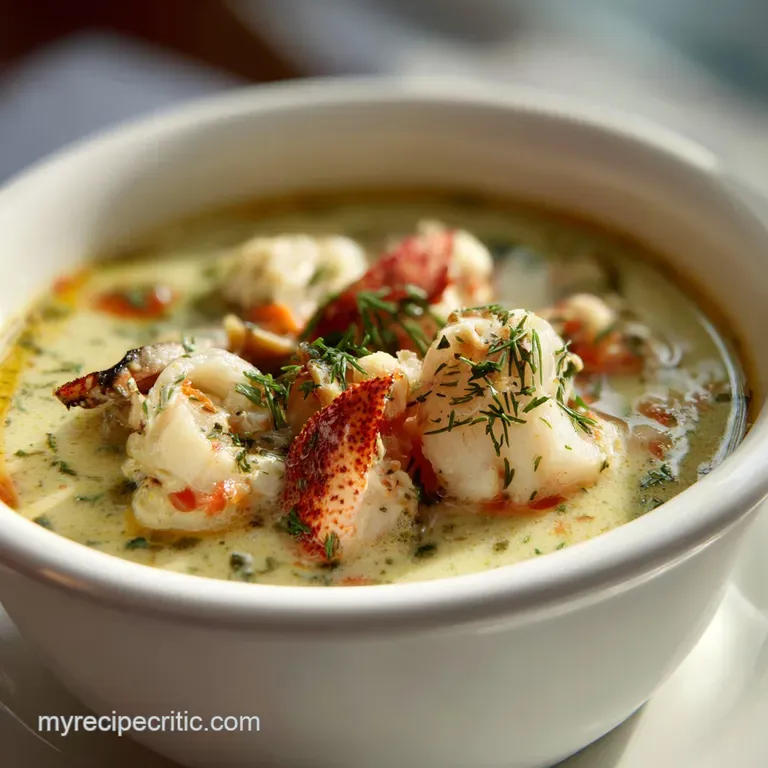
Creamy Seafood Chowder: Velvety and Tender
- Time: Active 20 minutes, Passive 25 minutes, Total 45 minutes
- Flavor/Texture Hook: A velvety, cream based broth loaded with smoky bacon and tender white fish.
- Perfect for: A cozy weekend lunch or a cold winter evening when you need a bowl of pure comfort.
- The Ultimate Comforting Creamy Seafood Chowder Recipe
- The Science of the Velvety Broth
- Essential Recipe Specs and Decision Shortcuts
- The Component Analysis for Maximum Flavor
- Selecting the Best Ingredients and Substitutes
- Minimal Tools for a One Pan Coastal Classic
- Step-by-Step Guide to Poaching Seafood Gently
- Common Mistakes and How to Fix Them
- Scaling for a Crowd or a Couple
- Flavor Variations for Every Occasion
- Proper Storage and Freezer Reheating Tips
- Perfect Complements to Serve on the Side
- High in Sodium (⚠️)
- Recipe FAQs
- 📝 Recipe Card
The Ultimate Comforting Creamy Seafood Chowder Recipe
There is a specific sound that happens when you drop diced bacon into a cold Dutch oven and slowly turn up the heat. It starts as a whisper, then grows into a steady, rhythmic sizzle as the fat begins to pool and the edges of the pork turn golden and crisp.
I remember making this for the first time on a Tuesday night when the rain was lashing against the kitchen window. I was so worried about the cream curdling that I hovered over the pot like a nervous parent, but the moment I smelled that first puff of steam carrying the scent of thyme and leeks, I knew I had something special.
We've all had those chowders that feel like flavorless wallpaper paste, right? Usually, it's because the cook rushed the base or used a low-fat milk that just didn't have the body to support the seafood. This Creamy Seafood Chowder is the opposite.
It is thick, rich, and has a depth of flavor that comes from deglazing the pan with a dry white wine. You aren't just making soup here, you're building a coastal experience in a single pot.
Trust me, once you see those bay scallops and chunks of cod swirling in a silken broth, you'll never go back to the canned stuff. We are going to focus on getting that texture just right, making sure the potatoes are soft enough to crush against the roof of your mouth but firm enough to hold their shape.
It's a balance of science and a little bit of kitchen intuition, and I'm going to walk you through every single step.
The Science of the Velvety Broth
Starch Gelatinization: As the potatoes simmer, they release amylose molecules into the broth, which swell and trap water to create a thick, stable body. This naturally reinforces the roux, preventing the heavy cream from separating or feeling greasy.
Protein Coagulation Control: Seafood proteins like those in shrimp and scallops shrink and toughen rapidly above 140°F (60°C).
By adding the seafood at the very end and killing the heat, we use residual thermal energy to poach them gently, keeping the texture buttery rather than elastic.
Essential Recipe Specs and Decision Shortcuts
Before you grab your apron, let's look at how this dish stacks up. This table helps you decide if you're going for the traditional slow burn flavor or a quicker weeknight version.
| Feature | Classic Method | Fast Weeknight Method |
|---|---|---|
| Base Flavor | Homemade fish stock | Bottled clam juice & wine |
| Texture | Slow rendered salt pork | Thick cut diced bacon |
| Prep Time | 45 minutes | 20 minutes |
| Complexity | High (multi pot) | Low (one pan focus) |
If you want a thinner, more brothy soup, increase the clam juice by 1/2 cup and reduce the flour to 3 tablespoons. If you prefer a "spoon standing-up" thickness, let the potatoes simmer for an extra 5 minutes until some of the edges start to dissolve into the liquid.
For those who want an extra smoky kick, swap the bacon for diced pancetta or add a pinch of smoked paprika during the onion sauté.
The Component Analysis for Maximum Flavor
Understanding what each ingredient does helps you troubleshoot on the fly. Don't skip the leeks; they provide a subtle sweetness that regular onions just can't match.
| Ingredient | Science Role | Pro Secret |
|---|---|---|
| Yukon Gold Potatoes | Texture Stabilizer | These hold their shape better than Russets and provide a creamy mouthfeel. |
| Clam Juice | Umami Foundation | This provides the concentrated "ocean" flavor without needing 5 lbs of shells. |
| Dry White Wine | Acid Brightener | The acid cuts through the heavy cream, preventing the dish from feeling too heavy. |
| Heavy Cream | Emulsion Base | High fat content ensures the soup won't "break" when it hits the acidic wine. |
When you're shopping, look for "firm" white fish. Cod is the gold standard because it flakes into beautiful, large chunks that catch the broth. If you use something too delicate like flounder, it will simply disintegrate, and you'll end up with fish mush instead of a proper Creamy Seafood Chowder.
Selecting the Best Ingredients and Substitutes
Every ingredient in this list serves a purpose. I've spent years figuring out which swaps actually work and which ones ruin the pot. Here is exactly what you need.
- 4 slices thick cut bacon, diced: Provides the fat for the roux and a smoky base.
- 2 tbsp unsalted butter: Adds richness to the sauté.
- 1 large yellow onion, finely diced: The aromatic foundation.
- 2 stalks celery, diced: Adds a necessary earthy crunch.
- 1 large leek, white and light green parts only: Why this? Leeks add a silky texture and sweet, mild onion flavor that defines chowder.
- 3 cloves garlic, minced: Essential for depth.
- 1/4 cup all purpose flour: The thickening agent for our roux.
- 16 oz bottled clam juice: Provides the essential salty, briny liquid base.
- 1 cup dry white wine: A crisp Pinot Grigio or Sauvignon Blanc works best.
- 1.5 lbs Yukon Gold potatoes, peeled and diced: The heart of the soup.
- 2 cups heavy cream: Gives us that signature velvety finish.
- 2 dried bay leaves & 1 tsp dried thyme: The classic herb profile.
- 1 lb firm white fish (Cod, Halibut, or Haddock): Cut into 1 inch chunks.
- 1/2 lb large shrimp, peeled and deveined: Adds a pop of sweetness.
- 1/2 lb bay scallops: Small and tender, they cook perfectly in the residual heat.
- 1 tbsp fresh lemon juice: Why this? A final hit of acid wakes up the heavy fats.
- 1/4 cup fresh parsley, chopped: For color and freshness.
- Salt & Pepper: Always season in layers.
| Original Ingredient | Substitute | Why It Works |
|---|---|---|
| Heavy Cream | Whole Milk + 1 tbsp Butter | Lighter, but less stable. Note: May curdle if boiled vigorously. |
| White Wine | Extra Clam Juice + 1 tsp Vinegar | Maintains volume and adds necessary acidity without alcohol. |
| Bay Scallops | Chopped Canned Clams | Cheaper and provides a similar briny punch. Note: Add at the very end. |
| Yukon Gold Potatoes | Red Bliss Potatoes | Both are waxy and hold their shape well during the simmer. |
If you are looking for another comfort classic that uses a similar slow build approach, you have to try my Luxurious Creamy Bolognese recipe. It uses that same "layering" technique to get a deep, rich flavor.
Minimal Tools for a One Pan Coastal Classic
You don't need a kitchen full of gadgets for this. In fact, a one pan approach is better because you don't lose any of the "fond" (those little brown bits) from the bacon and vegetables.
- Large Dutch Oven or Heavy Bottomed Pot: This is non negotiable. You need thick walls to distribute heat evenly so the cream doesn't scorch on the bottom. I use a 6 quart enameled cast iron pot.
- Wooden Spoon: Best for scraping the bottom of the pan after adding the wine (deglazing).
- Sharp Chef's Knife: For getting those potatoes into uniform 1/2 inch cubes. Uniformity means they all finish cooking at the same time.
- Liquid Measuring Cup: To keep your clam juice and wine ratios precise.
One thing I've learned the hard way: don't use a thin stainless steel pot if you can avoid it. The dairy in this recipe loves to stick to thin metal, and once it burns, the whole batch will taste like campfire smoke. If you're stuck with a thin pot, keep your heat significantly lower and stir constantly.
step-by-step Guide to Poaching Seafood Gently
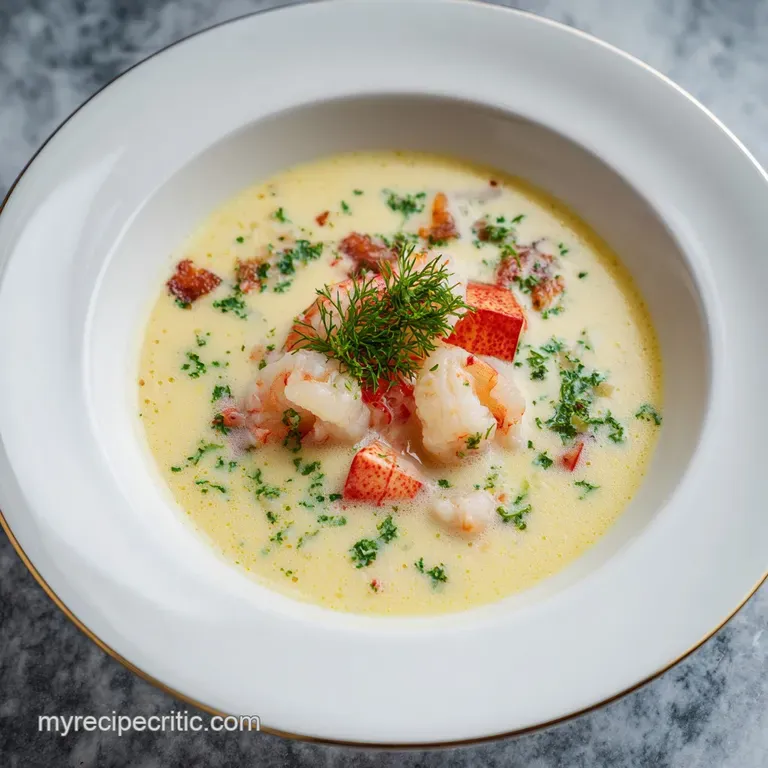
Right then, let's get into the actual cooking. This is where you need to pay attention to the sensory cues. Listen for the sizzle and watch for the color changes.
- Render the bacon. Place the diced bacon in your Dutch oven over medium heat. Cook for 5-7 minutes until the fat has rendered and bits are crispy. Remove the bacon with a slotted spoon, leaving the fat in the pot.
- Sauté the aromatics. Add the butter to the bacon fat. Once melted, toss in the onion, celery, and leeks. Cook for 8 minutes until softened and translucent. Note: Don't let them brown; we want a pale, sweet base.
- Add garlic and flour. Stir in the garlic for 1 minute until fragrant. Sprinkle the flour over the vegetables and stir constantly for 2 minutes until the raw flour smell disappears.
- Deglaze the pan. Pour in the white wine. Use your wooden spoon to scrape up all those flavorful brown bits from the bottom. Cook for 3 minutes until the liquid has reduced by half.
- Build the broth. Slowly whisk in the clam juice to avoid lumps. Add the potatoes, bay leaves, and thyme. Bring to a gentle simmer.
- Simmer the potatoes. Cover and cook for 12-15 minutes until the potatoes are fork tender. Note: If a knife slides in with zero resistance, they are ready.
- Incorporate the cream. Stir in the 2 cups of heavy cream. Bring the soup back to a very low simmer, but do not let it reach a rolling boil.
- Poach the fish. Gently fold in the white fish chunks. Cover and cook for 3 minutes.
- Finish the shellfish. Add the shrimp and scallops. Cover the pot, turn off the heat entirely, and let it sit for 5 minutes. The residual heat will poach them until the shrimp are pink and opaque.
- Season and serve. Remove bay leaves. Stir in the lemon juice, parsley, salt, pepper, and the reserved crispy bacon. Taste it! Does it need more salt? A bit more pepper? Adjust now.
This method of turning off the heat for the shrimp and scallops is a trick I learned after years of eating rubbery seafood. It's much safer than leaving the burner on and hoping for the best. If you enjoy this kind of precise timing, you might also like my Foolproof Creamy Chicken recipe, which uses a similar dairy stabilizing technique.
Common Mistakes and How to Fix Them
Even the best cooks run into trouble sometimes. The most common issue with any Creamy Seafood Chowder is texture, whether it's the broth or the seafood itself.
Why Your Chowder Broth Is Thin
If your soup looks more like milk than a thick chowder, you likely didn't cook the flour long enough or your potato to liquid ratio was off.
| Problem | Root Cause | Solution |
|---|---|---|
| Thin/Runny Broth | Flour didn't hydrate or too much wine | Mash a few potatoes against the side of the pot to release extra starch. |
| Curdled Cream | Boiling too hard after adding dairy | Remove from heat immediately and whisk in a splash of cold cream. |
| Rubbery Seafood | Overcooked at high heat | Always add seafood last and use residual heat to finish poaching. |
Common Mistakes Checklist
- ✓ Clean your leeks thoroughly: They grow in sandy soil and can ruin a soup with grit. Slice them first, then soak in cold water.
- ✓ Pat your seafood dry: Excess water on the fish dilutes the broth. Use paper towels before adding to the pot.
- ✓ Don't skip the wine deglaze: That acidity is what prevents the heavy cream from tasting "cloying" or one note.
- ✓ Uniform potato cuts: If some are huge and some are tiny, you'll have a mix of hard and mushy bits. Aim for 1/2 inch cubes.
- ✓ Avoid a rolling boil: Once the cream is in, keep it at a "lazy bubble" to keep the texture silky.
Scaling for a Crowd or a Couple
Scaling a soup is generally easy, but you have to be careful with the seasonings. They don't always scale linearly.
Scaling Down (Making 2-3 servings): Reduce everything by half. Use a smaller pot (3 quart) to ensure the liquid still covers the potatoes. Reduce the simmering time for potatoes by about 3 minutes since there is less thermal mass to heat up.
Scaling Up (Making 12 servings): You'll need a massive 10 quart stock pot. Double the ingredients but only use 1.5x the salt and pepper to start. You can always add more at the end, but you can't take it out.
Double the flour to 1/2 cup but be very diligent about whisking in the clam juice to prevent massive flour lumps.
| Servings | Pot Size | Cook Time Change | Best For |
|---|---|---|---|
| 2-3 | 3 Quart | -5 minutes | Date night |
| 6 | 6 Quart | No change | Family dinner |
| 12 | 10 Quart | +10 minutes | Holiday party |
For a larger gathering, I often compare this to the yield of a Classic New England recipe, which is equally crowd pleasing but uses a slightly different flavor profile.
Flavor Variations for Every Occasion
Once you've mastered the base, you can play around with the flavor profile to suit your mood.
Creating a Spicy Cajun Variation
Swap the dried thyme for 2 teaspoons of Cajun seasoning. Use smoked andouille sausage instead of bacon. This turns the Creamy Seafood Chowder into something reminiscent of a coastal gumbo. Add a splash of hot sauce right before serving for that extra kick.
Swapping for a dairy-free Creaminess
If you're avoiding dairy, you can actually get a very similar texture using full fat coconut milk. Just be aware it will add a slight tropical note. To counter this, increase the garlic and maybe add a squeeze of lime instead of lemon. Use olive oil instead of butter for the sauté.
Adapting for a gluten-free Lifestyle
Instead of all purpose flour, use a 1:1 gluten-free flour blend. Alternatively, you can omit the flour entirely and increase the potatoes by half a pound. Once the potatoes are soft, blend 1 cup of the soup (potatoes and all) and stir it back in.
This "potato slurry" method creates a naturally thick base without any wheat.
Proper Storage and Freezer Reheating Tips
Because this recipe contains a high amount of dairy and delicate seafood, you have to be smart about storage.
Storage: Store leftovers in an airtight container in the fridge for up to 2 days. I wouldn't go beyond that, as the seafood texture starts to degrade. When reheating, do it over low heat on the stove. If you microwave it on high, the shrimp will turn into erasers and the cream might separate.
Freezing: Honestly, I don't recommend freezing this specific Creamy Seafood Chowder. Heavy cream and potatoes both have a tendency to become grainy and "weepy" when thawed. However, if you must, freeze the base (before adding the seafood and cream).
When you're ready to eat, thaw the base, bring to a simmer, then add fresh cream and seafood.
Zero Waste Tip: Don't throw away those leek greens or celery leaves! Toss them into a freezer bag. When the bag is full, boil them with some peppercorns and water to make a quick vegetable scrap stock for your next soup.
Also, if you have leftover fish scraps that were too small for the chunks, mince them up and stir them into the broth they’ll melt away and add even more flavor.
Perfect Complements to Serve on the Side
A bowl of chowder is rarely a solo act. You need something to catch every last drop of that velvety broth.
Classic Soup Dunkers
You cannot go wrong with sourdough bread. The slight tang of the sourdough cuts through the richness of the heavy cream perfectly. I like to brush thick slices with garlic butter and toast them until the edges shatter when you bite into them.
Oyster crackers are the traditional choice, but try crushing some Ritz crackers on top for a buttery, salty finish.
The Light Side Pairing
Since this is a heavy meal, a bright, crisp side salad is your best friend. A simple arugula salad with a lemon shallot vinaigrette works wonders. The peppery greens provide a necessary contrast to the sweet scallops and creamy base.
If you're feeling fancy, a side of roasted asparagus with a squeeze of charred lemon also fits the "coastal" theme beautifully.
If you are looking for another seafood forward dish to round out a weekend of cooking, check out my Classic New England recipe. It's a bit more traditional but shares that same soul warming quality that makes a Creamy Seafood Chowder so addictive. Now, get that pot on the stove and let me know how it turns out!

High in Sodium (⚠️)
845 mg mg of sodium per serving (37% % of daily value)
The American Heart Association recommends limiting sodium intake to about 2,300mg per day.
Tips to Reduce Sodium in Your Seafood Chowder
-
Low-Sodium Broth-30%
Substitute the bottled clam juice with low-sodium clam broth or homemade fish stock. This single swap can significantly reduce the sodium content.
-
Reduce Bacon-20%
Bacon is a significant source of sodium. Reduce the amount of bacon used by half, or consider using a lower sodium bacon option if available.
-
Control Salt-25%
Omit adding any additional salt during cooking. Taste the chowder after all other ingredients are combined and add salt sparingly, if needed.
-
Boost with Lemon-10%
Enhance the flavors of the chowder with more fresh lemon juice and a generous amount of fresh parsley. This will help compensate for the reduced salt.
-
Spice It Up!
Experiment with sodium free herb and spice blends. Garlic powder, onion powder, black pepper, and other herbs can enhance flavor without adding sodium.
Recipe FAQs
What makes seafood chowder creamy?
Starch gelatinization and high fat dairy. Potatoes break down slightly during simmering, releasing starch that naturally thickens the broth. This body is then supported by heavy cream, which is the ideal fat source to prevent curdling.
What kind of cream is used in chowder?
Heavy cream (36% milk fat or higher) is required. This high fat content ensures the broth remains silky and stable, even when combined with acidic ingredients like white wine or lemon juice.
What are common chowder mistakes?
Overcooking the seafood is the biggest error. Seafood must be added at the very end and poached using residual heat only; boiling shrimp or scallops makes them tough and rubbery.
What is the secret to great chowder?
Layering flavor components slowly before adding liquid. This means rendering the bacon fat, sweating the aromatics, and properly cooking the flour into a roux before adding the clam juice and wine.
How to prevent the cream base from breaking or curdling?
Maintain a low simmer after adding dairy and acid. Avoid bringing the soup to a hard boil once the cream is incorporated, especially after deglazing with wine, which lowers the overall pH.
Is it true you must use a roux to thicken chowder properly?
No, this is a common misconception, though it helps stability. You can rely on the starch released from Yukon Gold potatoes, but using a roux (flour cooked in fat) provides immediate body and a more reliable texture.
How to substitute heavy cream if I need a lighter chowder?
Replace heavy cream with whole milk fortified with a tablespoon of butter. Whole milk lacks the fat for complete stability, so keep the heat very low once added; if you like mastering emulsion techniques, see how we ensure smooth results in our Foolproof Chicken Alfredo recipe.
Creamy Seafood Chowder Recipe
Ingredients:
Instructions:
Nutrition Facts:
| Calories | 658 kcal |
|---|---|
| Protein | 34.8 g |
| Fat | 38.2 g |
| Carbs | 33.6 g |
| Fiber | 3.2 g |
| Sugar | 5.4 g |
| Sodium | 845 mg |
