Breakfast Quiche: the Ultimate Flaky Crust Version
- Welcome to Your New Favorite Brunch Star: The Bacon and Gruyère Quiche
- Essential Components for the Ultimate Classic Quiche
- The Science of the Perfect Custard and Flaky Crust
- How to Assemble and Bake the Flaky-Crust Quiche
- Troubleshooting: Expert Tips for Mastering Your Quiche
- Preparing Ahead and Preserving Leftovers
- Elevating Your Meal: Suggested Pairings for Quiche
- Recipe FAQs
- 📝 Recipe Card
Welcome to Your New Favorite Brunch Star: The Bacon and Gruyère Quiche
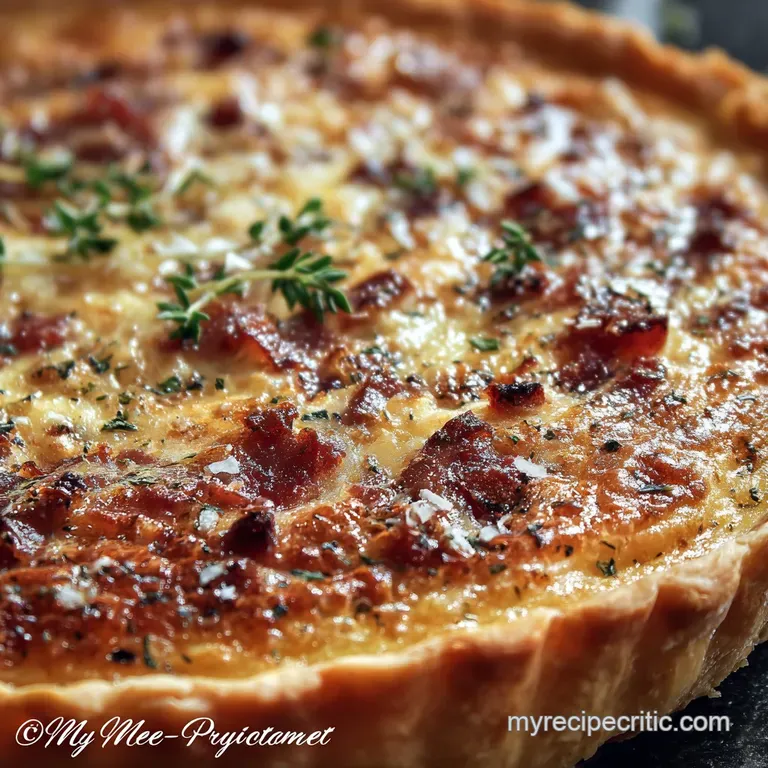
There is truly nothing better than pulling a golden brown Breakfast Quiche out of the oven. The smell alone that savoury blend of salty bacon, soft caramelized onion, sharp Gruyère, and that unexpected, glorious hint of nutmeg can basically cure all of your Monday worries, even on a Sunday.
Once you slice into it, the creamy, velvety custard is revealed, holding everything together perfectly without a hint of watery separation.
Look, we all need a recipe that looks completely sophisticated but is actually the easiest way to feed a crowd or manage meal prep for the week. This classic Flaky Crust Quiche recipe is incredibly forgiving once you master a couple of crucial steps, and it transforms basic pantry staples into a delicious, high protein breakfast that stays excellent for days.
Forget those dry, spongy diner quiches.
Ready to achieve genuine brunch glory? We’re skipping the shortcuts today and focusing on the classic, rich technique that guarantees a truly perfect custard and absolutely zero soggy bottoms.
Trust me, learning these techniques for the ultimate Bacon Gruyère Quiche is totally worth the minimal extra effort.
What Makes This Flaky Crust Quiche Stand Out?
The secret to this recipe's success lies in balancing richness with stability. We use a high ratio of heavy cream to whole milk, which delivers that luxurious, silky mouthfeel that simply doesn't happen when you use milk alone.
Plus, we are taking the extra time to lightly sauté the onions; this concentrates their natural sweetness, contrasting beautifully with the smoky, salty bacon.
It's about layers of flavor, not just tossing everything in a pie shell and hoping for the best. The freshly grated Gruyère melts differently than pre-shredded cheese, helping to build a protective shield between the pastry and the wet custard.
This recipe works because we treat the pastry, the fillings, and the custard as three equally important components, not just one big dish.
A Brief History of the Savory Custard Tart
While many folks assume quiche is purely French, its roots actually trace back to medieval Germany, specifically the word kuchen , meaning cake. The French region of Lorraine perfected it, famously making the original Quiche Lorraine with a short pastry crust, smoked bacon, and egg-cream filling.
We’re essentially making a slightly fancier version of that regional classic. I love the addition of Gruyère because its nutty flavour is strong enough to stand up to the salty bacon without dominating the creamy custard.
It feels traditional, hearty, and utterly timeless, perfect for a slow weekend breakfast.
Nutritional Snapshot (Per Serving)
This is a substantial, protein packed breakfast slice designed to keep you going until lunchtime. While the butter and cream mean this isn't low-fat, every single calorie is worth the indulgence!
Chef's Note: Remember that saltiness can vary wildly based on the type of bacon you use. Always taste the custard mix before pouring it to adjust the final seasoning!
Essential Components for the Ultimate Classic Quiche
Key Ingredients List (1x, 2x, 3x Yield)
I always recommend grating your cheese fresh; it genuinely makes a difference to the texture of the filling. Using cold butter and ice water in the dough is critical, so don’t skip that temperature control step!
| Ingredient | 1x Yield (9 inch) | 2x Yield (Double Batch) | Viable Substitute |
|---|---|---|---|
| All-Purpose Flour | 1 ¼ cups | 2 ½ cups | White Whole Wheat Flour (may be denser) |
| Cold Butter | 1 stick (115g) | 2 sticks (230g) | high-quality shortening or vegan butter sticks |
| Smoked Bacon | 4 oz (115g) | 8 oz (230g) | Prosciutto or thinly sliced quality ham |
| Gruyère Cheese | 4 oz (115g) | 8 oz (230g) | Emmental or strong aged white Cheddar |
| Heavy Cream | 1 cup (240ml) | 2 cups (480ml) | Half and half (add one extra egg for stability) |
| Large Eggs | 6 units | 12 units | N/A |
Swapping Cheeses: Acceptable Gruyère Alternatives
Gruyère is key because it melts beautifully and has a complex, nutty flavor that compliments the savory filling. However, sometimes it’s hard to find, or maybe your bank account is complaining. Don't worry, there are excellent options.
You could swap it out for a good Comté, which offers a similar depth, or go slightly bolder with Emmental. If you are stuck with simple grocery store options, a sharp white Cheddar or even Monterey Jack will work in a pinch. Just make sure to grate it yourself.
Pre-shredded cheese contains anti caking agents that can sometimes make the custard grainy.
Preparing the Bacon Lardons and Lightly Caramelized Onions
This simple pre-cooking step builds massive flavor depth. I know, you just want to dump raw bacon in, but resist the urge. Cook your bacon until it's crisp, and then remove it to drain on a paper towel.
Use just a small amount of that rendered bacon fat to gently soften the diced onion over low heat. You aren't trying to burn them brown; you want them translucent and slightly sweet. This process of slow cooking the onions gives the quiche a subtle, almost sweet undertone that elevates the entire dish.
The Science of the Perfect Custard and Flaky Crust
The reason most homemade quiches fail is usually temperature control both in the pastry and the baking. Custard is essentially a fragile protein network, and if you bake it too high or too fast, those proteins seize up, resulting in rubbery texture and cracks across the top.
We solve this by using the lower 350°F (175°C) oven temperature.
When it comes to the crust, cold matters. If your butter gets too warm, it blends fully into the flour, developing gluten and making the crust tough. You want little pockets of cold butter to remain; these pockets release steam in the oven, creating those irresistible, buttery layers.
This is why chilling the dough twice is totally essential.
How to Assemble and Bake the Flaky Crust Quiche
Achieving the Velvety Texture: The Cream-to-Milk Ratio
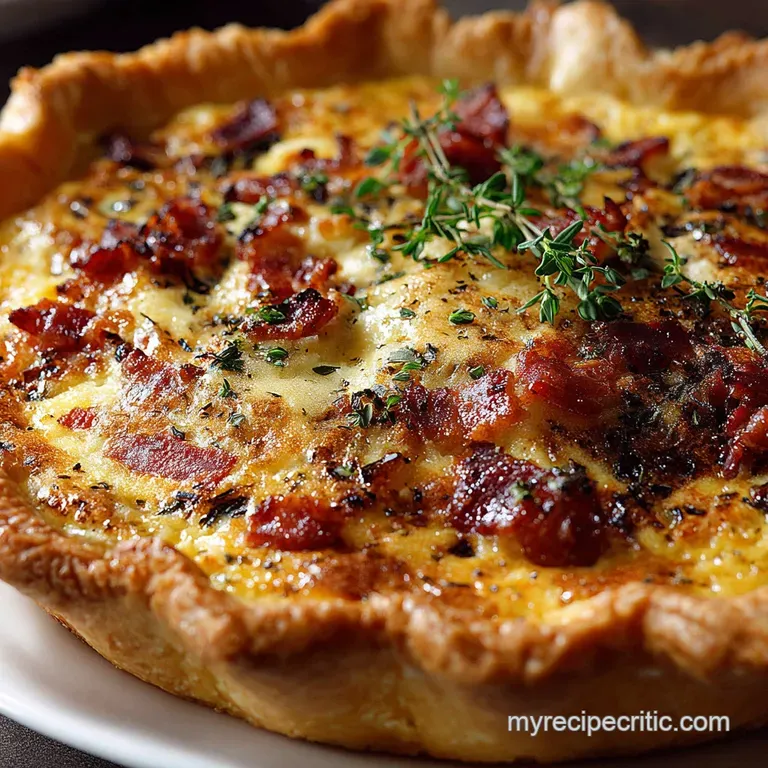
The 2:1 ratio of heavy cream to whole milk is the gold standard for achieving that velvety, sliceable, yet sturdy texture. If you use too much milk, the quiche might weep moisture when cut. If you use too much cream, it can sometimes feel too heavy.
When mixing the custard ingredients the eggs, cream, milk, salt, pepper, and nutmeg whisk gently. Avoid over whisking! Too much air causes the custard to puff up dramatically in the oven and then deflate sadly afterward, potentially cracking the surface.
Why Blind Baking is Non-Negotiable
Seriously, I learned this the hard way after many ruined attempts. Skipping the blind bake means the wet custard sits directly on raw pastry dough. The dough will steam instead of baking, resulting in that tragic, pale, and thoroughly inedible "soggy bottom."
Blind baking sets the base and the sides of the pastry shell before the liquid filling is added. Don't forget to freeze the rolled out shell for about 15 minutes before the initial bake; this helps lock the shape and prevents shrinkage!
Pressing the Dough and Fluting the Edges
When you transfer the rolled dough into the pan, be careful not to stretch it, or it will snap back during baking. Gently press it into the bottom and sides. If you want pretty, fluted edges, use your thumb and forefinger to pinch the dough into waves around the rim.
This looks fancy, and it also prevents the dough from slumping down.
The Optimal Filling Technique and Pouring Method
We layer the fillings because we want the cheese and bacon to be distributed evenly, not all sitting sadly at the bottom. Start with half the cheese on the base, followed by the bacon and onions, then the rest of the cheese. This bottom layer acts as a sealant.
Pour the custard slowly, right into the center of the quiche, until it reaches about a quarter inch from the top edge. I recommend placing the quiche pan on a baking tray before filling it. This makes it infinitely easier (and safer!) to transfer the sloshy quiche to the hot oven without spills.
Troubleshooting: Expert Tips for Mastering Your Quiche
Preventing the Dreaded Soggy Bottom
This really is the biggest hurdle for new bakers. Aside from blind baking, ensure your pastry shell is completely cool before adding the filling. If you pour liquid into a warm shell, it starts cooking the dough prematurely, again leading to sogginess.
Also, make sure all your fillings especially the onions and bacon are drained completely of excess fat or moisture before layering them.
The Importance of the Wiggle Test for Doneness
How do you know when your Breakfast Quiche is done without over baking it? Do the wiggle test! Gently shake the baking sheet (not the quiche itself). The edges should look entirely set, golden, and firm, but the absolute center (about the size of a golf ball) should still have a slight, gentle wobble.
If you bake until the whole thing is firm, you've overcooked it, and the custard will be tough. Once it’s out, the residual heat will finish setting that slightly wobbly center during the cooling period.
How to Handle Cracks in the Crust or Filling
A tiny crack in the filling happens sometimes, usually from baking too hot or cooling too quickly. It’s purely cosmetic and doesn't affect the taste. If the top starts browning too fast before the center is set, cover the whole thing loosely with foil.
If your crust edges are burning, you can wrap them carefully in thin strips of foil before returning the quiche to the oven.
Preparing Ahead and Preserving Leftovers
Can You Prepare This Savory Breakfast Quiche the Night Before?
Absolutely, and this is why Breakfast Quiche is the ultimate make-ahead meal. You have two great options. Option A: You can fully bake the quiche the night before, let it cool completely, and store it tightly wrapped in the fridge.
Option B: Prepare the dough and fillings, store them separately, and assemble and bake in the morning.
For truly fast morning prep, bake the crust completely (Stage 1), cook the fillings (Stage 2), and mix the custard (Stage 3) but keep the custard liquid separate from the fillings. In the morning, you just assemble and bake! If you love the savory meal prep approach, you should check out my recipe for Sausage Egg Breakfast Rolls: The Ultimate Cheesy Meal Prep Recipe — they are equally satisfying.
Best Practices for Freezing the Baked Tart
Breakfast Quiche freezes incredibly well. Once fully baked and completely cooled, wrap individual slices tightly in plastic wrap, then wrap again in foil. Frozen slices will last up to 3 months. When I need a quick high protein fix, I often freeze slices of this alongside my HighProtein Pancake Sausage Mini Muffins: Easy Meal Prep Breakfast .
Reheating Quiche Without Drying It Out
Never use the microwave, unless you enjoy rubbery eggs! The best way to reheat a whole quiche or individual slices is in the oven. Preheat your oven to 300°F (150°C). Place the slice on a baking sheet and heat for 15- 20 minutes, or until warmed through.
The low, slow reheat ensures the pastry stays crisp and the custard remains tender.
Elevating Your Meal: Suggested Pairings for Quiche
Since this Classic Breakfast Quiche is so rich and savory, you need something light and acidic to complement it. A simple side salad dressed with a bright lemon vinaigrette is traditional and perfect.
If you are hosting a full brunch spread, consider pairing the rich quiche with lighter, fruit based options, like my famous Banana Oatmeal Bars: The Healthy Breakfast Bar Recipe . Alternatively, if you are looking for another spicy, savory centerpiece, sometimes I'll make a batch of Breakfast Tacos Ultimate Chorizo and Potato Recipe with Crema to offer variety.

Recipe FAQs
How do I prevent my flaky crust from getting a "soggy bottom?"
Blind baking is absolutely crucial for preventing a soggy crust. Prick the pastry dough all over, line it with parchment paper and pie weights, and pre-bake the shell until the base is mostly set and just starting to turn a light golden color before adding the wet filling.
Furthermore, ensure any filling ingredients, like the bacon and caramelized onions, are cooled and properly drained of any excess grease or liquid before assembling the quiche.
My quiche is still runny in the center after the suggested bake time. What went wrong?
The total baking time can vary based on your oven and the dish material. The quiche is done when the edges are fully set, but the very center still retains a slight jiggle, similar to set gelatin.
It is essential to let the quiche cool completely on a wire rack for at least 30 to 45 minutes after baking, as the residual heat continues to set the custard through a process known as carry over cooking.
Can I make this quiche ahead of time, and how should I store and reheat leftovers?
You can prepare the quiche up to two days in advance; cool it completely before covering and refrigerating. To reheat, wrap individual slices loosely in foil and place them in a preheated 300°F (150°C) oven for about 15-20 minutes.
Reheating slowly in the oven helps ensure the crust re-crisps nicely, which is a better approach than using a microwave.
I don't have Gruyère. What is a suitable cheese substitute?
Gruyère is valued for its excellent melt and slightly nutty flavor, but several cheeses work well as alternatives. high-quality Swiss or Emmental cheese offers a very similar texture and flavour profile.
Alternatively, sharp white cheddar or even crumbled goat cheese can be used, though they will slightly change the overall richness and flavour of the finished quiche.
Can I make a vegetarian version of this recipe? What should I use instead of bacon?
Absolutely; this quiche is highly adaptable to vegetarian fillings. Simply substitute the bacon with a mix of sautéed mushrooms (cremini or shiitake) or roasted, drained vegetables like asparagus spears, broccoli florets, or sun-dried tomatoes.
Ensure the vegetables are fully cooked and excess moisture has evaporated before adding them to the custard base.
What is the difference between using milk vs. heavy cream in the custard base?
The combination of milk and heavy cream is essential for achieving the perfect texture. The high fat content of the heavy cream provides richness and prevents the custard from becoming rubbery, while the milk helps thin the mixture just enough for proper distribution and even baking.
Using only milk will result in a firmer, drier, and less luxurious custard.
Classic Flaky Crust Breakfast Quiche
Ingredients:
Instructions:
Nutrition Facts:
| Calories | 402 kcal |
|---|---|
| Protein | 13.3 g |
| Fat | 35.7 g |
| Carbs | 7.1 g |
