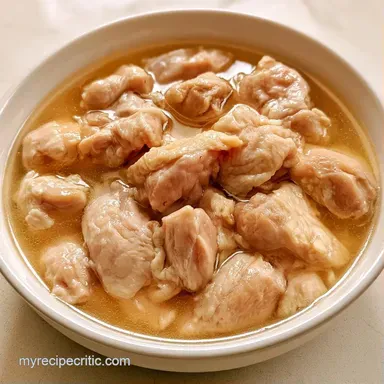
Buttermilk Brine for Tender Fried Chicken

- Time: 10 min active + 12 hours chilling
- Flavor & Texture: Tangy, juicy, and tender
- Perfect for: Weeknight dinner or meal prep
Ever wonder why some fried chicken stays juicy while others dry out the second they hit the oil? It usually comes down to the soak.
Using a buttermilk brine transforms the meat before it even sees the flour. It doesn't just add flavor, it actually changes the structure of the protein so the chicken can handle high heat without toughening up.
You can expect a tender result with a crust that clings tight to the meat. This method is a simple way to get a professional result in a home kitchen.
How to Use Buttermilk Brine
Lactic Acid: The mild acid in buttermilk breaks down tough protein bonds. This helps the meat stay tender, but it cannot prevent drying out from overcooking.
Salt Diffusion: Salt dissolved in liquid moves into the meat faster than dry salt. This seasons the outer layers of the chicken more evenly than dry salt alone.
Better Adhesion: The thickness of the liquid acts as a glue. It ensures your dredging flour doesn't slide off in the pan.
| Soak Time | Result | Best For |
|---|---|---|
| 4 Hours | Lightly tender | Chicken tenders |
| 8 Hours | Well seasoned | Thighs and drums |
| 12 Hours | Maximum tenderness | Whole breasts |
Ingredient Deep Dive
- 2 cups full-fat buttermilk
- 1 tbsp kosher salt
- 1 tsp black pepper
- 1 tsp paprika
- 2 tbsp hot sauce
- 1 tbsp garlic powder
- 1 tsp cayenne pepper
- 1 tbsp Worcestershire sauce
| Ingredient | Role | If You Don't Have It |
|---|---|---|
| Full-fat Buttermilk | Tenderizes and binds | Plain yogurt thinned with milk |
| Kosher Salt | Deep seasoning | Table salt (use 2/3 amount) |
| Hot Sauce | Adds tang and color | A splash of apple cider vinegar |
| Worcestershire | Umami depth | Soy sauce (approximate match) |
Recipe Specs
- Prep time: 10 minutes
- Total time: 12 hours 10 mins
- Yield: 8 servings
Necessary Gear
- Large mixing bowl
- Whisk
- Resealable gallon bags or a plastic container
Step-by-step Instructions

Phase 1: Creating the Base
Whisk together 2 cups full-fat buttermilk, 1 tbsp kosher salt, 1 tsp black pepper, and 1 tsp paprika in a large mixing bowl until the salt is fully dissolved. Note: Dissolving the salt prevents salty hotspots in the meat.
Phase 2: Layering the Aromatics
Stir in 2 tbsp hot sauce, 1 tbsp garlic powder, 1 tsp cayenne pepper, and 1 tbsp Worcestershire sauce, whisking vigorously until the mixture is a uniform, pale orange color.
Phase 3: The Soaking Process
Submerge chicken pieces completely in the brine. If using a resealable bag, squeeze out as much air as possible to ensure full contact with the liquid.
Seal and refrigerate the chicken in the brine for 4 to 12 hours.
When It Does Not Turn Out
If the breading slides off the chicken during frying, the meat is likely too wet. Shake off the excess liquid before dredging.
If the meat feels mushy or overly soft, you likely left it in the soak too long. Stick to the 12 hour limit.
If the chicken tastes too salty, you might have used a fine salt instead of kosher salt. Always check the grain size of your salt.
| Problem | Root Cause | Solution |
|---|---|---|
| Breading slides off | Too much surface moisture | Shake or pat lightly before flour |
| Mushy texture | Over-marinating | Limit soak to 12 hours |
| Bland interior | Short soak time | Let it sit for at least 4 hours |
Storing Leftovers
Once raw chicken has soaked in the liquid, the mixture contains raw proteins and bacteria. Always discard the leftover buttermilk brine after use.
If you make extra brine without adding chicken, store it in a container in the refrigerator for up to 4 days.
Pairing Ideas
This style of chicken pairs well with a bright, acidic side to cut through the richness. I like serving it with a vinegar-based coleslaw or honey-glazed carrots.
For a complete meal, try these fluffy buttermilk biscuits on the side. If you need a dip, a homemade buttermilk ranch works perfectly.
Custom Variations
Nashville Hot Variation
Stir 1 tbsp of brown sugar into the buttermilk brine and increase the cayenne to 1 tbsp. This creates a sweeter base that helps balance the intense heat.
Herbed Garlic Option
Swap the paprika for 1 tbsp of dried oregano and 1 tsp of dried thyme. This gives the chicken a more savory, Mediterranean-style profile.
Dairy-free Alternative
| Version | Key Change | Result |
|---|---|---|
| Spicy | Extra Cayenne | Increased heat level |
| Herbed | Oregano/Thyme | Savory, earthy notes |
| Vegan | Soy Yogurt | dairy-free acidity |
Chef Tip: For the best crust, let the brined chicken sit on a wire rack for 15 minutes before dredging. Allowing the surface to dry slightly helps the flour bond more effectively.
When frying the chicken, use a meat thermometer to ensure it is fully cooked. Per USDA guidelines, the safe internal temperature is 165°F.
Before You Start Cooking
What does buttermilk do when frying chicken?
Tenderizes the meat and helps the coating stick. The lactic acid breaks down proteins for a softer texture, while the thick liquid ensures flour adheres better to the chicken.
Why does brining keep chicken tenders moist?
It hydrates the meat and breaks down proteins. The salt and acidity work together to lock in moisture, preventing the meat from drying out during high-heat cooking.
Can I use buttermilk brine for chicken thighs?
Yes, it works for any chicken cut. The brine penetrates thicker pieces like thighs effectively during the 4 to 12 hour soak. These pair perfectly with a homemade ranch dip.
How do I make homemade chicken tenders in an air fryer?
Air fry the brined chicken instead of deep frying. This method maintains the tenderness provided by the brine while using significantly less oil for a lighter result.
Buttermilk Brine for Tender Chicken